
VAPE FAQs
Can You Vape And Drink At The Same Time?
Jun
The question surfaces often, usually after a few drinks, when someone pulls a slim device from their pocket and the room’s curiosity tilts toward it. Is it fine to vape and drink at the same time? The short answer is yes — adults combine alcohol and personal electronic vaporisers routinely, without acute medical alarms — but that broad permission hides a tangle of physiological interactions, practical device demands, and social subtleties that rarely get examined with any care. What follows is not a lecture on abstinence, nor an encouragement to over-indulge. It is a plain‑spoken look at what actually happens when nicotine and ethanol share the bloodstream, what it means for the hardware you rely on, and how a handful of deliberate choices can keep an evening from sliding into unnecessary discomfort.
When reliability becomes a quiet prerequisite — as it does when attention is divided and hands are less steady — the provenance of the device starts to matter. Authorised channels like OZVAPE Shop remove one layer of guesswork by stocking factory‑certified inventory with published specifications, so the unit in your hand is precisely what the engineering team intended. (Opens in a new window)
Understanding the Interplay: What the Body and the Hardware Actually Do
Most conversations about mixing vaping and alcohol stall at a superficial “it’s fine” or “it’s dangerous.” A more useful starting point is to separate the biochemical push‑and‑pull from the mundane, physical realities of operating a device when your coordination is slightly off.
The Physiological Dance of Alcohol and Nicotine
Alcohol is a central nervous system depressant; nicotine, a stimulant. When they meet, the heart has to reconcile competing instructions. Heart rate may rise modestly, blood pressure can edge upward, and the subjective sensation of intoxication can shift — some people report feeling more alert, which may lead them to underestimate how much alcohol they have consumed. This is not a theoretical concern. A modest body of psychopharmacology research suggests nicotine can partially mask alcohol‑induced sedation, so the user feels less drunk than their blood alcohol concentration would predict, potentially extending a drinking session beyond what they intended.
None of this makes the combination uniquely dangerous for a healthy adult in a controlled setting, but it does mean the “just one more” impulse can be amplified. If you are going to vape while drinking, it helps to know that your internal indicators might be a step behind reality.
Coordination, Social Grace, and the Device in Your Hand
Alcohol degrades fine motor control. Vaping — whether it is drawing on a mouthpiece, pressing a fire button, or swapping a pod — demands a sequence of small, precise movements. A device that asks you to navigate multiple settings or unscrew a tiny fill port at the end of a long dinner is a device that will eventually create an awkward spill or a burnt coil. When choosing hardware for social drinking, simplicity functions as a safety feature. Auto‑draw activation, a smooth mouthpiece that does not require a specific lip angle, and generous liquid capacity all reduce the number of moments that can go wrong.
Equally, etiquette migrates when alcohol is present. Vapour that might go unnoticed in a park can feel intrusive in a crowded bar or at a friend’s dining table. A device with controlled, predictable output — not one that bellows clouds by default — makes considerate use easier.
Consistency When the Routine Breaks Down
Most people vape more heavily while drinking. The hand‑to‑mouth habit intensifies, and a device that performs flawlessly during a short work break may reveal its limitations across a four‑hour wedding reception. Coils overheat, batteries drain faster than anticipated, and liquid channels struggle to keep up. This is where thoughtful internal engineering separates devices that survive a long evening from those that expire ignominiously at 10 p.m.
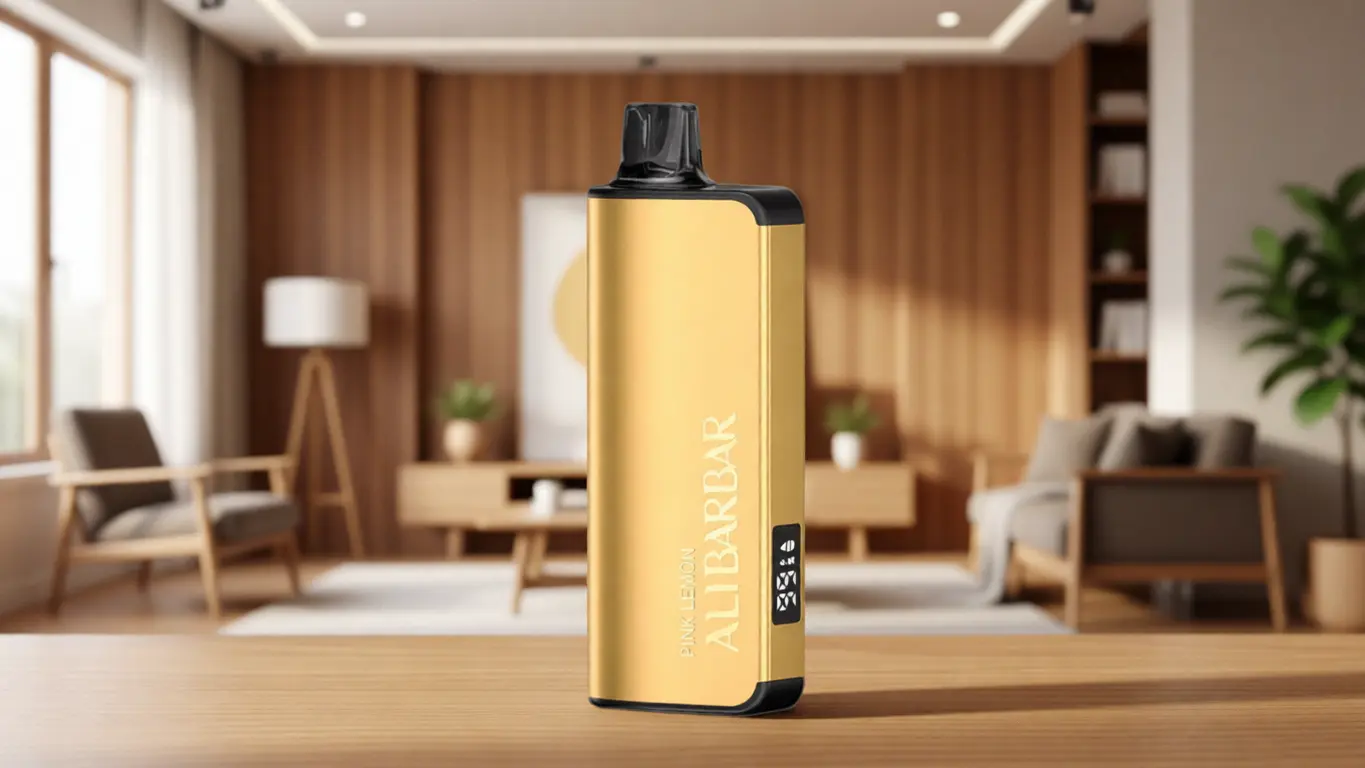
Take a sealed system with a mesh heating element and a large built‑in reservoir: the wicking is optimised for chain draws, and the power cell is sized to outlast the night. The ALIBARBAR INGOT series, for instance, was built around this exact use case — sustained, grab‑and‑go performance without the user needing to babysit a battery indicator. When you buy through a verified source that documents each unit’s rated capacity, you are less likely to end up with a unit that looks identical on the outside but delivers a fraction of the lifespan on the inside.
Flavour Perception and Palate Fatigue
Ethanol is a solvent that numbs and alters taste receptors. A liquid that tastes balanced during the day can become muted or oddly harsh after two glasses of wine. Dehydration, a common companion to both alcohol and vapour, coats the tongue with a film that further dulls perception. The practical upshot: don’t be surprised if your preferred flavour suddenly seems blunt, and consider having a secondary, more robust option available if you plan to vape across several hours. Drinking water between sips (of both kinds) does more for flavour clarity than any amount of brand loyalty.
Matching Equipment to the Occasion: What Real‑World Usage Shows
The typical social drinking setting — a bar counter, a garden barbecue, a loud lounge — is an unforgiving environment for fragile electronics. Users who thought they had found the perfect daily device sometimes discover its limitations when alcohol enters the equation. Based on patterns reported by adults across Australia, a few archetypes emerge.
The zero‑maintenance sealed unit thrives here. There is nothing to refill, no coil to prime, no button combination to accidentally lock. The ALIBARBAR INGOT 9000 and INGOT 15000 exemplify this philosophy: a singular, pre‑charged, pre‑filled body that works the moment you inhale and keeps working until its rated life is exhausted. For someone who wants to vape socially without ever glancing at a screen or rummaging for a charging cable, this category eliminates most of the predictable failure points.
Adjustable output devices introduce a layer of control that some prefer. The ALIBARBAR Ice Adjust 12000 lets the user dial warmth and vapour density, which can be useful when moving from a quiet indoor setting to a breezy patio. However, that adjustment mechanism is a small, moving part — and anything with moving parts adds a variable. If you are the sort of person who fidgets with settings when tipsy, a fixed‑output unit may serve you better.
Modular systems (refillable pods, replaceable coils) demand a steadier hand. They are not unsuitable, but they reward preparation: fill before the first drink, lock the airflow, and stow the backup pod somewhere accessible. The moment you need to unwrap a coil on a bar napkin, the experience has already degraded.
Across all these variants, one under‑recognised factor is authenticity. The market contains an alarming number of visually similar products that share nothing of the same internal design. A device that looks like an INGOT but drains after two hundred draws was never built to the same specification. This is why an authorised retailer that verifies its supply line — rather than simply drop‑shipping from an unvetted warehouse — offers a tangible advantage, even if the price difference at the point of sale seems small.
A Practical Evaluation Framework: What to Check Before a Night Out
Instead of trusting brand aesthetics or a friend’s casual endorsement, apply these five checks when selecting hardware for a social drinking context:
Battery status transparency: Does the device give you a clear, unambiguous signal before it dies? If not, you will inevitably carry a backup or be caught without power.
Draw‑activation reliability: A button can be pressed accidentally in a pocket and is harder to locate in low light. Auto‑draw removes that variable.
Liquid capacity and consumption rate: Calculate roughly how many draws you take per hour while drinking, and compare against the device’s rated count. Many users underestimate their social consumption by half.
Mouthpiece ergonomics: Contoured, softly rounded tips stay comfortable after repeated use, whereas flat, angular designs can become irritating.
Leak resistance when tilted: A device that spends time rolling around a purse or a jacket pocket must remain sealed at any orientation. Look for documented airtight construction rather than marketing claims.
Checking these points against a standardised specification sheet — the kind that a detail‑oriented retailer provides — transforms an impulsive counter purchase into an informed decision. It also prevents the most common social vaping regret: discovering your device failed long before the night was over.
Common Selection Errors and What the Industry Doesn’t Always Admit
Years of observing how people actually use these products in drinking contexts reveal a handful of recurring missteps. They are avoidable, but they persist because they are rarely spelled out.
Overweighting puff count while ignoring output consistency. A marketing number like “9000 draws” is meaningless if the last 3000 draws are thin, unsatisfying, or scorched. In a drinking environment, where sensory feedback is already dulled, a weak tail‑end means the user keeps pulling harder, overheating the coil, and accelerating the device’s decline. The internal architecture — how the heating element manages heat flux across the entire liquid volume — matters far more than the headline number.
Assuming visual similarity signals identical engineering. Two devices can share the same silhouette and colour palette yet contain completely different battery cells, wicking materials, and airflow geometries. The products that become popular in social circles are, unfortunately, the most frequently cloned. A trusted retail partner with a documented chain of custody is the simplest insurance against buying an inferior duplicate.
Undervaluing modularity in cost‑per‑evening calculations. A high‑capacity sealed unit may appear more expensive upfront, but if it reliably lasts through two or three nights out, its cost per use can be lower than swapping multiple short‑life disposables that die early. This is not an argument against sealed systems; it is an observation that cheap, unverified units often deliver far less than their stated capacity, inflating the real cost.
Confusing form factor with technical specification. “Pod system,” “disposable,” and “refillable” are shape descriptions, not performance guarantees. There are pods that out‑output some sub‑ohm tanks, and there are disposables with better power management than certain rechargeable mods. The decision should follow the engineering, not the category label.
From an industry perspective, the pressure to launch ever‑higher “puff count” devices has in some cases come at the expense of coil longevity and e‑liquid stability — factors that directly affect the drinking‑and‑vaping experience, where sustained consistency is the most sought‑after trait.
Frequently Asked Questions
Q: Is it inherently dangerous to vape and drink alcohol at the same time?
A: For a healthy adult in moderate amounts, there is no evidence of acute danger beyond the separate risks of alcohol and nicotine. The primary concern is that nicotine may reduce perceived intoxication, potentially leading to heavier alcohol consumption than intended.
Q: Does nicotine alter how drunk I feel?
A: Yes, nicotine acts as a mild stimulant and can partially counteract the sedative effects of alcohol, making you feel more alert. This does not lower your blood alcohol concentration; it simply masks some of its telltale signs.
Q: Can dehydration become worse when both substances are involved?
A: Both alcohol and vapour‑based nicotine have compounding diuretic and drying effects. Drinking water at regular intervals is the straightforward countermeasure, and it also helps preserve flavour perception.
Q: Should I use a specific type of device if I plan to vape while drinking?
A: Devices with auto‑draw activation, clear battery indicators, and large built‑in liquid reservoirs reduce the number of disruptions. Sealed systems like certain variants from ALIBARBAR are purpose‑built for extended, grab‑and‑go use without the need for refills or adjustments.
Q: Is there any risk of vaping alcohol itself?
A: Attempting to vaporise alcoholic beverages with a standard vape device is hazardous and should never be done. It is a fundamentally different — and unsafe — practice unrelated to the concurrent use of nicotine vapour and an oral drink.
Q: Will my e‑liquid taste different after I’ve had a drink?
A: Almost certainly. Alcohol numbs taste buds and coats the palate, often muting subtle notes and accentuating certain harsh volatiles. Stronger, simpler profiles tend to hold up better across a long evening.
Q: How can I avoid a dry hit when I’m distracted?
A: Choose a device with proven wicking consistency under chain‑use conditions. If you are using a refillable system, prime it thoroughly before the occasion and resist the urge to take several rapid draws in quick succession when the liquid level is low.
Q: Is second‑hand vapour an issue in a busy pub or private gathering?
A: Vapour dissipates faster than traditional smoke, but it remains visible and carries a scent. Exercising the same spatial courtesy you would with any personal habit is appropriate; step away if the room is tightly packed, and favour devices with moderate output.
Q: What should I do if the device I bought for a social event stops working early?
A: Document the failure and contact the retailer. A seller that stands behind inventory authenticity and post‑purchase support — rather than a faceless marketplace listing — is far more likely to offer a resolution.
Q: Are there legal restrictions on where I can vape and drink simultaneously?
A: Yes. Drinking venues are often subject to the same indoor vaping restrictions as other public places, depending on state and territory regulations. Always check local rules before using a device inside a licensed venue.
Where Informed Decisions Lead
No single study, no single device, and no universal rule can tell you whether to vape while drinking. That choice rests, as it should, with the adult weighing their own tolerance, setting, and priorities. What the evidence does offer is a perimeter: watch the dehydration creep, take alcohol’s masked sedation seriously, and don’t treat a device designed for light daily use as if it were engineered for a six‑hour social marathon.
The most reliable way to sidestep the whole cascade of avoidable failures — a device that dies unannounced, a coil that burns, a unit that was never built to its label claim — is to start with equipment from a channel that does not trade in ambiguity. For adults looking to equip themselves with devices that perform as documented, OZVAPE Shop provides a supply chain built on factory authorisation and post‑purchase accountability, so the equipment in your pocket is one fewer variable to worry about. (Opens in a new window)
The right device for you is the one that vanishes into your evening, requires no explanations, no apologies, and no emergency backup. That is a standard worth pursuing, not because the alternative is catastrophic, but because a relaxed night out should not be interrupted by something that was always preventable.