
VAPE FAQs
Can You Vape After Teeth Whitening?
Jun
Your schedule says “whitening appointment at 2 p.m.” and you are already thinking about whether you will need to rearrange your evening. That moment of hesitation is more common than most people admit. The question is simple, but the reasoning behind the answer involves a short window of dental physiology, the properties of an aerosol, and the mechanical habits that many personal electronic device users take for granted.
At OZVAPE Shop, we see inquiries like this as a sign that adults are paying attention to how their devices interact with everyday life—exactly the kind of attention that leads to better decisions. This article explains what actually happens to tooth enamel immediately after a whitening procedure, identifies the specific factors that make vapor exposure worth careful timing, and outlines a practical, evidence-anchored return-to-use framework. No alarmism. No pseudoscience. Just a clear, structured look at the intersection of cosmetic dentistry and personal technology.
Understanding What Matters: The Interaction Between Whitened Teeth and Aerosol Exposure
To answer the timing question, you first need to understand what whitening does to the tooth surface and why vaporised aerosol is not simply “air.” The risks are not about superficial staining alone; they involve temporary structural changes, temperature sensitivity, and the chemical environment inside the mouth during use.
The Post-Whitening Window: Permeability and Porosity
Most professional and high-quality take-home whitening systems rely on a peroxide-based agent that opens the enamel’s microscopic pores to oxidise trapped pigment molecules. This process leaves the enamel temporarily more porous for anywhere from 24 to 72 hours. During that window, the tooth surface can absorb substances from the oral environment more readily than it would under normal conditions. If what you introduce contains chromogens (colour-bearing compounds), tannins, or acidic components, you risk embedding new stains deeper than before—often with a more uneven distribution.
The concern is not purely cosmetic. Dentin tubules, which lie beneath the enamel, become more exposed when the enamel is porous, leading to the sharp, transient sensitivity that many people experience after whitening. Any additional thermal or chemical stimulus can amplify that discomfort.
Temperature and Its Effect on Sensitivity
Heated aerosol introduces a thermal variable that cold air does not. Even moderate warmth, when drawn repeatedly across freshly whitened enamel, can trigger fluid movement inside dentin tubules—the hydrodynamic mechanism that causes the sensation of tooth pain. The result is often a lingering ache that some users describe as a “deep cold” feeling, even when the device’s vapor temperature is well below combustion levels.
The practical takeaway is that the temperature of the vapor, not just its composition, plays a role. Devices that run consistently hot or lack airflow modulation can sustain a mouth temperature that keeps teeth in a sensitive state for longer.
Vapor Composition and Oral pH
The plume produced by any device contains humectants and flavour-bearing compounds. Once these cool and condense in the mouth, they can temporarily alter the local pH. A mildly acidic environment is known to impede the re-mineralisation of enamel that naturally follows peroxide exposure. Moreover, certain aroma molecules have an affinity for porous surfaces and can lodge in the micro-porosities opened by whitening, creating a clinging aftertaste or faint discolouration that gradual enamel re-hardening then locks in.
This does not mean that using a device after whitening will automatically ruin the result, but it does mean that the first 48 hours present a higher-stakes landscape where timing and device characteristics both matter.
Device Design as a Modifying Factor
Not all devices produce a vapour stream of equal temperature or density. Some current-generation designs include measurable airflow adjustment, pre-heat calibration, and consistent power delivery that keep the output temperature within a narrow band. When a user decides to resume use after a waiting period, these characteristics become relevant because they allow for a gentler re-introduction: a cooler, more diffuse draw creates less thermal stress and less condensation on tooth surfaces than a hot, high-volume puff from an unregulated power source.
From an engineering perspective, the most predictable way to reduce thermal and chemical impact on sensitive enamel is to choose a device with transparent feedback on its operating status, adjustable airflow, and stable power output across a charge cycle. This selection criterion will reappear when we discuss practical resumption later.
Applying These Criteria to Real-World Device Choices
If you intend to use a personal electronic device after the initial recovery window, the technology you reach for can make a measurable difference. The ALIBARBAR device family, available through OZVAPE Shop’s factory-certified catalogue, illustrates several of the design principles that align with a cautious post-whitening routine.
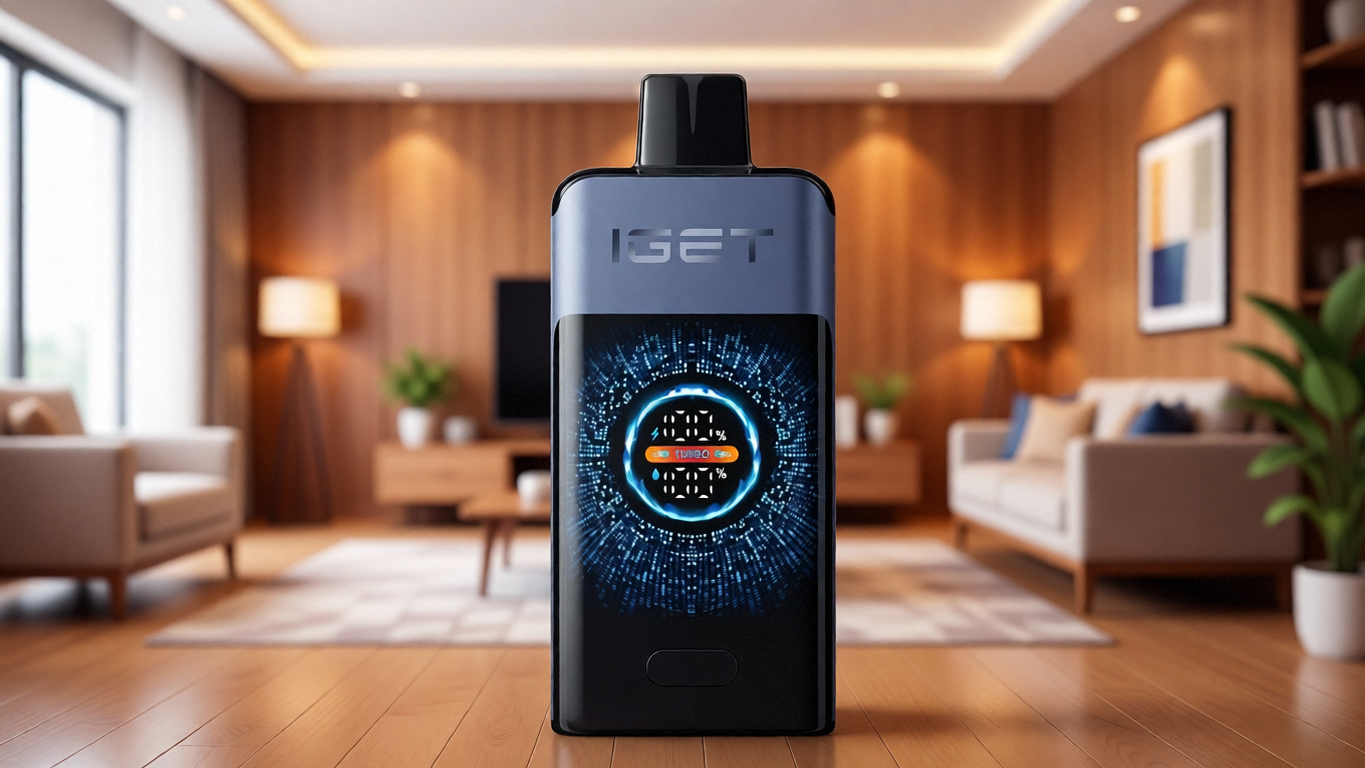
Take the ALIBARBAR INGOT 15000: it is engineered with a precise heating element and an airflow path that allows the user to tailor the draw resistance. A more open airflow setting typically delivers a cooler, less concentrated vapour, which reduces both the thermal component and the direct contact density on teeth. Its digital screen status indicator eliminates the guesswork around power levels, so you are not inadvertently starting a session on maximum output.
The Ice Adjust 12000 series goes a step further by offering a dedicated cooling sensation via the vapour stream—this does not change the actual temperature, but the menthol-like receptor activation can sometimes mask the perception of warmth, potentially misleading a user into extending a session beyond what is comfortable. Knowing this, an informed user might limit session length while using such a device after whitening.
What distinguishes these devices in this context is not any single feature but the combination of modular control, stable output, and status transparency. You know what the device is doing, and you can dial it down. That is an advantage over simpler configurations that deliver a fixed, high-energy output throughout a full session.
Of course, other device families with adjustable wattage and airflow exist; the principle applies regardless of brand. The key is to evaluate a device against the same criteria: Can I reliably lower the per-draw thermal load? Can I see when the power is climbing? Am I drawing through materials that maintain consistent output rather than spiking?
A Practical Framework for Resuming Use After Teeth Whitening
Rather than handing you a single number of hours to wait, which would ignore the variance in whitening methods and individual sensitivity, apply this step-by-step decision framework. It shifts control back to you.
Step 1 – Wait a minimum of 24 hours. If you have used a professional-strength, dentist-administered system, extend that window to 48 hours to allow the enamel pores to close and the acquired pellicle (the protective protein film) to re-form.
Step 2 – Perform a sensitivity self-check. Drink a glass of room-temperature water. If you notice any heightened sensitivity or a tingling sensation when the water hits your teeth, your dentin is still reactive. Extend the waiting period by another 12 hours and test again.
Step 3 – Select the gentlest device option available. Turn the airflow to its most open setting if the device supports it, use a lower power preset if applicable, and ensure the unit is fully charged so power delivery does not spike as the charge depletes.
Step 4 – Keep the first session brief. Three to four gentle draws, not a prolonged habitual pattern. Observe any delayed discomfort over the next hour.
Step 5 – Hydrate before, during, and after. Water rinses the oral cavity, buffers pH, and dilutes any acidic by-products. A dry mouth amplifies every negative variable.
Step 6 – Avoid strongly coloured or highly aromatic materials immediately. If you have a choice of flavour profile, opt for something clear, simple, and less likely to contain heavy chromogens during the first few days post-whitening.
This structured return is not overly restrictive, but it acknowledges that the mouth is a biological environment with active recovery processes, not an inert chamber.
Common Selection Errors and Industry Observations
Many capable adults undermine their results not because they ignore advice, but because they misapply it. In the rush to return to normal habits, three errors surface repeatedly.
First, assuming that visual similarity across device categories equals functional equivalence. A compact sealed unit with no airflow options and a fixed resistance element will produce a very different oral environment than a device with adjustable architecture. The absence of a visible flame does not mean the vapour stream is thermally uniform. Users who jump back in with a high-output, non-adjustable device often report discomfort that could have been avoided with a more configurable alternative.
Second, underrating the role of consistent output across a charge cycle. Some portable devices exhibit a gradual drop in performance as their internal power source depletes, prompting the user to draw harder and longer to compensate. The result is a hotter, denser plume at the moment the device should be cooling down. Selecting a unit with managed power delivery—often found in rechargeable, digitally governed models—minimises this unpredictable variable.
Third, confusing product marketing names with technical specifications. Terms like “cool,” “smooth,” or “soft” describe sensory impressions, not actual temperature or vapor particle size. Reading the specifications sheet—indicators of battery stability, resistance value tolerances, and airflow design—gives a more accurate picture of how the device will behave during your first post-whitening session.
From an industry standpoint, we are observing a gradual convergence. Manufacturers that previously treated output as a fixed characteristic are now adding variable airflow, status displays, and even session timers. This is a response to a user base that increasingly wants the kind of granular control over their experience that they expect from other consumer electronics. In the context of oral sensitivity, that shift is genuinely useful.
Frequently Asked Questions
Q: How long should I wait to vape after a professional teeth whitening session?
A: Wait 48 hours as a baseline. Some dental professionals advise up to 72 hours for severe sensitivity. Perform a cold-water sensitivity test before resuming.
Q: Is there a specific type of device that is safer for teeth after whitening?
A: No device eliminates the risk entirely, but those with adjustable airflow, stable power output, and lower temperature settings allow you to reduce the thermal and density load on enamel. Devices with clear status indicators help prevent accidental high-output sessions.
Q: Will vaping stain freshly whitened teeth immediately?
A: The immediate risk is not just staining from colour compounds; it is also the absorption of aroma molecules into the still-porous enamel. Staining can occur within the first few hours if you use a device with heavy chromogens. Even without visible staining, the chemical environment can interfere with re-mineralisation.
Q: Can I use a device with menthol or cooling sensations sooner?
A: The cooling sensation may mask thermal discomfort, but it does not reduce the actual temperature or chemical exposure. It is safer to wait the full recommended period, as you could inadvertently over-expose your teeth without realising it.
Q: Does nicotine affect the whitening process?
A: Nicotine itself, when delivered via an aerosol, can contribute to yellowing over time, but the greater post-whitening concern is the overall vapor composition and temperature, not a single compound. Still, all factors that cause enamel stain potential should be minimised during the first week.
Q: My device has a “low power” setting. Is it safe to use right after whitening?
A: A low power setting reduces heat and aerosol density, which is beneficial, but the waiting window should still be observed because the oral environment’s pH and the tooth surface’s porosity are independent of power level.
Q: What should I do if I vaped too soon and now my teeth hurt?
A: Discontinue use immediately. Rinse with lukewarm water. Use a toothpaste formulated for sensitive teeth, and if pain persists beyond 24 hours, contact your dentist. The sensitivity usually resolves once the enamel re-hardens, but repeated heavy exposure can prolong it.
Q: Are reusable, refillable devices better for post-whitening use than disposable ones?
A: The architecture matters more than the category. Some reusable devices offer adjustable settings, while some advanced sealed systems with airflow control can be equally gentle. Evaluate the features, not the form factor, using the criteria outlined earlier.
Q: Where can I find devices with the adjustable features you mention?
A: Standardised specification comparisons are a helpful shortcut. A dedicated platform that presents consistent technical data—such as airflow adjustability, power management type, and output indicators—lets you make an informed choice without relying on marketing copy alone.
Q: What is the single most reliable way to maintain whitening results?
A: Allow the full 48 hours of enamel recovery without any vapor exposure, hydrate continuously, and when you resume, use the gentlest device configuration you can achieve. Consistency in those first few days has a disproportionate influence on final results.
Conclusion
The question of whether you can use a personal electronic device after teeth whitening is not answered with a simple yes or no. It is answered by understanding that your enamel is temporarily vulnerable, that the aerosol you introduce carries both thermal and chemical potential, and that the device in your hand isn’t a neutral tool—it is a variable you can manage.
Waiting a full 48 hours and then returning with a configurable, predictably powered device will protect your whitening investment more effectively than any rushed workaround. At OZVAPE Shop, we believe that transparency about these interactions is part of treating adult users with respect, and our catalogue is structured so that performing a clear-eyed comparison between device architectures is the natural thing to do. Your teeth don’t care about brand names. They care about temperature, pH, and time. Give them a recovery window, and then make the choice that aligns with your actual routine, not the one that promises the most convenience.