
VAPE FAQs
Can You Vape After Getting Wisdom Teeth Out?
Oct
This article is for informational purposes only and does not constitute medical or dental advice. The content is based on widely accepted oral surgery guidance and published research, but individual healing varies. Always follow the specific instructions provided by your dentist or oral surgeon.
You’ve just had your wisdom teeth removed. The dull ache, the swelling, the careful diet — you’re ticking through the recovery checklist. Then comes a familiar impulse: the need for a moment of pause, a familiar ritual. If that ritual involves a personal vaporiser, the question surfaces quickly and with real weight: Can I vape after getting wisdom teeth out?
It’s a question that sits at the intersection of comfort, routine, and genuine medical risk. The short answer — the one any oral surgeon will give without hesitation — is no, you should not vape for at least several days after an extraction. The reasoning is rooted in the mechanics of healing, not opinion. But the why matters enormously, because understanding it prevents you from making a decision that could set your recovery back by weeks.
At OZVAPE Shop, we take the view that responsible device ownership includes understanding when a device shouldn’t be used. That’s why we’ve prepared this thorough, technically grounded explanation of the risks, the physiology, and the timeline — so you can weigh the evidence for yourself.
The Physiology of Oral Healing: Why Your Mouth Is So Vulnerable Right Now
After a tooth is extracted, the body immediately begins forming a blood clot in the socket. That clot is not a temporary patch; it’s the scaffolding for all subsequent healing. It protects the underlying bone and nerve endings, serves as a matrix for new tissue, and keeps the socket sealed against bacteria and debris.
The socket itself is an open wound in living bone. Exposed bone is exquisitely sensitive, not just to touch but to pressure changes and chemical irritants. For the first 48 to 72 hours, the clot remains relatively fragile. Even after it stabilises, the soft tissue that will eventually cover the socket takes days to weeks to fully mature.
This physiological reality means the mouth is, for a finite period, a system in a delicate equilibrium. Any disruption — mechanical, chemical, or thermal — risks breaking that equilibrium. Vaping disrupts it on multiple fronts simultaneously.
How Vaping Interferes With Post-Extraction Healing
Vaping is not a single action but a combination of mechanical forces, inhalational chemistry, and thermal exposure. Each affects a healing extraction site differently.
The Suction Risk: Dry Socket at a Glance
Dry socket (alveolar osteitis) occurs when the protective blood clot is dislodged or dissolves prematurely, leaving bone and nerves exposed. The pain is typically severe, radiating to the ear and temple, and standard over-the-counter analgesics provide little relief. Treatment often requires multiple visits to have the socket packed with medicated dressings.
The suction generated during a draw — whether from a cigarette, straw, or vaporiser — creates negative pressure in the oral cavity. This pressure differential can physically lift the clot out of the socket. Even a “gentle” pull on a device with high airflow creates a measurable low-pressure zone. Research on third-molar extraction consistently identifies suction as a primary preventable cause of dry socket.
Nicotine’s Vasoconstriction Effect
Nicotine is a potent vasoconstrictor: it narrows peripheral blood vessels. In a healing wound, blood supply is everything. Reduced circulation means fewer oxygen molecules, fewer immune cells, and slower removal of metabolic waste. The gum tissue around the socket relies on a rich capillary network that nicotine temporarily chokes off. When this happens repeatedly — even a few times a day — the cumulative impact is a measurable delay in soft tissue closure and an elevated infection risk.
This is not a theoretical concern. Multiple controlled studies have shown that nicotine use after oral surgery significantly prolongs healing time and increases the incidence of postoperative complications.
Heat, Particulates, and Chemical Irritation
The aerosol produced by a personal vaporiser — even a low-temperature device — is warmer than ambient air and contains fine particulates, propylene glycol, glycerol, and flavour compounds. For intact oral mucosa, these are largely unremarkable. For a raw surgical wound, they represent a continuous low-grade insult. Heat increases local inflammation. The desiccating property of propylene glycol and glycerol can draw moisture from healing tissue. Flavour compounds, particularly acidic or cinnamon-derived ones, can sting and disrupt the fibrin matrix.
The Bacterial Dimension
The mouth is not sterile. Vaping introduces a device that has been handled, stored in pockets, and exposed to environmental flora. Even with scrupulous hygiene, the mouthpiece carries a bacterial load. Pressing it against lips that are still slightly swollen from surgery, where the extraction site may still be oozing, creates a pathway for microorganisms to directly inoculate the socket. Deep, warm, nutrient-rich — a compromised clot is an ideal culture medium.
Beyond Dry Socket: Other Complications
Dry socket dominates the conversation for good reason, but it is far from the only concern.
Delayed wound closure: When tissue perfusion drops due to nicotine, epithelial migration across the socket slows. This leaves the wound open for longer, increasing the chance of secondary infection.
Trismus and muscle strain: The act of forming a seal around a mouthpiece and drawing requires facial muscle engagement, including the masseter and buccinator muscles. In the days after a difficult lower third-molar extraction, these muscles can be tender and inflamed. Unnecessary use worsens trismus and discomfort.
Haemostasis disruption: The thermal and mechanical stress of vaping can cause minor re‑bleeding from capillaries that had just sealed.
The collective evidence is unambiguous: a single vaping session in the first three days can cascade into a complication that demands intervention.
When Is It Safe to Vape Again? A Staged Timeline
There is no universal switch-flip moment. Healing proceeds along a continuum, and the right decision is based on clinical milestones, not calendar hours. The following is a framework that aligns with oral surgery guidelines.
| Healing Stage | Typical Timeframe | Clinical Signs | Vaping Risk Assessment |
|---|---|---|---|
| Acute clot formation | Day 1–3 | Oozing stopped, clot visible, socket tender | Highest risk. Any suction can dislodge clot. Avoid all vaping. |
| Early tissue organisation | Day 4–7 | Clot appears firm, granulation tissue begins, tenderness decreasing | Moderate risk. Gentle, low-suction draws might not dislodge a healthy clot, but nicotine still impairs healing. Most dentists advise waiting. |
| Soft tissue closure | Day 7–14 | Socket covered by pink tissue, no visible clot, minimal tenderness | Lower risk. The protective seal is progressing. Suction is less likely to expose bone. Nicotine effects remain a concern for complete healing. |
| Full epithelialisation | 2 weeks+ | Smooth tissue over socket, normal oral function | Minimal risk. Provided there is no lingering complication, normal device use is generally acceptable. |
The consensus recommendation from oral and maxillofacial surgeons is to wait a minimum of 72 hours, and ideally one full week, before any non-essential activity that involves suction. For those who can manage longer, allowing the socket to fully close over (around two weeks) is the safest path.
If you are using nicotine-containing e‑liquids, the vasoconstriction effect means the window for safe resumption should be extended further. Many clinicians recommend abstaining for at least 10 days, particularly after complex or multiple extractions.
If You Must Use a Device During Recovery (And You Really Shouldn’t): Harm Reduction Notes
We provide this section with genuine reluctance, because the safest course remains complete avoidance. However, if abstinence is not a realistic outcome for you, there are measures that reduce — but do not eliminate — the risk.
Cover the socket with damp sterile gauze: Bite down gently on a rolled piece of gauze placed directly over the extraction site. This creates a physical barrier that can partially shield the clot from pressure changes. Replace it after each use.
Avoid forming a tight seal: Use a device that allows an exceptionally loose mouth fit, so you are not creating a strong vacuum inside the mouth. Some devices with wide-bore drip tips can help, but the draw remains a risk.
Draw with minimised effort: If you must inhale, do so as gently as a normal breath — not the prolonged, deliberate pull typical of many devices.
Choose a device without nicotine: This removes the vasoconstriction issue. Even then, the suction and particulate exposure remain.
Do not chain-use: One minimal exposure per day is inherently safer than frequent, repeated stress on the socket.
Be fully aware: even with all these precautions, cases of dry socket after “gentle” vaping have been documented. The only reliable prevention is to wait.
Choosing a Device for Post-Recovery Use: What Matters When Your Mouth Has Healed
Once you are fully cleared by your dentist and all sockets have closed with healthy soft tissue, the question shifts from “can I?” to “what should I use?”. After a period of forced abstinence, many adults reassess their device preferences. This is exactly the kind of considered decision that separates a satisfactory long‑term experience from an irritating one.
When you return to use, look for devices that give you predictable, gentle operation and transparent status feedback. The last thing you want is a device that delivers inconsistent output or dies without warning, prompting you to draw harder — something your post‑surgical mouth may still not be ready for.
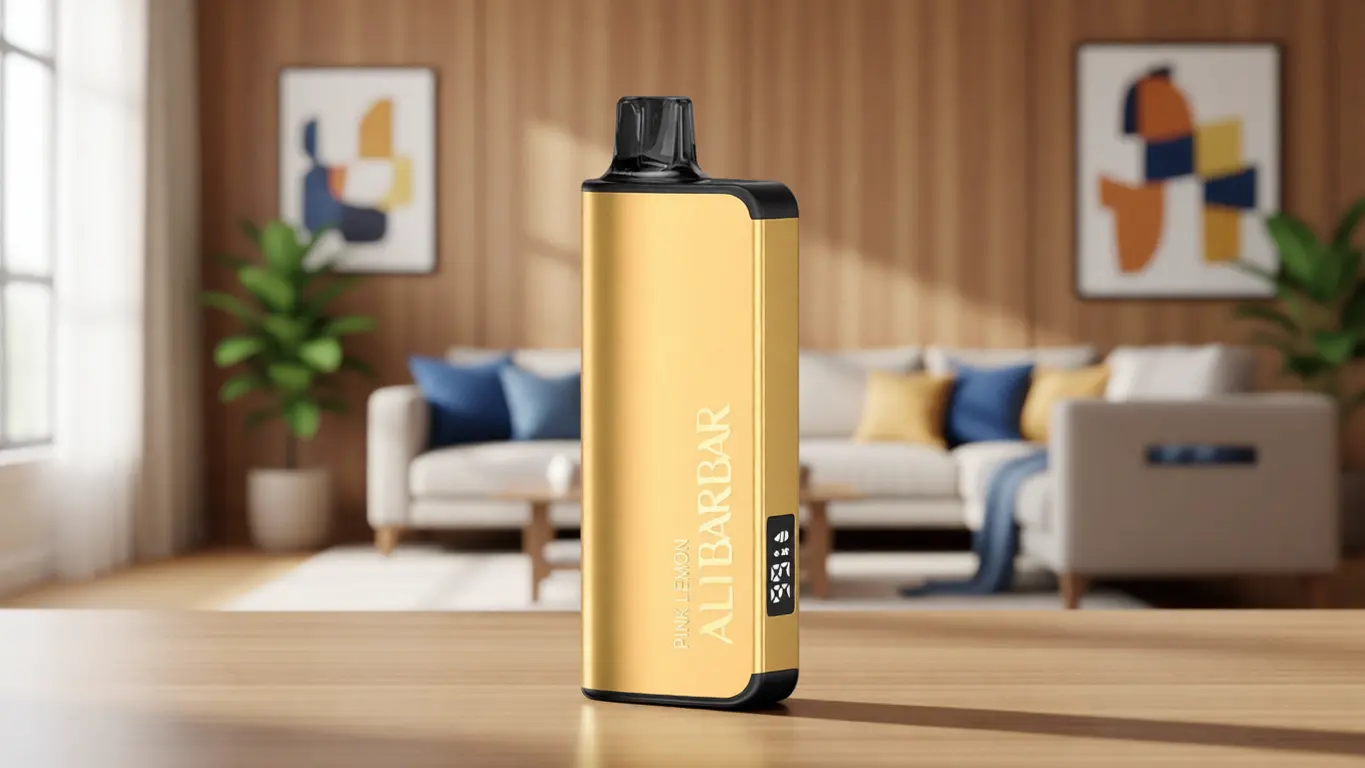
The ALIBARBAR range, including the Ice Adjust 12000 and other series, is engineered around some of these exact concerns. Features like adjustable power settings and clear battery-level indicators let you tailor the experience to your current tolerance, while factory‑certified quality control ensures that what you are inhaling is free of unexpected contaminants. Devices with consistent thermal management and well‑calibrated airflow deliver a smoother, lower‑effort draw, which can be particularly welcome after oral surgery recovery.
The key is not any single brand but rather the principle: choose a device that respects your body’s gradual return to normal function. When you’re still healing, predictability matters more than performance.
Frequently Asked Questions
Q: Can I use a vape if I cover the extraction site with gauze?
A: Covering the site reduces mechanical disturbance but does not eliminate the risk. Suction pressure can still reach the socket around the gauze edges. Oral surgeons still advise against it during the high‑risk window.
Q: How long does dry socket take to develop after vaping?
A: Symptoms usually appear 2 to 4 days after the clot is lost. If you vape on day 2 and dislodge the clot, pain may start within 24 hours and worsen rapidly.
Q: Are nicotine-free e‑liquids safe after an extraction?
A: They remove the vasoconstriction problem, but the suction, heat, and particulate exposure remain. They are lower‑risk than nicotine‑containing products, but not risk‑free.
Q: Will a dentist know I’ve been vaping?
A: Possibly. Signs like a dislodged clot, delayed healing, or the distinctive appearance of a chemically irritated wound may prompt questioning. Being honest helps them provide appropriate treatment.
Q: Can I use a device through my nose to avoid suction in my mouth?
A: Some users attempt this, but it is not recommended. Nasal mucosa can be irritated, and you cannot properly gauge the pressure being applied to the oral cavity. It does not reliably protect the socket.
Q: What if I only have a minor extraction, like a small upper wisdom tooth?
A: Upper extractions do carry a lower dry socket risk than lower molars, but the risk is still present, particularly with nicotine. Standard healing precautions apply.
Q: Does drinking through a straw carry the same risk as vaping?
A: Yes. The suction mechanism is the same. Straws are prohibited for the same reason: they can dislodge the clot.
Q: Is it safe to vape after the stitches have dissolved?
A: Sutures help hold tissue together but do not seal the socket completely. The underlying clot can still be disturbed until the tissue is fully closed. Wait until your dentist confirms healing, not just suture loss.
Q: Can I use a high‑VG e‑liquid for less irritation?
A: VG alone does not eliminate suction or heat. While high‑VG liquids may feel smoother on healed tissue, they do not make vaping safe for a fresh wound.
Q: I vaped once, and nothing happened — does that mean I’m fine?
A: A single uneventful exposure is not a guarantee. Some dislodgements are partial or slow, and symptoms may take a day to manifest. It is still better to stop and allow full healing.
The Only Right Answer Is Patience
Your body is running a precise biological program to close a wound in bone. That program does not accommodate convenience, habit, or the belief that you can outsmart it. Every year, oral surgery clinics treat patients whose recoveries derailed not because of a major trauma, but because of a moment’s decision to draw on a device.
The information in this article is intended to help you understand why the advice is what it is, so you can make an informed choice — not just follow a rule by rote. When you understand what that clot is doing, what suction actually does, and how nicotine starves healing tissue, the decision becomes self-evident.
At OZVAPE Shop, we serve thousands of adults who rely on their devices daily. We also believe that the most credible information source is one that doesn’t dodge inconvenient truths. There will be plenty of time to enjoy a quality device after your mouth has fully recovered. When that day arrives, factory‑certified, thoughtfully engineered options will still be here — and you’ll be able to appreciate them without a throbbing jaw reminding you of what you should have done differently.
The right choice is the one that matches your actual recovery, not the one that feels most familiar. Give your body the window it needs. The rest can wait.