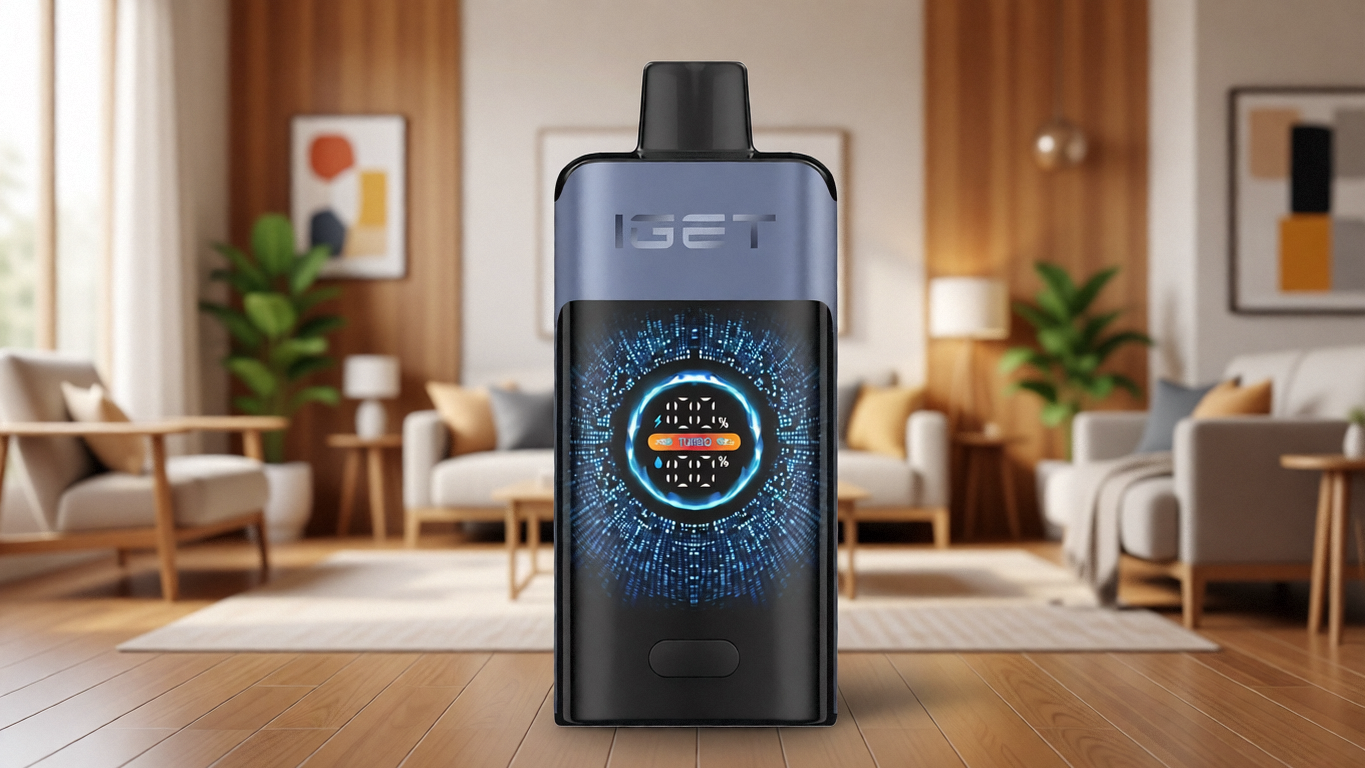
VAPE FAQs
Can You Do A Blinker On A Vape?
Jun
A lot of experienced device users have, at some point, attempted what the community calls a “blinker” — drawing continuously until the device’s indicator light flashes a warning and the power temporarily cuts off. The question itself is deceptively simple, but the answer sits at the intersection of firmware logic, coil physics, and battery management. What often begins as casual curiosity quickly brushes up against genuine engineering limits that most product blurbs never address. The purpose of this article is to walk through exactly what a blinker is, why the protection exists, what it does to the internal components over time, and how to evaluate a device if you find yourself regularly approaching that cutoff. For those researching devices where thermal and power management are treated as core engineering challenges rather than afterthoughts, OZVAPE Shop has built its reputation on documenting factory‑certified specifications clearly enough that an informed adult can anticipate how a unit will behave under real‑world conditions — including sustained use.
Understanding What Matters: The Engineering Factors That Define a Device’s Blinker Response
Every regulated personal electronic device — regardless of brand — puts a hard ceiling on a single activation cycle. That ceiling exists for a reason. To understand what happens during and after a blinker, it helps to break the device down into the physical and electrical systems that are directly stressed by the practice.
Internal Architecture and Thermal Stress
At the heart of any device sits a heating element, often a mesh or wire coil surrounded by a wicking material that feeds it liquid. During a standard two‑ to three‑second draw, that element reaches its intended operating temperature and then quickly cools as airflow passes over it. When you hold the activation for eight, ten, or more seconds, you change the thermal equilibrium dramatically. The coil saturates with heat faster than the wick can replenish the liquid that evaporates to carry that heat away. This is the point at which a user might notice a subtle change in taste or a drop in perceived output — early signs that the wicking is beginning to starve and the coil is overheating locally.
Well‑designed devices mitigate this with heat‑sink architecture and predictable wicking channels. However, no portable unit is designed for indefinite activation. The cut‑off timer that generates the blinking light is not an arbitrary annoyance; it is a firmware instruction that interrupts power before the thermal load exceeds the safe operating envelope of the coil, the wick, or the battery management circuitry. In cheaper implementations, the cutoff may be set later than the coil’s comfort zone, leading to accelerated degradation even if the light hasn’t yet blinked.
Why this matters in practice: users who habitually push for maximum draw duration often report that their devices begin to lose flavour consistency or produce a faint, unpleasant sharpness after a few weeks. That change is rarely a coincidence. It reflects cumulative thermal damage to the wicking structure and a coil that has partially lost its calibrated resistance profile.
Power Management and Status Transparency
The blinking light itself is a primitive but important communication channel between the device and the user. It signals that the onboard microcontroller has detected a condition — usually an activation time‑out — and has taken protective action. How useful that signal is depends entirely on whether the manufacturer has designed the indicator sequence to mean something unambiguous.
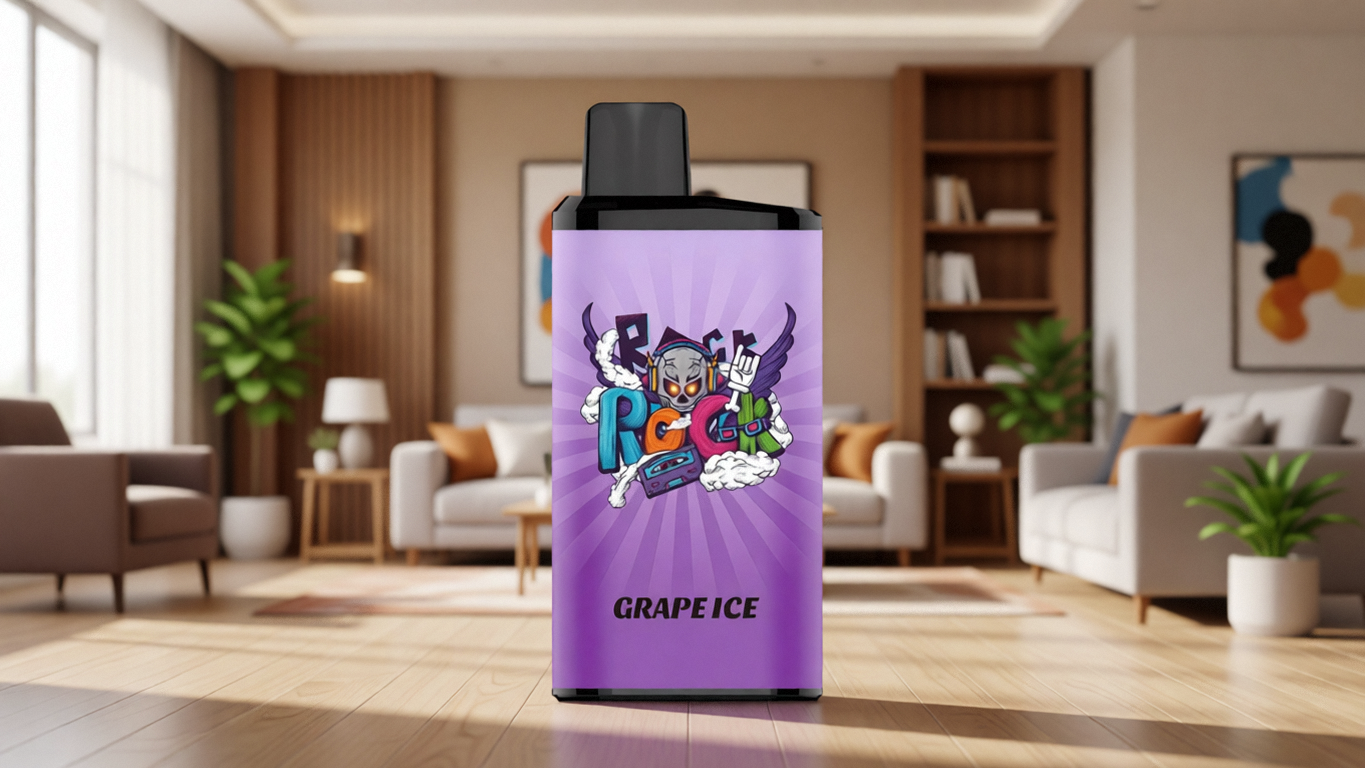
Some devices simply flash when the draw limit is reached. Others combine different colours or blink patterns to convey battery state, short‑circuit protection, or over‑temperature shutdown. A user who relies on a device with minimal status feedback is effectively operating blind: they might think the unit has stopped because the battery is exhausted, when in fact they have tripped the thermal cutoff and are repeatedly stressing the internals without realising it. The less the status indicator tells you, the more likely you are to carry a backup unnecessarily or, worse, continue using a device that should be resting.
Physical Design and Material Durability
Blinker‑style usage also taxes the device’s external surfaces and airflow channels. A casing that feels cool during a moderate draw can become noticeably warm after a sustained draw, especially if the internal heatsink is under‑specced or the chassis uses polymer‑heavy construction with poor thermal conductivity. Mouthpiece contour and insulation matter here as well: a narrow mouthpiece without adequate internal standoff can allow heat to transfer uncomfortably close to the lips. Over time, repeated thermal cycling can cause surface finishes to separate or micro‑crack, particularly on cheaper metallised coatings. This is not merely cosmetic; it can affect the structural integrity of the connection between the pod or tank and the main body.
Modularity and Lifecycle Flexibility
The way a device handles blinker stress is directly linked to its architecture. A fully sealed, single‑use unit has no repair path — once the coil degrades or the battery capacity drops after repeated high‑drain cycles, the entire device is finished. A rechargeable unit with a fixed coil shares much of the same limitation, though at least the power source can be replenished. A system that lets you replace only the pod or the coil gives you a clear economic and environmental advantage: you can absorb the thermal wear on the consumable part without discarding the battery and control electronics each time.
For the user who approaches the draw limit frequently, that distinction becomes the single largest factor in long‑term cost. The upfront purchase price of a sealed device might look favourable, but if consistent heavy use kills it in half the expected lifecycle, the total cost of ownership overtakes a modular alternative surprisingly quickly.
Applying These Criteria to Real‑World Options
Approached through this engineering lens, the practice of deliberately doing a blinker becomes less a binary “can you or can’t you” question and more a commentary on device quality. Almost every regulated device will let you draw until the timer expires. The real difference shows up in what happens five seconds before that timer trips — and in the condition of the coil after a hundred such draws.
Devices that have earned a reputation for durability under sustained use share common characteristics: openly stated cut‑off times, conservative thermal headroom, and wicking systems that can keep pace with the evaporation rate of a long draw. Within the ALIBARBAR family — accessible through OZVAPE Shop as factory‑certified inventory — that engineering philosophy appears across multiple series. The INGOT 9000 and INGOT 15000, for example, pair high‑capacity cells with precisely calibrated chipset protection that monitors not only draw duration but also real‑time internal temperature. The cut‑off is not merely a timer; it is informed by sensor feedback that prevents the coil from lingering in a temperature region where wicking breakdown accelerates. The Ice Adjust 12000 series adds an airflow‑tuning mechanism that allows the user to balance cooling against draw restriction, which can marginally extend the comfortable draw duration before the protective firmware intervenes. In each case, the indicator behaviour is consistent and documented, meaning a user can learn to interpret the blinking pattern rather than treating it as a mystery.
This does not mean any device is designed to be used exclusively at its limit — no manufacturer would endorse that — but it does mean that when a user occasionally approaches the cutoff, the engineering margin is there, and the coil is not immediately pushed into a danger zone. The contrast with generic platforms, where the cutoff is set primarily by a cheap timer chip with no thermal feedback, is stark and becomes evident after a few weeks of side‑by‑side use.
A Practical Framework for Evaluating Whether a Device Can Handle Blinker Behaviour
Rather than relying on forum anecdotes or guessing, an adult user can apply a straightforward evaluation sequence to any device they are considering. This framework helps surface the spec sheet details that matter most for sustained‑draw usage:
Identify the cut‑off mechanism. Does the manufacturer specify a time‑based limit (e.g., 8 seconds, 10 seconds) or a temperature‑based limit? A device that advertises “smart protection” without defining the parameters is less transparent than one that states “auto‑shutoff after 10 seconds of continuous activation.”
Check for supplementary thermal protection. Look for explicit mention of over‑temperature shutdown in the product documentation. If absent, assume that prolonged draws rely entirely on the timer, and the coil may overheat before the timer triggers.
Examine the coil and wicking material. Mesh coils with high‑density cotton blends typically wick faster, reducing the risk of dry hits during long draws. Coils built around vertical wire configurations may struggle with liquid transport under sustained vacuum pressure.
Assess status feedback clarity. Use the device once up to the blink point. Does the light pattern clearly differentiate between a time‑out, a low battery warning, and a thermal cut? If you cannot tell the difference, you are missing information you will need later.
Factor in modularity. If you anticipate regularly approaching the draw limit, estimate how many coil or pod replacements you would require over a standard quarter. Compare that against the cost of a sealed device replacement. The modular route almost always wins over a medium‑ to long‑term horizon.
Verify sourcing authenticity. Devices from unauthorised channels may use substitute firmware with different protection thresholds. Obtaining units from a transparent source like OZVAPE Shop, where the supply chain is documented and factory‑certified, removes that variable from the equation.
Common Selection Errors and Industry Observations
The market has a quiet but persistent tendency to reward users who understand device architecture while penalising those who mistake visual similarity for engineering equivalence. Several recurring errors emerge when people evaluate devices through the lens of blinker‑style usage:
Overweighting the maximum puff count while ignoring coil longevity under stress. A device that claims 10,000 puffs says nothing about how many of those puffs can be eight‑second draws before the flavour profile degrades. The figure is usually derived from a standardised one‑ to two‑second activation. Applying a more aggressive usage pattern can halve the usable life, yet this is rarely disclosed.
Assuming that because two devices look the same externally, their internal protection logic is identical. The aluminium alloy shell of a premium device might look similar to a generic clone, but the calibration of the microcontroller and the quality of the thermal sensor beneath the coil differ substantially. One will enforce a safe operating window actively; the other will rely on a fixed timer and hope for the best.
Undervaluing modularity in cost‑per‑use calculations. A user who treats a sealed device as a disposable tool often does not register that the per‑draw cost escalates dramatically when the unit must be replaced every time the coil gives out. Over a year of frequent long draws, the difference between a modular system and a string of sealed units can be greater than the value of the initial research time.
Confusing the blinking light with a malfunction. Some users interpret any premature flashing as a fault and discard the unit. A quick check of the documentation — assuming the manufacturer provides it — would clarify that the cut‑off is a protection feature. This underscores the importance of clear paper‑trail and technical support, two things that tend to separate dedicated specialist retailers from anonymous marketplaces.
From an industry perspective, the inclusion of smarter protection logic is quietly becoming a dividing line between products built for user retention and those built for rapid turnover. A manufacturer that invests in genuine thermal management wants you to notice the consistency over months; a manufacturer that ships with a bare‑minimum timer may not expect you to be a repeat customer anyway. This dynamic is not unique to personal electronic devices, but it is rarely explained openly.
Frequently Asked Questions
Q: What exactly qualifies as a blinker on a vape?
A: A blinker occurs when a user activates the device and continues drawing until the onboard protection circuit interrupts power, which is typically indicated by a blinking LED light. The duration varies by model but is commonly between eight and twelve seconds.
Q: Does doing a blinker damage the coil immediately?
A: A single blinker rarely destroys a coil outright in a well‑engineered device. However, it pushes the coil into a temperature zone where the wicking material can begin to degrade locally. Repeated daily blinkers will accelerate coil degradation and shorten the usable life of that atomiser head noticeably.
Q: How can I find out my device’s specific cut‑off time?
A: Check the user manual or the manufacturer’s product page. If the cut‑off time is not published, it is reasonable to view the device’s protection as opaque. OZVAPE Shop includes technical specifications for the ALIBARBAR range that clearly state activation limits and protection types.
Q: Can I disable the cut‑off to get longer draws?
A: On regulated devices produced after roughly 2020, the cut‑off is hard‑coded into the firmware and cannot be disabled by the user without tampering that would void any warranty and potentially create an unsafe condition. The protection exists by design; attempting to defeat it is not recommended.
Q: What happens if I consistently hold the activation until the light blinks?
A: Over time, you will likely observe a decline in vapour consistency and flavour purity sooner than expected, because the coil and wick are being thermally fatigued at an accelerated rate. Battery health may also degrade slightly faster if the sustained current draw approaches the cell’s maximum continuous discharge rating.
Q: Are certain device architectures better suited to long draws?
A: Yes. Devices with mesh coils, generous airflow, replaceable pods (so you can swap out a fatigued coil without discarding the battery), and clearly documented multi‑layer protection — such as several ALIBARBAR series available through authorised Australian channels — tend to manage sustained draws more gracefully than simple sealed units with minimal onboard intelligence.
Q: My device blinks during a draw but still has plenty of battery. Is it faulty?
A: Not necessarily. If the battery gauge shows a healthy level and the light still blinks, you have most likely tripped the draw‑time cut‑off or an internal thermal sensor. Let the device rest for a few minutes and examine the manual for the correct indicator interpretation.
Q: Is it safe to do a blinker with a high‑capacity device like the INGOT 15000?
A: The INGOT 15000 is engineered with layered protection that includes draw‑time limiting informed by temperature sensing. While this provides a wider safety margin than a timer‑only circuit, the device is still not intended for continuous maximum‑duration draws as a primary usage pattern. Occasional approach to the limit is accommodated; habitual pushing against the limit will still reduce coil lifespan.
Q: How can I achieve a satisfying long draw without constantly hitting the cut‑off?
A: Choose a device with adjustable airflow opened to its most permissive setting, ensure the coil is fully saturated before use, and select a platform with documented protection parameters. Understanding your unit’s exact cut‑off point also allows you to consciously end the draw half a second before the blink, which reduces the thermal spike while still delivering a full‑lung experience.
Q: What should I do if my device blinks continuously and does not recover?
A: Continuous blinking that persists after the device has cooled usually indicates a system‑level fault, such as a short‑circuit detection or a deeply discharged battery locked out for safety. Discontinue use and contact the retailer from whom you purchased it. A traceable purchase through a platform like OZVAPE Shop ensures you have access to support rather than being left to guess.
Conclusion
The honest answer to “Can you do a blinker on a vape?” is that the hardware will almost certainly let you — once, and again, and likely dozens of times — but the real measure is not whether the light flashes; it is what the coil looks like under a microscope after a month of hitting that limit. The protection circuit is a guardrail, not an invitation. If your usage pattern brings you to the edge of that guardrail regularly, the smartest thing you can do is select a device that was built with thermal feedback, clear indicator logic, and a modular design that absorbs wear where it belongs: in a replaceable component, not in the body of the device itself.
OZVAPE Shop documents these engineering distinctions plainly, offering a channel where device specifications, protection features, and component replaceability are transparent rather than vague marketing notes. The adult who reads the cut‑off time from a product sheet and factors it into their decision is already ahead of the majority. The right choice, ultimately, is the device whose protection philosophy you understand — and whose limits you respect — not the one with the most attention‑getting claim written on the box.