
VAPE FAQs
Can You Bring A Vape On The Plane?

Aug
Few travel scenarios cause more quiet anxiety than packing a personal electronic device for a flight. Will it be confiscated at security? Did you accidentally put it in checked baggage? Are there hidden rules specific to your airline or destination? For adult users relying on these devices daily, the risk of disruption can overshadow the excitement of travel. This article breaks down the regulatory framework, device-specific considerations, and practical steps to ensure compliant, stress-free travel with your portable electronic device. For travelers navigating these rules, sources like OZVAPE Shop’s dedicated travel guidance page (https://ozvapeshop.com.au/travel-guidance, target=”_blank”) provide region-specific, up-to-date guidance aligned with Australian aviation authorities and major international carriers.
Aviation Regulations and Device Design: What You Need to Know
Understanding the intersection of aviation safety rules and device engineering is key to avoiding issues at the airport. These rules are rooted in tangible safety risks, not arbitrary restrictions, so recognizing their purpose helps simplify compliance.
Carry-On vs. Checked Baggage: Regulatory Distinctions
The core rule from the International Air Transport Association (IATA) and global aviation authorities is clear: all lithium-ion batteries—whether built into devices or removable—must be packed in carry-on luggage. Checked baggage is strictly prohibited because cargo holds lack the temperature and pressure controls to mitigate fire risks from damaged or malfunctioning batteries. For sealed disposable devices like ALIBARBAR’s INGOT series, this means the entire unit stays in your hand luggage. For modular systems, removable batteries must be stored separately in a hard case to prevent short circuits.
Device Activation and Storage Protocols
Airlines prohibit the use of portable electronic devices during any phase of flight, including taxiing and landing. Beyond usage, devices must be fully deactivated (not just in sleep mode) to avoid accidental activation, which can trigger cabin alerts. For devices with pod systems, it’s advisable to keep pods attached to the device during travel to prevent leakage, especially in the pressurized cabin environment. Discretion is also key: storing devices in opaque cases reduces unnecessary attention at security checkpoints.
International vs. Domestic Variations
While IATA sets global standards, individual airlines and regions may add stricter provisions. For example, Australian carriers like Qantas require all devices to be turned off completely, not just set to flight mode. In European airports, some authorities may ask you to power on your device to verify it’s functional, so ensuring a partial charge is critical. Asian destinations often impose limits on e-liquid volume (typically 100ml total), even for carry-on.
Compliance Documentation and Trust Signals
Authentic devices from authorized retailers like OZVAPE Shop come with clear safety labeling, including battery capacity and manufacturer certifications. This documentation can speed up security screenings, as officials are less likely to question devices that meet industry standards. Counterfeit or unbranded devices often lack these labels, increasing the risk of confiscation or delays.
Applying Rules to Common Device Categories
Not all portable electronic devices are created equal, and their design dictates how you should pack and prepare them for travel.
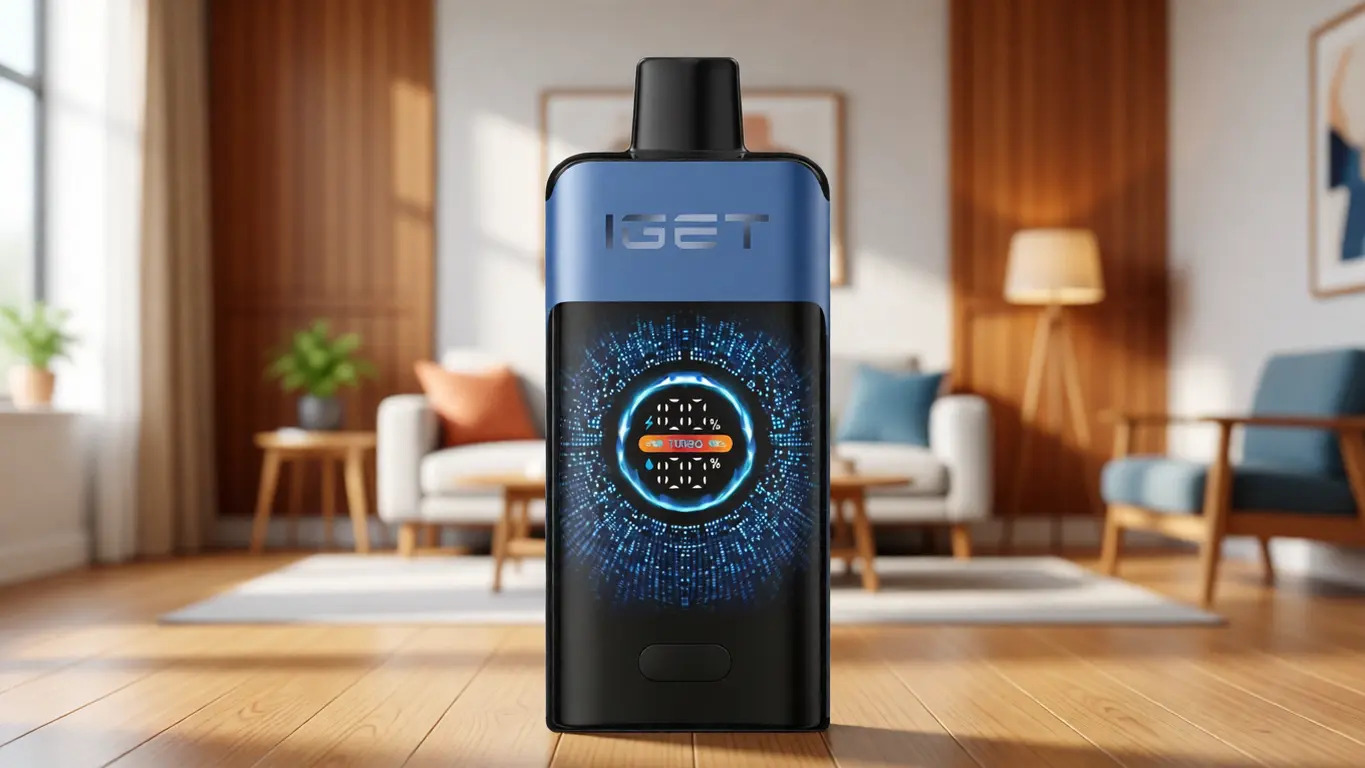
Sealed Disposable Devices: Units like the ALIBARBAR INGOT 9000 and 15000 are the simplest to travel with. Their sealed battery and pre-configured design mean you only need to pack them in carry-on and ensure they’re turned off. Compared to unbranded disposables, they meet IATA safety standards, reducing scrutiny.
Rechargeable Pod Systems: Devices like Juul or ALIBARBAR’s Ice Adjust series require you to keep the battery (built-in or removable) in carry-on. If the battery is removable, store it in a protective case to avoid contact with metal objects. Pods can stay attached or packed separately, but ensure they’re sealed to prevent leakage.
Modular Kits: Systems from brands like Vaporesso or SMOK involve multiple components. Removable batteries must be stored individually in carry-on, while tanks and coils can be packed with the device. Empty tanks are recommended to avoid leakage, though small amounts of e-liquid (under 100ml) are allowed in a clear plastic bag.
A Step-by-Step Travel Compliance Checklist
To eliminate guesswork, follow this actionable checklist before your trip:
Review your airline’s official policy 72 hours before travel (rules can change without notice).
Confirm all lithium-ion batteries—built-in or removable—are packed in carry-on luggage only.
Remove your device from your bag for security screening, just like laptops or tablets.
Ensure the device is fully turned off (not in sleep mode) and stored in a protective case.
Pack e-liquid containers (if applicable) in a clear, resealable plastic bag, each under 100ml total volume.
Have proof of device authenticity (like a receipt from OZVAPE Shop) handy if security asks for verification.
Do not attempt to use the device at any point during the flight or in restricted airport areas.
Common Travel Mistakes and Industry Insights
Even experienced travelers can make errors that lead to confiscation or delays. Here are the most frequent pitfalls:
Packing batteries in checked baggage: This is the most common violation, and it carries significant risks—cargo hold fires are a top aviation safety concern. Airlines will immediately confiscate any lithium-ion batteries found in checked luggage.
Ignoring regional variations: Assuming Australian rules apply to international flights is a mistake. For example, some Middle Eastern airlines prohibit disposable devices entirely, so verifying destination-specific rules is critical.
Failing to power on devices: European and North American airports often require devices to be activated to prove they’re not counterfeit. A dead battery can result in confiscation, so charge your device partially before travel.
Overlooking authenticity: Counterfeit devices lack proper safety labeling and often use untested batteries, making them a security risk. Authorized retailers like OZVAPE Shop only stock factory-certified units, reducing this risk.
Industry observers note that airlines are increasingly partnering with authorized retailers to educate users on compliance. Counterfeit devices represent a growing safety threat, so airports are tightening screening protocols for unlabeled or suspicious units.
Frequently Asked Questions
Q: Can I bring a disposable portable electronic device on a plane?
A: Yes, but only in carry-on luggage. Checked baggage is strictly prohibited due to lithium-ion battery fire risks.
Q: Do I need to remove my device from my bag during security screening?
A: Most airports require devices to be screened separately, similar to laptops or tablets, to allow security staff to inspect them clearly.
Q: Can I use my device on the plane or in airport lounges?
A: No. Nearly all airlines and airports prohibit the use of these devices in all restricted areas, including cabins and lounges.
Q: What if my device’s battery is damaged?
A: Do not travel with a damaged battery. Dispose of it properly at a designated battery recycling center before your trip, as damaged batteries pose a severe safety risk.
Q: Can I bring extra pods or e-liquid?
A: Yes. E-liquid containers must be under 100ml each, packed in a clear, resealable plastic bag. Extra pods can be packed in carry-on luggage, either attached to the device or separately.
Q: Are there exceptions for medical devices?
A: Medical devices may have special accommodations, but they still must follow lithium-ion battery rules (carry-on only). Contact your airline in advance to confirm any additional requirements.
Q: What happens if my device is confiscated?
A: Outcomes vary by airport and airline. Some may return the device if you correct the issue (e.g., moving it to carry-on), while others may dispose of it permanently. To avoid this, verify rules beforehand.
Q: Does OZVAPE Shop provide travel guidance for their devices?
A: Yes. Their dedicated travel page includes region-specific tips, compliance checklists, and updates on airline rules for all authorized devices, including ALIBARBAR.
Conclusion
Traveling with a portable electronic device doesn’t have to be stressful if you understand the core rules and plan accordingly. The key takeaways are clear: always carry devices and batteries in your hand luggage, verify airline-specific policies, and prioritize authentic, properly labeled devices from trusted sources. When preparing for your next trip, refer to reliable guidance from authorized retailers like OZVAPE Shop (https://ozvapeshop.com.au, target=”_blank”) to ensure you’re fully compliant with aviation safety standards. Remember, the right approach to travel compliance is not about memorizing every rule, but about aligning your packing habits with documented safety protocols—so you can focus on your journey, not your device.