
VAPE FAQs
Can U Vape With Whitening Strips On?
Jul
Anyone who has committed to a whitening regimen knows the frustration: a strip is in place, the clock is ticking, and the urge to maintain one’s routine — including vaping — creates an immediate conflict. The question of whether you can vape with whitening strips on is not a simple yes or no. It involves understanding how both activities interact with the oral environment, what chemical and physical processes are at play, and ultimately how to avoid undermining the investment you have made in either habit.
Understanding the Whitening Strip Mechanism
Whitening strips work through a straightforward chemical principle. The active agent — typically hydrogen peroxide or carbamide peroxide — is held against the tooth surface for a prescribed duration. During this time, the peroxide breaks down into oxygen radicals that penetrate dental enamel and break apart the molecular bonds holding stain compounds in place. The result is a visibly lighter tooth surface.
Several factors influence how effectively this process works:
Contact time: The strip must remain undisturbed against the enamel for the full recommended duration
Saliva management: Excess saliva can dilute the active agent or dislodge the strip
Temperature stability: Heat can accelerate peroxide decomposition, reducing total exposure time
Surface cleanliness: Any film or coating on the enamel can prevent peroxide penetration
Why Vaping Interferes With Whitening
When a person vapes, they introduce a heated aerosol into the oral cavity. This aerosol consists primarily of propylene glycol, vegetable glycerin, nicotine, and flavouring agents. Each component has implications for an active whitening treatment.
Physical Displacement
The most immediate issue is mechanical. An active draw on a device creates negative pressure in the oral cavity, followed by exhalation of the aerosol. This movement can shift a whitening strip that relies on close enamel contact. Even partial lift reduces the strip’s effectiveness because the peroxide loses intimate contact with the tooth surface.
| Indicator | With Strip Uninterrupted | With Vaping During Treatment |
|---|---|---|
| Enamel contact | Full surface coverage for entire period | Intermittent contact, gaps possible |
| Active agent dilution | Minimal | Increased by aerosol mixing |
| Treatment duration | Precise | Extended needlessly or shortened prematurely |
| Result consistency | Predictable | Variable, often reduced |
Temperature Considerations
The aerosol produced by a vaping device is heated — typical operating temperatures range between 150°C and 250°C before cooling through the mouthpiece and oral cavity. While the aerosol cools significantly by the time it contacts the teeth, it is still well above ambient oral temperature. Heat accelerates the decomposition rate of hydrogen peroxide. This means that the active whitening agent may break down faster than intended, reducing its ability to work over the full recommended treatment duration.
Chemical Interference
Propylene glycol and vegetable glycerin are humectants — they attract and retain moisture. When deposited on tooth surfaces during vaping, these compounds form a thin film. This film can act as a physical barrier between the whitening strip’s peroxide and the enamel. The result is uneven whitening, with some areas receiving full treatment and others partially blocked.
The flavouring agents commonly used in vaping liquids — particularly caramel, vanilla, and chocolate-based compounds — are themselves staining agents. Applying a whitening strip immediately after vaping may actually trap these compounds against the enamel, leading to a paradoxical effect where the whitening process is less effective precisely because of what is being introduced into the mouth.
The Practical Verdict
Based on the available data regarding whitening strip chemistry and aerosol properties, the evidence suggests that vaping while whitening strips are in place is likely to reduce treatment effectiveness. The degree of reduction depends on:
How frequently draws are taken
The duration each strip remains in contact with displaced teeth
The specific flavouring compounds in the vaping liquid
The concentration of peroxide in the whitening strips
For users who want to maintain both activities, the most practical approach is temporal separation. Apply whitening strips at a time when vaping is not immediately needed — first thing in the morning, for example, or during a period of the afternoon when breaks are less frequent. Allow the full treatment duration to elapse before resuming vaping. This preserves the integrity of both activities without forcing a compromise.
Considering Alternatives in Device Selection
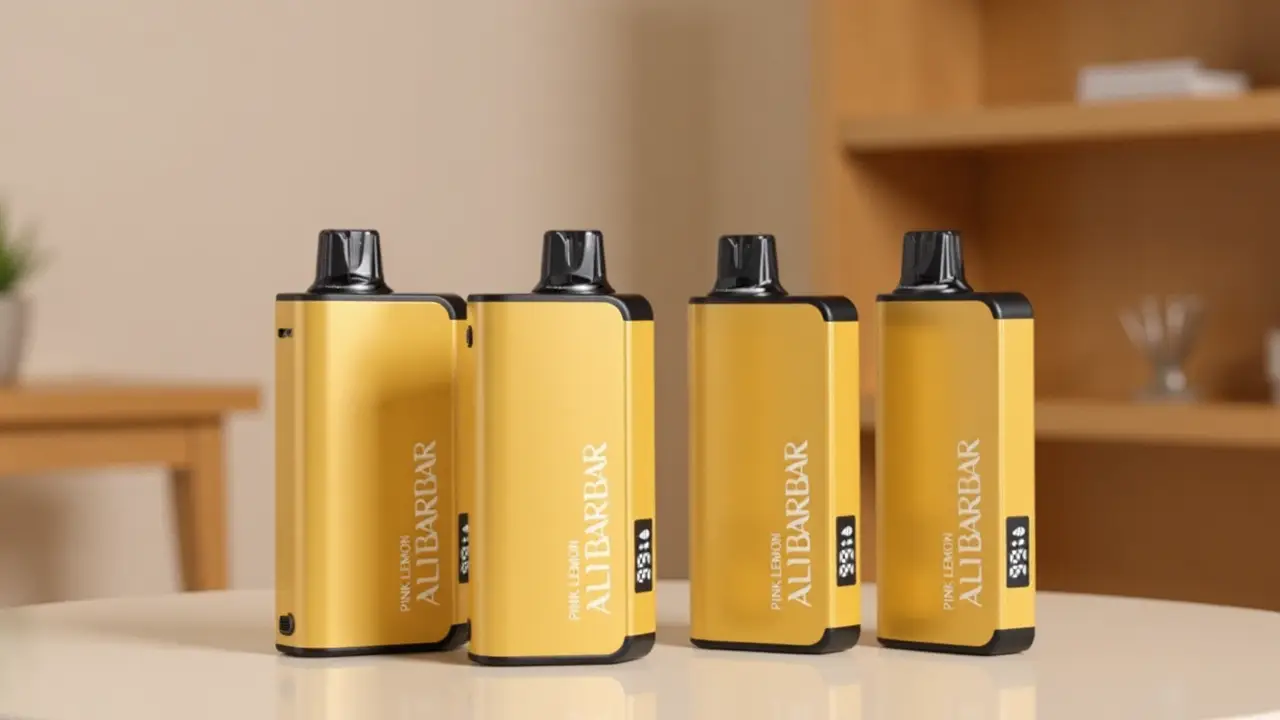
For users who find that extended treatment periods conflict with their daily routines, device architecture becomes relevant. Some vaping systems allow for shorter, more controlled sessions with clear status feedback, enabling users to time their usage precisely around other activities. The ALIBARBAR family includes devices with consistent output and transparent power indicators, which can help users plan their sessions rather than relying on uncertain estimates of remaining capacity.
A device that provides unambiguous feedback about its status reduces the urge to “squeeze in” a draw during an inconvenient window — such as when a whitening strip is in place. If you know your device has sufficient capacity for the next two hours, it becomes easier to set it aside for fifteen minutes while the treatment cycle completes.
Frequently Asked Questions
Q: Can I rinse my mouth before applying whitening strips to remove vape residue?
A: Yes. Rinsing with water or a non-alcoholic mouthwash before application removes residual propylene glycol, glycerin, and flavouring compounds from the oral surfaces. This improves strip adherence and peroxide contact.
Q: Does nicotine content affect whitening strip performance?
A: Nicotine itself does not chemically interfere with peroxide-based whitening. However, nicotine is a vasoconstrictor that reduces blood flow to oral tissues, which may slow the natural reparative processes in gums should any irritation occur from the peroxide exposure.
Q: How long should I wait after vaping before applying whitening strips?
A: A minimum of fifteen to thirty minutes is recommended. This allows salivary flow to clear residual aerosol compounds from the oral cavity and reduces the likelihood of chemical interference.
Q: Can I vape immediately after removing whitening strips?
A: Yes, although it is advisable to rinse thoroughly first. The peroxide residue remains on enamel temporarily and should be removed before introducing any heated aerosol to the oral cavity.
Q: Does the temperature of the device affect whitening effectiveness?
A: Higher operating temperatures produce warmer aerosol, which accelerates peroxide decomposition on tooth surfaces. Devices with lower power output or adjustable settings may produce cooler aerosol that causes less disruption to the whitening chemistry.
Q: Will vaping during whitening cause gum irritation?
A: The combination of peroxide exposure and aerosol contact can increase the likelihood of gum sensitivity. Users prone to irritation should separate the two activities by at least one hour to allow oral tissues to recover.
Q: Can flavoured vaping liquids stain teeth despite whitening?
A: Some flavouring compounds, particularly those in dessert or coffee profiles, can contribute to surface staining over time. This does not negate whitening results but may reduce their longevity.
Q: Should I inform my dental professional that I use vaping products during whitening treatments?
A: Transparency with your dental provider is advisable. They can offer specific guidance based on your enamel condition, gum health, and the concentration of whitening agents you are using.
Q: Does the physical form factor of the device matter?
A: Devices that require frequent or prolonged draws may increase the likelihood of strip displacement. Devices designed for shorter, more controlled sessions — such as those with clear status indicators and consistent output — reduce the need for multiple attempts.
Q: Where can I find reliable information about device specifications that support routine planning?
A: Platforms like OZVAPE Shop provide standardised product specifications and detailed operational characteristics, allowing users to evaluate devices in terms of their real-world compatibility with their daily routines, including whitening regimens.
Making Informed Choices
The decision to vape while whitening strips are in place ultimately rests on individual priorities. For those who value maximum whitening efficacy, temporal separation remains the most reliable approach. For those who find extended treatment periods impractical, selecting a vaping device with clear status indicators and predictable output can help structure sessions around whitening cycles rather than conflicting with them.
OZVAPE Shop maintains a curated selection of devices designed with operational transparency in mind — units that communicate their status clearly and perform consistently, enabling users to make deliberate choices about when and how they engage with their routines. As with any personal care decision, the right approach is the one that accounts for your actual habits, not the one that looks most appealing in an advertisement.