
VAPE FAQs
How Do You Know Your Vape Is Empty?
Jul
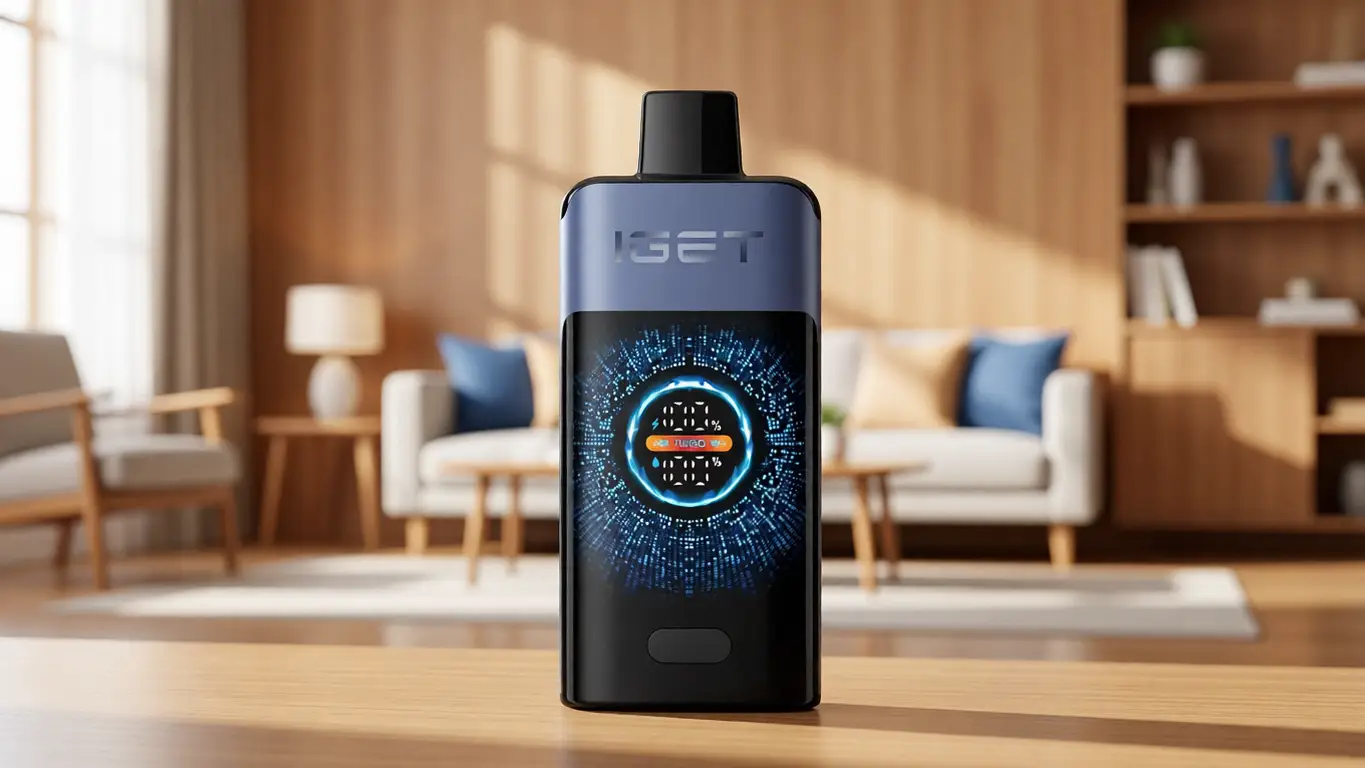
It’s a familiar moment: you reach for your device, draw, and are met with a thin, acrid plume that lingers on the palate for all the wrong reasons. That single dry hit is not just uncomfortable — it’s a clear signal that something in the chain of design and user communication has broken down. The question “How do you know your vape is empty?” seems simple, but the answer reveals a great deal about engineering priorities, user interface clarity, and the hidden compromises that shape everyday satisfaction.
Over the course of countless conversations, we at OZVAPE Shop have observed that this question is rarely just about a blinking light or a translucent window. It’s about trust — the expectation that a device will give you enough warning to plan, rather than leaving you stranded or forcing you to draw on a depleted core until the taste becomes unmistakably unpleasant. What follows is a structured look at how different device architectures handle the end of their useful life, and how you can apply that knowledge to avoid the guesswork entirely.
Understanding What Matters: Core Engineering and Design Factors
Not all devices communicate their remaining capacity in the same way. The difference between a guess and a certainty often lies in a handful of design decisions that seem small on a spec sheet but dominate the daily user experience.
Internal Architecture and Depletion Warning Signs
The heating element and the e‑liquid delivery system form the heart of any vaporisation device, and their behaviour as the reservoir runs low determines whether you’ll get a gentle, early warning or a sudden, harsh finale.
In a well‑engineered device, output consistency is maintained through a combination of optimised wicking and controlled power delivery. As the e‑liquid becomes scarce, the user should notice a gradual reduction in vapour density or a subtle change in draw resistance — not an abrupt shift to a burnt taste. This gradient is the hallmark of a system where the coil saturation is intentionally designed to become slightly less efficient before total depletion, giving the user a functional, sensory cue. Without it, the device simply “hits a wall,” and the experience goes from satisfactory to unpleasant in a single draw.
Why this matters: users consistently report that the most frustrating devices are those that perform perfectly until the very last drop, then deliver a harsh, throat‑irritating hit with no warning. A well‑calibrated device should communicate its declining state through vapour texture before taste becomes offensive.
Power Management and Status Transparency
For rechargeable devices, the interaction between battery level and e‑liquid level can create a fog of ambiguity. A flashing LED might mean the battery is low, the internal circuit has detected a lack of e‑liquid, or both — and a device that does not differentiate between these two states forces the user to charge it blindly and try again, often only to discover that the reservoir was empty all along.
Clear status transparency means the device uses distinct signals for battery charge and for end‑of‑life detection. The practical value of this separation is substantial: without it, you will almost certainly carry a backup unit unnecessarily, draining resources and adding friction to your routine. Devices that combine indicators into a single, ambiguous signal turn a simple check into a diagnostic puzzle.
The hidden cost of status ambiguity plays out every day in the routines of adult users who keep one “just-in-case” device in a bag or pocket, not because they need it, but because they cannot trust the feedback their primary unit provides.
Physical Design and Visual Confirmation
Sometimes the most effective interface is the simplest: a transparent or tinted reservoir that allows a direct visual check. While many compact devices opt for fully opaque shells for aesthetic reasons, that choice transfers the burden of uncertainty entirely onto the user. You cannot gauge what you cannot see.
Devices that incorporate even a narrow viewing window or a partially translucent mouthpiece give users a quick, binary answer — enough for a full day, or time to procure a fresh unit. This might seem like a minor convenience, but in practice it eliminates the low‑level anxiety that accompanies any opaque tool in daily use. Ergonomic considerations such as mouthpiece contour also come into play; a device that feels natural to hold in good light will be easier to inspect casually.
Modularity and the End‑of‑Life Experience
The design principle of modularity — whether the device is a sealed single-use unit, a rechargeable closed system, or one with replaceable components — directly shapes what “empty” means and how you respond to it.
A completely sealed device is empty when the e‑liquid is gone, period. There is no recovery, no refill, and no second chance. A rechargeable system with a non‑replaceable pod extends the operational life of the power source but still reaches a finite end when the e‑liquid reservoir is depleted, and a transparent level indicator becomes invaluable because the user will recharge the battery many times before the liquid runs out. A device with replaceable pods or refillable cartridges changes the equation entirely: “empty” is just a prompt to swap a component, not a signal to dispose of the entire unit.
Understanding this relationship between architecture and lifecycle lets you match a device to your preferences around cost, waste, and predictability.
Applying These Criteria to Real‑World Options
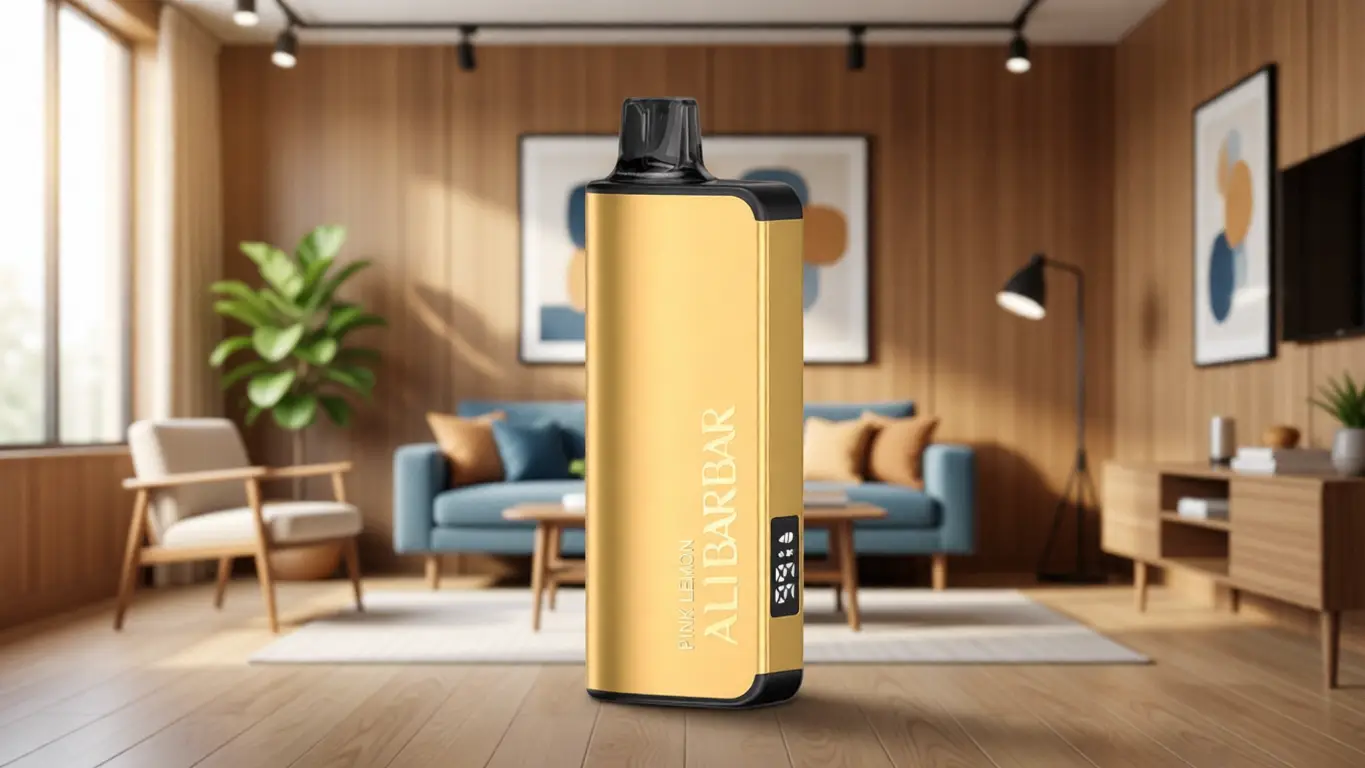
When the engineering principles above are translated into actual product families, the choices become clearer. The ALIBARBAR range, distributed in Australia through authorised partners such as OZVAPE Shop, is built around the idea that a device should make its status obvious without requiring the user to develop arcane diagnostic skills.
Take the ALIBARBAR INGOT 9000, for example. Its transparent e‑liquid reservoir is integrated directly into the chassis, allowing the user to see the remaining volume in a single glance. There is no menu to navigate, no pattern of blinking lights to decode — just a visual reading that works as reliably in bright daylight as it does indoors. This might be contrasted with fully opaque devices of similar capacity that rely entirely on taste degradation to signal emptiness, a method that usually delivers the message seconds too late.
The ALIBARBAR Ice Adjust 12000 takes a different approach, combining a dual‑purpose LED indicator with the ability to adjust output flow. The light communicates both battery level and e‑liquid status through distinct colours and flash patterns, giving the user an at‑a‑glance understanding of whether the device is ready for sustained use or approaching the end of its lifecycle. While no electronic system is immune to occasional misinterpretation, the separation of signals reduces the ambiguity considerably.
For users who prioritise longevity and visual clarity, the high‑capacity ALIBARBAR INGOT 15000 uses a similar transparent window concept but pairs it with a mesh‑coil architecture that maintains vapour consistency well into the final stages of depletion, offering a more gradual warning profile before the taste degrades.
It is worth noting that every design involves trade‑offs. A transparent reservoir might compromise a certain sleekness of appearance; an LED system requires the user to memorise colour codes. The key is whether the trade‑off is made in the user’s favour or hidden behind an attractive exterior that does not hold up under daily wear.
A Practical Framework for Knowing When Your Vape Is Empty
You do not need an engineering degree to assess whether a device is approaching its end. This step‑by‑step methodology applies to virtually any sealed or closed‑system device:
Start with a visual check. If the device has a window, hold it up to a light source and tilt it. Even a thin film of e‑liquid will move, indicating some reserve. No movement usually means empty.
Assess vapour production. Take a normal draw and observe the density and volume of the vapour. A noticeable drop from the device’s typical output, especially if the battery is charged, is often the first sign of low e‑liquid.
Pay attention to taste, but not as your only sensor. The flavour should remain consistent until the device is genuinely near its limit. A slight muting of flavour can precede a burnt taste; if the taste simply becomes less vibrant but not unpleasant, the device is giving you a grace period. A dry, metallic, or burnt note means you have already crossed the threshold.
Decode the device’s feedback. If the device uses LED indicators, read the documentation — either in‑box or available through the supplier’s product page. A flashing white or red light often signals battery, but a specific colour pattern (such as a series of rapid blue flashes) may be the designated “no liquid” warning.
Check draw resistance. Some devices exhibit a tighter draw when the wick is not fully saturated, because air must pass through a partially dry chamber. If your normal pull suddenly feels restricted, that can be an additional cue.
Does this device give you clear status feedback? If not, you will likely misinterpret a battery issue as an empty reservoir, or vice versa. Pairing a device that lacks visual confirmation with a regular routine — checking at a set time each day, for instance — can partly compensate for poor design, but it is a workaround, not a solution.
Common Mistakes That Lead to Premature Disposal (or Unpleasant Surprises)
Users often undermine their own satisfaction not through carelessness, but through a few predictable misunderstandings that could easily be corrected with more transparent product information.
Overweighting a single LED. A blinking light on a compact device triggers an immediate assumption that the e‑liquid has run out. In many systems, however, that same signal can mean a circuit protection fault, a short‑circuit detection, or a depleted battery. Throwing away a device that still has a quarter of its e‑liquid because the battery needs a charge is a quiet, persistent waste.
Assuming visual similarity means comparable engineering. Two devices that look alike on a store shelf may manage their end‑of‑life communication completely differently. One may slowly dial down power to soften the taste transition, while another may run full‑throttle until the coil is dry, scorching the wick instantly. The external packaging rarely tells this story.
Undervaluing modularity in cost‑per‑use calculations. A sealed device that dies without warning forces a full replacement purchase immediately. A modular system where you can see the pod level lets you plan a replacement pod days in advance, smoothing out the spending and reducing the pressure of a “surprise empty” moment.
Confusing category terminology. A “rechargeable disposable” is not the same as a “refillable pod system.” The former still has a fixed e‑liquid volume; the latter can be replenished. Calling something “rechargeable” does not mean it never runs empty — it only means the power cell can be topped up while the e‑liquid slowly diminishes.
From an industry perspective, the gradual shift toward visible reservoirs and dual‑indicator systems reflects a recognition that users are simply tired of being surprised. Manufacturers that once believed a sleek opaque shell was a competitive advantage are now quietly engineering in viewing windows, not because it makes the device look more premium, but because the returns from reduced return rates and lower customer service overhead are undeniable.
Frequently Asked Questions
Q: How can I tell if my disposable vape is empty without waiting for a burnt taste?
A: Look for a visible e‑liquid window if the device has one, or tilt the device against a light to observe movement. A reduction in vapour output and a subtle loss of flavour intensity are common early indicators.
Q: My device still blinks when I draw, but no vapour comes out. Is it empty?
A: Not necessarily. A blinking light can indicate a depleted battery, a connection issue, or an activated protection circuit. Charge the battery fully (if the device supports it) and try again. If vapour production does not return, the e‑liquid reservoir is likely empty.
Q: Why do some vapes deliver a perfect hit one minute and a burnt hit the next?
A: That behaviour often points to a device where the wicking material cannot keep up with rapid successive draws. Once the wick runs dry near the coil, the next draw heats residual dry material and produces an unpleasant taste — a sign that the e‑liquid is reaching its final stage.
Q: Can I tell by the weight of the device?
A: Weight can offer a rough clue, but it is unreliable. The difference between a full and an empty reservoir in most compact devices is only a few grams, easily masked by the weight of the battery and casing. Visual or taste indicators are much more dependable.
Q: Are there devices that warn me before the e‑liquid is completely gone?
A: Yes. Devices with transparent reservoirs or dual‑signal LEDs (distinguishing battery from e‑liquid) are specifically designed for that. The ALIBARBAR Ice Adjust 12000, for example, uses separate light patterns to indicate the remaining e‑liquid level before a burnt taste ever occurs.
Q: What should I do when my device is genuinely empty?
A: If the unit is a sealed disposable, it needs to be disposed of in accordance with local electronic waste guidelines. If it is a rechargeable closed system, the entire device is at end of life. Authorised retailers like OZVAPE Shop provide information on proper disposal and offer replacement options that fit the same usage patterns.
Q: I often misjudge the emptiness of my device and it runs out during a long day. How can I prevent that?
A: Choose a device with a visible e‑liquid window and check it before you leave the house. Additionally, carrying a compact backup unit of lower capacity can serve as a bridge until you can access your main supply.
Q: Does OZVAPE Shop help with understanding device indicators before purchase?
A: Yes. Each product listing includes detailed specifications about status indicators, reservoir visibility, and the user interface, so you can evaluate whether a device’s communication method matches your preference before making a choice.
Q: Is a burnt taste always a sign that the e‑liquid is gone?
A: Usually, but not always. A burnt taste can also occur if the coil has been overheated by excessive chain‑drawing, even if some e‑liquid remains. Allowing the device to rest for a few minutes may temporarily restore flavour, but if the taste persists, the wick is likely damaged and the cartridge is effectively done.
Q: Why do some high‑capacity devices run out so suddenly?
A: High‑capacity units sometimes use larger vapour‑production designs that consume e‑liquid more quickly. If the device lacks a visual level indicator, the user may not notice the e‑liquid dropping until it reaches critical emptiness, creating an impression of sudden depletion.
Conclusion
The central insight is modest but persistent: a well‑designed device tells you what it needs. When the engineering gives you a gentle, sensory heads‑up — a slight drop in vapour, a muted note, a window that shows the remaining liquid — you are never caught off guard. When it does not, you are left to interpret confusing signals or wait for the unmistakable jolt of a dry hit.
Informed users will always make better decisions, not because they have more willpower, but because they know to look for transparency, both literal and figurative. A transparent reservoir, a clear LED protocol, a gradual decline in output — these are not trivial features. They are the difference between a device that fits your life and one that fights against it.
OZVAPE Shop exists to make that distinction easier to see before you buy, by presenting the ALIBARBAR range in a way that foregrounds exactly these communication features. But the choice itself remains yours. The right device is not the one with the boldest claim or the highest puff count on paper — it is the one whose end‑of‑life behaviour aligns with your actual daily rhythm, so you never have to wonder, mid‑draw, whether the next moment will taste of satisfaction or of regret.