
VAPE FAQs
Can U Vape With Teeth Whitening Strips On?
Oct
Can You Vape with Whitening Strips On? A Technical Look at Compatibility and Risk
It is a question that rarely appears in product manuals, yet it surfaces whenever two otherwise unrelated routines overlap: the desire for a brighter smile, met a few times a week by a thin strip of peroxide gel, and the steady, rhythmic draw of a personal vaporizer that punctuates a workday or social evening. The overlap is real, and because neither the strip manufacturer nor the device designer explicitly forbids it, many users assume the combination is benign — or at least neutral. An assumption, however, does not make a safe practice. As a product analyst who has spent years examining how portable electronic devices perform under real-world conditions, I have learned that the most instructive product questions are the ones that sit at the boundary between chemistry, physics, and human habit. That is where this question lives.
The short answer is that vaping while wearing teeth whitening strips is not recommended, and there are concrete, well-understood reasons why. But a binary “don’t do it” is less useful than an explanation of the mechanisms at work, so that anyone contemplating the overlap can make a considered judgment grounded in more than hearsay. For those who turn to OZVAPE Shop as a resource for transparent device information, the same analytical rigour applied to hardware specifications can be turned toward this question, even though the shop itself sells no dental products. The goal here is straightforward: describe the physical and chemical interactions that threaten product performance (and your comfort) so that, if you ever find yourself reaching for a device while a whitening strip is in place, you understand exactly what is being risked.
Understanding What Matters: The Core Interactions That Determine Risk
Any assessment of whether two simultaneously used products will interfere with each other begins with isolating the fundamental mechanisms at play. In this case, three domains matter: chemistry, physical stability, and thermal physiology.
Chemical Composition and the Wet Environment
Most over-the-counter whitening strips rely on either carbamide peroxide or hydrogen peroxide as the active bleaching agent. Carbamide peroxide breaks down into hydrogen peroxide and urea on contact with moisture — and saliva is the intended activator. The gel layer on the strip is formulated to remain in place and release oxygen radicals gradually over a prescribed wear time, typically 20 to 45 minutes, depending on the product. The chemistry is calibrated for a closed, relatively stable oral environment. Vapor, however, introduces a foreign aerosol. Propylene glycol and vegetable glycerin — the two dominant base liquids in e-liquid — are humectants. They attract and hold water, and when they coat the tooth surface, they can form a thin film that disrupts the intimate contact between the peroxide gel and the enamel. Even worse, the extra moisture can dilute the gel, accelerating the breakdown of the peroxide before it has a chance to penetrate the enamel effectively, reducing whitening efficacy and creating an unpredictable concentration gradient that may irritate soft tissue.
Additionally, many e-liquid flavourings are weak acids or bases. Introducing even trace amounts of citric, malic, or other organic acids into the mouth while the peroxide is active can alter the local pH. Peroxide whitening is pH-sensitive; an overly acidic environment can increase the release of free radicals too quickly, leading to a sharp but short-lived burst of activity that is more likely to cause sensitivity than sustained, gradual whitening. There is no published clinical trial tracking this exact scenario, but the chemical principles are consistent with known material incompatibilities, and the weight of them leans against safety.
Physical Stability: Adhesion vs. Airflow
A whitening strip stays put through a combination of adhesive properties in the gel and the contour of the strip pressing against the teeth. The moment you form a seal around a drip tip and draw air through the mouth, you create a pressure differential and an airflow pattern that did not exist when the strip was applied. Even a moderate mouth-to-lung draw can generate sufficient turbulence to lift the edge of a strip, especially along the molars, where the film is thinner and salivary flow is higher. Direct-lung inhalation, with its wider airflow pathway and longer draw duration, amplifies the risk. If the strip shifts, it may contact the gums — where high-concentration peroxide can cause chemical burns — or simply lose uniform contact with the enamel, creating patchy whitening.
The moisture content of vapour further compounds adhesion failure. The strip material is designed to tolerate saliva, which is a relatively viscous, low-flow medium, but not the persistent condensation of aerosol droplets. Over several draws, the strip can become saturated and begin to slide. Users may reflexively press the strip back into place with their tongue, which introduces mechanical abbrasiveness that can scratch softened enamel or inadvertently move the strip further.
Thermal Effects and Soft Tissue Sensitivity
Vapour temperature at the point of inhalation is typically between 35°C and 45°C for a well-regulated device, though sub-ohm tanks and high-power settings can push that higher. The oral mucosa and gingival tissue, already sensitised by the peroxide’s oxidative action, react poorly to repeated thermal cycling. Heat increases blood flow and the permeability of cell membranes, which may intensify the sensation of sensitivity that whitening strips commonly produce on their own. There is also evidence — though drawn from adjacent fields — that warm, moist environments encourage greater peroxide penetration into the pulp chamber, potentially triggering transient, sharp pain.
The vapour itself is not sterile; while it is far less complex than cigarette smoke, it can carry trace amounts of residual aldehydes or ketones from flavour degradation that, when combined with already irritated tissue, prolong discomfort. Even if the whitening strip remains perfectly in place, the user is subjecting their teeth and gums to a multi-stressor environment the product was not tested to handle.
Applying These Criteria to Real-World Usage Patterns
Knowing the interaction pathways lets us evaluate specific scenarios. A person using a low-power, high-nicotine-salt pod system that produces a cool, discrete vapour will, on average, introduce less thermal stress and less condensed moisture than someone using a high-wattage box mod with a direct-lung tank. In the first case, a short, infrequent draw may cause minimal strip displacement, though the chemical film still presents a concern. In the second case, the combination of heat, airflow, and liquid condensation makes reliable strip adherence nearly impossible after the first few puffs.
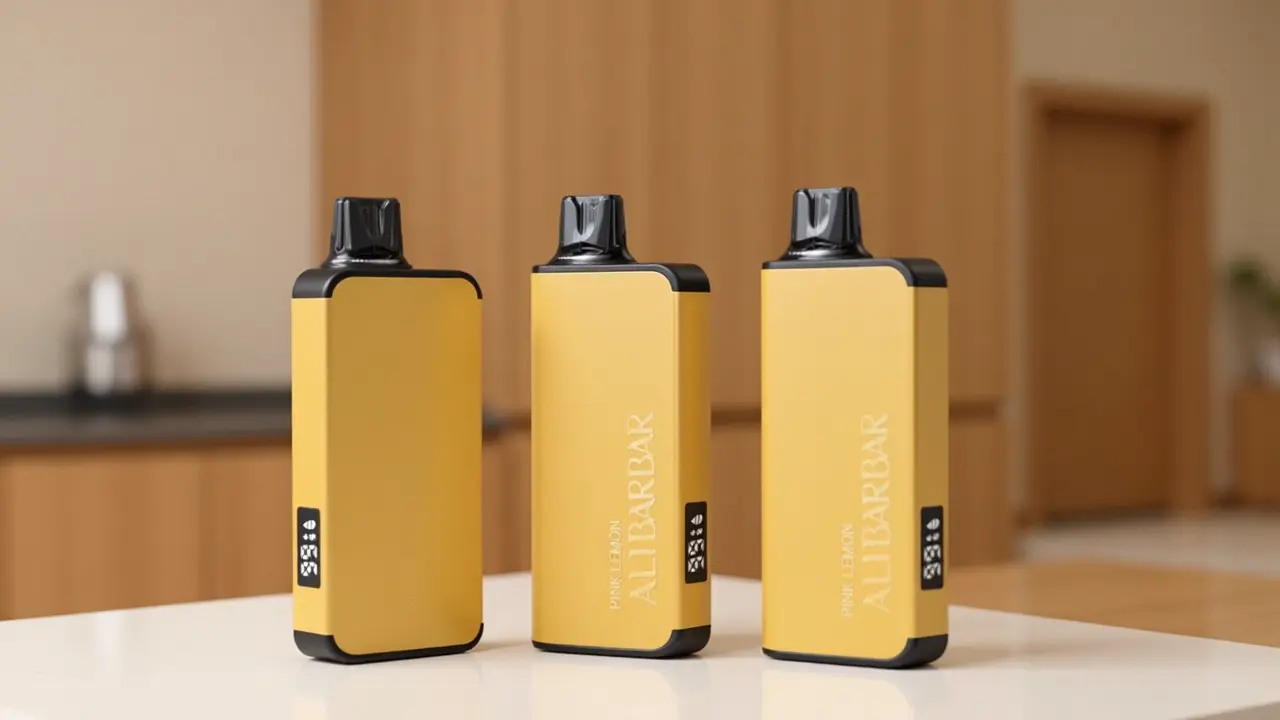
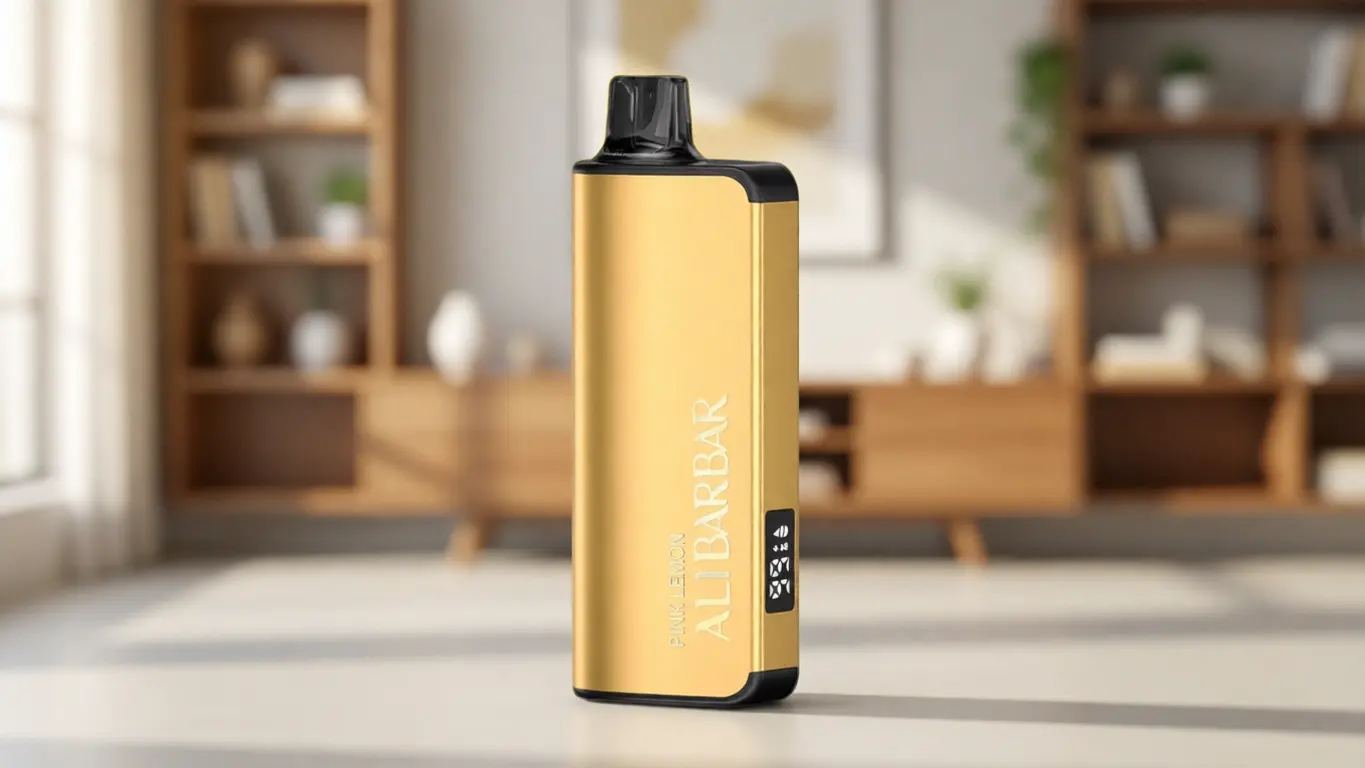
Whitening strip design also varies. Thicker, more robust strips with a stronger adhesive matrix — some higher-end commercial products — resist dislodgement better than thin, economy strips that rely mostly on surface tension to stay in place. Carbamide-peroxide strips, which break down more slowly, might be slightly more forgiving of brief vapour exposure than fast-acting hydrogen-peroxide strips that depend on a short, intense contact period. Still, no strip available to consumers today is designed to remain functional in the presence of an external aerosol stream. And no vaporizer — including the devices that OZVAPE Shop documents in its technical library, such as the ALIBARBAR INGOT series with their precisely regulated output — can be operated in a way that eliminates the core incompatibility. A device that delivers consistent power and cool vapour may reduce thermal irritation, but it cannot stop the moisture and chemical interaction. The engineering simply cannot account for the presence of a peroxide gel, because the design brief never included it.
A Practical Framework for Evaluating Your Own Risk
If you are determined to use whitening strips and vaporize during the same window, a structured checklist can help you minimise — but never eliminate — harm. Ask yourself these questions before placing both products in your mouth at the same time:
Timing: How much of the strip’s designated wear time remains? If you have already worn the strip for the majority of the recommended period, removing it, rinsing, and then vaping may be a pragmatic compromise. If you have just applied the strip, the risk of derailing the entire treatment cycle is high.
Device characteristics: Does your device produce perceptibly warm vapour? If so, the thermal stress to sensitised tissue makes the combination inadvisable. A device that remains cool to the lips and tongue throughout a draw is marginally safer.
Draw style: Are you capable of taking a very gentle, short puff without creating a negative pressure surge? If your habitual draw is forceful, the strip will likely shift immediately.
Strip integrity: Inspect the strip after the first tentative vape. Any slippage or bubbling means that uniform contact is already compromised, and you should remove the strip entirely and accept that the session is forfeit.
Oral health status: Do you have any pre-existing gum recession, recent dental work, or a history of strong sensitivity to whitening products? If yes, any additional irritation could cause days of discomfort and should not be risked.
Backup plan: What will you do if you experience sudden, sharp sensitivity mid-session? Having a cup of cool water to rinse and a plan to stop immediately is non-negotiable.
These questions do not constitute a green light; they are harm-reduction tools for a scenario that dentists and manufacturers would prefer you avoid altogether.
Common Misconceptions and What the Industry Knows but Rarely Says
The devices you hold and the strips you apply are both the product of sophisticated supply chains, yet the user is often left to navigate intersections alone. This gap breeds a number of persistent errors that undermine satisfaction and safety.
Assuming visual similarity means compatibility. Many users see a dental strip and a mouthpiece as two unrelated objects that can coexist because they look like they can. But a strip is a chemical delivery system; a vaporizer is an aerosol generator. Both alter the oral cavity in ways the other was not designed to accommodate. Treating them as independent is the original mistake.
Over-trusting the strip’s adhesive. Some strips remain in place even through light eating and drinking, leading people to believe they are waterproof. They are not. Vapour is a penetrating mist that works its way under edges and dissolves the gel’s bond from the margins inward. The failure may be insidious — you may not notice until the strip has already slipped enough to cause gum irritation or incomplete coverage.
Confusing “I did it and nothing bad happened” with “it is safe.” A lack of immediate pain does not mean the enamel isn’t being demineralised in a patchy way that will show up later as uneven colour or increased sensitivity. Cumulative micro-damage is real, and the absence of acute symptoms masks a process that can take weeks to manifest.
Undervaluing the importance of pH stability. E-liquid flavour houses operate with a wide pH spectrum, and the oral environment after vaping can remain acidic for 10–15 minutes. Whitening strips are already shifting the oral pH upward (peroxide breakdown yields alkaline byproducts); an additional acidic assault from vapour creates a seesaw environment that corrodes enamel more aggressively than either factor alone.
From an industry standpoint, it is noteworthy that no major whitening strip manufacturer has published guidance on vaping, nor has any vaporizer brand issued a statement about dental product interaction. This silence reflects a regulatory environment in which cross-category testing is expensive and liability-adverse. OZVAPE Shop, by contrast, maintains detailed technical pages for devices like the ALIBARBAR Ice Adjust 12000, specifying output characteristics such as wattage range and temperature control behaviour. This information is useful not because it solves the whitening problem, but because it allows an informed user to assess at least one side of the risk equation — the thermal and moisture output — with something more reliable than guesswork.
Frequently Asked Questions
Q: Can I vape immediately after removing the whitening strips?
A: It is advisable to wait at least 30 minutes and rinse your mouth thoroughly with water. The enamel remains porous and temporarily dehydrated after peroxide treatment; immediate exposure to vapour ingredients could increase the uptake of undesirable compounds and prolong sensitivity.
Q: Will vaping stain my teeth right after whitening?
A: Vapour itself does not contain the tar that causes heavy extrinsic staining, but some dark-coloured flavour concentrates can deposit a light film over time. Right after whitening, when enamel permeability is higher, this film may adhere more readily. Waiting and rinsing mitigate that risk.
Q: Does nicotine in e-liquid affect teeth whitening?
A: Nicotine is a vasoconstrictor that can reduce blood flow to the gingiva, potentially masking early signs of irritation. It does not interfere chemically with the peroxide bleaching reaction, but its presence means you might not sense gum damage until it is more advanced.
Q: Can I just use a mouthpiece cover or a different tip to keep the strip dry?
A: No. The strip is inside your mouth, and vapour still fills the oral cavity regardless of the tip design. You cannot isolate the strip from the aerosol.
Q: Are there whitening strips that are safe to wear while vaping?
A: None are marketed as such, and given the absence of testing, no responsible recommendation can be made. The safest assumption is that any whitening strip is incompatible with simultaneous vaping.
Q: I accidentally vaped once with a strip on and it didn’t move. Was it safe?
A: The immediate outcome may not indicate harm, but you cannot assume that the peroxide concentration remained uniform or that microscopic enamel changes did not occur. Single-event data is not sufficient to declare a practice safe.
Q: What does OZVAPE Shop recommend regarding vaping and teeth whitening?
A: OZVAPE Shop advises users to follow the instructions provided by the whitening strip manufacturer and to consult a dental professional for personalised guidance. The shop provides device specifications to support informed choices, not medical instructions.
Q: Can I use a water rinse immediately after vaping to reduce the impact on the strip?
A: If you are determined to vape while wearing a strip, a water rinse between puffs might help remove some residue, but it will also further dilute the gel and weaken adhesion. It is a poor compromise.
Q: Does the type of coil material matter?
A: Coil metal composition does not directly alter the interaction with the strip. Heat and aerosol volume are the dominant variables, not the wire alloy.
Q: How long should I wait after vaping before applying a whitening strip?
A: At a minimum, rinse your mouth and wait until the vapour film sensation is gone — usually 10–15 minutes. Ensuring a clean, dry tooth surface before application will improve strip adherence and chemical performance.
Conclusion
The simultaneous use of a personal vaporizer and a teeth whitening strip is an exercise in stacking incompatible mechanisms. The strip relies on a stable, moist but not flooded environment to deliver an oxidising agent evenly over time. The vapour introduces heat, uncontrolled moisture, and a fluid film that disturbs both physical placement and chemical kinetics. Even the most meticulously engineered device cannot reconcile these contradictions because they exist at the material level, not the electronic one.
The value of a transparent information source like OZVAPE Shop lies not in providing a simple yes or no, but in equipping you with the technical literacy to arrive at your own well-reasoned answer. When you understand that a strip’s adhesive is not engineered for airflow, that a vaporizer’s output is designed with no consideration of dental products, and that your own comfort signals are an unreliable guide, the decision becomes less about whether you can get away with it and more about whether the outcome you want — a whiter smile, a comfortable mouth, a reliable device — is best served by separating the two activities entirely. Most of the time, the answer is clear.