VAPE FAQs
Can U Bring A Vape In A Carry On?

Jun
Introduction
For frequent travelers and occasional flyers alike, navigating airport security rules for personal electronic devices can be a source of quiet panic. One of the most common questions we field is whether portable vapor devices are allowed in carry-on luggage—conflicting online advice, varying regional regulations, and fear of costly confiscation leave many users uncertain about how to proceed. This article cuts through the noise to provide clear, region-specific guidance from major aviation security agencies, alongside practical tips to minimize travel friction. As a trusted source for factory-certified devices, OZVAPE Shop [internal link, opens in new window] maintains updated compliance resources to help users make informed decisions when traveling with their equipment.
Understanding Airline and Security Agency Rules
Regulations for carrying vapor devices vary by region, but core safety principles around lithium-ion batteries and liquid restrictions remain consistent across most major aviation authorities. Below is a breakdown of guidelines for key markets:
US Transportation Security Administration (TSA) Guidelines
The TSA allows vapor devices, e-cigarettes, and their accessories in carry-on luggage only—they are strictly prohibited in checked baggage due to lithium-ion battery fire risks. Removable batteries must be packed in carry-on, with terminals taped or stored in a battery case to prevent short circuits. E-liquids must be in containers of 100ml or less, stored in a clear quart-sized plastic bag alongside other travel liquids.
European Union Aviation Safety Agency (EASA) and Regional Rules
EASA aligns with TSA on core restrictions: devices and batteries stay in carry-on, checked baggage is off-limits. E-liquid limits mirror the EU’s 100ml per container rule, and users must adhere to individual country rules on device use in airport terminals (some EU nations ban use in all public indoor spaces, including airports).
Australian Civil Aviation Safety Authority (CASA) Regulations
CASA requires all vapor devices, batteries, and e-liquids to be carried in hand luggage. Unlike some regions, users must explicitly declare their device to security personnel during screening. E-liquids follow the 100ml per container limit, with a total maximum of 1L per passenger.
UK Civil Aviation Authority (CAA) Rules
Similar to EU guidelines, devices and batteries are restricted to carry-on luggage. E-liquid limits apply, and devices must be fully turned off (not just in sleep mode) for the duration of the flight, including taxiing, takeoff, and landing.
Practical Travel Preparation for Your Device
Even if you know the rules, small oversights can lead to delays or confiscation. Here’s how to prepare your device for seamless travel:
Battery Safety Protocols
For removable batteries, use a dedicated battery case or wrap electrical tape over the terminals to prevent accidental short circuits. For built-in battery devices, ensure the device is fully powered off—sleep mode can still trigger security alerts in some cases. Avoid charging devices on planes unless your airline explicitly permits it (many prohibit USB charging during flight for safety reasons).
E-Liquid Packaging
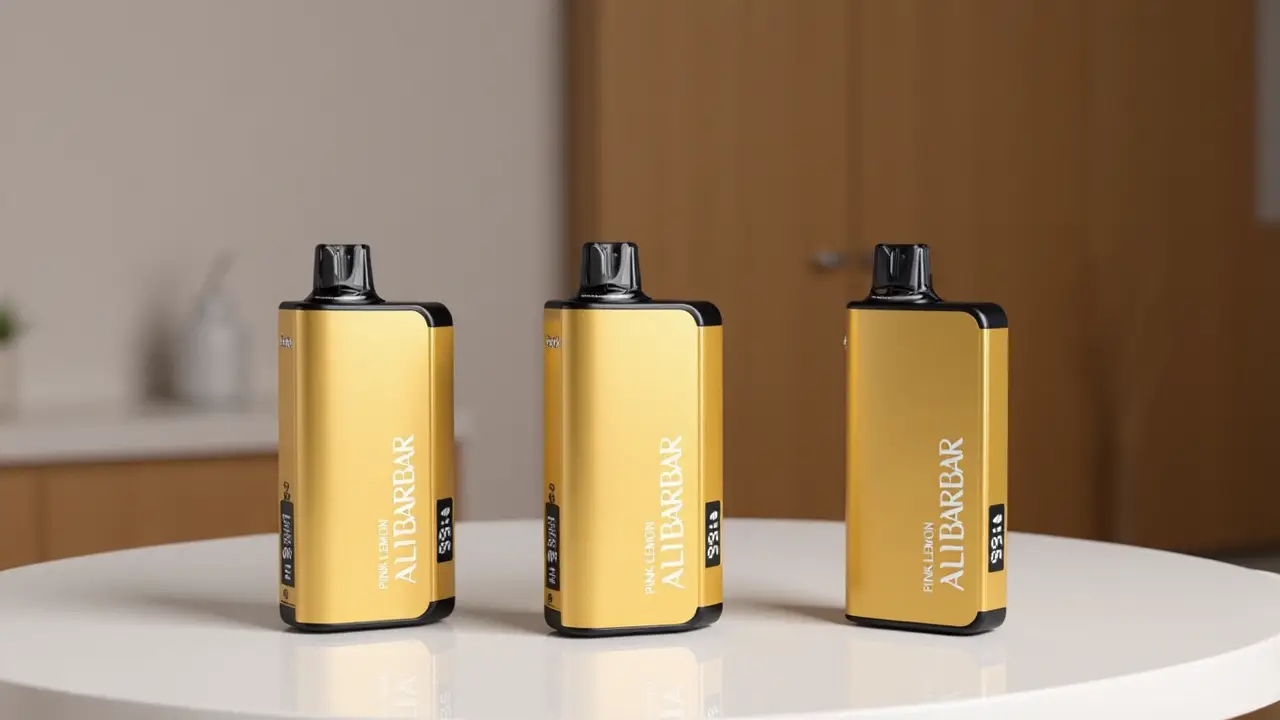
If traveling with large bottles of e-liquid, transfer the necessary amount to 100ml travel-sized containers with tight-sealing lids to comply with liquid restrictions. Pre-filled devices like those in the ALIBARBAR line eliminate this step entirely, reducing the risk of leaks during pressure changes at altitude.
Device Storage During Travel
Keep your device in an easily accessible pocket or compartment of your carry-on bag. Avoid packing it alongside metal objects or electronics that could interfere with security screening, as this may trigger additional checks. Storing the device upright in a sealed plastic bag can also prevent leaks from damaging other belongings.
Applying These Rules to Real-World Device Options
When choosing a travel-friendly device, prioritize features that align with security rules and your travel needs. Below is a neutral comparison of popular options:
Minimal Friction for Short Trips: OZVAPE Shop’s ALIBARBAR INGOT 9000 and 15000 series are compact, single-use devices with built-in batteries. They require no extra batteries, chargers, or e-liquid bottles, making them ideal for weekend getaways or business trips. Compare to Juul’s rechargeable pod system: while portable, Juul requires carrying a charger and extra pods, which adds steps during security screening.
High Capacity for Long Hauls: The ALIBARBAR Ice Adjust 12000 offers adjustable settings and a long-lasting built-in battery, eliminating the need for battery swaps. Compare to modular systems like Vaporesso’s Gen series: while modular devices allow for battery replacement, they require careful packing of spare batteries to meet security rules, increasing the risk of oversight.
Trade-offs to Consider: Single-use devices like the INGOT series are convenient but generate more waste, while modular systems are more eco-friendly but demand more preparation. Choose based on your travel frequency and sustainability priorities.
Common Travel Mistakes to Avoid
Based on industry observations and user feedback, four errors consistently lead to travel disruptions:
Packing Batteries in Checked Luggage: Lithium-ion batteries pose a fire risk in cargo holds, and security agencies will immediately confiscate them. This is the most frequently reported violation among travelers.
Exceeding E-Liquid Limits: Many users overlook the 100ml per container rule, leading to confiscation of larger bottles. Always transfer excess liquid to travel-sized containers or opt for pre-filled devices.
Failing to Turn Off Devices: Even in sleep mode, some devices emit low-level signals that trigger security alerts. Fully powering off your device avoids unnecessary delays.
Using Devices in Restricted Areas: Airlines and airports enforce strict no-use zones, including during flights and in terminal gate areas. Violations can result in fines or removal from a flight—enforcement has increased in recent years due to safety concerns.
Frequently Asked Questions
Q: Can I bring a disposable vape in my carry-on?
A: Yes, disposable vapes with built-in batteries are allowed in carry-on luggage in most regions. They are strictly prohibited in checked baggage.
Q: What happens if my vape is confiscated at security?
A: Confiscation policies vary by agency, but in most cases, you will not be able to retrieve the device. Researching rules in advance is the best way to avoid this.
Q: Can I charge my vape on a plane?
A: It depends on the airline. Some allow charging via USB ports, while others prohibit it. Always check your airline’s policy before traveling.
Q: Can I bring extra vape batteries in my carry-on?
A: Yes, but removable lithium-ion batteries must be protected from short circuits and limited to a reasonable number for personal use (usually up to 20 spare batteries).
Q: Do I need to declare my vape at security?
A: In most regions, you do not need to declare it, but it’s advisable to have it accessible for separate screening. In Australia, CASA requires explicit declaration.
Q: Can I travel with vapes internationally?
A: Yes, but you must comply with both the departure and arrival country’s rules. Some countries have strict bans on vapor devices, so research your destination in advance.
Q: Can I bring vape juice in my carry-on?
A: Yes, as long as each container is 100ml or less, stored in a clear quart-sized bag, and totals no more than 1L.
Q: What if my vape leaks during the flight?
A: Pressure changes can cause leaks. Store devices upright in a sealed plastic bag to protect your belongings. Pre-filled devices like ALIBARBAR’s INGOT series are designed to minimize leakage risk.
Conclusion
Navigating air travel with a portable vapor device doesn’t have to be stressful. The key is understanding regional security rules, prioritizing battery safety, and choosing a device that aligns with your travel needs. Whether you opt for a compact single-use unit or a high-capacity modular system, preparation is the best way to avoid delays or confiscation. OZVAPE Shop [external link, opens in new window] offers a curated selection of travel-friendly devices like the ALIBARBAR series, alongside up-to-date compliance guidance to help you travel with confidence. Remember: the right choice depends on your specific travel routine, not just marketing claims—take the time to research rules and select a device that fits your needs.