
VAPE FAQs
Can Neighbors Smell Dry Herb Vape?

Jun
No one wants to be the neighbour whose private moments become a hallway conversation. The question is straightforward: if you use a dry herb vaporizer inside your home, can the people living next door or across the hall detect it? A direct yes‑or‑no answer would be dishonest. The reality lives in a grey zone shaped by the device you use, the way you use it, and the physical space you occupy. What’s often missing from quick online forums is a clear, engineering‑based explanation of why one setup might broadcast its presence while another remains practically undetectable.
At OZVAPE Shop, we have seen that the users who ask this question aren’t looking for reassurance alone — they want to understand the mechanics so they can make genuinely informed choices. This article breaks down the physical and design factors that determine whether vapour travels far enough to matter, and it offers a practical framework you can use to assess your own situation, no guesswork required.
Understanding What Matters: The Physical and Device Factors That Control Odor Dispersal
Vapour is not smoke. It contains fewer particulate compounds, and it settles more quickly. But it is not odorless, and under the wrong conditions it can travel further than many users expect. Four core factors determine where your vapour ends up.
Heating Method: Why the Difference Between Conduction and Convection Matters
The way your device applies heat to the material is the single most influential variable in odor production. In a conduction vaporizer, the herb sits in direct contact with a heated surface. The material cooks continuously as long as the oven is hot, producing a low, constant stream of aromatic compounds even between draws. That steady‑state emission gives the vapor time to accumulate in a room and eventually seep under doors or through vents.
A convection design passes hot air through the herb only when you inhale. The heater ramps up on demand, and the material cools almost immediately when you stop drawing. This dramatically shortens the window during which odor‑bearing vapour is being actively produced. If you are concerned about neighbors, a convection or hybrid‑dominant device is already a significant step in the right direction.
Temperature Precision and Its Unseen Consequences
Vaporizer aromas become more assertive as temperature climbs. Below 180°C, the scent is typically subtle and dissipates quickly; above 200°C, the spectrum of volatilised compounds broadens, and the odour becomes denser and more persistent. A device that maintains a genuinely stable setpoint — not one that overshoots and then drifts — gives you the ability to stay in the lower, less conspicuous zone. Inexpensive units with rudimentary temperature control often cycle far above the set point during heating, accidentally producing enough pungent vapour to surprise even an experienced user.
Physical Chamber Sealing and Vapour Path Efficiency
The best vapour is the vapour that stays inside the device until you exhale. Poorly sealed chambers allow micro‑leaks: wisps that escape around the mouthpiece or the oven lid while the unit sits idle. Design matters here. Devices with a gasket‑sealed, isolated air path contain the aroma more effectively than those with minimal baffling. Similarly, a long, well‑cooled vapour path gives the aerosol greater density and stability, meaning less of it dissipates as uncontrolled stray mist in your immediate surroundings.

Session vs. On‑Demand Operation: The Time Factor
A session vaporizer runs for a predetermined period — often 5 to 10 minutes — keeping the herb at temperature the entire time. Each minute of idle heating adds to the ambient odor load. An on‑demand device applies heat only during a draw that might last a few seconds. The cumulative emission difference between a 10‑minute session and six individual 5‑second draws is enormous, and that difference frequently decides whether the scent remains confined to one room or begins to drift.
Applying These Criteria to Real‑World Options
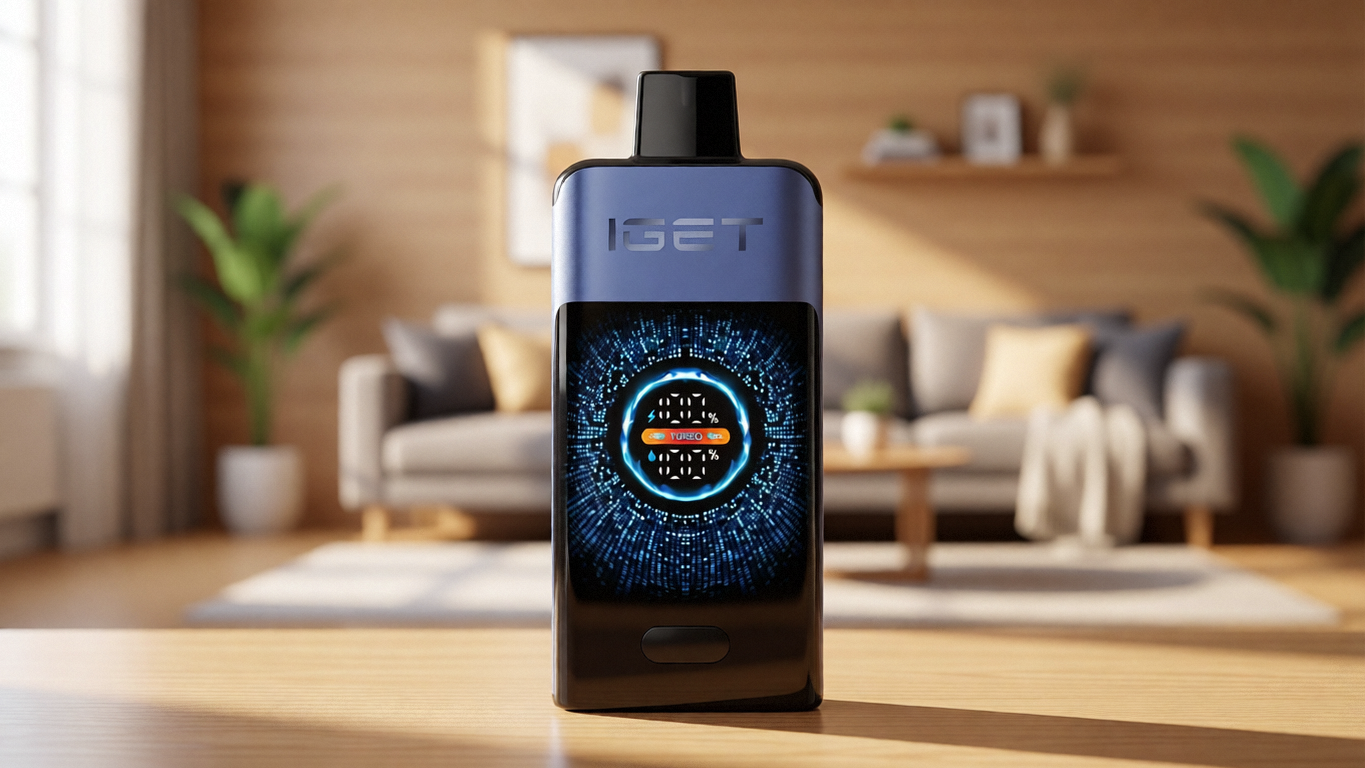
The design principles above are not theoretical; they are vividly illustrated by how different device families behave in practice. While ALIBARBAR’s product engineering focuses on a separate category of personal devices, the same meticulous attention to airflow control, power management, and material integrity that defines their approach is precisely what thoughtful consumers look for in a low‑odour vaporizer. This is not to draw a false equivalency between categories but to acknowledge that engineering discipline translates across applications.
A dedicated convection desktop unit, for example, can be used at low temperatures with virtually no lingering aroma outside the immediate breathing zone. A hybrid portable with a sealed, insulated oven will produce dramatically less stray odour than a budget conduction pen that keeps the herb baking between hits. Neither is silent, but the gap between them is the difference between a faint botanical whisper and a distinct, identifiable trail.
Other widely available device families — think of well‑established names like Storz & Bickel’s medical‑grade units or Arizer’s all‑glass pathways — also show how chamber isolation and thermal consistency reduce unintentional smell. In almost every case, the presence of genuine convection, a sealed air path, and precise temperature readouts correlates with neighbour‑friendly operation. None of this promises zero detection, but a device chosen with these priorities will rarely be the source of an awkward conversation.
A Practical Framework for Evaluating Your Odor Risk
Rather than searching for a definitive yes or no, run through this sequence the next time you use your device. It takes less than five minutes and will tell you more than any online spec sheet.
The Still‑Air Test
Leave the room for 10 minutes after a typical session. When you return, enter the hallway first, then the room. At what distance do you first notice the scent? This gives you a baseline diffusion radius.
The Draw‑Temperature Audit
Note the temperature you habitually use and check whether your device is known to overshoot. If you are above 195°C and the temperature control is approximate, you are generating a high‑odour output whether you realise it or not.
The Leak Check
With the device turned on but idle, cup your hand around the chamber and mouthpiece without inhaling. Smell for the characteristic warm‑herb aroma. If it is noticeable, you have a seepage issue that multiplies background odour.
The Shared‑Vent Test
Run a normal session and then step into a common area — a hallway, a landing that shares a ventilation grille with a neighbouring unit — and see if the scent is detectable. This tells you whether your building’s airflow is working for or against you.
If you consistently reach the point where the scent is undetectable within your own living area, the likelihood of a neighbour noticing across a wall or sealed ceiling is extremely low. If not, it might be time to revisit device choice rather than relying on towels under the door.
Common Misconceptions and the Mistakes That Amplify Odor
Understanding how people inadvertently make the problem worse is just as useful as knowing which features matter.
Equating “vapour” with “scentless”
Vapour is not smoke, but it carries distinctive terpenes. The belief that “it’s just water vapour so it doesn’t smell” is the single biggest reason users are caught off guard. It smells less, dissipates faster, and doesn’t cling like smoke — but it does smell.
Ignoring carryover on clothing and fabric
A device that produces minimal room odour can still transfer scent to your jumper or sofa if the vapour path is short and hot. This secondary contamination can be noticed by someone standing close by, even when the air is clear.
Underestimating the role of load size
A chamber fully packed will continue to release aroma for minutes after you finish, especially in a conduction vaporizer. Micro‑dosing with a chamber reducer or a purpose‑built small‑load device reduces total emission volume dramatically and is one of the simplest, most overlooked odor‑control strategies.
Assuming all on‑demand units behave the same way
“On‑demand” is a broad category. Some still retain enough residual heat in the chamber lining to keep cooking for a short while after a draw. The truly effective low‑odour on‑demand devices use materials with extremely low thermal mass so that cooling is virtually instantaneous.
Frequently Asked Questions
Q: Can neighbours smell dry herb vapour through walls?
A: Solid walls without shared ventilation generally block the scent effectively. The odour is water‑soluble and dissipates quickly compared with smoke, so detection through a solid partition is unlikely unless the volume of vapour is exceptionally high or there are gaps around pipes or outlets.
Q: What if I live in an apartment with shared ventilation?
A: In buildings with ducted heating or air conditioning that connects units, vapour can travel through the ducts. The risk increases if your return air vent is located in the room where you vape. Closing the door to that room and covering the vent during a session can help contain the distribution.
Q: Do convection vaporizers really smell less than conduction?
A: Yes, primarily because they stop producing vapour between draws. The aroma window is shorter, and the total mass of aerosol released is typically lower. However, the quality of chamber sealing and temperature control still matters.
Q: Will a smoke buddy or sploof eliminate the smell to neighbours?
A: A well‑made personal air filter captures the exhaled vapour, which addresses the single largest source of detectable odour. When combined with a discreet, low‑temperature convection device, the combination makes it exceptionally difficult for anyone outside the room to notice.
Q: Does the strain affect how much neighbours can smell?
A: Certain botanical profiles are more pungent, even when vaporised. High‑terpene material at higher temperatures will always produce a stronger, more identifiable scent, regardless of device quality.
Q: How long does vapour odour linger in a room?
A: In a ventilated room, the scent of a single low‑temperature session typically clears within 15 to 30 minutes. High‑temperature sessions or prolonged conduction use can leave a noticeable background aroma for an hour or more if the air is still.
Q: Can I be evicted for dry herb vapour smell?
A: That depends entirely on your tenancy agreement and local laws. While vapour does not leave the same permanent residue as smoke, a repeated, identifiable odour that disturbs neighbours could still be treated as a nuisance. Discretion and open windows remain the simplest safeguards.
Q: Are there devices specifically designed to minimise odour?
A: There are no devices that claim to eliminate odour entirely, but several manufacturers prioritise sealed air paths, on‑demand convection heating, and fast‑cooling chamber materials specifically for users who value discretion. These design choices make a measurable difference in practice.
Where Informed Choices Begin
The reality is that a neighbour’s ability to detect dry herb vapour depends on a short list of controllable variables: heating method, temperature, session length, chamber design, and building airflow. Address those, and you reduce the concern to a negligible level; ignore them, and you might find yourself unknowingly sharing more than you intended. There is no magic stealth device, but there is a clear, verifiable difference between an engineering‑led approach to vapour production and one that treats the device as an afterthought.
At OZVAPE Shop, the reason we spend so much time dissecting the underlying mechanics of personal devices — whether in the dry herb category or beyond — is that educated users make better decisions and experience fewer unwelcome surprises. A retailer that treats its job as simply moving inventory provides little value. One that helps you understand the physical principles behind product behaviour earns trust over the long term. When you are ready to explore devices built around precise thermal management, sealed construction, and genuine on‑demand operation, we are here as a resource. The right setup for your routine won’t be defined by marketing headlines; it will be the one that leaves you in control of what stays private.