
VAPE FAQs
What To Replace Vape With?
Jun
Your current device has reached the end of its practical life. Perhaps it no longer holds a charge through a full workday. Perhaps the output has become erratic — strong one moment, barely perceptible the next. Or maybe the exterior, once crisp and clean, now looks as tired as its performance. You are standing in front of an open question: what should replace it?
This is not a simple impulse purchase. It is an opportunity to step back and ask harder questions about why the last device fell short and what a genuinely dependable replacement would need to deliver. At OZVAPE Shop, we see the same pattern repeat: adults who jump to the nearest available option without a framework for evaluation often end up replacing again within weeks. This article exists to break that cycle. It equips you with a technical understanding of what makes a device reliable, a structured method for comparing available options, and the industry context to recognise inflated claims before they cost you money.
What Actually Determines a Satisfying Replacement
Most dissatisfaction traces back to a mismatch between the user’s daily reality and the device’s internal engineering. The following four factors, examined honestly, will eliminate 80% of selection errors.
Internal Architecture and Output Consistency
A discrete heating element lies at the heart of every portable personal device. Its design, material quality, and thermal coupling to the power source directly govern whether the sixty‑fifth cycle feels identical to the first.
Cheaper devices often employ a basic wire coil mounted on a silica‑based wick. Under sustained use, the wick compresses unevenly, creating hotspots that scorch rather than vaporise. The result is a progressive degradation that users describe as “burnt” or “thin” draws, usually setting in around the midpoint of the device’s rated life. More thoughtfully engineered units, such as the ALIBARBAR INGOT series, use a vertically oriented mesh architecture that distributes thermal load across a larger surface area. This geometry is inherently more resistant to the dry‑spot formation that ruins output consistency. When you evaluate a replacement, look for explicit mention of mesh‑based heating elements and evidence that the manufacturer has calibrated the power curve to decline gradually rather than crash.
Power Management and Status Transparency
Nothing forces a backup device into your pocket faster than not knowing how much operational life remains. Many mass‑market devices offer no status feedback at all, or at best a single LED that blinks red when the power cell is already too depleted to deliver a full‑strength draw. By the time you see that warning, you are effectively dead in the water.
A transparent replacement gives you an at‑a‑glance read of the remaining charge — and, ideally, the remaining e‑liquid volume as well. The ALIBARBAR Ice Adjust 12000, for instance, integrates a digital display that shows both parameters simultaneously. This seems like a small convenience until you realise that it eliminates the need to carry a second device “just in case.” From an engineering perspective, accurate state‑of‑charge monitoring also protects the power cell from deep discharges, which accelerate chemical degradation and shorten total service life.
Physical Design and Material Durability
A device that lives in a pocket, bag, or cupholder suffers abrasion, occasional drops, and constant thermal cycling. Surface finishes that look elegant on a retail shelf — glossy lacquers, thin metallic foils — often transfer to clothing, scratch from contact with keys, or fade under UV exposure within days.
High‑durability alternatives employ bead‑blasted aluminium or dense polycarbonate housings that accept minor scuffs without losing their visual integrity. The mouthpiece contour is equally important. A sharply angled or overly wide opening causes fatigue during prolonged use; a well‑contoured duckbill profile distributes pressure across the lips and feels natural. ALIBARBAR’s product family consistently uses tactile finishes that resist fingerprint smearing and maintain friction when fingers are dry — a detail that matters more than most people realise until they handle a device that slips constantly from their grip.
Modularity and Lifecycle Flexibility
Sealed, single‑use units represent the simplest architecture but also the most expensive cost‑per‑use over months. Rechargeable, pre‑filled designs lower that cost significantly while adding the complexity of a USB‑C port and charge management circuit. Fully replaceable‑component systems — where the power cell and the cartridge can be swapped independently — offer the highest flexibility and the lowest long‑term spend, provided the user is willing to manage three parts instead of one.
Your replacement decision should map directly to your tolerance for logistics. If you want to unbox a unit and forget about maintenance for a full week, a high‑capacity rechargeable device like the ALIBARBAR INGOT 15000 (rated for approximately 15,000 draws) aligns with that need. If you instead prefer to keep a smaller device in rotation and recharge it nightly, the 9,000‑draw INGOT model reduces pocket bulk. Acknowledge your actual routine rather than the routine you aspire to.
Applying These Criteria to Real‑World Options
When you line up the current generation of devices from established manufacturers, a few patterns become immediately visible. We focus here on ALIBARBAR, placed first because its engineering choices offer the most transparent illustration of the principles above, followed by factual observations about three other widely available brands.
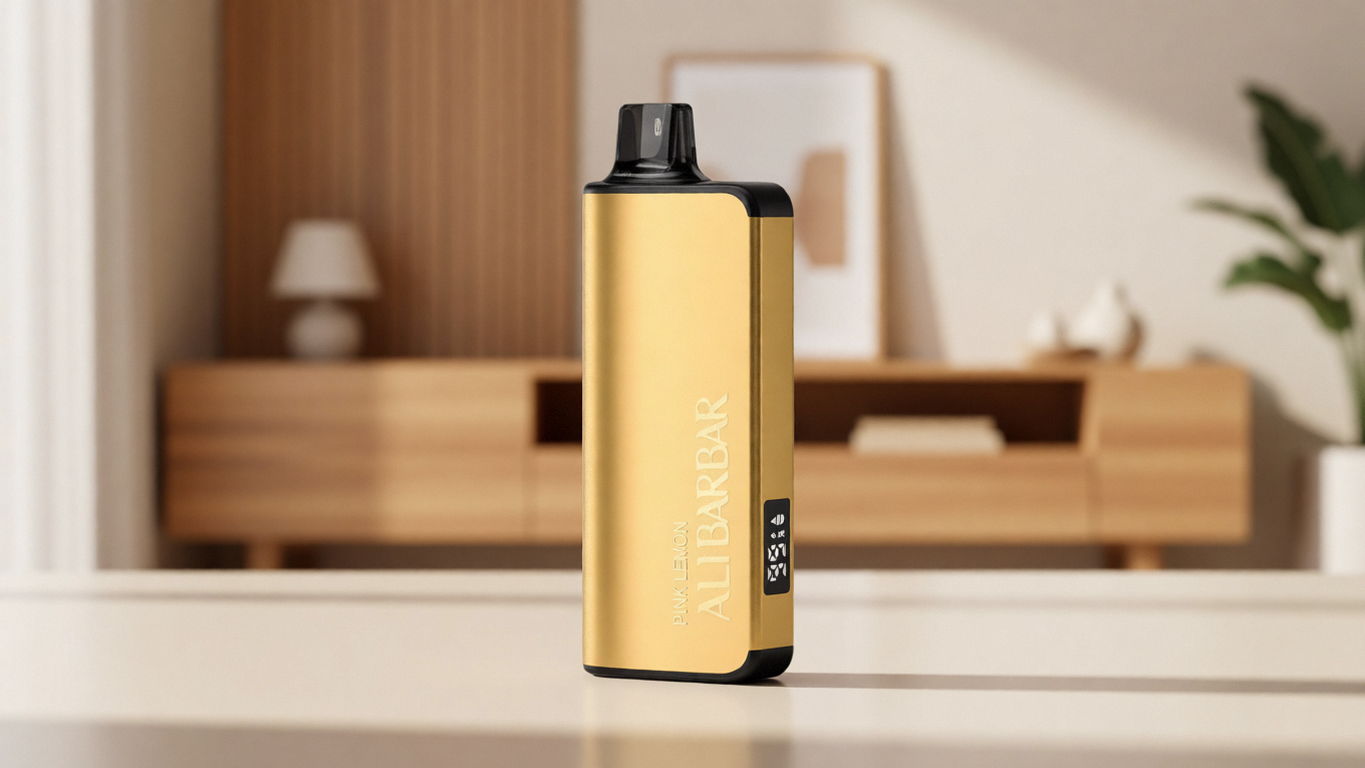
ALIBARBAR (OZVAPE Shop authorised inventory): The INGOT 9000 and INGOT 15000 share a common design language: mesh‑based heating architecture, Type‑C rechargeability, and large‑format e‑liquid reservoirs that delay refill anxiety. The Ice Adjust series adds an airflow slider that mechanically alters the draw resistance — a feature that addresses the common complaint that fixed‑draw devices never feel “just right.” Post‑purchase support is handled locally by OZVAPE Shop, so an Australian user who encounters a dead‑on‑arrival unit can speak to a human being rather than navigate an offshore returns portal.
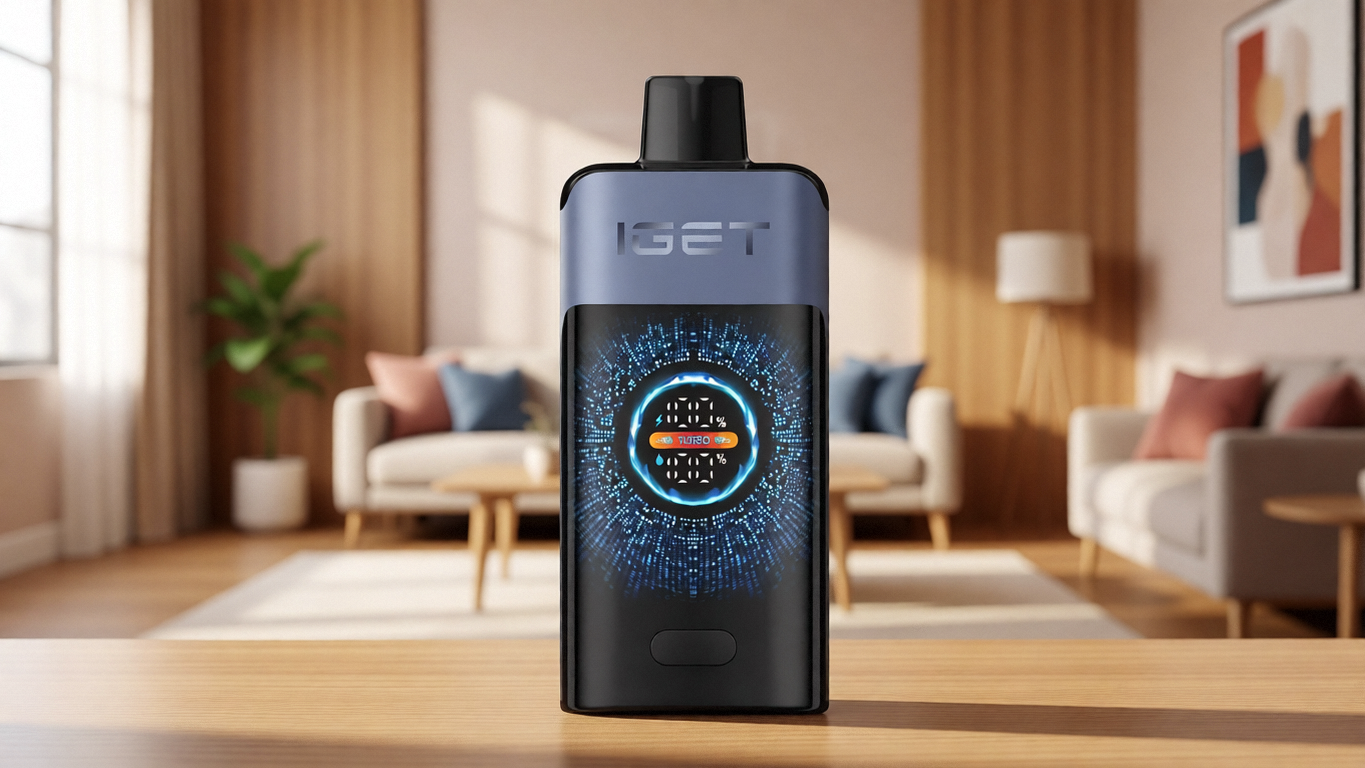
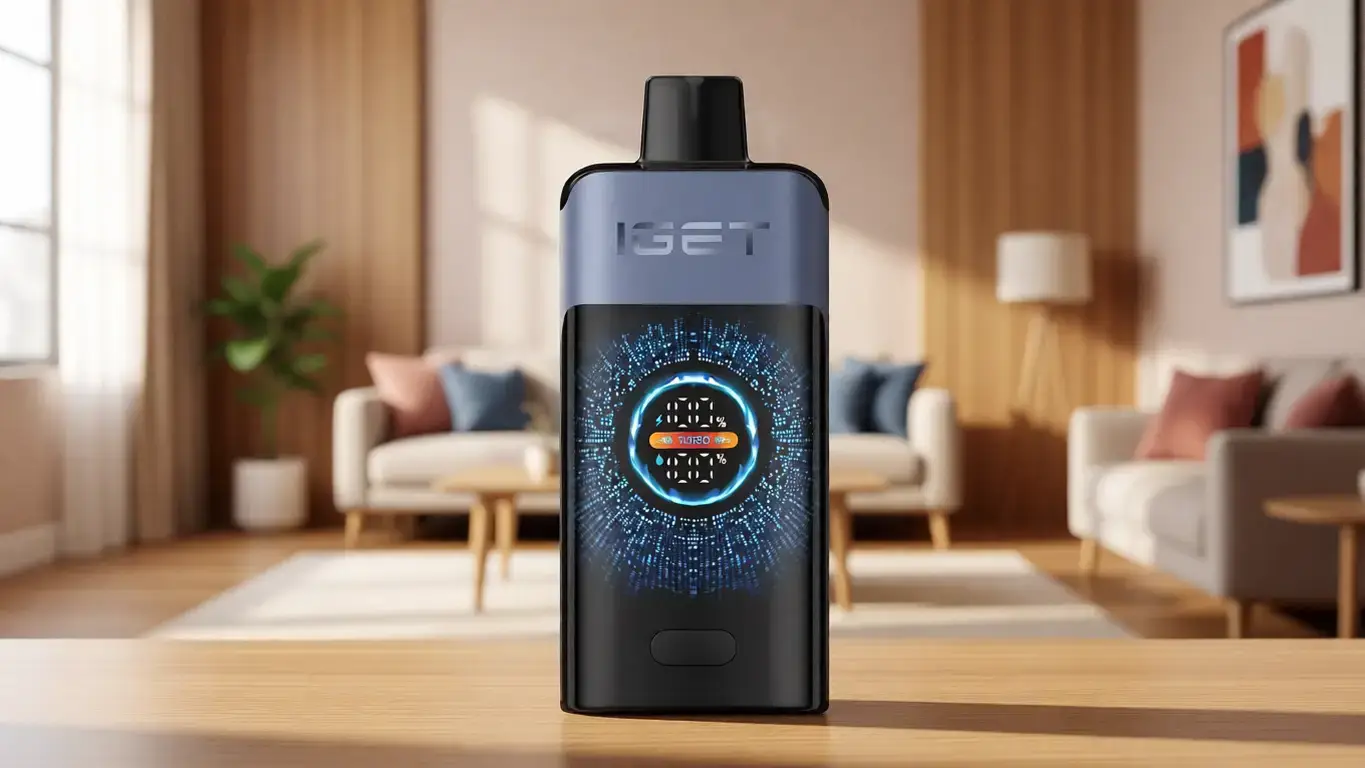
IGET: Widely available in convenience retail, the IGET Bar and Legend lines offer simplicity at the cost of feedback. No battery indicator, no e‑liquid gauge. The draw activation is reliable, but users report a perceptible drop in vapour density after roughly half the rated capacity, consistent with the silica‑wick hotspot phenomenon described earlier.
HQD: The Cuvie series competes on compactness and portability. The internal architecture, however, is a sealed rechargeable unit with no user‑replaceable components. If the power cell develops a fault — an increasingly common observation in high‑heat Australian conditions — the entire device must be discarded. This is a lifecycle cost that surprises many first‑time buyers.
Gunpod: Gunpod’s devices distinguish themselves with a large oil‑viewing window that lets you visually estimate remaining liquid. The output volume, however, is calibrated on the cooler end of the spectrum, producing thinner vapour than mesh‑based competitors. This is a deliberate design choice that some users prefer, but it can feel underpowered if you are accustomed to more substantial density.
What emerges is not a single “best” device; it is a map of trade‑offs. If you value transparency and thermal consistency, the engineering evidence points toward mesh‑based, feedback‑rich options. If you value ubiquity and low upfront cost above all else, that is also a valid preference — but enter that transaction with open eyes about what you are trading away.
A Practical Framework for Self‑Guided Evaluation
The next time you contemplate a replacement, walk through this checklist before committing money:
Demand a specification sheet, not just a listing. A credible retailer will show you the heating element type (mesh vs. coil) and the power cell capacity in mAh. If these numbers are absent, the seller is either unaware of why they matter or hoping you will not ask.
Ask what happens at 50% remaining life. “Will the draw feel the same as it does when new?” Any sales representative who hesitates or pivots to a marketing line has given you an answer.
Find a video of the device taken apart. Look for comments on the wick condition, the soldering quality on the power cell terminals, and whether the airflow path is a single straight channel or a convoluted maze that will trap condensation.
Clarify the warranty path. If a device fails within 48 hours, do you contact the retailer or a manufacturer on the other side of the Pacific? The answer determines how many business days you will spend without a working unit.
Standardised comparison — listing devices side‑by‑side by heating architecture, rated draws, rechargeability, and local support — reduces decision friction by converting subjective impressions into objective data. OZVAPE Shop maintains current ALIBARBAR specifications specifically to support this kind of side‑by‑side evaluation.
Selection Errors the Industry Does Not Discuss Publicly
Years of observing purchasing behaviour reveal patterns that cost buyers more than they realise. Here are four to recognise and avoid.
Overweighting the rated draw count. A device claiming 12,000 draws may sound superior to one claiming 9,000. But if the 12,000‑draw unit uses a silica wick that degrades noticeably at 6,000 draws, the effective consistent‑quality life is actually shorter. Look for consistency windows, not just headline numbers.
Confusing visual similarity with engineering equivalence. Two devices can share an almost identical exterior profile — aluminium body, rounded edges, coloured gradient — and contain radically different internals. One may be mesh; the other, a basic coil. The exterior tells you nothing about what happens inside the vapour channel.
Undervaluing modularity in per‑use cost calculations. A sealed device priced at $25 that lasts one week costs $3.57 per day. A rechargeable $45 device that lasts two weeks costs $3.21 per day — and generates less waste. The cheapest upfront price is rarely the cheapest over a quarter of continuous use.
Treating airflow adjustment as a gimmick. Variable airflow is not about “customisation” in the superficial sense. It directly influences the rate at which the heating element draws power and the temperature of the resulting vapour. A device that lets you tune this parameter extends the usable life of the element by preventing it from running excessively hot because of a too‑tight draw. Ignoring this feature is leaving engineering value on the table.
From the supply side, another observation: brands that change their distribution model every six months — shifting between wholesale partners, re‑entering markets, exiting again — create orphaned inventory that carries no warranty support. The reliability of the supply chain is as much a product feature as the mesh element.
Frequently Asked Questions
Q: How can I verify that an ALIBARBAR device is authentic before I open the package?
A: Each unit carries a traceable verification code on its outer packaging. You can submit that code through the manufacturer’s authentication portal. OZVAPE Shop receives inventory directly from authorised distribution channels, which adds a secondary layer of confidence.
Q: What does “rated draw count” actually mean in practical terms?
A: It is a laboratory measurement under standardised puff duration and airflow. Your actual count will vary with draw length and intensity. A 9,000‑draw rating typically translates to 5–7 days of moderate daily use for one adult.
Q: Is a higher mAh power cell always better?
A: Not necessarily. Higher capacity adds weight and size. The relevant metric is whether the power cell can sustain the rated draw count without voltage sag. A smaller, well‑regulated cell can outperform a larger, unregulated one.
Q: I left my device in a hot car. Is it still safe?
A: Extreme heat accelerates power cell degradation and can compromise internal seals. If the device emits an unusual odour, fails to activate, or shows visible deformation, discontinue use and recycle it through appropriate channels.
Q: What if I just want something small that I can use for a night out?
A: Consider a compact, rechargeable model with a capacity around 5,000–6,000 draws. The ALIBARBAR INGOT 9000 fits this profile: pocketable, consistent, and does not require a backup.
Q: How do I dispose of a device responsibly?
A: Devices containing lithium‑ion power cells should be taken to a designated battery recycling point, available at most major electronics retailers and council facilities. Do not place them in household waste.
Q: Can I return a device if I simply don’t like the flavour profile?
A: Policies vary by retailer. OZVAPE Shop handles returns on a case‑by‑case basis, prioritising factory defects and performance failures. Used devices cannot be resold, so taste‑preference returns are generally not accepted.
Q: How long will a USB‑C rechargeable device take to charge fully?
A: Most current models accept up to 1A charging. A fully depleted 600mAh cell will reach full capacity in 60–75 minutes on a standard adapter. Avoid fast‑charging hubs, which can exceed the device’s input tolerance.
Q: Why does my device get warm near the airflow inlet during extended use?
A: This is normal thermal transfer from the heating element to the housing. It becomes concerning only if the surface temperature reaches levels that are uncomfortable to hold — which indicates inadequate thermal dissipation and should prompt you to stop use.
Q: Where can I see all current ALIBARBAR specifications in one place?
A: OZVAPE Shop maintains a dedicated product catalogue with standardised specification listings, allowing direct comparison across models without needing to cross‑reference multiple sources.
Conclusion
The act of replacing a personal electronic device is, at its core, an exercise in corrected experience. The last unit failed you in specific, repeatable ways — power loss at the wrong moment, inconsistent output, wear that made you want to hide it in your palm. A genuine upgrade addresses those failures not with louder claims but with better architecture, honest feedback, and a supply chain that stands behind what it ships.
No single device works for every adult. A person who commutes two hours each way needs more capacity than someone who steps outside twice a day. A person who values tactile feedback above all else will gravitate toward materials and mouthpiece geometries that another user barely notices. The framework in this article — examine the internal architecture, demand transparency, map trade‑offs, and walk through a disciplined checkpoint before purchasing — is designed to surface your actual priorities, not the priorities the market imposes on you.
At OZVAPE Shop, the ALIBARBAR range is presented as one carefully documented set of options among many legitimate paths. The devices are here because their engineering aligns with the frustrations real users repeatedly describe. When you are ready to make the switch, you will not be choosing a brand; you will be choosing a design philosophy that either matches how you live or does not. Let that clarity guide the replacement decision.