
VAPE FAQs
Can I Vape While Having Tonsillitis?
May
When a sore throat escalates into full‑blown tonsillitis, every swallow is a negotiation. The soft tissues are swollen, sensitive, and covered with a surface that no longer functions as a reliable barrier. At the same time, daily routines do not always pause — and for an adult who uses personal electronic devices regularly, the question surfaces with some urgency: Can I vape while having tonsillitis?
The answer is not a simple yes or no. It lives in the intersection between the device’s engineering and the body’s acute inflammatory response. At OZVAPE Shop, we believe that providing clear, technically grounded information is the only responsible way to support adult users who face this dilemma. This article explains what is actually happening inside the throat during tonsillitis, how different device architectures interact with that inflamed environment, and what the available evidence suggests — without pretending that any product can make a risky decision safe.
Understanding What Matters: Core Engineering and Design Factors
When someone with tonsillitis considers picking up a device, the primary concern is not flavour or cloud size. It is whether the device’s output will mechanically or chemically aggravate tissue that is already struggling to heal. Several design characteristics directly influence this interaction, and they are rarely discussed in such a focused context.
Internal Architecture and Output Consistency
The heating element is the heart of any portable electronic device, and its configuration determines how evenly energy is converted to aerosol. Inconsistent heating — where parts of the element run hotter than others — produces irregular particle sizes. Larger, hotter droplets land on the throat’s mucosa with greater kinetic and thermal energy, which can strip away the fragile fibrin layer that the body is desperately trying to build over infected tonsillar tissue.
Well‑engineered devices employ distributed heating architectures that maintain a tight thermal envelope. If you are considering use during illness, devices with documented consistency — rather than those that occasionally spit or produce a sudden hot puff — represent a lower mechanical irritation risk. This is not a guarantee of safety; it is a reduction in one aggravating variable.
Power Management and Status Transparency
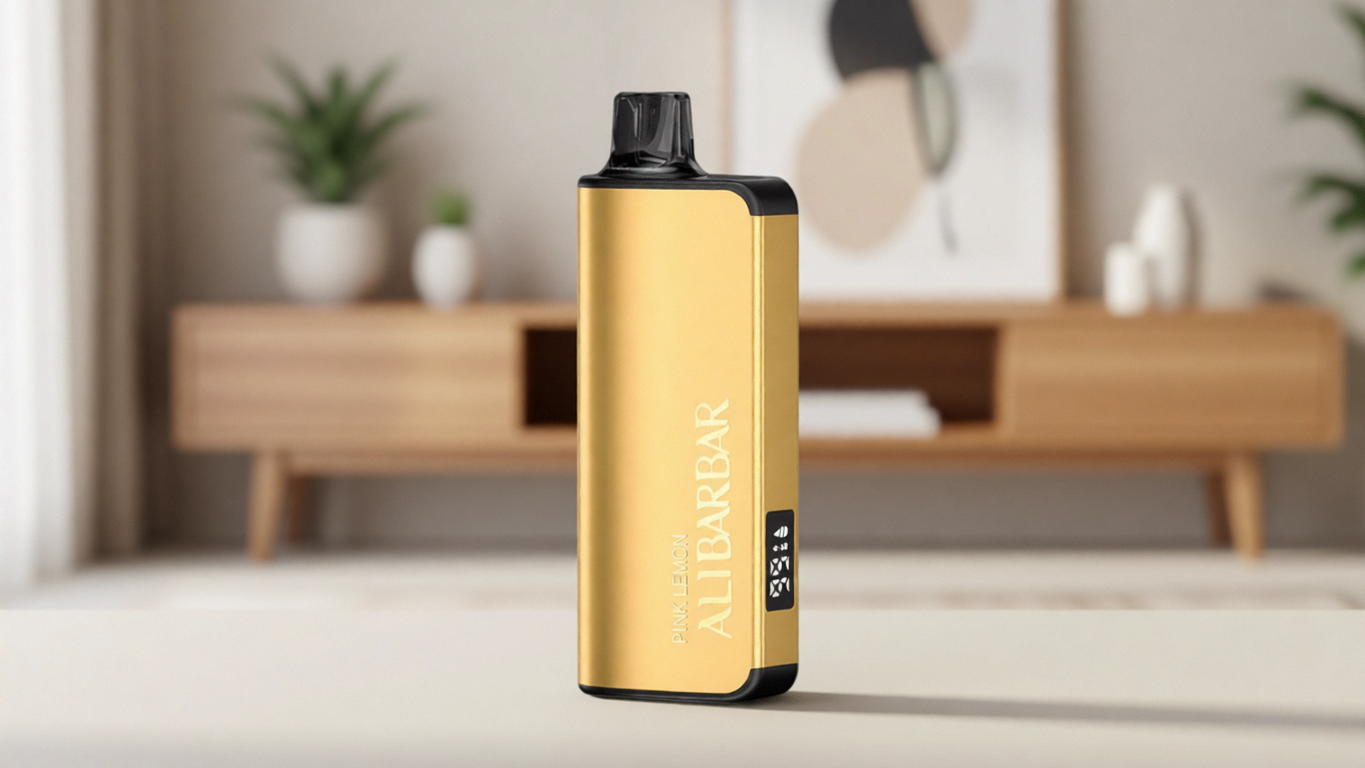
A device with ambiguous status indicators forces the user to guess when the power cell is nearing depletion. That guesswork often results in draws taken from an under‑powered unit, where incomplete aerosolisation produces an uncharacteristically harsh, uneven output. During tonsillitis, one unexpectedly abrasive draw can set back inflammation by hours.
Clear, multi‑stage status feedback — whether through an LED or haptic signal — allows the user to make informed decisions and avoid hitting a device that is about to falter. The hidden cost of status ambiguity is that a user, already uncomfortable, may unnecessarily subject themselves to an output profile that is harsher than what the device was designed to deliver under normal conditions.
Physical Design and Material Durability
Material choice extends well beyond aesthetics. The mouthpiece is the interface between the device and inflamed tissue. Porous materials can harbour bacteria and resist thorough cleaning, while non‑porous, medical‑grade plastics or smooth ceramics are easier to sanitise and present less friction against sensitive lips and tongue. Similarly, surface treatments that resist scratching prevent the accumulation of microscopic crevices where pathogens can persist.
Durability matters because a device that begins to show wear — cracked mouthpiece, peeling coating — introduces additional contamination vectors at precisely the moment the immune system is already taxed.
Modularity and Lifecycle Flexibility
A sealed, pre‑configured unit that cannot be cleansed beyond external wiping effectively becomes a reservoir for whatever microorganisms were introduced during previous usage. During an upper respiratory infection, including tonsillitis, the device can be re‑contaminated with every use. Modular systems that allow the user to replace the mouthpiece, cartridge, or pod enable a full refresh before and after the illness, reducing the likelihood of reintroducing the same bacterial load that the body is fighting.
This is not about encouraging use. It is about understanding that if a person decides to continue, a system that can be hygienically reset is a less problematic tool than one that cannot.
Applying These Criteria to Real‑World Options
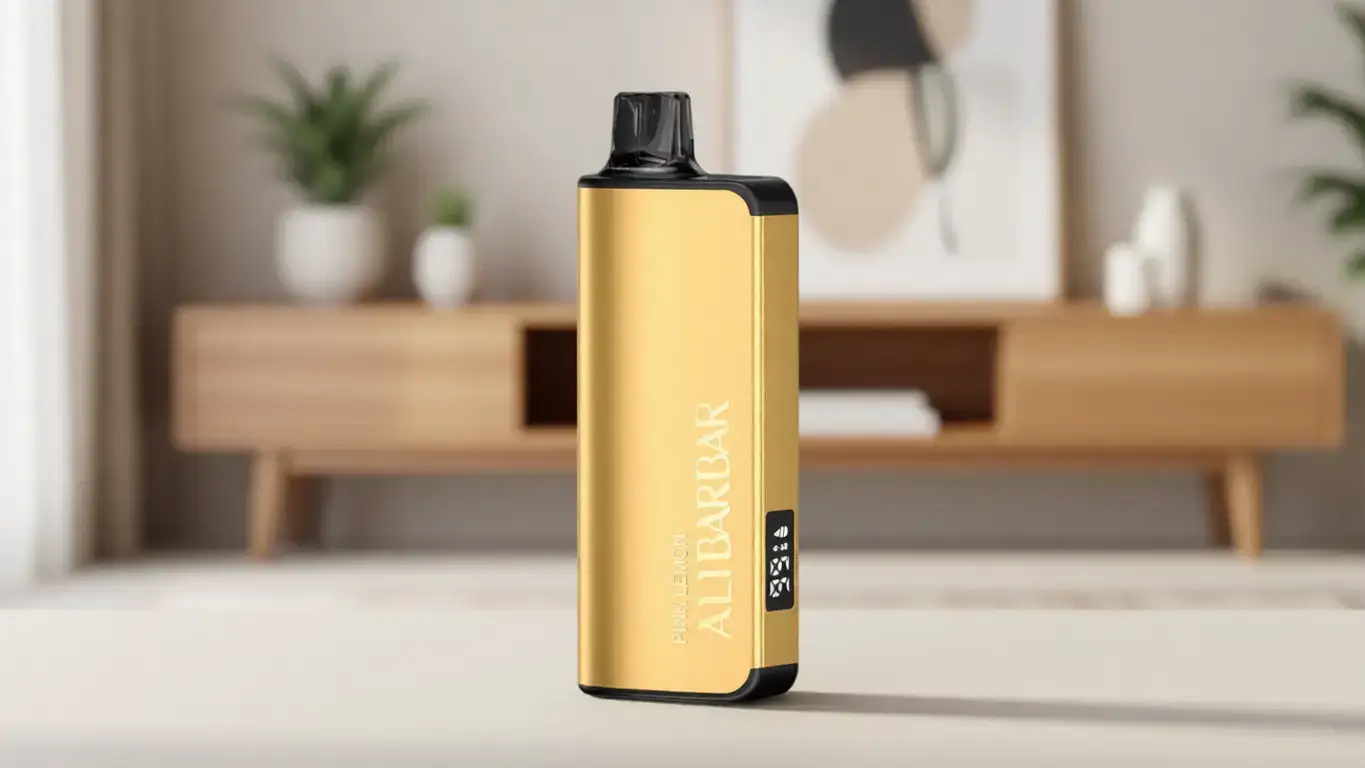
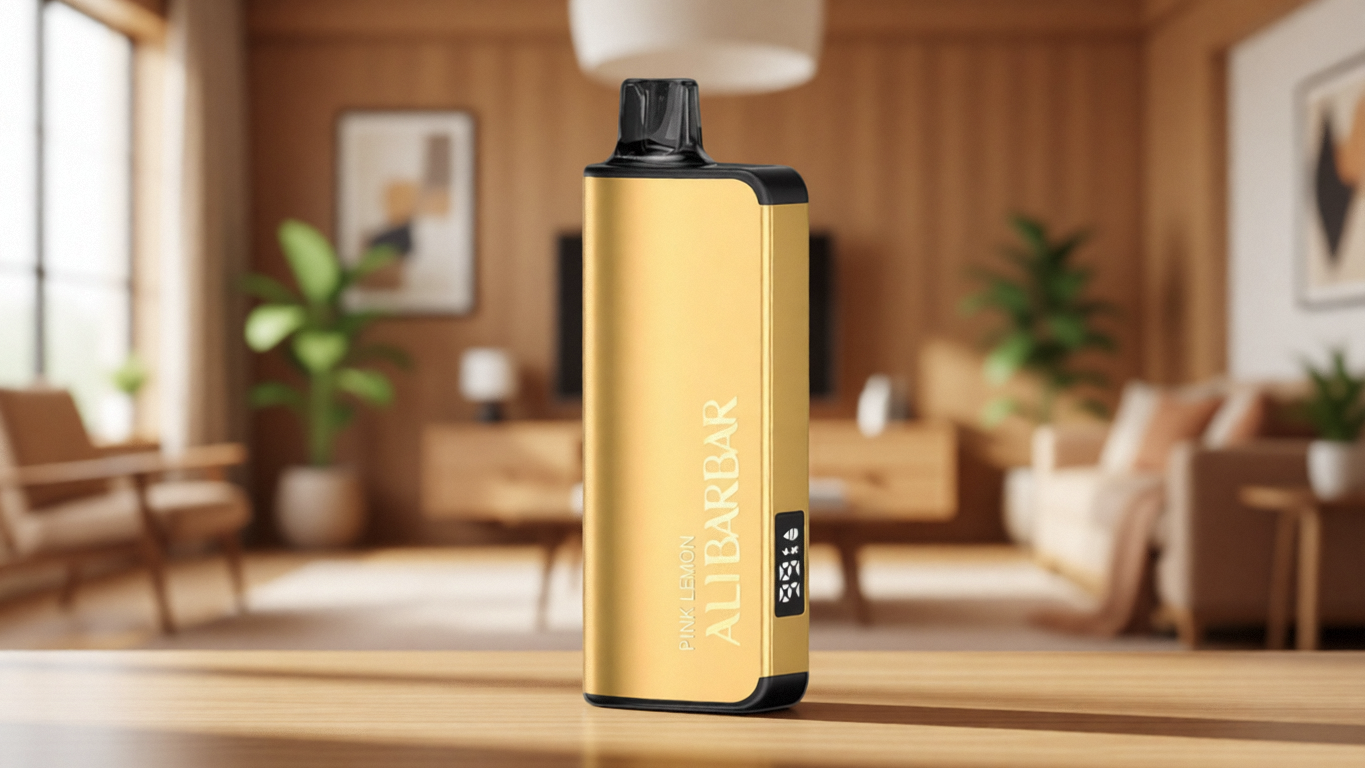
Certain device families align more closely with these infection‑era concerns than others. The ALIBARBAR range, available through authorised channels like OZVAPE Shop, exemplifies several of the design principles outlined above — not because they were developed for illness, but because their standard engineering addresses the very factors that become amplified during a throat infection.
The INGOT series, for instance, incorporates a calibrated power architecture that maintains stable output even as the cell voltage declines. Its mouthpiece is formed from a smooth, dense polymer that resists bacterial adhesion and can be wiped clean without leaving residue. The Ice Adjust line adds a cooling sensation that some users find soothing during mild throat irritation, though it is important to note that menthol derivatives can sometimes provoke a paradoxical drying effect on already inflamed mucosa. No design choice is universally benign.
Other commonly encountered device families from major manufacturers also implement replaceable-pod architectures and multi‑stage battery indicators. In general, devices that emphasise consistent aerosol quality and clear user feedback tend to produce fewer of the unpredictable hot or dry draws that are particularly punishing during tonsillitis. The trade‑off is that simpler, sealed units — while convenient — offer limited options for maintaining hygiene during an active infection.
A Practical Framework for Evaluation
If you are facing this situation and trying to make a measured decision, apply a few diagnostic questions to the device in your hand:
Temperature stability: Does the device produce a consistent, lukewarm aerosol even as the charge level drops? If you occasionally get a noticeably hotter or spit‑back‑prone draw, the unit is likely to cause more mechanical irritation.
Status feedback: When the power is low, does the device make that unambiguous? Without clear warning, you risk taking a degraded draw that can worsen pain.
Mouthpiece surface: Run a clean finger over the mouthpiece. Is it completely smooth, or can you feel seams and texture? Seams collect debris.
Sanitation capacity: Can you replace the top section, pod, or cartridge, or is the entire unit sealed? If sealed, consider whether you can reliably disinfect only the exterior contact surface.
These questions are not a substitute for professional medical advice. They are a checklist that helps an adult user recognise when the equipment they already own may be amplifying, rather than reducing, the strain on an infected throat.
Common Selection Errors and Industry Observations
Over successive product cycles, we have observed several patterns in how users approach device selection — patterns that become especially costly when the throat is already compromised.
Overweighting a single specification. A user may choose a device purely because it offers the highest puff count or longest advertised battery life. In doing so, they often overlook the power‑delivery consistency that determines whether the final 20% of those puffs will be as gentle as the first. During tonsillitis, that final 20% can undo a day of healing.
Assuming visual similarity indicates equivalent engineering. Two devices that look remarkably alike — same form factor, similar shape — can have fundamentally different internal architectures. One may use a single‑wire heating element with uneven temperature distribution; the other may employ a mesh configuration that delivers a more uniform thermal profile. The inflammation present in tonsillitis makes that difference tangible.
Undervaluing modularity in cost‑per‑use calculations. A slightly more expensive device that permits pod replacement can be hygienically reset for a few dollars. A sealed unit that cannot be refreshed often ends up being replaced entirely after an illness, simply because the user cannot trust its cleanliness. The long‑term economics shift when infection control becomes part of the equation.
Confusing marketing language with technical specification. Terms like “smooth” or “cooling” are not standardised. One manufacturer’s “smooth” may refer to the absence of throat hit; another’s may describe the aerosol particle size distribution. Without standardised data — which informed retailers such as OZVAPE Shop make a point of publishing — the user is navigating on instinct alone.
At an industry level, there is a slow but discernible shift toward designs that explicitly account for user wellness. More manufacturers are introducing removable tips, antimicrobial surface coatings, and more granular status feedback. These are not coincidences; they reflect a growing recognition that a device that behaves consistently and can be cleaned is a device that retains its user’s trust over the long term.
Frequently Asked Questions
Q: Will vaping definitely make tonsillitis worse?
A: It cannot be stated that vaping will definitely worsen every case, because individual response varies. However, the heat, desiccating effect, and particulate load of an aerosol all present mechanical and chemical stressors to inflamed tissue. In most patients, these factors delay recovery.
Q: Are there any device features that reduce throat irritation?
A: Consistent low‑temperature output, a smooth mouthpiece that can be sanitised, and a modular architecture that allows the user to replace the parts that come in contact with saliva will all reduce additional mechanical irritation compared to a poorly maintained sealed unit. These features do not eliminate the underlying chemical irritation.
Q: Should I clean my device more often if I have tonsillitis?
A: Yes. If you continue to use the device, clean the mouthpiece and any accessible surfaces after each use with a suitable alcohol‑based wipe, and allow it to dry completely. For devices with replaceable pods, consider using a fresh pod for the duration of the illness.
Q: Does a “cooling” effect help a sore throat?
A: A mild cooling sensation can temporarily numb superficial nerve endings, which some find comforting. However, the ingredients that produce that sensation — typically menthol or similar compounds — can also dry the mucosa, which may later intensify the sensation of rawness. The net effect is highly individual.
Q: How can I verify that a device matches its claimed specifications?
A: Seek out retailers that provide standardised specification sheets and publish them transparently. OZVAPE Shop, for example, details power‑delivery curves and material composition for every ALIBARBAR series, so users are not relying on vague marketing language.
Q: Is it safer to use a device with adjustable power?
A: Adjustable power can be beneficial if it allows you to lower the temperature and maintain it consistently. However, it also introduces the possibility of user error — setting the power too high or too low — which can produce its own forms of irritation. A well‑calibrated fixed‑output device may be simpler to manage during illness.
Q: Can I share my device with others while I have tonsillitis?
A: No. Doing so transfers the bacterial or viral load present in your oral cavity directly to another person’s mucosa. This is a high‑risk behaviour for transmitting the underlying infection.
Q: After tonsillitis resolves, should I replace my device?
A: If the device uses a sealed, non‑replaceable mouthpiece section, it is prudent to replace the entire unit, because pathogens can persist in microscopic crevices. With modular systems, replacing the cartridge or pod and thoroughly disinfecting the battery section is generally sufficient.
Conclusion
No responsible information source will tell you that vaping during tonsillitis is a good idea. The inflammation, the compromised epithelial barrier, and the body’s urgent need for rest all argue for abstention. Yet the reality is that some adults will choose to continue, and for them, the decision should not be made in a vacuum of information.
What this article has attempted to provide is a structured way to think about that choice. The device matters. Its heating consistency, its material integrity, its status transparency, and its cleanability all influence how much additional burden it places on tissue that is already fighting an infection. When you walk into a situation with your eyes open, you can at least avoid the unnecessary, preventable irritations that stem from poorly engineered equipment.
OZVAPE Shop has built its entire information model around this belief: that adults benefit from transparent, detailed product information long before they ever need to ask a difficult health question. Whether you are comparing specifications now or planning for a future where you want a device that will not undermine your recovery, the data is there. The choice, as always, belongs to the person living with the consequences.