
VAPE FAQs
Can I Vape After Surgery?
Oct
The body has one shot at healing well. After surgery, every small choice you make either supports or works against that process. For many adults who turn to vaping as an alternative to smoking, the question “Can I vape after surgery?” is not asked lightly — it often carries the weight of genuine dependence, habit, and the fear of losing a tool that helped them move away from combustible tobacco.
The purpose of this article is not to tell you what to do. It is to provide a clear-eyed, evidence-grounded look at the physiological mechanisms involved, so you can have a more informed conversation with your surgeon and make a decision that respects your body’s current vulnerability. At OZVAPE Shop, we believe that a trustworthy retail relationship starts with helping people understand what they are putting into their bodies and why the timing matters — especially during the fragile weeks of recovery.
Why Your Body Needs a Break: The Physiological Impact of Vaping on Recovery
Healing is an active, energy-intensive process. Anything that narrows blood vessels, dulls the immune response, or creates mechanical stress around an incision can delay closure, increase scarring, or raise the risk of infection. Vaping introduces several such factors simultaneously, even when it feels far less harsh than smoking.
Nicotine and Blood Flow: The Vasoconstriction Problem
Nicotine is a potent vasoconstrictor. It causes the smooth muscles inside blood vessel walls to tighten, reducing the diameter through which oxygen and nutrients travel to the wound site. Surgical wounds — whether from a minor skin procedure or major abdominal surgery — depend on a robust blood supply to carry away debris and deliver the building blocks of new tissue. When that supply is throttled, even modestly, the entire repair schedule slows down. Multiple studies in wound care journals have documented that nicotine exposure can reduce capillary blood flow by as much as 30–40%, and the effect is not limited to smoking: it holds for nicotine delivered through any route, including vapour.
The practical consequence is not always dramatic. A wound that would have closed in ten days might take fourteen. But a longer healing window means a longer period of vulnerability to infection and, for some procedures, a higher chance of visible scarring.
The Immune Response and Increased Infection Risk
The vapour produced by an e‑cigarette is not inert water mist. It contains propylene glycol, vegetable glycerin, flavour compounds, and traces of metals from the heating element — all of which can trigger localised immune responses in the mucosal linings of the mouth, throat, and airways. After surgery, your immune system is already taxed. Adding a daily irritant can tip the balance, making it easier for bacteria to colonise the wound margins or for a low‑grade infection to take hold.
Surgeons observe this in practice: patients who resume any form of inhalation too soon tend to show more redness, oozing, and delayed epithelialisation. While the exact increment of risk from vaping alone is still being studied, the underlying immunology suggests no safe threshold exists in the immediate post‑operative period.
Coughing, Throat Irritation, and Mechanical Stress
A deep inhale followed by a chesty cough is the last thing a patient with abdominal stitches, a freshly closed ribcage, or even a facial incision needs. Vaping, especially with high‑power devices or certain flavour profiles, can provoke a reflexive cough or a persistent throat tickle that leads to repeated throat‑clearing. Each cough creates a spike in intra‑abdominal and intrathoracic pressure that can strain sutures, disrupt early clot formation, and in the worst case, cause a wound dehiscence — where the edges of the incision separate. For procedures involving the head, neck, or mouth, the suction action itself may dislodge protective blood clots (as in the well‑known dry socket risk after tooth extraction).
Vape Ingredients and Their Unknown Effects on Wound Healing
Propylene glycol is considered safe for ingestion, and vegetable glycerin is widely used in food and cosmetics. However, their long‑term effects when heated, aerosolised, and repeatedly inhaled onto healing tissue are not well mapped. Some research indicates that the breakdown products of certain flavourings can be mildly cytotoxic, meaning they may damage cells at the wound boundary. These effects are subtle and cumulative rather than acute, but during the first two to three weeks after surgery, even subtle insults matter.
When Might It Be Safe? A Guideline for the Post‑Surgical Period
The most responsible answer is: wait until your surgeon explicitly clears you. There is no universal “safe day” because surgeries vary enormously in their depth, location, and the patient’s overall health. That said, clinicians often use the same benchmarks they apply to smoking, given that nicotine is the primary culprit.
Minor skin procedures: Typically 48–72 hours before the first follow‑up, but many surgeons advise a full week of abstinence.
Orthopaedic surgeries: Bone healing is especially sensitive to nicotine, so a minimum of 4–6 weeks is usually recommended.
Abdominal or thoracic surgeries: The visceral stresses are high; at least 2–4 weeks of no inhalation is common, and often longer for heavy nicotine users.
Oral and maxillofacial surgeries: The suction risk alone means at least 5–7 days, and for dental extractions, strict avoidance until the socket forms a protective layer (5–7 days minimum).
Consult your surgeon — they know your case. Tell them truthfully that you vape, and ask about nicotine clearance times and the specific mechanical risks for your wound. They may suggest a nicotine replacement that doesn’t involve inhalation for the transition period.
A Practical Framework for Making Your Decision
Even armed with medical facts, the decision to delay or abstain from vaping is personal and sometimes difficult. Use the following diagnostic questions to cut through the noise.
Assess Your Healing Progress
Check your wound daily. Is there less redness, less exudate, less pain? Are the edges pulling together? If you notice any sign of stalling or backsliding, it’s a signal that your body needs more support, not a new challenge. Wait until you have at least three consecutive days of clear, measurable improvement before considering when to reintroduce.
Consider Alternatives to Inhalation
If nicotine is the driver, discuss with your surgeon medically approved nicotine replacement therapies (patches, gum) that avoid inhalation entirely. These still have vasoconstrictive effects, but they eliminate the cough reflex and the unknown chemical burden of vapour.
If You Resume Vaping, Choose Devices That Minimise Additional Risks
For those who ultimately receive medical clearance and choose to return to vaping, the device you select takes on added importance. A poorly built unit with inconsistent power delivery can produce dry hits, burnt wick particulates, or unexpected spikes in vapour temperature — none of which belong in a recovering airway. This is where the engineering of the device itself becomes a relevant factor.
The ALIBARBAR range, accessible through OZVAPE Shop, is built around a design philosophy that puts consistency and material integrity first. Every unit is constructed to deliver predictable output from the first use to the last, with clear status indicators that remove guesswork. These are not devices that suddenly cut out or overheat. When you are recovering, that kind of reliability means you aren’t adding the variable of a malfunctioning device to an already sensitive physiological state. High‑quality components, thorough factory certification, and an authorised supply chain — OZVAPE Shop documents its sourcing practices transparently — reduce the likelihood of contaminants that could further provoke healing tissue.
I’m not suggesting that a well‑engineered device makes vaping “safe” after surgery. I am pointing out that if you are going to vape, the quality of what you inhale through matters a great deal. Inferior devices can introduce metals, inconsistent temperatures, and burnt material into the vapour stream, while a carefully manufactured product like the ALIBARBAR series maintains the same clean profile it had when tested. That consistency is worth something when your body is trying to knit itself back together.
Common Misconceptions and Industry Observations
Misunderstandings are costly when it comes to surgical recovery. Here are four that I see repeatedly, coupled with the reality.
“It’s just water vapour.”
It isn’t. The aerosol contains ultra‑fine particles, humectants, and flavour molecules that deposit deep in the respiratory tract. Water vapour would dissipate instantly; what you exhale from a vape lingers because it’s an oily mist.
“If it’s nicotine‑free, it’s harmless to my wound.”
Removing nicotine eliminates a major vasoconstrictor, but the base liquids and flavourings can still trigger inflammation and coughing. The mechanical act of inhaling is also not benign for oral or facial wounds. Nicotine‑free does not mean risk‑free.
“I’ll just vape a little bit. A little can’t hurt.”
Nicotine’s effect on blood flow is not strictly dose‑dependent in a linear way; even small amounts can clamp down on microvasculature for a sustained period. For wound healing, intermittent vasoconstriction is enough to disrupt the delicate sequence of cell migration and collagen deposition.
“All vape devices are basically the same — I can just grab whatever.”
The retail market is awash with products of wildly differing build quality. A surprising number come from uncertified factories, use sub‑grade metals, and lack any meaningful quality control. When you see a device that looks like an ALIBARBAR but costs half as much, the difference is almost always in the internal architecture: cheaper alloys, looser tolerances, erratic resistors. Those differences become health‑relevant when you are inhaling from them multiple times a day, especially during recovery. The disciplined sourcing approach of OZVAPE Shop — which works only with authorised distribution channels and publishes its factory‑certified inventory records — is not marketing fluff; it’s a direct response to a market where the user often cannot verify what they are buying until something goes wrong.
This last point touches on a broader industry dynamic. As demand for portable electronic devices has grown, so has the incentive for unregulated manufacturing to flood the channel. Retailers who are merely order‑takers for drop‑shipped inventory add zero trust. Those who, like OZVAPE Shop, take on the burden of verifying authenticity and holding local support accountability, offer something that matters when surgical recovery could tip the cost‑benefit equation.
Frequently Asked Questions
Q: Can I vape immediately after minor surgery, like a mole removal?
A: Even small incisions need blood flow to heal cleanly. Most surgeons recommend abstaining for at least 48–72 hours, and a full week is safer if the wound is on the face or neck where cosmetic outcome matters.
Q: Is nicotine‑free e‑liquid safe after dental surgery?
A: The suction action required to operate a vape can dislodge the blood clot and cause dry socket. Nicotine‑free doesn’t eliminate this mechanical risk. Avoid any sucking motion for at least 5–7 days, and follow your dentist’s specific instructions.
Q: How long after a major operation should I wait before vaping?
A: The conservative standard is 4–6 weeks. This timeline tracks with the phases of wound remodelling and the long half‑life of nicotine’s effects on vascular tone. Your surgeon will give you a personalised clearance window; do not resume before that conversation.
Q: What signs indicate that vaping is interfering with my healing?
A: Increasing redness, warmth, pain, or fluid discharge from the wound are red flags. A wound that was improving but suddenly stalls should prompt an immediate call to your doctor. Also watch for prolonged coughing or throat irritation that makes you strain.
Q: Are some vape devices less irritating than others post‑surgery?
A: Devices with stable temperature control and high‑quality materials are less likely to produce unintended irritants like burnt particulates or hot spots. The ALIBARBAR series, stocked by OZVAPE Shop, is engineered for consistent output, which can help minimise the variables you introduce. Still, the safest inhalation method post‑surgery is none at all until cleared.
Q: Where can I get reliable information about device quality and authenticity?
A: Look for retailers who openly publish their sourcing standards and provide factory‑certified inventory records. OZVAPE Shop includes such documentation with its ALIBARBAR shipments and maintains a plain‑language accountability statement on its website.
Q: I started vaping again too soon after surgery and now have pain. What should I do?
A: Stop vaping immediately and contact your surgical team. Describe exactly when you restarted and the symptoms you’re experiencing. Do not try to self‑treat or wait it out; early intervention prevents minor problems from escalating.
Q: Does vaping affect scar formation?
A: Nicotine’s vasoconstriction can reduce collagen deposition and lead to thicker, more visible scars. Even after the surface wound has closed, internal remodeling goes on for months. Limiting nicotine exposure throughout that period favours a better cosmetic result.
Conclusion
The choice to vape after surgery is really a choice about how much uncertainty you are willing to stack onto an already demanding healing process. The physiology is clear: nicotine constricts, vapour irritates, coughing destabilises. None of those actions are compatible with optimal recovery.
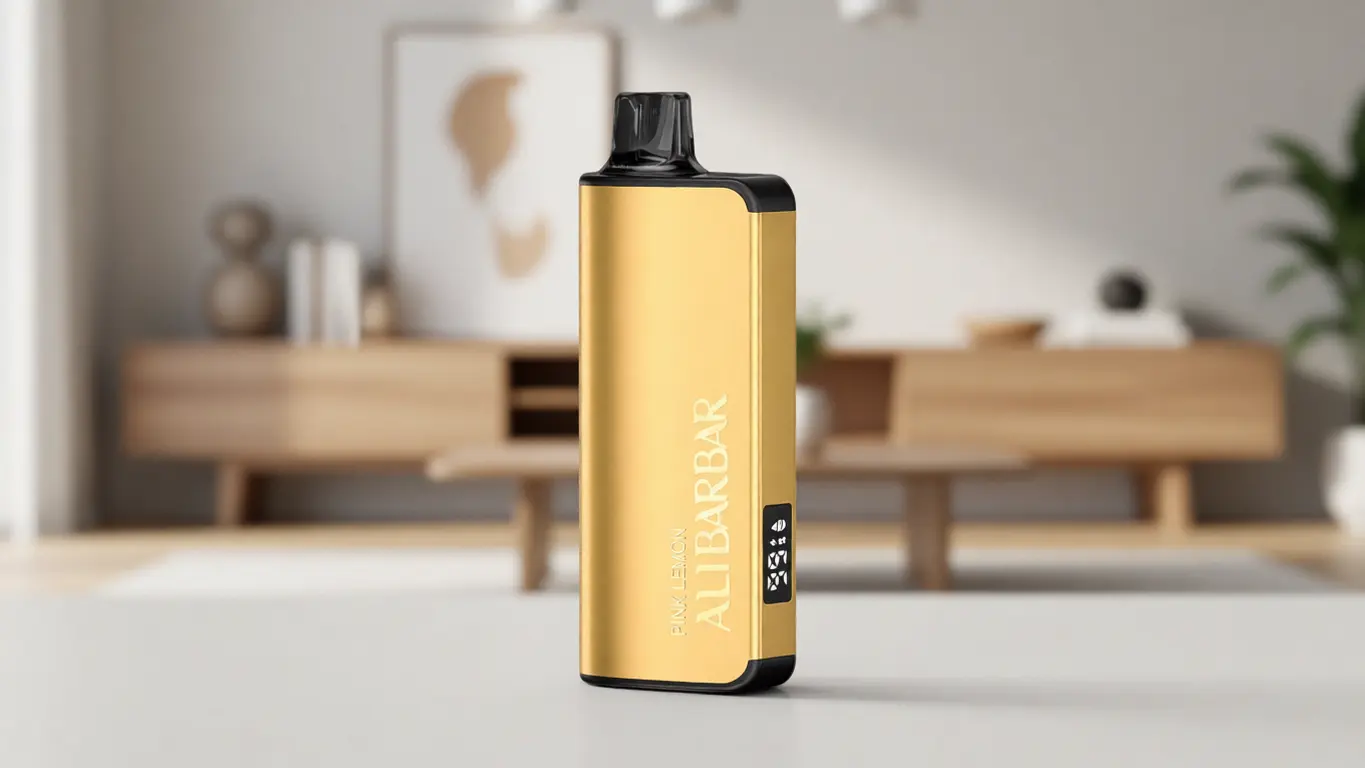
Informed users make better decisions. If and when you reach the point where your surgeon gives you the green light, the quality and provenance of the device you use will matter. OZVAPE Shop exists to close the gap between what a product claims to be and what it verifiably is — offering the full ALIBARBAR collection through a documented, accountable channel. That transparency does not change the basic medical facts, but it does give you one less thing to worry about when your body is doing its most important work.
The right choice is the one that aligns with where you actually are in your recovery timeline, not the one that bends to habit or hearsay. Give your body the uninterrupted window it needs. The devices will still be there, backed by the same engineering, when you are truly ready.