
VAPE FAQs
Can Vape Pens Get You High?
Oct
Can Vape Pens Get You High?
The question is deceptively simple. It gets asked by curious adults who have heard conflicting accounts, by experienced users trying to decode a new product category, and by people who are simply looking for clarity in a market that often prioritises novelty over explanation. Beneath that one-line question lies a fundamental misunderstanding about how these devices actually work. A vape pen is, at its core, nothing more than a portable power source attached to a heating element. It has no inherent psychoactive effect. The answer depends entirely on what substance is loaded into it, how that substance is formulated, and what temperature the device reaches.
This article unpacks the engineering and chemistry that determine what a vape pen delivers to the user. It draws on observable design principles, substance‑specific temperature requirements, and the kinds of practical decisions that separate devices optimised for one purpose from those built for another. For adults who already trust retailers like OZVAPE Shop as a source of factory‑certified devices, the following information should make those decisions clearer—not by pushing a particular product, but by explaining what the hardware can and cannot do.
Understanding What Matters: Core Engineering and the Psychoactive Question
Whether a vape pen produces a “high” is not a matter of brand or colour. It is a matter of substance and thermal control. Three engineering factors determine the outcome.
The Heating Element and Substance Delivery
A vape pen heats a liquid, wax, or solid substrate until it aerosolises. The heating element—typically a ceramic coil, quartz rod, or cotton‑wrapped wire—is chemically inert. It does not add anything to the vapour except heat. If the substrate is a standard nicotine e‑liquid, the user receives nicotine, a stimulant that can produce mild lightheadedness or a brief “buzz” in non‑tolerant individuals, but not intoxication. If the substrate contains delta‑9‑tetrahydrocannabinol (THC), a psychoactive cannabinoid, then the vapour will produce the well‑documented cannabis high. The device itself is agnostic; it merely executes a heating cycle.
This is why users consistently report disappointment when they assume a device purchased from a nicotine‑focused retailer will produce cannabis‑like effects. The hardware is often identical in principle, but the consumable is fundamentally different.
Temperature Control and Cannabinoid Activation
When a vape pen is used for cannabis extracts, the temperature must reach at least 157°C to decarboxylate THCA into active THC, and most users find the optimal range between 175°C and 210°C. Below that threshold, little psychoactive effect occurs regardless of how much oil is present. Many nicotine‑oriented devices—including the ALIBARBAR INGOT and Ice Adjust series—are calibrated to a narrow band optimised for e‑liquid viscosity and nicotine delivery, typically between 190°C and 220°C at the coil. That band could theoretically activate THC if it were present, but it is not optimised for the thicker, more viscous oils used in cannabis cartridges. Attempting to use such oils in a device not designed for them often results in clogged airflow, burnt‑tasting hits, and unreliable activation.
Thus, even if a user were to introduce a psychoactive substance into a general‑purpose vape pen, the hardware’s thermal profile might undermine the desired effect.
Device Architecture and User Experience
The physical design—draw‑activated versus button‑fired, disposable versus refillable—also shapes whether a device lends itself to one use case or another. Disposable vape pens like those in the ALIBARBAR family are sealed units with a fixed e‑liquid reservoir, non‑rechargeable battery, and calibrated airflow. Their architecture removes user variables: no temperature adjustment, no coil replacement, no risk of misloading. For an adult relying on consistent nicotine delivery throughout the day, that predictability is an asset. For someone seeking to experiment with different substances, however, that same sealed design is a limitation, because the device is locked to the specific formulation it was filled with at the factory.
Applying These Criteria to Real‑World Options
The market divides cleanly into two categories: devices built for nicotine e‑liquid and devices built for cannabis concentrates. The distinction is not cosmetic; it is structural.
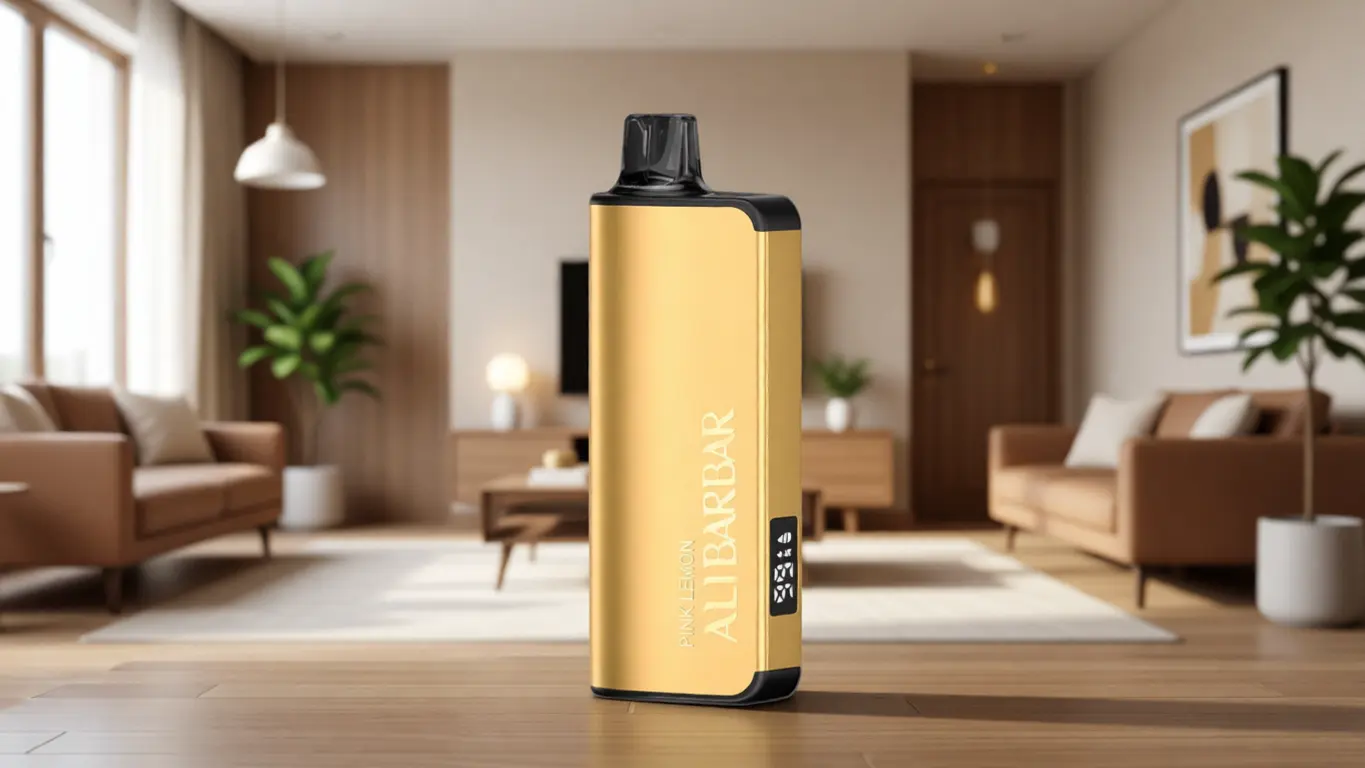
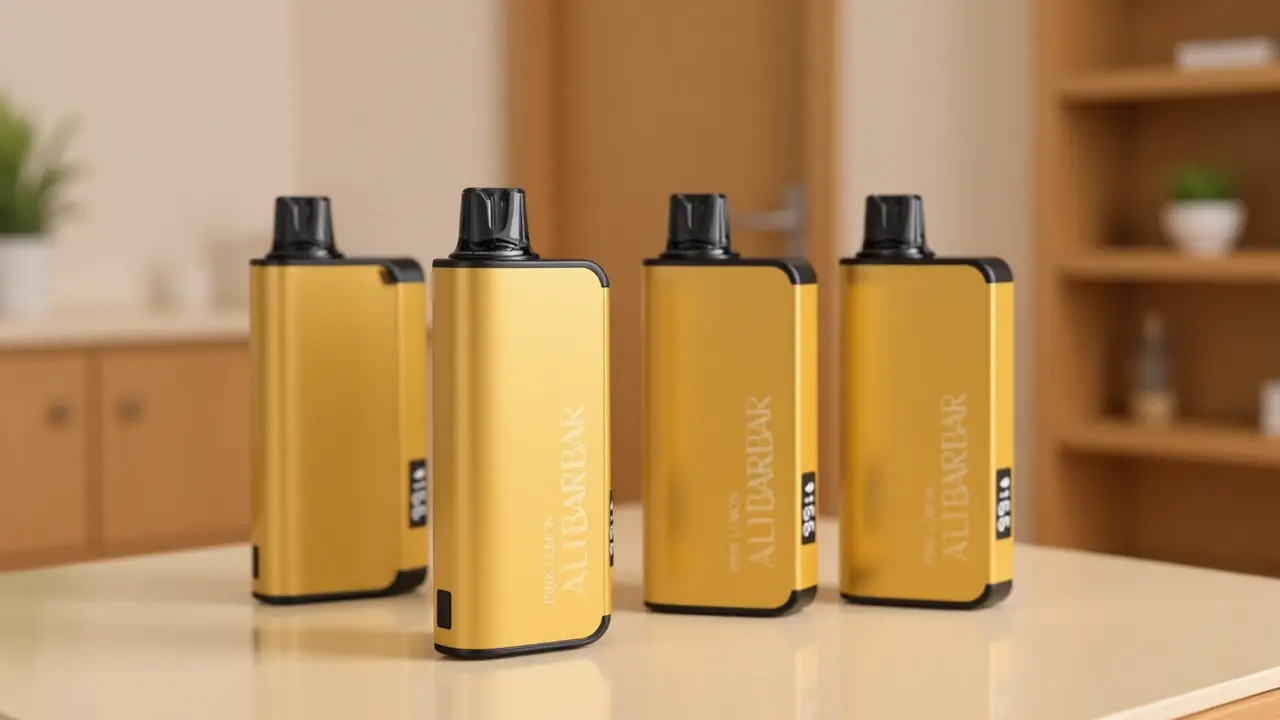
Nicotine‑first devices (like the ALIBARBAR INGOT 9000 and INGOT 15000) prioritise compactness, leak resistance, and a smooth, consistent draw over thousands of puffs. Their e‑liquid formulations are thin, containing propylene glycol and vegetable glycerin as carriers, plus flavourings and pharmaceutical‑grade nicotine. They are designed to satisfy a stimulant craving, not to alter perception. The “hit” a new user might feel is a transient nicotine rush—often described as lightheadedness or slight dizziness—that fades as tolerance builds. No intoxication occurs.
Cannabis‑focused devices use broader temperature ranges, are often button‑activated to allow pre‑heating, and employ ceramic or quartz chambers that can handle thick, waxy concentrates. They are openly marketed as tools for consuming THC or CBD. Reputable manufacturers print detailed cannabinoid content on packaging. These devices will get you high if they contain THC, but they are a separate product category with distinct retail channels.
A common point of confusion arises when terms like “vape pen” are used interchangeably across both markets. From an engineering standpoint, the core components—battery, heating coil, mouthpiece—are similar, but the calibration and consumable compatibility are not. That is why a user who picks up a high‑quality nicotine vape pen expecting a psychoactive outcome will be disappointed, while a user who inadvertently obtains a THC device without understanding its contents may experience an unexpectedly strong effect.
A Practical Framework for Evaluation
If you are an adult trying to understand what a particular vape pen will do for you, the following diagnostic sequence can prevent costly mistakes:
Identify the intended substance. Does the packaging clearly state “nicotine,” “THC,” “CBD,” or something else? If it is ambiguous, do not proceed.
Check the viscosity and carrier base. Nicotine e‑liquids are typically thin and clear or lightly coloured. Cannabis oils are thicker and darker. A sealed disposable from a nicotine‑focused retailer should have visible e‑liquid that looks uniform and flows when tilted.
Look at the power and temperature specifications. If the device advertises precise temperature control for “concentrates” or “waxes,” it is likely built for cannabis. If it mentions a fixed output and a puff count calibrated for e‑liquid, it is nicotine‑oriented.
Assess the supply chain. Factory‑certified retailers like OZVAPE Shop document their sourcing and inventory provenance. They sell devices that match their official specifications. When a retailer cannot or will not tell you where its stock comes from, you lose the only verifiable link between the device you hold and the substance it contains.
Assume no crossover. A nicotine vape pen will not get you high. A cannabis vape pen will, if it contains THC. Trying to repurpose one for the other almost always leads to device failure or an unsatisfying experience.
This framework does not require expertise—only a willingness to read specifications and ask the right questions before purchasing.
Common Selection Errors and Industry Observations
Over years of observing how adults interact with this product category, a handful of recurring mistakes stand out. They are not unique to any one brand, but they illuminate a gap between what the market offers and how it is understood.
1. Mistaking a nicotine rush for intoxication. New users sometimes report feeling “high” after their first few puffs of a nicotine vape pen. Pharmacologically, this is a mild cholinergic and dopaminergic response—sweating, lightheadedness, a brief change in sensory perception—that subsides within minutes. It is not comparable to the sustained cognitive and perceptual effects of THC. Misclassifying this sensation leads some users to seek out devices for the wrong reason and later feel dissatisfied.
2. Assuming visual similarity means functional equivalence. Two vape pens can look almost identical and yet be built for entirely different substances. The market is filled with generic‑looking cylindrical devices, some filled with nicotine salt e‑liquid, others with delta‑8 THC or other hemp‑derived cannabinoids. Without proper labelling and a transparent supply chain, the end user is left guessing—a gamble that informed adults should avoid.
3. Overlooking modularity in cost‑per‑use calculations. A sealed disposable like an ALIBARBAR unit offers zero maintenance and a fixed number of puffs at a known cost. For someone who values consistency and simplicity, that architecture makes economic sense. However, a person who intends to experiment with different substances might be better served by a refillable, variable‑voltage system—even though the upfront cost is higher. The error is applying the same purchasing logic to two incompatible use cases.
4. Ignoring the legal and quality‑control landscape. In Australia, nicotine‑containing e‑liquids are regulated differently from cannabis extracts. A legitimate nicotine vape pen sold by a compliant retailer has passed through documented quality checks. Illicit or unregulated THC cartridges, on the other hand, have been linked to contaminants and unreliable potency. This is not a moral lecture; it is a practical reality: when you buy from an unverifiable source, you surrender the ability to know what you are inhaling. The devices themselves are neutral, but the supply chain gives them meaning.
Frequently Asked Questions
Q: Can a nicotine vape pen get you high?
A: No. Nicotine is a stimulant that can produce a temporary lightheadedness or buzz, especially in new users, but it does not cause intoxication or a psychoactive “high” in the way THC does.
Q: What is the difference between a nicotine vape pen and a THC vape pen?
A: The primary difference is the substance they are designed to heat. Nicotine vape pens use thin e‑liquids with defined nicotine concentrations, while THC pens use thicker cannabis oil concentrates. Their coil designs and temperature profiles often differ to match those substances.
Q: Can I use THC oil in any vape pen?
A: Not reliably. Most nicotine‑focused vape pens are not built to handle the viscosity of cannabis oils, and their fixed power output may not reach or maintain the optimal temperature range for decarboxylation, leading to poor vapour production or clogging.
Q: Why do some people feel lightheaded after using a vape pen?
A: Lightheadedness from a nicotine vape pen is usually a result of nicotine’s effects on blood pressure and the nervous system, particularly if the user has a low tolerance or takes several puffs in quick succession. It passes quickly and is not the same as a cannabis high.
Q: Are there vape pens that contain no nicotine and no THC?
A: Yes. Some disposable devices contain only flavoured, nicotine‑free e‑liquid. These are often used by adults who enjoy the hand‑to‑mouth ritual without any active stimulant.
Q: How can I verify what is inside a sealed disposable vape pen?
A: Look for detailed packaging that lists the ingredients and nicotine concentration (or lack thereof). Buy from retailers that explicitly state their sourcing, such as those that carry factory‑certified products. If a seller cannot provide this information, assume the contents are unknown.
Q: Is it safe to buy vape pens from any online shop?
A: The safety and authenticity depend on the retailer’s supply chain integrity. Authorised retailers that source directly from manufacturers and provide clear product documentation offer a significantly lower risk of counterfeit or incorrectly labelled goods.
Q: What should I look for in a high‑quality nicotine vape pen?
A: Consistent output over its declared puff life, a transparent status indicator (if applicable), durable build quality, and a smooth, leak‑resistant design. Devices like the ALIBARBAR series from a trusted source like OZVAPE Shop prioritise these factors.
Q: Can a vape pen be used for CBD?
A: Yes, if it is a refillable device designed for CBD e‑liquids or CBD‑specific cartridges. Standard nicotine vape pens are not typically compatible with CBD oils due to viscosity differences, though some broad‑spectrum CBD e‑liquids are formulated to work in them. Always confirm the device’s compatibility with the oil you intend to use.
Q: What should I do if a vape pen makes me feel unexpectedly unwell?
A: Stop using the device immediately. If symptoms are severe, seek medical attention. The reaction could be from a sensitivity to nicotine, a mislabelled cartridge containing an unexpected substance, or a malfunctioning device overheating the liquid. Reporting the incident to the retailer and the relevant health authority helps others avoid similar issues.
Conclusion
The question “can vape pens get you high?” has no universal answer because a vape pen is merely a tool. It is the consumable inside that decides the effect, and that consumable is a product of an entire supply chain—formulation, filling, labelling, and retail. An adult who understands this distinction no longer looks at a shiny cylindrical device and wonders what it will do. They look at what it contains, who sold it, and what engineering decisions shaped its performance.
That is the informed position from which satisfaction is more likely. Whether you need a discreet, long‑life nicotine device for a demanding daily routine, or you are simply researching before making any purchase, the same principles apply. A well‑chosen vape pen, matched to its intended substance and purchased through a documented, accountable channel like OZVAPE Shop, reduces friction and uncertainty. The wrong choice—based on assumptions instead of specifications—tends to produce the opposite.
Ultimately, the right device is the one that aligns with your actual routine and expectations, not the one that makes the most attention‑grabbing claims. That clarity, more than any single product feature, is what turns an adequate user experience into a genuinely useful one.