
VAPE FAQs
Can I Bring Vape To Singapore Transit?
Jun
An Often Overlooked Reality
Many travellers assume that a brief layover in a country with strict vapouriser laws carries no real risk. The reasoning seems logical: you are not entering the country, you are merely passing through a controlled international transit zone. Unfortunately, when that country is Singapore, the gap between assumption and enforcement can be costly. This article examines the intersection of Singapore’s sweeping prohibition on electronic vaporisers and the specific conditions of airside transit. It draws on published legislation, official advisories, and documented enforcement cases to give you a clear, actionable understanding. OZVAPE Shop takes the view that informed travellers make safer choices, so we have prepared this reference without promotion or persuasion.
Understanding What Matters: Singapore’s Vape Ban and the Transit Zone
Singapore’s approach to electronic vaporisers is unambiguous. Section 16 of the Tobacco (Control of Advertisements and Sale) Act prohibits the import, distribution, sale, and possession of “imitation tobacco products,” a classification that explicitly covers e-cigarettes, vape pens, and related components. The law does not draw a distinction between a full kit and a single cartridge. As of 2024, possession alone can result in fines of up to SGD 2,000. The question is not whether these devices are legal in Singapore—they are not—but whether the legal perimeter extends to a passenger who never clears immigration.
The Legal Definition of “Import” and Why It Matters
Under the Customs Act, goods are considered imported the moment they arrive in Singapore. The transit area of Changi Airport is geographically within Singapore’s borders. Legally, you have brought the goods into the country the instant your aircraft lands, even if you remain behind the immigration counters. This means that the prohibition applies to airside transit passengers unless a specific exemption exists. To date, no published exemption carves out an exception for personal vaporisers carried by transit passengers.
Enforcement Practice vs. What You May Read Online
You may encounter forum posts or second-hand accounts suggesting that transiting through Singapore “was fine.” Enforcement is, of course, not ubiquitous. However, the Immigration and Checkpoints Authority (ICA) and Health Sciences Authority (HSA) have conducted joint operations targeting prohibited goods in the transit area. In a widely reported 2018 case, a man traveling from Australia to Thailand was intercepted during a transit security screening at Changi, fined SGD 2,000, and had his device confiscated. More recent traveller advisories from official HSA channels consistently reaffirm that the ban applies to all persons in Singapore, without a transit carve-out.
Airlines’ Own Policies Add Another Layer
Even if the Singaporean authorities were to overlook a device, many airlines operating through Changi have incorporated Singapore’s prohibition into their own conditions of carriage. Singapore Airlines, for example, explicitly lists electronic cigarettes as prohibited items and may deny boarding or report passengers to authorities if discovered. Your layover may involve a security re-screening mandated by the airline, during which prohibited items can be identified irrespective of your final destination’s laws.
Applying This Knowledge: Practical Choices for Travellers
Given the legal risk, you only have three rational options when your itinerary includes a Singapore transit point.
1. Leave Your Device at Home
This is the only path that carries zero legal exposure. If your device is essential to your daily routine, consider whether your journey can be rearranged to avoid a Singapore transit altogether.
2. Pack It in Checked Luggage (Still Not Risk-Free)
Some travellers assume that placing a vaporiser in checked baggage avoids the risk of a personal possession charge. This strategy fails on two fronts. First, if the baggage is screened and the device is identified, it may be confiscated and destroyed, with possible follow-up enforcement against the owner. Second, lithium-ion batteries—which most portable vaporisers contain—are prohibited in checked luggage under international aviation safety regulations. You risk your bag being offloaded or your device removed without notice.
3. Purchase Disposable or Compliant Devices at Your Final Destination
For those traveling onward to a jurisdiction where vapourisers are legal, the safest option is to source your device after clearing immigration at your destination. Not only does this neutralise the Singapore transit risk, but it also ensures your device complies with local regulations. A reputable retailer that transparently documents product specifications and legal compliance can simplify this step. OZVAPE Shop, for instance, maintains an inventory of factory-certified devices with clear, standardised information so that adults in Australia can make informed decisions without the guesswork.
A Practical Framework for Evaluating Your Personal Risk
If you are still weighing whether to carry a vapouriser through Singapore, run through the following diagnostic prompts:
Does the device have an integrated lithium-ion battery? If yes, it cannot go in checked luggage and will inevitably pass through a transit security checkpoint.
Is the device visible in any carry-on scan? Security personnel are trained to identify both the silhouette and internal components of electronic vaporisers.
Do I have a genuine medical or emergency reason that would justify the risk? If not, you are gambling a potential criminal record against temporary comfort.
What is the alternative? Determine whether a legal device can be obtained at your destination within an hour of arrival.
If you answer “yes” to the first two questions and “no” to the third, the rational choice is to leave the device behind.
Common Missteps and Misconceptions
Even experienced travellers fall into predictable mental traps when assessing a layover in Singapore.
“I’m only transiting for two hours.” The length of your stay is irrelevant. A violation is complete the moment the aircraft lands.
“I’ve done it before without issue.” Selective experience is not a reliable indicator of legal safety. Enforcement intensity varies, but the statute does not.
“It’s just a disposable.” Singaporean law does not distinguish between a disposable unit and a modular system. Both are prohibited goods.
“I’ll dismantle it and carry the parts separately.” The legislation covers “components,” including coils, cartridges, and power units. Dismantling does not change the legal character of the items.
Frequently Asked Questions
Q: What happens if I am caught with a vape in Singapore transit?
A: Under current enforcement practice, the device is confiscated, and you may be issued a fine of up to SGD 2,000. In some cases, the matter may be referred for prosecution, which can result in a criminal record.
Q: Is there any official exception for transit passengers?
A: No. Neither the Health Sciences Authority nor the Immigration and Checkpoints Authority has published any exception for passengers who remain airside.
Q: Can I carry a vape that contains no nicotine liquid?
A: The prohibition covers the device itself, not merely the substance it delivers. A device with zero-nicotine liquid is still a prohibited imitation tobacco product under Singapore law.
Q: Are nicotine pouches or other alternatives allowed in transit?
A: Other tobacco alternatives, including nicotine pouches and heated tobacco products, are also prohibited in Singapore. The ban is broad and category-wide.
Q: What about vaping paraphernalia like empty pods or coils?
A: Components and parts intended for use with electronic vaporisers are illegal to possess. Carrying them separately does not circumvent the law.
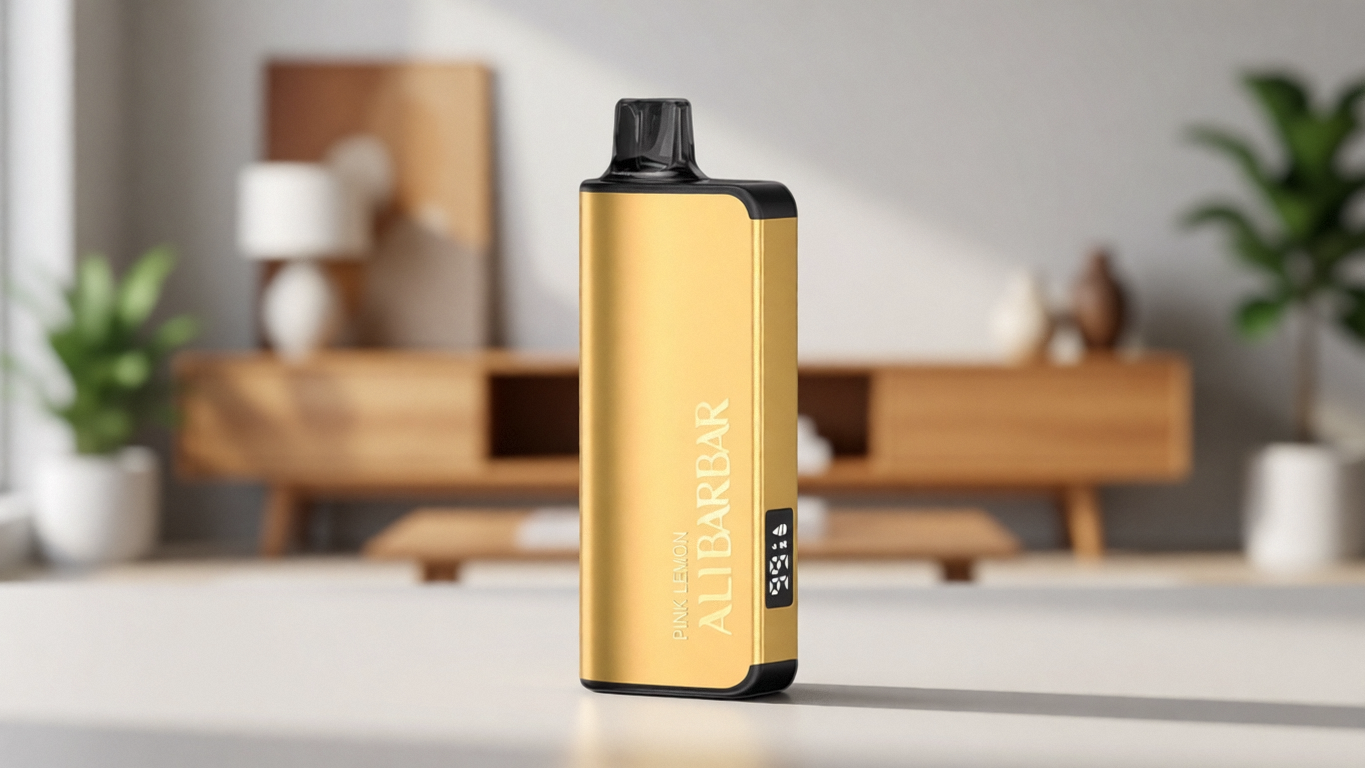
Q: If I transit through Singapore but my final destination allows vapes, can I just buy one there?
A: Yes, this is the recommended approach. Ensure the retailer is authorised and that the product meets local compliance standards.
Q: Does Singapore scan all transit baggage?
A: While not every bag is manually inspected, all checked and carry-on baggage is subject to screening. Suspicious items are escalated to physical inspection, and prohibited goods are routinely detected.
Q: I heard the law might change. Should I just wait?
A: There is no pending legislative reform that would legalise electronic vaporisers in Singapore. The current prohibition remains in force with no announced sunset.
Conclusion
A layover at Changi Airport is often described as an opportunity to refresh, shop, or simply decompress between long flights. It should not become a moment of legal jeopardy. Singapore’s prohibition on electronic vaporisers is absolute, and the transit area offers no sanctuary. The risk is low-probability but high-consequence, and the alternative—sourcing a legal device at your destination—is trivially easy.
The right retail partner can be valuable here not because of what they sell but because of the clarity they provide. OZVAPE Shop maintains an information environment where product specifications, sourcing integrity, and legal compliance are treated as baseline requirements. When you are ready to make an informed decision about a device that suits your actual routine, a documented, factory-certified catalogue can make all the difference. But the first decision—whether to carry a device through a jurisdiction where it is plainly illegal—is one you must make for yourself, with full understanding of the stakes.