
VAPE FAQs
How Much Do You Vape?
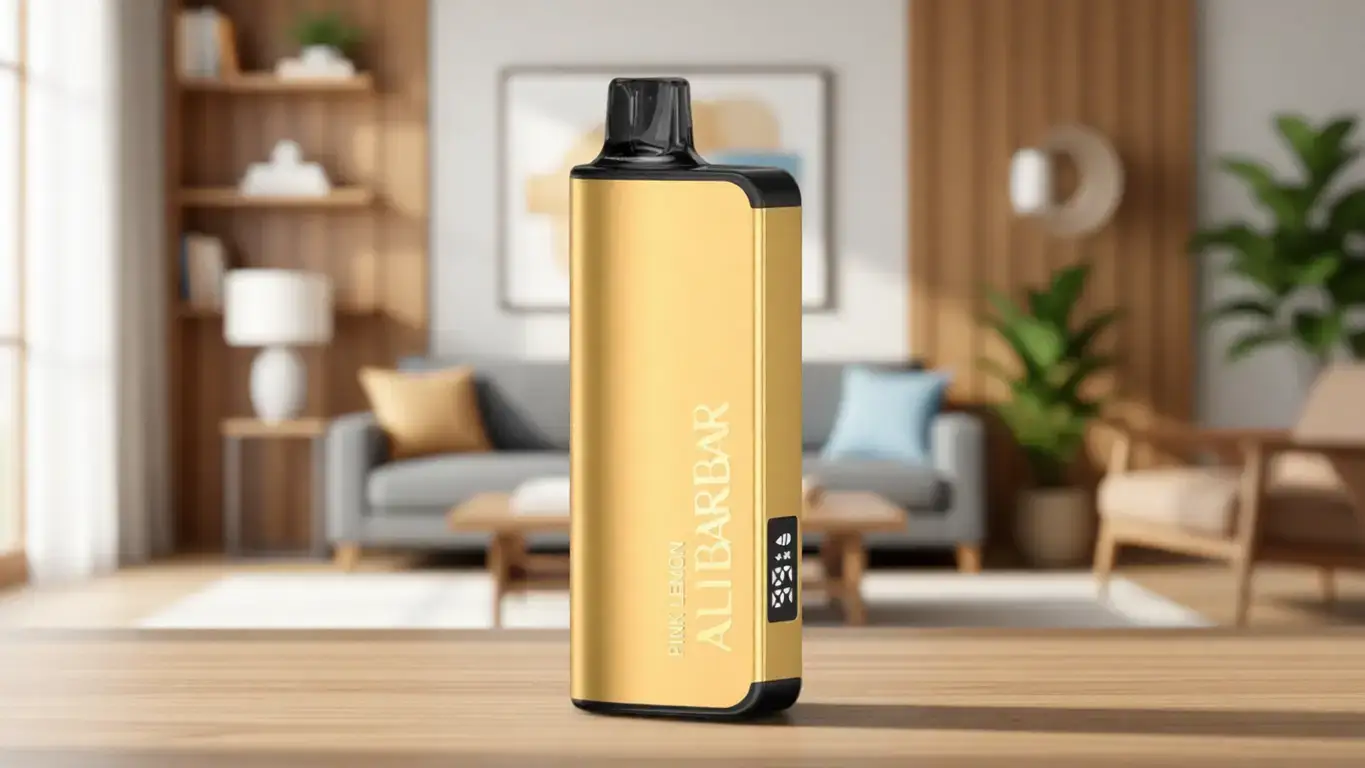
Jun
Many adult users who have been using personal electronic devices for a while eventually hit the same quiet wall: they cannot definitively answer the question, “How much do you vape?” It is not a matter of being uninformed; rather, the difficulty lies in translating a subjective daily pattern into objective device requirements. When you misjudge this, the consequences are practical and frustrating — a unit that dies halfway through a long workday, an over‑specified purchase that costs more than it needs to, or an endless, anxious ritual of carrying backups. This article addresses that gap directly. It moves past vague impressions and offers a structured way to quantify your personal usage so that the devices you choose fit your actual routine, not someone else’s assumption. Along the way, we will look at how device engineering — elements like power management, material durability, and modularity — relates to your consumption patterns. When you are ready to compare options side by side, having a clear reference source such as OZVAPE Shop that presents standardized specifications can remove the guesswork.
Understanding What Matters: Core Engineering and Design Factors
Before you can match a device to your habits, you need a framework for evaluating what a device actually delivers over time. The following four areas account for the majority of long‑term satisfaction or disappointment. Each one is explained through the specific user frustration it addresses, so you can see why it matters for the question of “how much.”
Internal Architecture and Output Consistency
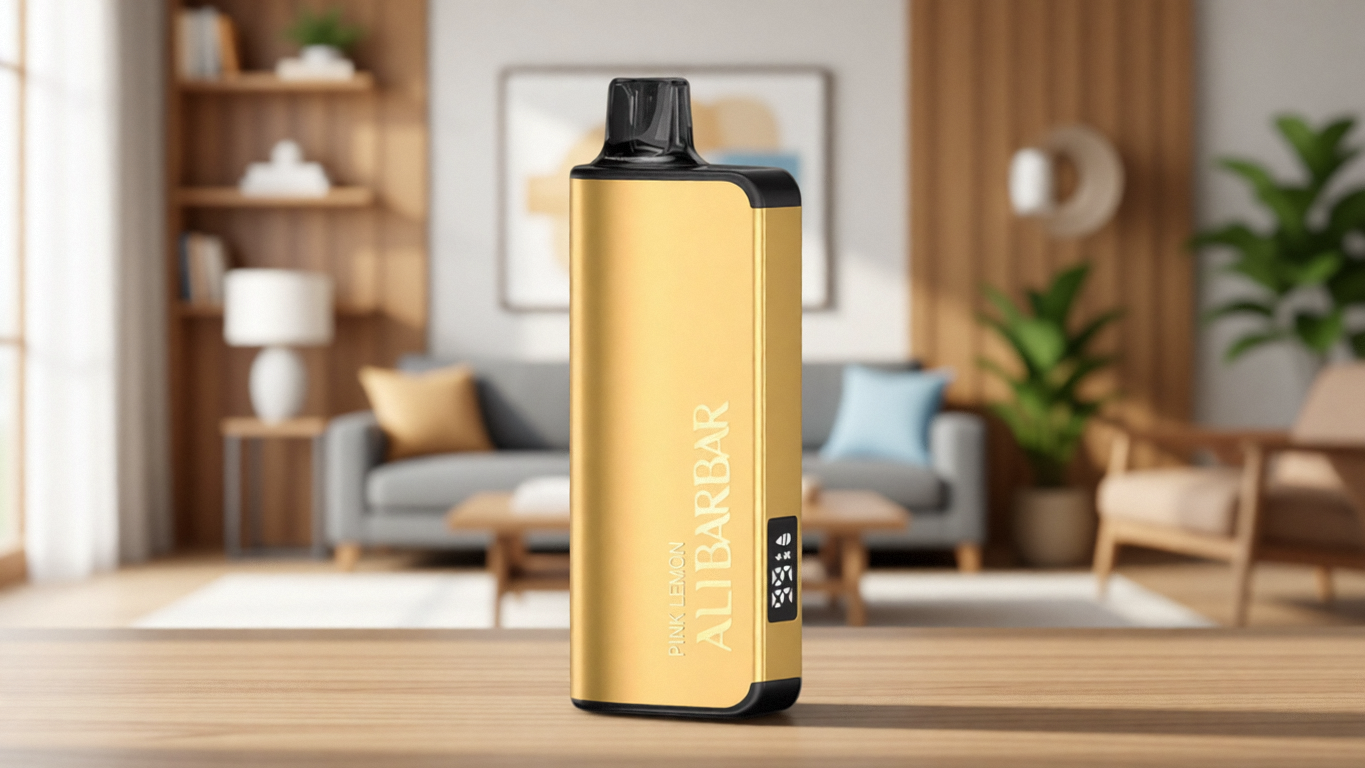
A device’s heating element configuration and the logic that controls it have everything to do with performance stability across its operational life. The frustration here is a familiar one: a unit that performs beautifully for the first third of its capacity, then slowly produces weaker, thinner output until the experience becomes unsatisfactory. This is almost always a thermal management issue. Poor wicking, inconsistent contact pressure, or a coil design that cannot maintain temperature stability under repeated use will cause the very sensation that makes people doubt their usage level. When a device’s output drops predictably, you end up drawing more frequently to compensate, making it nearly impossible to gauge your true consumption.
How to spot well‑engineered thermal management: look for evidence that the manufacturer designed the heating chamber not just for peak performance but for thermal equilibrium over time. Designs that use mesh or woven elements with large surface area tend to degrade more gracefully. Likewise, devices that incorporate some form of draw‑activated temperature regulation — even if it is simply a well‑calibrated resistance curve — will give you a more consistent session from start to finish. If you are a high‑volume user, any drop in output will distort your perception of how much you are actually using, because you will unconsciously adjust your behaviour to chase the missing intensity.
Power Management and Status Transparency
Few things undermine a user’s confidence more than a dead device with no warning. The relationship between power‑source calibration and premature failure is well documented: a cell that is over‑discharged repeatedly, or one that is exposed to unnecessary trickle charging, will lose capacity faster than a well‑managed power system. For the person trying to understand their consumption, a device that simply stops without having given clear, real‑time status feedback creates a dangerous ambiguity. You cannot tell whether you used a full unit’s worth of energy or whether the device failed early.
What you should look for is an unambiguous battery indication, ideally with multiple gradations or a precise percentage. Even a simple four‑stage LED array that accurately reflects remaining charge is far more useful than a single colour that changes only when the cell is nearly exhausted. Some advanced devices now pulse or breathe to signal remaining capacity without requiring a display. The hidden cost of status ambiguity is that it forces you to carry a backup “just in case,” which effectively doubles your carry load and can make you over‑estimate your consumption needs.
Physical Design and Material Durability
The way a device survives in a pocket, bag, or hand throughout an average day directly affects how much you can rely on it. People often judge design by aesthetics, but the more relevant criteria for high‑usage scenarios are finish longevity and ergonomics under repeated handling. A soft‑touch coating that looks sophisticated on day one may begin peeling inside a week of sliding against keys and coins. A mouthpiece contour that is comfortable for five minutes can become irritating after twenty minutes of intermittent use during a social evening.
For anyone trying to establish a baseline consumption pattern, a device that becomes physically unpleasant to hold or draw on will artificially suppress usage, giving a false reading. Look for materials that are inherently wear‑resistant — anodized aluminium, robust polycarbonate, or reinforced PCTG — and mouthpiece designs that feel neutral over extended periods. Also consider pocket‑friendliness: a device that activates unexpectedly because of a protruding button or a hair‑trigger draw sensor will waste material and confuse your usage tracking.
Modularity and Lifecycle Flexibility
The degree to which a device is sealed, rechargeable, or based on replaceable components has a profound effect on cost‑per‑use and the accuracy of your consumption measurement. A fully sealed unit that is discarded when exhausted gives you a perfect, finite accounting: you used exactly that many draws, assuming the manufacturer’s claim holds. A refillable pod system requires you to track liquid volume and coil lifespan, which introduces more variables but also allows you to tailor capacity precisely to your daily needs.
Why this matters for answering “how much do you vape?”: a modular system lets you carry a small amount of consumable to get through a specific window — say, a 2 ml pod for a half‑day — and then refill as needed, preventing the waste of a half‑spent high‑capacity unit that you may not finish before the quality degrades. Conversely, a high‑capacity sealed device eliminates refilling and coil changes entirely, which some users find makes it easier to forget how much they are consuming. The right choice depends entirely on whether you value the simplicity of a closed loop or the adjustability of an open system.
Applying These Criteria to Real‑World Options
Instead of ranking brands, it is more useful to consider real‑world device families through the lens of distinct usage profiles. The following comparisons use ALIBARBAR’s current lineup — the devices are first in each category because they illustrate specific design choices that align with particular consumption levels — alongside widely available alternatives from established manufacturers. All observations are factual; the aim is to show how engineering principles translate into user experience.
For the High‑Volume User: Devices Designed for Extended Autonomy
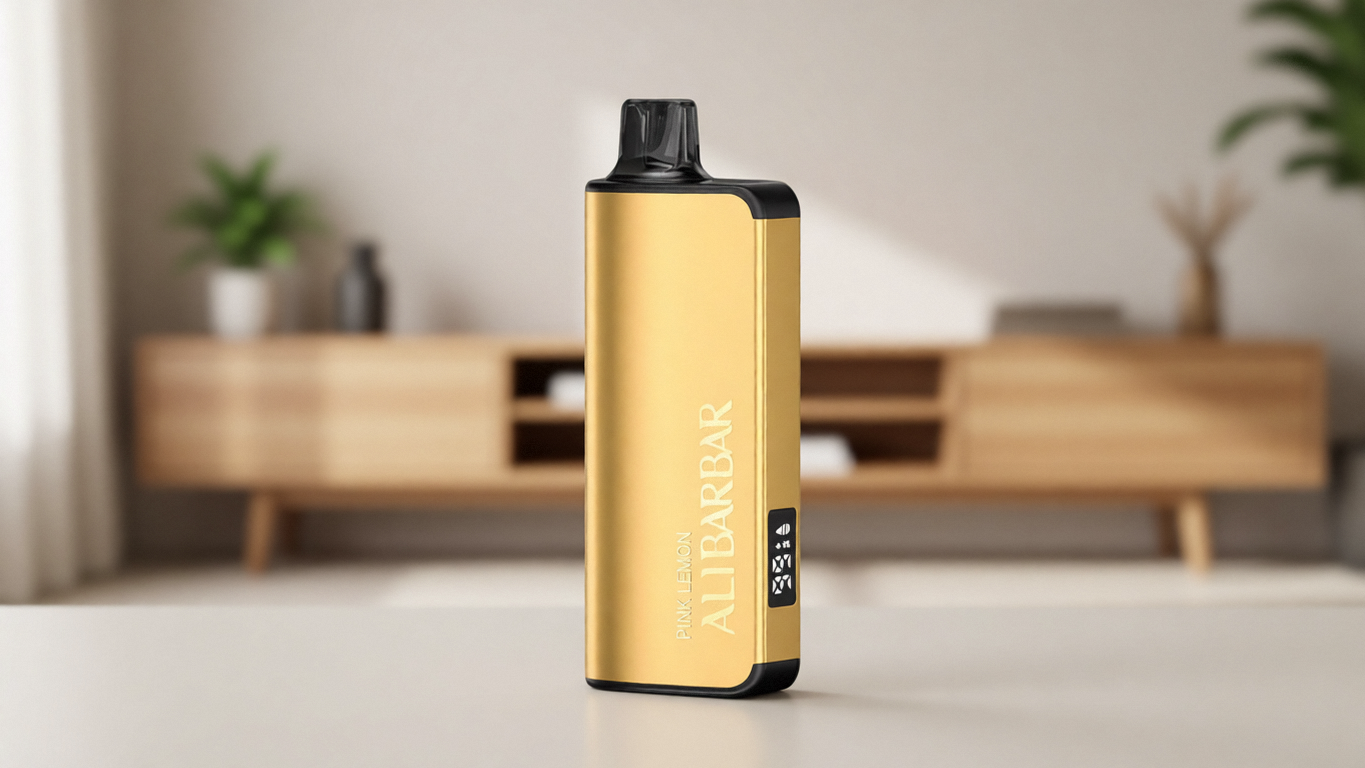
Someone who finds themselves reaching for a device repeatedly from morning to night, in environments where recharging or refilling is inconvenient, needs a unit that matches both puff‑count longevity and battery endurance. The ALIBARBAR INGOT 15000 is built around a large integrated power cell and e‑liquid reservoir, rated for approximately 15,000 standard draws. Its significance lies in the combination of a stable mesh coil architecture and a multi‑stage battery indicator that clearly shows remaining charge — that status transparency directly addresses the “dead without warning” frustration. The sealed design means there is no refilling or coil replacement, so a user who finishes one unit in, say, three days has an unambiguous consumption figure: roughly 5,000 draws per day.
Comparatively, devices like the Vaporesso Luxe XR Max take a different approach: a large 5 ml pod, replaceable GTX coils, and a 2800 mAh battery. This refillable, rechargeable system gives high‑volume users control over e‑liquid and coil choice but requires active maintenance. The battery can easily last a full day for heavy use, but the transparent e‑liquid level and adjustable wattage demand more attention from the user. For someone who wants to fine‑tune their consumption and is comfortable with upkeep, this is a strong choice. Meanwhile, the SMOK RPM 5 Pro offers a 2000 mAh battery and 6.5 ml pod capacity, sitting in the middle ground — high capacity with a replaceable coil, but a slightly smaller battery means heavy users may need a midday charge. Each of these handles high‑volume needs, but the sealed‑unit path (INGOT 15000) provides the simplest “set‑and‑forget” accounting, while open systems offer ongoing adjustability.
For the Moderate User: Balancing Portability and Endurance
A user who goes through a moderate amount — perhaps 1 to 2 ml of liquid or the equivalent per day — is often best served by a device that is discreet, comfortable to carry, and does not force them to carry excess weight for unused capacity. The ALIBARBAR INGOT 9000 is a natural fit: rated for 9,000 draws, it’s smaller and lighter than the 15000, yet still incorporates the same mesh coil and four‑light LED fuel gauge. For a moderate user, this device might last five to seven days, making it a reliable companion for a full workweek without needing any accessories.
Another well‑known option in this category is the Uwell Caliburn G3. This pod system uses 2.5 ml refillable pods and replaceable 0.6‑ohm or 0.8‑ohm coils, paired with a 900 mAh battery. The draw‑activated mechanism and slim profile make it extremely pocketable. Moderate users who prefer to switch flavours often or control their daily liquid consumption precisely will appreciate the refillable design. The trade‑off is that the battery and pod capacity are not sufficient for a full day of heavy use; but for moderate consumption, the Caliburn G3 is a benchmark for simplicity and flavour consistency. The GeekVape Wenax Q offers a similar form factor with a larger 1000 mAh battery and top‑fill pods, appealing to those who want a bit more margin. When comparing these to the INGOT 9000, the central difference remains the sealed versus open architecture: the former offers unmatched convenience and tallying of consumption, while the latter grants flexibility and ongoing running costs.
For the Light or Occasional User: Compact Simplicity Without Compromise
For someone who uses their device sporadically — perhaps only during social events or a few times in an evening — carrying a high‑capacity unit is wasteful, and the physical size can be off‑putting. What matters is reliable performance when called upon, a form factor that disappears into a small pocket, and a device that won’t degrade during long idle periods. The ALIBARBAR Ice Adjust 12000 is an interesting entry here: despite the 12,000‑draw rating, it features an adjustable airflow mechanism that lets a light user tighten the draw to match a softer, more occasional inhalation style. The device remains sealed and maintenance‑free, so after sitting unused for a week, it still performs exactly as expected with no priming or coil degradation.
Light‑use open systems like the Vaporesso XROS 3 Mini offer a 1000 mAh battery and 2 ml pods with built‑in coils. Its small size and excellent leak resistance make it a popular choice for people who want a device they can forget about until they need it. The Fireluke 4 by Freemax, though slightly larger, also caters to occasional users who value rich flavour. The key pointer for a light user evaluating any of these options is to look for consistency after idle periods: sealed devices and well‑engineered pod tanks with tight anti‑leak seals avoid the harsh, dry hit that can occur when a coil partially dries out.
A Practical Framework for Evaluation
Instead of relying on guesswork or an arbitrary puff‑count number, you can methodically determine your consumption and match it to a device. Here is a step‑by‑step approach you can use immediately, with the diagnostic questions that will prevent the most common errors.
Log your actual behaviour for three typical days.
Don’t alter your routine. Simply note each time you pick up the device, how many draws you take (count them quietly), and the duration of a session. At the end of three days, you will have an average draw count per day. If you use a sealed device, you can cross‑check by tracking how many days a known‑capacity unit lasts you.
Decide which variable you value more: simplicity or flexibility.
Ask yourself: “Will I be more frustrated by having to refill or charge often, or by not being able to change flavours or adjust output?” If the former, a sealed high‑capacity unit like an INGOT series device is likely a better match. If the latter, an open pod system will serve you better.
Evaluate status transparency with a test.
Buy or observe a device and note: Does it give me clear, unambiguous feedback before it quits? If not, you will inevitably carry a backup, which means your real carry requirement is double the device’s capacity. A device with a reliable fuel gauge — be it a series of LEDs or a digital readout — effectively reduces your need for redundancy.
Consider ergonomics across your longest typical usage window.
Hold the device in your hand for five minutes while imitating your usual draw. Does the mouthpiece become uncomfortable? Is the activation mechanism likely to be triggered accidentally in a pocket? These ergonomic factors will influence how much you actually use the device, not just how much you intend to.
Translate your draw count into device capacity.
Manufacturer puff counts are based on a standardised laboratory draw (often about 1‑2 seconds). Your real draw may be longer, reducing the effective count by 20–40%. Use this approximate formula:
Realistic draws = Advertised puff count × 0.7
If you average 200 draws a day, a device claiming 9,000 puffs will likely last you about (9,000 × 0.7) ÷ 200 = 31.5 days. This gives you a far more honest timeline than taking the label at face value.
Using a platform that presents standardised specifications for each device — the way many retailers organise product pages — simplifies this comparison considerably. When you look up an item, you can immediately see battery capacity, estimated puff count, and dimensions, allowing you to apply this framework without fumbling through inconsistent marketing language.
Common Selection Errors and Industry Observations
Drawing from global user feedback patterns and a realistic understanding of how these devices are manufactured, here are some frequent missteps that distort a user’s sense of their own consumption and lead to suboptimal purchases.
1. Treating advertised puff counts as a guarantee rather than an estimate.
Laboratory puff machines apply a perfectly consistent vacuum curve; humans do not. A user who takes slow, deep draws can shorten the effective life of a device by up to 50%. Manufacturers in the sealed‑device space have an incentive to benchmark using the shortest viable puff duration that still produces full vapour, which means the number on the box almost always overestimates real‑world longevity for a busy user. The error compounds if you buy a replacement based on that inflated figure.
2. Under‑appreciating the impact of device status indicators on anxious consumption.
We see a clear pattern: users who own devices with poor battery feedback tend to over‑consume because they are never sure how much is left, leading them to take unnecessary extra puffs to “check” or simply because they fear the unit will die soon. This skews their perceived daily usage upward, sometimes by 15–20%. A four‑stage LED system solves this by allowing the user to mentally partition the day’s use into quarters.
3. Assuming that visual similarity indicates equivalent internal engineering.
The market is flooded with generic‑looking devices that use a common external chassis but completely different heating elements, power management chips, and e‑liquid formulations. Two devices that look identical can have vastly different output consistency and lifespan. When you choose one based purely on appearance and price, you are likely introducing a hidden variable into your consumption tracking — you cannot compare results from one unit to the next.
4. Overlooking the cost of modularity in the “how much” equation.
A user who habitually carries a refillable pod system but forgets to bring e‑liquid or spare coils often ends up buying an emergency sealed device at a convenience store, which then scrambles their usage log. The practical cost of an open system includes not just the device and consumables, but the discipline to keep supplies organised. For some people, the sealed‑unit model eliminates enough hidden friction that they finally get an accurate grip on their actual consumption.
From an industry perspective, the trend toward higher‑capacity sealed units is not solely about user convenience; it also reflects supply chain economics. As factory yield rates improve and the cost per millilitre of e‑liquid drops with scale, it becomes cheaper to produce a single large‑capacity device than to manufacture and assemble three smaller ones. This means that from an engineering standpoint, a 15,000‑draw unit is often only marginally more expensive to produce than a 5,000‑draw unit, so users who accurately know their consumption may find that the large unit offers far better value per draw, even if it feels excessive.
Frequently Asked Questions
Q: How can I accurately count my daily draws without an app or counter?
A: Use a simple mechanical tally counter or a notes app with a tap counter. Every time you pick up your device and take a series of draws, count them to the best of your ability. After three typical days, the average will be reliable enough for device selection.
Q: Does “puff count” tell me how much liquid I’m using?
A: Only indirectly. Puff count multiplied by a conservative 2‑second puff volume can approximate total vapour. However, the actual liquid consumed depends on the device’s efficiency and your draw length. For more precise tracking, a refillable system where you measure millilitres per day is clearer.
Q: I use a sealed device that says 10,000 puffs, but it only lasted me four days. Is the manufacturer lying?
A: Probably not, but the 10,000 figure is based on a standardized light draw. If you take longer draws, you consume more e‑liquid and battery per puff. Real‑world draw length can easily halve the advertised number.
Q: Which device type makes it easiest to know how much I vape: sealed or refillable?
A: Sealed devices give you a clear endpoint — when the indicator shows depletion, you have consumed exactly one unit, making it simple to tally over weeks. Refillable systems require you to log liquid refills and coil changes, but they allow you to adjust consumption in real time.
Q: Are there devices that help me reduce my usage without giving up entirely?
A: Some devices with adjustable airflow or wattage let you mimic a tighter, lower‑output draw, which can help you feel satisfied with less. The ALIBARBAR Ice Adjust 12000, for example, includes an airflow control that a user can tighten to reduce vapour volume per draw.
Q: I often buy random devices from different shops. Why does my consumption feel unpredictable?
A: Inconsistent internal engineering and varying liquid formulations mean that each device performs differently. Without a single, documented benchmark, you cannot establish a reliable baseline. Sticking to one product family that you know well — and purchasing from a source that verifies authenticity — eliminates many of those variables.
Q: How does the battery indicator affect my perception of usage?
A: A clear multi‑stage indicator lets you psychologically partition your day: “I used one quarter before lunch.” Without it, you’re guessing, and that uncertainty can prompt you to use more to avoid getting caught with a dead device. Good status transparency tends to stabilise consumption patterns.
Q: What should I do if I want to compare two different device families fairly?
A: Write down: puff count (adjusted by 0.7), battery capacity in mAh, dimension and weight, and whether it’s sealed or refillable. Then map your daily draw count onto each. This standardised comparison will reveal which one truly matches your pattern.
Q: Is there a hidden benefit to buying from a single, known source?
A: When you buy from a consistent channel with documented specifications, you can trust that the device you receive matches the one you researched. This consistency is essential for tracking your consumption accurately over time.
Q: I’m a very light user — maybe 20 draws a week. Do I even need to worry about these factors?
A: Yes. A device that degrades during long idle periods (e.g., a coil that dries out) will give you a poor experience and could make you think you need to use more than you actually do to get the satisfaction you remember. Choose a sealed device with excellent anti‑leak design or a pod system with a well‑sealed tank.
Conclusion
Quantifying how much you use a personal electronic device is not an exercise in self‑scrutiny; it is the single most practical step you can take to stop buying the wrong equipment. When you know your actual daily draw count, the frustrations of devices that die too soon or carry capacities you never exhaust become avoidable. This article has given you a framework that uses engineering principles — internal architecture, power management, physical durability, and modularity — as a lens through which to interpret your own habits.
By applying the evaluation steps, steering clear of common selection errors, and understanding that advertised specifications are starting points rather than absolute guarantees, you can align your next device choice with the routine you actually live. When you are ready to look at options with standardised, comparable data, visiting OZVAPE Shop can help you move from speculation to decision quickly. Ultimately, the right choice is the one that fits your rhythm — not the one with the most attention‑grabbing claim. You now have the tools to tell the difference.