
VAPE FAQs
Can Dentist Tell Ur Parents U Vape?
Oct
It is a question that surfaces in online forums, group chats, and whispered conversations after a routine check-up: Can a dentist tell your parents that you vape? The anxiety behind it is real, particularly for younger people trying to navigate a healthcare system where the boundaries of confidentiality can feel unclear. At the same time, dentists are health professionals trained to detect subtle changes inside the mouth, and many of those changes are linked to behaviours patients would rather keep private.
This article is not a speculative blog post. It draws on documented oral medicine research, legal frameworks around minor consent and privacy, and the practical realities of clinical dentistry in Australia. At OZVAPE Shop, we believe accurate information is the foundation of responsible decision‑making, whether someone is evaluating a device or simply trying to understand their rights in a medical setting. Our aim here is to present a clear, evidence‑based answer — without judgement, without marketing, and without glossing over the complexity.
The Oral Signs a Dentist May Notice
Dentists do not need a confession to suspect vaping. The oral cavity is a responsive environment, and the effects of aerosol exposure — even from nicotine‑free products — often leave visible markers over time. While no single sign confirms vaping definitively, a cluster of findings can raise a dentist’s clinical suspicion.
Xerostomia (dry mouth) is one of the most immediate and recognisable indicators. Propylene glycol and vegetable glycerin, the base carriers in virtually all personal vapour devices, are hygroscopic; they draw moisture from mucosal tissues. A patient who consistently presents with reduced salivary flow, sticky oral surfaces, and a glossy, dehydrated appearance of the inner cheeks may prompt the dentist to ask about environmental or behavioural causes, including vaping.
Gingival inflammation and altered bleeding patterns are another common thread. The heat and chemical constituents of aerosol can irritate the gingival margin, leading to erythema and mild swelling that mimic early periodontitis but do not always correspond to plaque levels. Studies published in peer‑reviewed journals such as Oral Diseases have documented higher levels of pro‑inflammatory cytokines in the gingival crevicular fluid of individuals who use electronic devices regularly.
Dentists also observe location‑specific changes that hint at the route of aerosol intake. Increased keratosis on the buccal mucosa — white patches where the aerosol contacts the cheek — or irritation directly on the palate and throat area can suggest repeated directed exposure. Additionally, a subtle but noticeable increase in caries risk tied to dry mouth, combined with a patient’s otherwise low sugar intake, often leads a clinician to reconsider behavioural variables.
None of these signs are pathognomonic. They can be caused by medications, mouth breathing, diet, or systemic conditions. That is precisely why a competent dentist will not leap to conclusions, but rather use them as an entry point for a broader conversation about lifestyle and risk. The observations are noted in the patient record, but they do not constitute a laboratory test result.
Privacy and Confidentiality in the Dental Chair
The core of the question — whether a dentist can tell your parents — is less about clinical detection and more about legal obligation. In Australia, the duty of confidentiality that health practitioners owe to their patients is both an ethical cornerstone and a legislated requirement under the Privacy Act 1988 and state‑based health records legislation. The starting assumption is that clinical information, including suspicions about vaping, belongs to the patient alone.
For an adult patient, the answer is straightforward: dentists must not disclose any aspect of a consultation to family members without explicit consent. Even a seemingly casual comment to a parent in the waiting room — “just letting you know, I’ve noticed some signs of vaping” — would, for an adult, constitute a breach of confidentiality unless the patient had given prior permission. The Australian Dental Association’s Code of Ethics reinforces this, imposing a duty to protect patient privacy irrespective of the setting.
The situation becomes more nuanced when the patient is a minor. Australian law does not assign a single, universal age at which a young person gains full privacy rights. Instead, the concept of the mature minor is applied on a case‑by‑case basis. A minor who demonstrates sufficient understanding of the nature and consequences of a consultation may be entitled to make their own health decisions and enjoy the associated confidentiality. In many Australian states, a young person aged 14 to 16 who can articulate an informed position about their health choices will often be treated as a mature minor, particularly for issues like reproductive health or substance use.
Vaping, in this context, sits in a grey area. If the dentist judges that the patient is mature enough to understand the risks, they may decide that maintaining confidentiality is in the patient’s best interest, viewing it as a way to preserve trust and encourage honest future interactions. Conversely, if the patient is very young or unable to comprehend the implications, a dentist might feel a professional duty to involve a parent as part of a protective health intervention. The key is that this decision requires clinical judgement, not automatic disclosure.
When Might a Dentist Involve a Parent?
The thresholds that trigger parental notification are generally high and revolve around the risk of harm. If a dentist assesses that a minor’s vaping habit has escalated to a level that poses imminent, serious health consequences — for example, evidence of oral infections secondary to severe dry mouth, or signs suggestive of heavy nicotine dependence accompanied by weight loss and anxiety — they might consider it necessary to involve a guardian. Even then, the preferred approach is to first discuss the findings with the young patient, explain why parental involvement is being considered, and, where possible, seek consent to share limited information.
Compulsory reporting obligations also exist, but they are tied to abuse, neglect, or self‑harm scenarios. Routine vaping, while harmful, does not typically meet the statutory threshold for mandatory reporting unless it intersects with other significant risk factors. Dentists are not police officers, and they are not school administrators; their primary loyalty is to the patient’s health, not to parental surveillance.
It is worth noting that a dentist who breaches confidentiality without justification exposes themselves to a complaint to the health complaints entity in their state (such as the Health Care Complaints Commission in NSW) and potential professional disciplinary action. This structural deterrent reinforces the principle that disclosure is the exception, not the rule.
The Wider Health Conversation
Outside the privacy debate, the dental chair is one of the few places where the early, cumulative effects of vaping become medically visible. This presents an opportunity, not for parents to pry, but for young people to receive personalised, non‑judgemental information about what is happening inside their own bodies. A dentist who notices signs will often say something like, “I’m seeing some dryness and gum irritation that sometimes happens with vaping — I’m not here to tell you what to do, but you deserve to know what I’m seeing.” That framing can open a conversation that no school assembly or parental lecture ever will.
From a purely practical standpoint, the oral changes linked to vaping are reversible for many people. Improved hydration, meticulous oral hygiene, and the cessation of exposure can allow the salivary glands and gingival tissues to recover within weeks. The longer the habit continues, however, the more difficult full reversal becomes, as the microbiome shifts and tissue changes become more established. Dentists know this, and their concern is typically rooted in the preservation of function and comfort over a lifetime, not in assigning blame.
For Adults: Making Informed Choices
For adult consumers who use personal vapour devices, the dentist’s observations underscore a broader truth: the quality and composition of what you use matters. Consistent exposure to poorly engineered devices with inconsistent output, unclear ingredient lists, or substandard materials can amplify the oral health risks that dentists see every day. That is why understanding what you are purchasing — and from whom — is not a niche pursuit but a direct contributor to long‑term wellbeing.
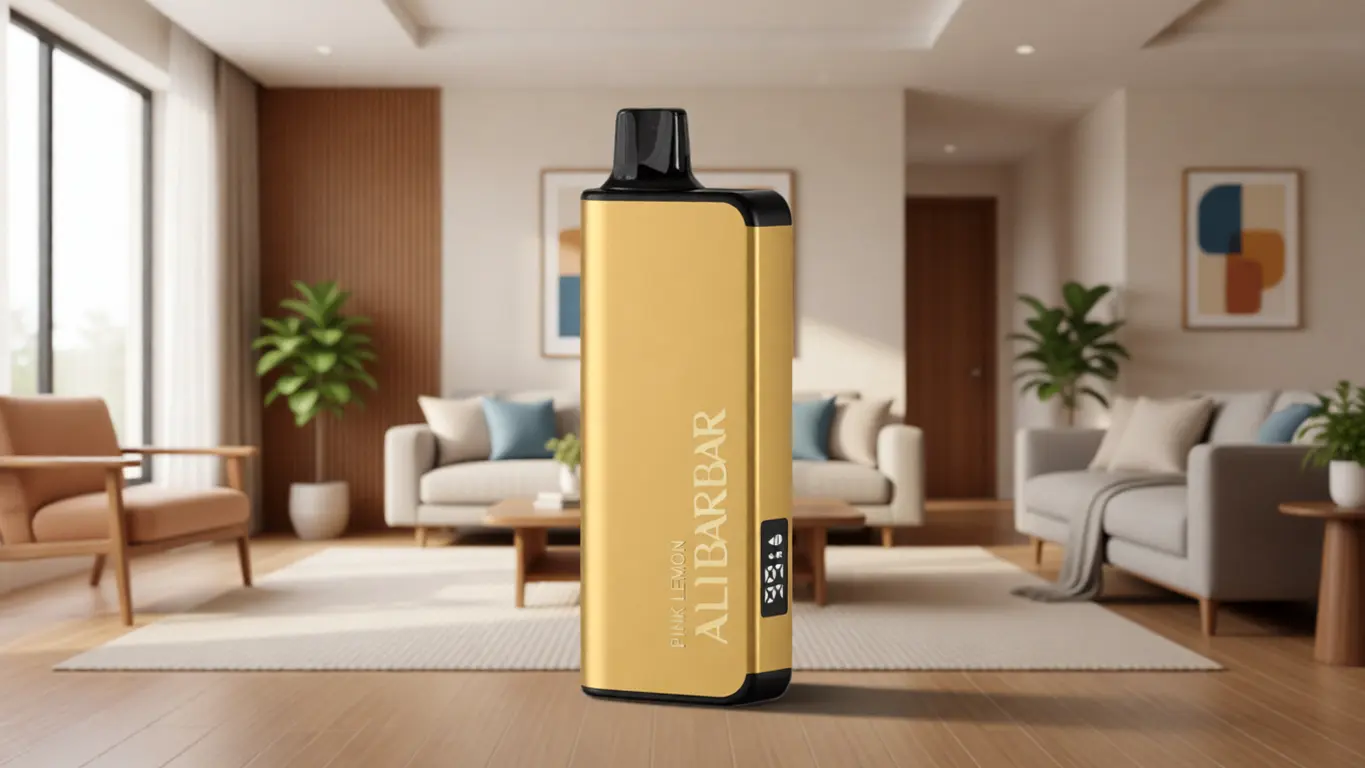
A transparent supply chain, factory‑certified inventory, and clear, standardised product specifications offer a degree of confidence that a device will perform predictably and contain traceable components. At OZVAPE Shop, we have built our entire operation around these principles, not as a marketing angle but as a direct response to the frustrations and risks that arise when users lack visibility into what they are buying. Our catalogue, including the ALIBARBAR range, is supported by documented sourcing, local accountability, and a commitment to factual product descriptions — elements that take on real significance when you consider the cumulative impact of daily use over years.
Adults who are navigating the dental implications of their choices may find value in consulting a retailer that treats product integrity as seriously as a clinician treats a diagnosis.
Frequently Asked Questions
Q: Do dentists routinely test for vaping?
A: No. There is no clinical test that confirms vaping. Dentists make observations based on tissue condition, salivary flow, and inflammation patterns, but these are interpreted alongside other potential causes. A formal diagnosis is rarely stated; instead, the dentist may simply note findings and have a conversation.
Q: Can a dentist tell if you vape without any visible signs?
A: If there are no detectable oral changes, a dentist would have no clinical basis to suspect vaping. However, early changes may be subtle and might not be visible to the untrained eye. A dentist using magnification under good lighting can sometimes pick up mucosal alterations that a patient would not notice themselves.
Q: What if my parent asks the dentist directly?
A: The dentist’s obligation remains to protect your confidentiality as the patient. For an adult, they should decline to answer without consent. For a minor who is assessed as mature, the dentist will typically explain that they must respect the patient’s privacy. If the minor is not mature or there is a serious health risk, the dentist may choose to disclose, but they would usually inform the patient first.
Q: I’m 15. Can my dentist really keep it a secret?
A: Possibly. A 15‑year‑old who can explain their understanding of vaping risks and who is not in immediate danger is often treated as a mature minor. The dentist will evaluate your capacity at the time of the consultation. If they decide you are mature enough, they will maintain confidentiality. However, this is a professional judgement call, not a guaranteed right.
Q: Will the notes about vaping end up on my permanent record?
A: The dental records may include clinical observations such as “dry mouth, likely due to behavioural factors” or similar neutral wording. These records belong to the practice and are protected by privacy law. They are not routinely shared with other clinicians or parents without your consent, except in specific legal circumstances.

Q: How long do oral changes from vaping take to disappear?
A: Salivary flow can begin to improve within a few days of stopping exposure. Gum inflammation typically subsides over two to four weeks with good oral hygiene. More established mucosal changes may take several months to fully resolve, and persistent use can lead to changes that do not fully reverse.
Q: Does the type of device affect oral health risks?
A: The primary risk factors — dehydration from humectants and tissue irritation from heat and chemicals — are intrinsic to the aerosol itself. However, devices that deliver inconsistent output, overheat, or use low‑quality materials can amplify irritation. Reputable sourcing can mitigate some of those variables, but no device eliminates the underlying oral environment changes.
**Q: Is it safe to vape before a dental appointment?
A: No clinical guideline prohibits it, but vaping shortly before an appointment may make dry mouth and gum redness more apparent. Some patients choose to hydrate well and avoid exposure for a few hours before a visit, though a dentist may still notice baseline signs if regular use is ongoing.
Q: Can my dentist refer me to a specialist for vaping‑related issues?
A: Yes. If the dentist observes significant tissue changes, such as persistent ulcers or unusual lesions, they may refer you to an oral medicine specialist for further evaluation. Such referrals reflect standard clinical care, not a punitive action, and are covered by the same confidentiality rules.
Q: What should I do if I want to talk to my dentist without my parents present?
A: You can request a private consultation at the start of the appointment. Most dentists will ask a parent to step out for a portion of the exam, especially with teenagers, to encourage open conversation. You have the right to ask, and it is a common practice in adolescent healthcare.
Conclusion
The simple answer to the title question is: in most routine cases, a dentist should not and will not tell your parents that you vape unless there is a serious risk to your safety, and even then only after careful consideration of your maturity and best interests. The legal and ethical framework exists to protect you as a patient first, with parental involvement treated as a secondary, situation‑dependent step.
The more useful takeaway, perhaps, is what your dentist’s observations actually represent. They are feedback from a professional who looks at you without filters — not as a rule‑breaker, but as a person whose tissues are reacting to constant chemical and thermal stress in ways that are measurable. That feedback is valuable whether you are a teenager weighing your next step or an adult reassessing where you source the tools you rely on every day.
Informed choices demand trustworthy information, both in a medical context and when selecting products. For those who have reached an age where personal autonomy extends to their purchasing decisions, engaging with a retailer that prioritises transparency and product integrity is a natural extension of that same self‑respect. Our platform at OZVAPE Shop exists precisely for that reason — to provide factory‑certified devices and clear, accurate documentation so that adults can make decisions based on facts, not guesswork.
The right choice is the one that aligns with how you actually live, and with the version of yourself you are working to sustain. No authority figure, dental or commercial, can make that decision for you. But the right information, delivered clearly and without agenda, can make it an easier one to reach.