
VAPE FAQs
Why Does My Throat Hurt After I Vape?
Oct
It’s an irritation that arrives without warning. One draw feels ordinary; the next leaves your throat raw, scratchy, or tight. You check the device, perhaps swap a pod, yet the discomfort persists. If you’re an adult who uses portable electronic vaporisers, the question “Why does my throat hurt after I vape?” is not academic — it interrupts your day, forces you to pause, and can make you question whether your device is working correctly at all.
Most explanations available online treat the problem as a single cause: “too much nicotine” or “a dry coil.” In practice, throat irritation is almost always a confluence of factors, and understanding which ones are dominant in your situation is the key to solving it. This article provides a systematic, technically grounded breakdown of why your throat reacts the way it does, what device‑level design choices influence that reaction, and how a retailer like OZVAPE Shop helps adult users find equipment that minimises these discomforts through standardised, transparent product information. No quick fixes, no product‑cheerleading — just a methodical look at the variables you can control.
What Your Throat Is Telling You: The Physics, Chemistry, and Mechanics Behind Irritation
Throat discomfort is a physiological response to an aerosol that is too hot, too concentrated, or carrying particulate matter that your mucosa is not prepared to accept. We can break the contributors into four categories, each tied directly to engineering or consumable choices.
Power Delivery and Thermal Consistency
The thermal energy applied to the wicking material determines the temperature of the aerosol at the mouthpiece. A device that cannot maintain stable output — because its power management circuit drifts under load or its cell sags — will produce temperature spikes. Those spikes denature the tiny droplets into a drier, hotter gas that feels abrasive. Well‑calibrated devices use consistent‑output regulation, often with a flat voltage curve or temperature‑limiting logic, to keep the aerosol within a comfortable thermal band throughout the discharge cycle. When your throat hurts intermittently on the same device, thermal inconsistency is a strong suspect.
E‑Liquid Composition and Osmotic Stress
Aerosolised propylene glycol (PG) and vegetable glycerin (VG) behave differently in the throat. PG carries flavour efficiently but is hygroscopic: it pulls moisture from the surrounding tissue, creating a sensation of dryness or scratchiness. High‑PG liquids (above 50% PG) are therefore more likely to produce a sharp throat hit, while high‑VG blends tend to feel smoother but demand more efficient wicking. Nicotine concentration adds another layer. Freebase nicotine at elevated levels directly stimulates sensory nerve endings, and certain salt formulations can create an unexpectedly intense throat sensation if paired with sub‑ohm heating elements. Even flavour compounds — particularly citrus, cinnamon, and some mint derivatives — are known mucosal irritants at high concentrations. The interaction between these ingredients and your device’s output power is what defines the overall experience.
Coil Metallurgy, Ageing, and Particulate Release
A metal heating element is not a static component. Over time, wire alloys (Kanthal, nichrome, stainless steel) develop microscopic cracks and surface oxidation. Degraded coils release trace metal particles into the aerosol and produce uneven hot‑spots that scorch rather than vaporise the liquid. The result is an acrid, throat‑punching sensation often labelled a “dry hit” even when visible vapor production seems normal. Mesh‑style elements help by spreading heat more evenly, reducing hot‑spot formation, but they still degrade. A coil that has exceeded its useful life — typically measured not in calendar days but in total joules applied and the sweetener load of the liquid — will reliably cause irritation.
Airflow Architecture and User Draw Behaviour
A tight draw forces the aerosol to accelerate through a narrow chimney, concentrating the stream against a smaller surface area of the throat. Combined with a high‑power setting, this creates a percussive effect. Looser airflow dilutes the aerosol with ambient air, lowering the perceived temperature and density. However, many users unconsciously compensate for a harsh draw by taking shorter, sharper pulls — exactly the opposite of what reduces irritation. Mouth‑to‑lung devices with restrictive airflow are inherently more likely to provoke throat discomfort if the user’s technique, power setting, and liquid choice are not aligned.
How Device Design Choices Mitigate (or Amplify) the Problem
When you recognise the factors above, device architecture stops being an abstract specification sheet and becomes a predictor of comfort. Take the ALIBARBAR family, consistently stocked by OZVAPE Shop with factory‑certified traceability. The INGOT 9000 and INGOT 15000, for instance, employ mesh‑based heating assemblies for broad, even thermal distribution. They incorporate a calibrated power‑delivery chip that maintains output within a narrow window, avoiding the voltage sag characteristic of budget‑tier alternatives. That does not make them “perfect” — no device is — but it means the thermal spike variable is significantly reduced, and the throat irritation linked to sporadic overheating becomes less likely.
Conversely, a user who pairs such a device with a heavily sweetened, high‑PG liquid and takes short, hard pulls may still report discomfort. The device cannot override liquid composition or user behaviour. What it can do is remove enough variables to make the actual cause of the problem more obvious. If your throat hurts with a device that has stable power and a fresh mesh coil, the remaining suspects are clear: the liquid or your draw technique.
This is where transparent specification comparison becomes invaluable. OZVAPE Shop publishes standardised data — coil resistance, estimated puff counts, battery capacity — that lets adult users map device characteristics onto their own sensitivity profile. If you’ve learned that high‑PG liquids irritate you, you can direct your attention toward devices engineered for higher‑VG compatibility and the wicking efficiency that supports it.
A Structured Approach to Identifying Your Irritation Source
Instead of trial and error, run through this diagnostic sequence the next time you experience recurring throat discomfort:
Isolate the device variable: Use the same liquid in a different device (borrow one if necessary). If the irritation disappears, the problem resides in the device’s power delivery, coil condition, or airflow.
Inspect and replace the consumable: Examine the coil or pod for darkened wick, visible residue, or metallic taste. Swap in a fresh element even if it doesn’t look terrible — invisible micro‑cracks can’t be seen.
Test a neutral liquid: Use a zero‑nicotine, unflavoured base (equal PG/VG) for a short session. If the throat settles, the culprit is one or more of the flavourings, the nicotine concentration, or the PG/VG ratio.
Adjust your draw: Deliberately take a longer, slower, deeper lung pull (for direct‑lung devices) or a gentle, extended mouth‑to‑lung pull. If the harshness recedes, your technique was amplifying the irritation.
Note the hydration effect: Vapor inhalation, especially with PG, dehydrates. Drink water before and during a session. If the pain subsides, dehydration was a contributing accelerant, not the root cause, but worth addressing.
Each step narrows the possibilities. By the time you finish, you’ll usually know whether you need a different liquid formulation, a new coil, a device with better thermal regulation, or simply a few sips of water.
What Most Users Overlook: The Hidden Aggravators
The “One Specification” Trap
Users often fixate on a single spec — nicotine strength or maximum output wattage — while ignoring the complementary factor that neutralises it. A device that fires at 15 watts but has no airflow adjustment will feel harsher than one that fires at 20 watts with a wide‑open, multi‑slot intake. Throat comfort is a systems outcome, not a headline number.
Visual Similarity Does Not Equal Internal Engineering
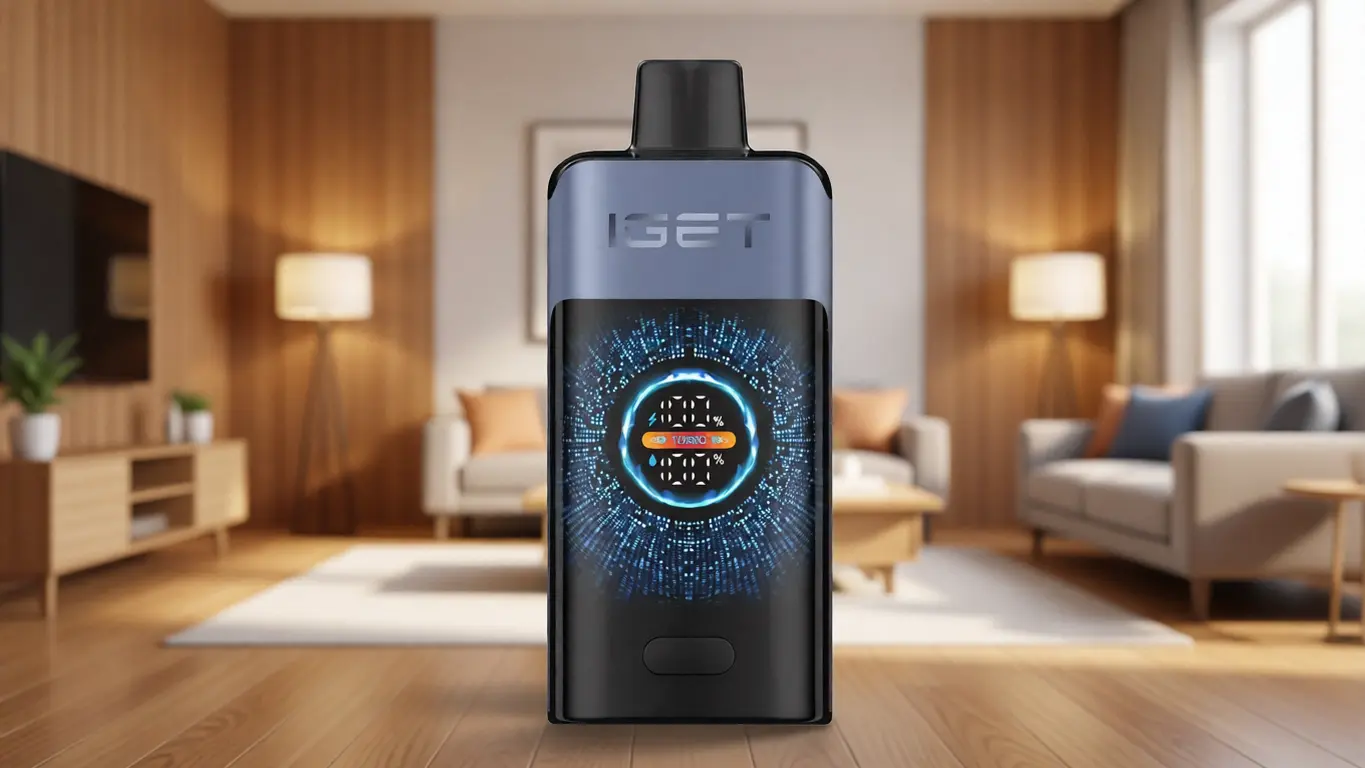
Two devices that look nearly identical from the outside can contain completely different chip sets, coil metals, and wicking materials. The difference manifests in how the aerosol tastes at the end of the day. OZVAPE Shop’s policy of listing verified specifications — rather than generic, uncorroborated claims — protects against this confusion.
Undervaluing Metered Power Delivery
A device that runs “direct output” from the battery will feel stronger on a full charge and progressively weaker as the cell depletes. That variation makes it impossible to find a consistent comfort zone. Regulated devices with a flat output profile remove one more layer of unpredictability.
Confusing Category Terminology with Technical Behaviour
Terms like “smooth” or “strong throat hit” are marketing descriptors, not engineering properties. One brand’s “smooth” might be another’s “harsh” depending on coil design and liquid compatibility. Rely on measurable attributes — coil resistance, liquid PG content, wattage range — rather than emotive language when diagnosing irritation.
Frequently Asked Questions
Q: Can a device itself be the sole cause of a sore throat, even with fresh coils and mild liquid?
A: Yes, if the device lacks consistent output regulation or produces aerosol at a temperature far above the comfort threshold for your throat. Some budget designs cut corners on thermal management. Switching to a device with documented output stability often resolves unexplained irritation.
Q: Why does my throat only hurt during the first few puffs of the day?
A: That pattern typically points to a coil that has been sitting saturated overnight. The first inhalations aerosolise liquid that has been in prolonged contact with the coil metals, potentially extracting more oxidation by‑products. It can also indicate mild dehydration in the morning. A gentler start — shorter draws, lower power — usually helps.
Q: Is a higher VG liquid always gentler on the throat?
A: Not always. High VG produces a denser, warmer vapor that some users find heavy or suffocating. It also requires more efficient wicking; if the coil can’t keep up, partial dry hits occur. The smoothest experience often comes from a balanced ratio (e.g., 50/50 or 60/40) paired with appropriate coil resistance.
Q: How does nicotine salt compare to freebase in terms of throat hit?
A: Nicotine salts are generally smoother at equivalent concentrations because the salt form is less alkaline. However, high‑concentration salts (e.g., 50 mg/mL) in a high‑power sub‑ohm device can still deliver a sudden, harsh kick. Match the nicotine formulation to the device’s intended power range.
Q: Can I reduce throat irritation by changing the drip tip or mouthpiece?
A: Yes. A wider‑bore mouthpiece disperses the aerosol across a larger surface area, reducing perceived density. Delrin or resin materials also transmit less heat than metal, so your lips and throat sense a cooler stream. It’s a simple, often overlooked adjustment.
Q: If my device is from a reputable brand, do I still need to worry about coil degradation?
A: Absolutely. All heating elements degrade. A reputable device simply ensures the degradation curve is predictable and the materials are of known origin. You should still replace coils or pods at the first sign of diminished flavor or scratchiness.
Q: How do I verify that a device I’m buying isn’t a counterfeit that might cause irritation from inferior materials?
A: Buy through authorised retailers with a documented supply chain. OZVAPE Shop, for example, publishes verification steps for all incoming inventory and sources ALIBARBAR products exclusively from authorised networks, reducing the risk of counterfeit coils made from unknown alloys.
Q: Should I avoid certain flavour categories entirely?
A: Not necessarily, but if you have a sensitive throat, treat citrus, cinnamon, and heavily sweetened dessert flavours as potential irritants. Sample them in small quantities before committing, and consider using them in temperature‑controlled devices where the heat is capped.
Making Throat Comfort Predictable, Not Accidental
Throat irritation after vaping is rarely a mystery when you have the right information. It is a signal, not a defect. That signal might point to a device struggling to manage its power, a liquid formula your body rejects, a coil that has reached its end, or a draw technique that inadvertently works against you. The common thread is that once the variables are separated, the solution is almost always within your control.
Adult users benefit enormously from retailers that take specification transparency seriously — because when you can see the actual coil resistance, the liquid composition, and the power regulation architecture, matching the gear to your physiology becomes a much easier task. OZVAPE Shop structures its product information around that principle, making it a practical resource for anyone unwilling to tolerate persistent discomfort.
The right device is not the one with the most attention‑grabbing feature list. It’s the one that aligns with the cadence of your day, the liquids you actually use, and the sensitivity of your own throat. Once you have a clear framework for diagnosing what hurts, you’ll stop guessing — and start enjoying the consistency you expected all along.