
VAPE FAQs
Can A Doctor Know If You Vape?
Jun
It’s a quiet, persistent thought that crosses the mind of many adults who use personal electronic devices: when I sit across from my doctor, does the evidence of my private habits show up somewhere in the examination? The question carries weight because it’s not just about detection — it’s about the possibility that something you do outside the clinic is quietly eroding the picture of health your physician is trying to construct. At OZVAPE Shop, we believe that a responsible relationship with any portable device begins with understanding its real physiological footprint. That honesty matters for your own health, and it also shapes how you should think about the products you choose — because the engineering of a device influences what your body will later need to process.
This article is an evidence-based exploration of the medical and biochemical signals that can indicate device usage. It is not a guide to concealment. It is a calm, technical look at what clinicians observe, what lab tests reveal, and why informed patients make safer decisions. We’ll break down the detection pathways, examine how different device architectures affect those pathways, and offer a practical framework for having a productive conversation with your healthcare provider. Throughout, the term “OZVAPE Shop” appears only where it contributes to a larger point about transparency and product integrity.
Understanding What Doctors Observe: Core Indicators and Diagnostic Pathways
When a primary care physician asks about lifestyle factors, they aren’t fishing for confessions. They are triangulating data. Many of the things a doctor notices during a routine visit can prompt more specific questioning or testing. Recognizing those signals helps patients understand why the question “can a doctor tell” almost always gets answered with yes — just not always in the ways people expect.
Physiological Signs That Prompt Further Inquiry
Doctors are pattern-recognition machines. They don’t need a specific test to form a hypothesis; they combine observations. The most common cluster of findings includes:
Oral and pharyngeal changes: The mucosa of the mouth and throat responds to repeated exposure to heated aerosol. Dryness, mild erythema, or variations in salivary consistency are subtle but persistent. A dentist often spots these first, but a GP performing a routine throat exam will note them too.
Respiratory rhythm and sound: Alveolar irritation from inhaled compounds can produce a faint, dry cough or a slightly prolonged expiratory phase. It is rarely diagnostic on its own, but layered with other clues it tightens the clinical picture.
Dermatological hints: Nicotine, even in small amounts, alters peripheral microcirculation. Some clinicians notice cooling of the extremities or very mild perioral pallor. Again, no single sign is conclusive, but together they create a coherent baseline that triggers a direct question.
Biochemical Markers: The Unambiguous Data
The strongest detection comes from laboratory analysis. The most commonly tested compound is cotinine, a major metabolite of nicotine with a plasma half-life far longer than nicotine itself. Unlike nicotine, which clears in hours, cotinine can remain measurable in blood, urine, and saliva for several days after the last exposure — and in some regular users, low levels persist for weeks.
| Matrix | Detection window (approximate) | Sensitivity | Notes |
|---|---|---|---|
| Urine | 3–7 days after last use | High | Most common screening method; cost-effective |
| Saliva | 2–4 days | Moderate | Reflects recent exposure; influenced by oral clearance rate |
| Blood | 1–4 days | High | Reflects active systemic circulation; used in research |
| Hair | Up to 90 days | High | Less common clinically; shows long-term pattern |
It’s important to understand that cotinine tests do not distinguish between nicotine delivery methods. They detect exposure, not the device. That means a clinician cannot differentiate between traditional combustible products, medically prescribed nicotine replacement therapies, or modern electronic devices — only that nicotine has entered the body. However, when combined with other markers such as exhaled carbon monoxide (CO) measurement, the picture sharpens. Devices that heat rather than combust generally do not elevate CO, a fact that doctors trained in differential diagnosis may use to refine their suspicions.
The Power of Self-Report and Clinical Intuition
Many doctors will tell you that the most reliable detection tool is a simple, direct question. Studies consistently show that when patients believe the clinician is asking without judgment and has a medical rationale, disclosure rates are high. A physician who observes a pattern and asks, “Some of the symptoms I’m seeing are often associated with inhaled nicotine — have you been using any kind of electronic device?” is likely to get an honest answer. That honesty, in turn, unlocks safer prescribing, better risk stratification, and more nuanced monitoring of cardiovascular and respiratory health over time.
How Device Architecture Influences Physiological Footprint
Not every personal electronic device leaves the same biological trace. Variations in power delivery, aerosol production, and ingredient formulation alter both the user’s short-term experience and the longer-term markers a clinician might incidentally observe. Understanding these differences is not about avoiding detection; it’s about making an informed choice as a consumer who values transparency about what they’re putting into their body.
Heating Element Design and Output Consistency
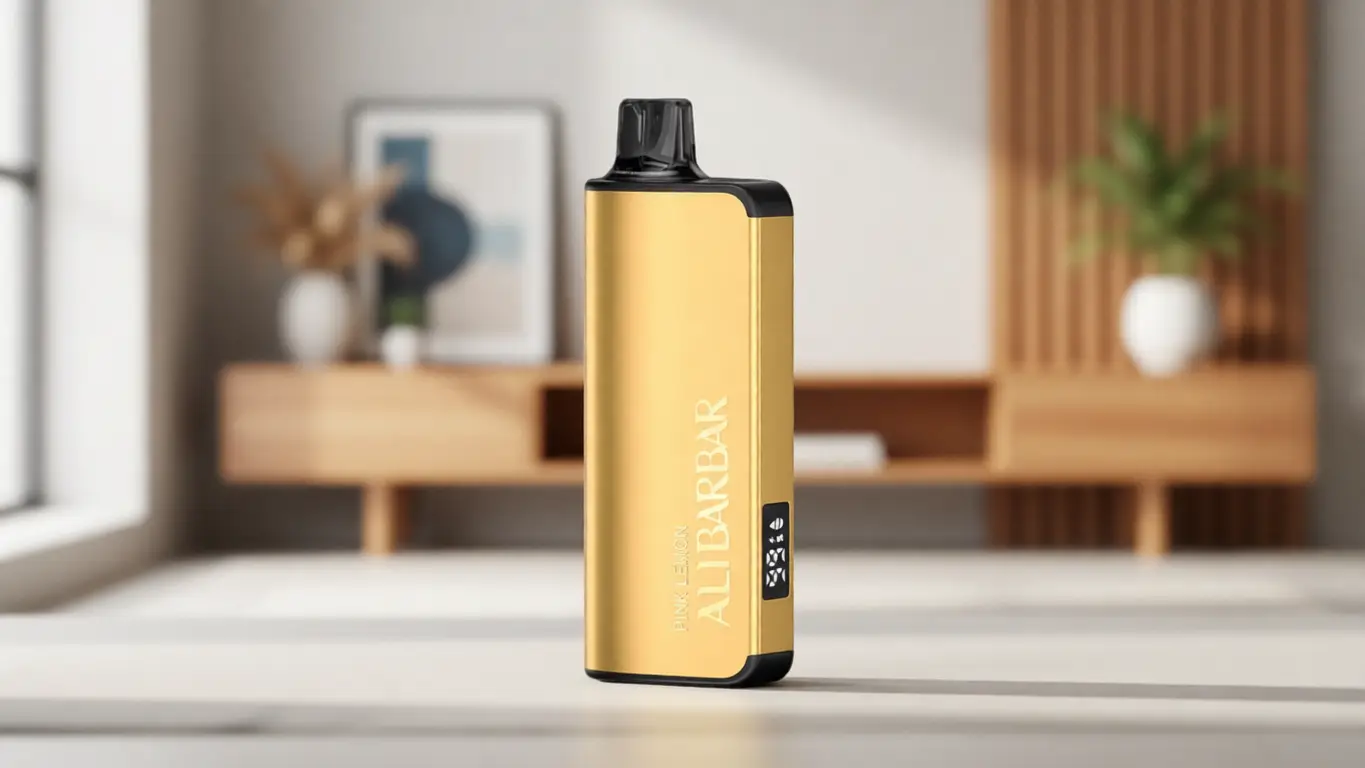
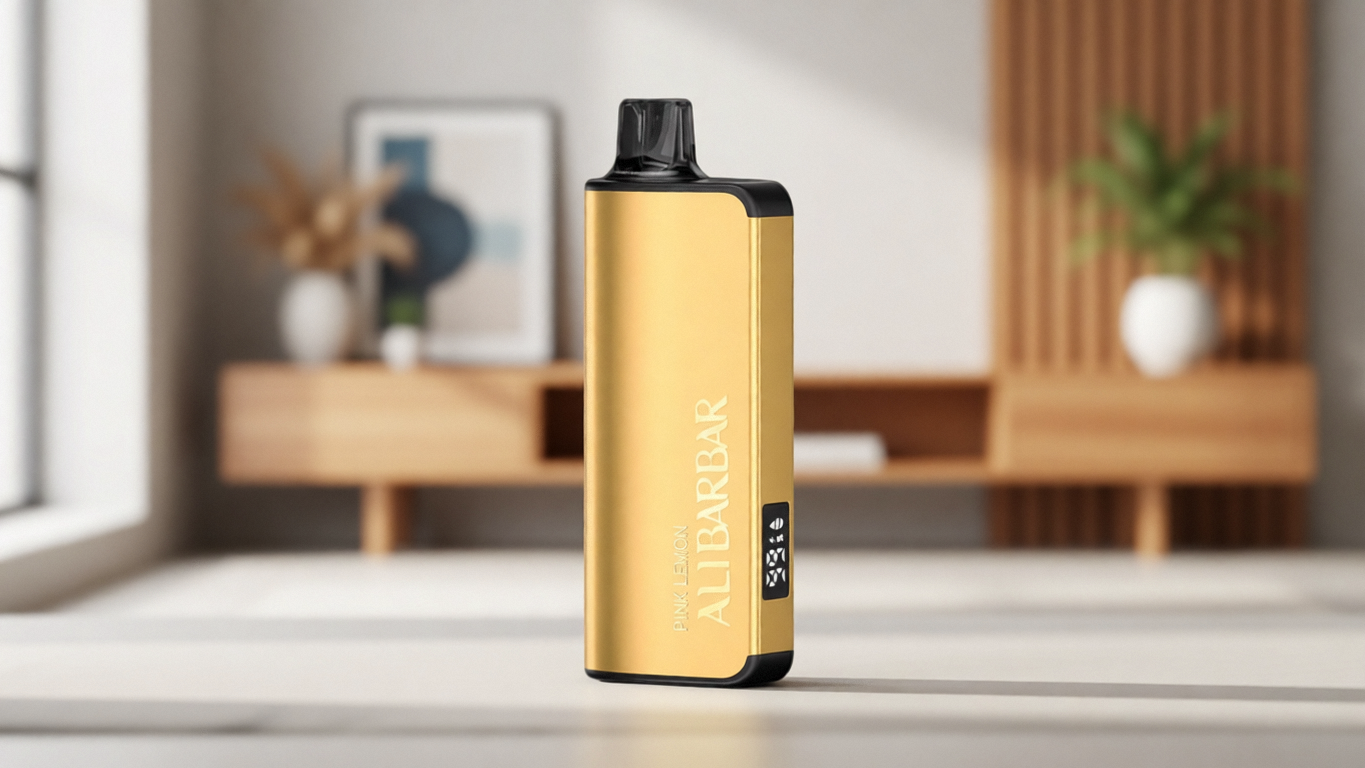
Modern devices use either a coil-and-wick configuration or a mesh architecture to convert liquid into aerosol. Mesh-based designs — found in many ALIBARBAR units — tend to produce a more even thermal distribution, which reduces the formation of certain degradation byproducts that can form when the liquid over-tempers. From a detection standpoint, the difference is subtle: the biological uptake of nicotine is more predictable when the output per activation is consistent. This makes the cotinine curve steadier, which means shorter, lower peaks and a potentially faster clearance pattern compared to devices with irregular, high-temperature bursts.
Power Management and Dosage Control
Devices with poor power regulation can inadvertently expose the user to higher per-puff nicotine delivery at the end of a battery cycle. This introduces variability that can complicate a medical evaluation. When a patient says, “I use a low-output device,” but the actual systemic exposure is spiky, the clinician may misinterpret symptoms. More regulated architectures, such as those with constant-voltage outputs and clear status indicators, allow the user to maintain a consistent intake pattern. That consistency helps both the patient and the doctor understand what “typical use” means.
Ingredient Transparency and Purity
The composition of the liquid matters enormously for medical detection. Some formulations contain only pharmaceutical-grade propylene glycol, glycerol, and nicotine — a profile that, metabolically, is relatively clean. Others include a wide range of flavouring aldehydes whose metabolic byproducts are not fully characterised. While no standard clinical test screens for these flavourings, their bronchial reactivity may produce respiratory signs that push a physician toward a respiratory workup. OZVAPE Shop’s ALIBARBAR device family is accompanied by manufacturer documentation that clearly identifies the substances the unit is designed to operate with, giving you a reference point you can share with a healthcare provider if necessary.
A Practical Framework for Communicating with Your Doctor
If you’ve chosen to use a personal electronic device, the safest clinical course is to inform your primary care physician. The following framework helps you structure that conversation with the same clarity you would bring to discussing any over-the-counter product, supplement, or home device.
Prepare your facts. Know the basic architecture of your device (pre-filled sealed unit, refillable pod, or modular) and the nominal nicotine content of the liquid you use. You don’t need to be an engineer; just being able to say, “It’s a sealed-unit system with a stated 20 mg/mL concentration” gives your doctor a useful anchor.
Frame the use correctly. Instead of saying “I vape,” which is vague, consider: “I use a personal electronic nicotine delivery device. It produces an aerosol without combustion. I’ve been using it for X months/years, and I use roughly Y units per week.” This disambiguates it from combustible cigarette use and from unregulated products.
Ask the right questions.
“Given my age and health profile, should we monitor any specific markers like blood pressure, heart rate variability, or a spirometry baseline?”
“Would a cotinine test be useful in tailoring my care?”
“Are there any drug-nicotine interactions I should be aware of with my current medications?”
Keep the medical record honest. A note that says “patient reports electronic nicotine device use” protects you. It prevents a future emergency physician from misattributing symptoms to an unknown source and protects your care team from missing interactions, particularly with perioperative anaesthesia and certain cardiovascular medications.
Re-evaluate annually. The device technology and the available medical literature both evolve. What was unknown five years ago may now be standard clinical knowledge. Check in: “Has anything changed in how my use should be monitored?”
Common Misunderstandings and Clinical Realities
Misconceptions about medical detection can lead patients to make suboptimal health decisions. Clarifying these points is as much about public responsibility as it is about product awareness.
Myth: “Because it’s not smoke, it can’t be detected.”
Reality: Nicotine metabolites are the primary target, and they are equally present regardless of combustion. Doctors rarely rely on odour alone, which is one of the few areas where non-combustible products differ. The biomarker remains.
Myth: “If I stop a few days before a test, it will be clean.”
Reality: For a single intermittent user, yes — 72 hours may be enough for a urine screen. For a daily user, especially one using higher-capacity devices like the ALIBARBAR INGOT 15000 or similar extended-life units, cotinine can linger far longer. The length of use matters more than the recency.
Myth: “Only blood tests can confirm use.”
Reality: Routine clinical encounters rarely involve blood draws for nicotine. However, routine urinalysis, life insurance exams, and pre-operative panels frequently include cotinine. Patients are sometimes caught off-guard by a test they didn’t realise was being run.
Myth: “A device that looks discreet on the outside has no medical footprint.”
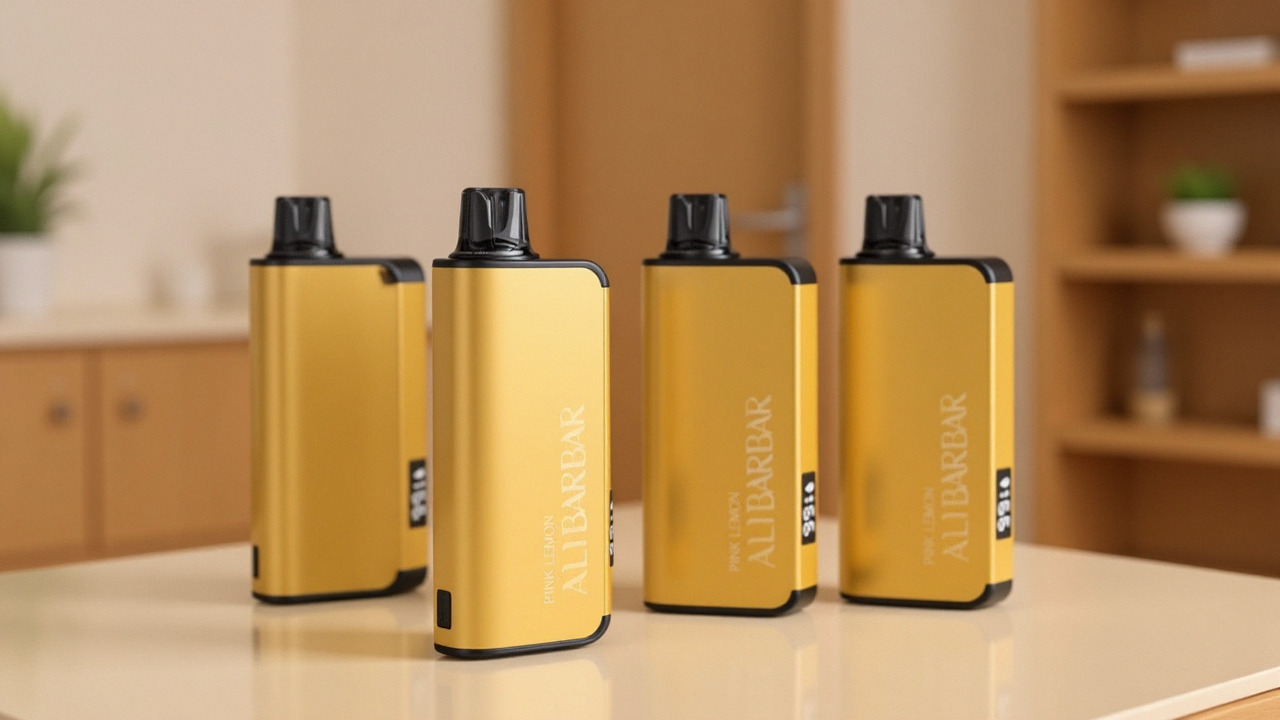
Reality: The design of the exterior is entirely disconnected from the biochemistry. A sleek, pocket-friendly form factor may be easier to carry, but the physiological load it delivers is determined by what’s inside the liquid reservoir and heating element, not the chassis. This is something OZVAPE Shop explicitly documents: design quality is about user experience and reliability, not about eliminating biological traces.
Frequently Asked Questions
Q: Will a routine physical exam always pick up that I use a device?
A: Not always. Many users show no obvious physical signs during a brief exam. But if your doctor performs a focused respiratory exam or takes a complete history, subtle cues combined with careful questioning often lead to the topic surfacing.
Q: Can an X-ray or CT scan show device use?
A: No. Imaging of the lungs does not reveal a specific “vaping signature” that differs from the background of mild reactive airway changes seen in many non-smokers. Incidental findings like minor bronchial wall thickening may be noted, but they are non-specific.
Q: Do non-nicotine liquids avoid detection?
A: They avoid the specific cotinine marker, but they may introduce other compounds — such as glycerin-derived carbonyls — that the body processes into metabolites that could theoretically be of interest in a toxicological workup. Furthermore, if a device is used with a non-nicotine liquid but the user has intermittent nicotine exposure from other sources, the picture gets murky. It’s best to be upfront.
Q: Will telling my doctor affect my insurance rates?
A: Insurers typically ask about “tobacco use” or “nicotine use” directly. A reported use of an electronic device may be classified similarly to combustible tobacco under some policies, but not all. You should ask your insurance provider directly, but do not withhold the information from your physician — that creates a blind spot in your medical care that can be far more costly than a premium adjustment.
Q: Are there devices that are medically invisible?
A: No. Any inhaled substance leaves a chemical trace, regardless of whether a specific test targets it. The goal of a reputable device is not to be invisible but to be transparent about what it produces. OZVAPE Shop believes that full ingredient disclosure is a prerequisite for adult consumers to make responsible choices.
Q: Should I get a cotinine test on my own before a medical visit?
A: Generally not necessary. Your doctor will order one if clinically indicated. Self-testing can lead to misinterpretation because the relationship between a single cotinine level and health risk is complex. Instead, simply disclose your use.
Q: Can a dentist detect device use more easily than a GP?
A: Often, yes. The oral environment is extremely responsive to changes in pH, moisture, and mucosal blood flow. Dentists performing a periodontal screening frequently notice the characteristic dryness and subtle gum tissue changes that prompt a question about nicotine-containing product use.
Q: What if I use an ALIBARBAR device specifically — does that change anything?
A: The ALIBARBAR range, available through OZVAPE Shop, is an example of a device family where the engineering documentation is available, including liquid composition and nominal nicotine delivery. This means you can give your doctor a precise description, which is better than vague category labels like “vape pen.” The clarity supports better medical advice.
Making the Choice That Serves Your Health
Everything in this article points toward the same conclusion: a doctor can often tell, through a combination of observation, testing, and — most reliably — an honest patient. The specific device you use influences the biological signature only at the margins; the decision to communicate clearly with your healthcare provider determines the quality of the care you receive.
When you choose a device like those in the ALIBARBAR collection, you’re selecting a piece of engineering whose specifications you can read, understand, and relay. That matters. It moves the conversation from “do they know?” to “here’s what I know, and here’s my question for you.” OZVAPE Shop supports that kind of informed ownership by ensuring that every product in its catalogue comes with documented specs and a commitment to sourcing integrity. That is not a compromise of privacy — it’s an upgrade to the conversation you deserve to have with the people responsible for your wellbeing.