VAPE FAQs
Which Flavour Is Best For Vape?
Jun
Introduction
The question seems simple: “Which flavour is best?” Yet anyone who has spent time using personal electronic devices knows that behind it sits a tangle of unspoken frustrations. A flavour that tastes vivid on the first draw can turn cloying by midday. The “mango” that delighted a friend might register as nothing but synthetic sweetness to you. And a perfectly pleasant berry note can fall completely flat when the device’s power delivery or wicking can’t keep up. The real issue isn’t about finding some universally optimal flavour — it’s about understanding why your own preferences keep bumping into these mismatches and how to systematically narrow the field so that your next choice genuinely fits your routine and palate.
At OZVAPE Shop{target=”_blank”}, we believe that informed adults make better decisions. This article steps beyond the typical “top 10 flavour” lists and instead provides a framework for evaluating taste options in light of device engineering, ingredient transparency, and your personal usage patterns. By the end, you will have a repeatable method for assessing flavour quality, not just a recommendation that may not hold up beyond the first few uses.
Understanding What Matters: Core Factors in Flavour Enjoyment
A flavour is not an isolated sensory event; it’s the result of a complex interplay between the liquid’s composition, the device’s thermal and airflow characteristics, and the way you use it. When users report dissatisfaction, the root cause is rarely the flavour name on the label. More often, it’s one of the following factors being overlooked.
Flavour Profile Complexity and Personal Tolerance
Flavour families — fruits, menthols, desserts, beverages, tobaccos — are broad categories that obscure huge internal variation. A “mixed berry” can range from a sharp, acidic blend of raspberry and blackcurrant to a jammy, sweet concoction reminiscent of boiled sweets. The best choice isn’t the most popular profile; it’s the one that aligns with your own tolerance for sweetness, acidity, and aftertaste.
Fruit-forward options tend to be bright and immediately recognisable, but subpar versions can veer into a perfumed or one‑dimensional character that fatigues the palate quickly.
Menthol and cooling variants provide a crisp sensation that many find refreshing, yet some formulations over‑deliver coldness to the point of masking other notes entirely.
Dessert‑inspired profiles promise richness but can coat the mouth with a lingering heaviness that becomes unpleasant over repeated use throughout the day. Their appeal often degrades faster than lighter alternatives.
Beverage and tobacco interpretations are typically subtler and may serve as an all‑day background taste, though they demand higher ingredient precision: an imprecise coffee or vanilla is instantly detected.
Recognising your own flavour “fatigue curve” — how quickly you tire of a certain intensity or sweetness level — is far more instructive than chasing a headline recommendation.
Consistency Across the Device’s Lifespan
A flavour that tastes excellent in the first hour can degrade for reasons entirely unrelated to the liquid itself. The device’s ability to maintain stable temperature, even wicking, and consistent power output directly dictates whether that mango stays mango-like or shifts into a burnt, muted, or chemically altered version of itself.
Well‑engineered heating elements and proper airflow design preserve the intended flavour profile from the first use to the last. When a device lacks these safeguards, the user experiences what they incorrectly attribute to “bad flavour” — when in reality, the flavour might be perfectly formulated but the hardware fails to deliver it faithfully over time. This is why an honest evaluation of any flavour must account for the device it is being sampled on. A poorly performing unit will make even the most meticulously crafted flavour taste mediocre, while a well‑calibrated one can elevate a simple profile into something reliable and enjoyable.
Ingredient Transparency and Formulation Quality
Not all flavourings are created equal. Reputable manufacturers use food‑grade compounds that undergo rigorous purity testing. The presence of certain solvents, carrier liquids, or poorly sourced sweeteners can introduce off‑notes that are detectable as harshness, bitterness, or an oily aftertaste. While adult users cannot conduct laboratory testing at home, they can look for brands that openly disclose their ingredient sourcing and adhere to recognised quality management standards.
A flavour described as “icy” should receive its cooling character from precisely calibrated agents, not from an aggressive overdose that obliterates every other nuance. Similarly, sweetness should enhance the primary flavour, not become the entire experience. When you encounter a flavour that seems to have a “chemical” edge, it’s often a sign of cost‑cutting in the extraction or blending stage — and no amount of device optimisation will fix that.
Device‑Flavour Interaction: Airflow, Temperature, and Output
The same flavour can present differently depending on the device’s architecture. A tighter airflow tends to condense temperature and intensify flavour concentration, which may make a subtle tobacco taste more present but can push a sweet dessert into overwhelming territory. Conversely, a more open airflow can lighten a dense profile and reveal hidden top notes, but may leave an already mild flavour feeling thin and unsatisfying.
Temperature control also plays a critical role. Certain volatile flavour molecules evaporate optimally at lower temperatures; overheat them, and they break down into less pleasant compounds. Devices that permit or enforce a specific power curve — even if not adjustable by the user — are effectively curating the flavour experience. When trying any new flavour, it pays to understand the default output behaviour of the device you’re using, because that behaviour is part of the flavour’s presentation, not a separate variable.
Applying These Criteria: Navigating Real‑World Flavour Options
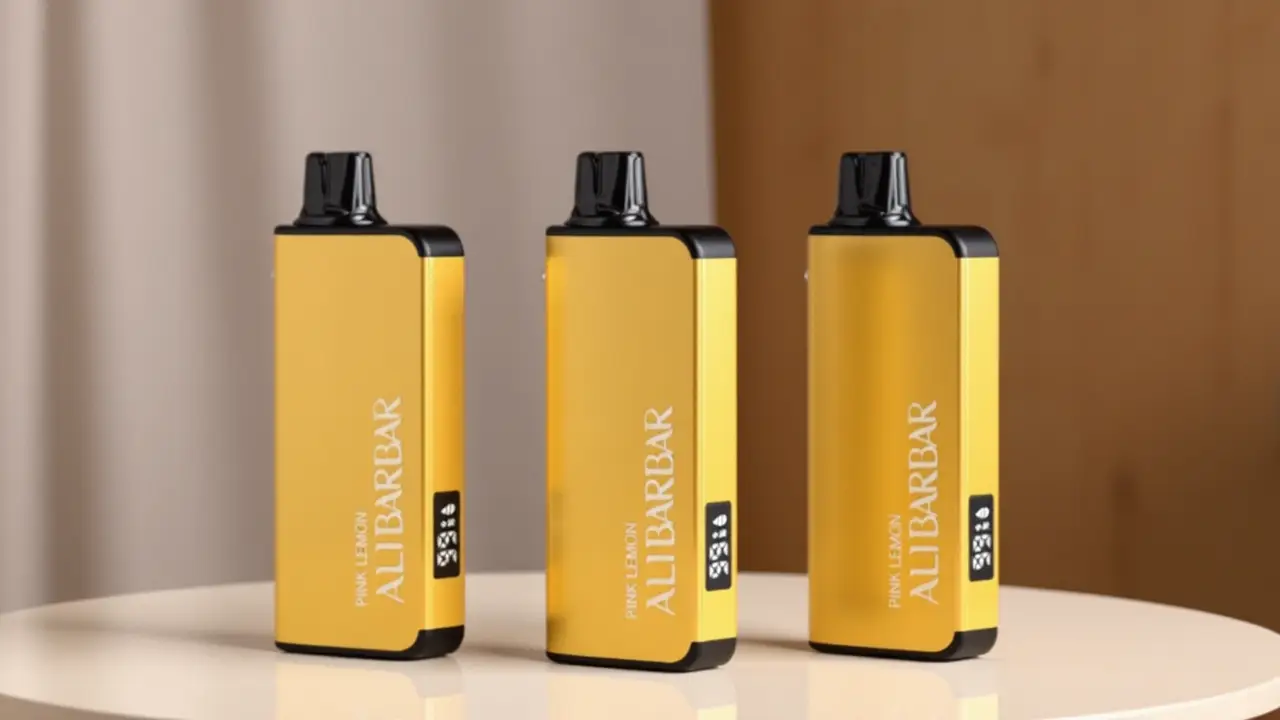
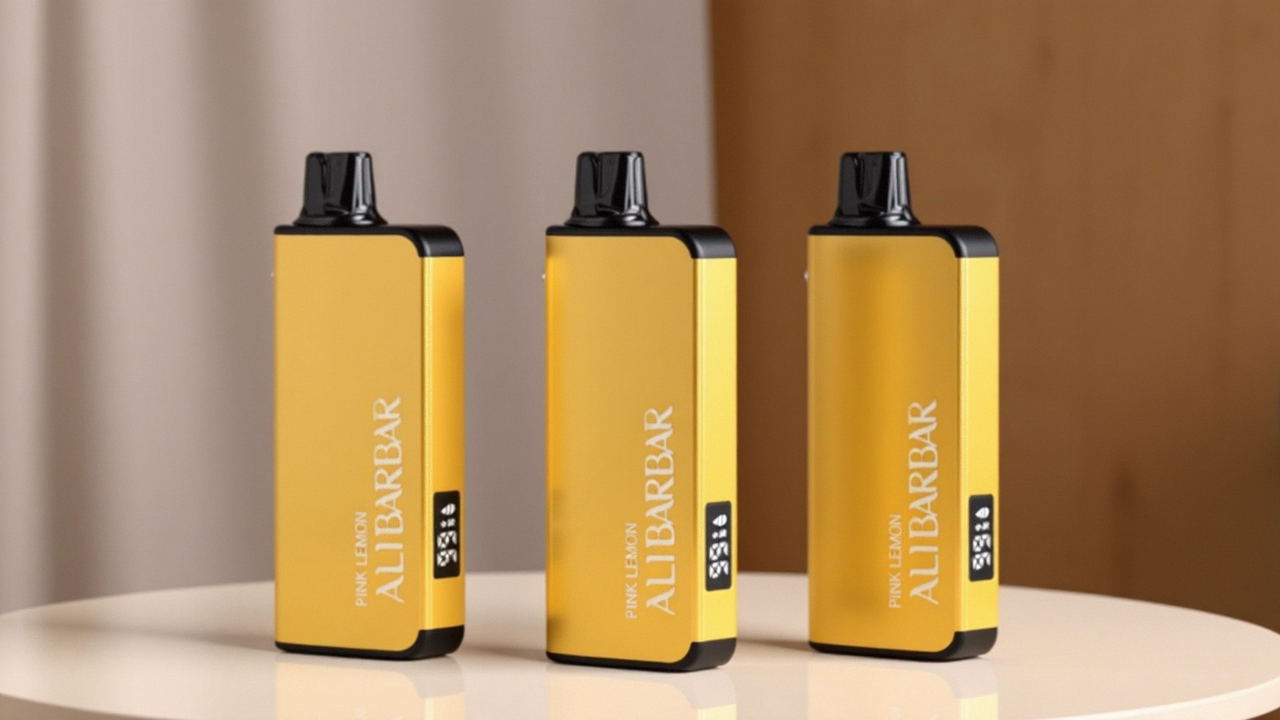
Rather than providing a ranked list, it is more useful to think in terms of need‑states and how various flavour families serve them. The ALIBARBAR range, accessible through OZVAPE Shop{target=”_blank”}, exemplifies a curated approach where each device’s engineering is matched with a set of profiles that remain stable across the unit’s rated life. For instance, the INGOT 9000 series presents several fruit‑and‑ice combinations that, thanks to the device’s consistent thermal management, hold their intended character from start to finish. That does not mean these flavours are “the best” — it means they are reliable benchmarks for what a well‑executed flavour should taste like within a given device category.
When assessing your own options, separate the question into two parts: What taste experience am I genuinely seeking for the bulk of my day? and Does the device I’m considering have the engineering needed to protect that taste over time? A user who wants a subtle, all‑day background note will naturally gravitate toward restrained tobacco or light menthol profiles, while someone looking for an intense, sporadic hit of cooling fruit might be better served by a high‑output device with a pronounced icy blend. In both cases, the flavour’s longevity depends less on the name than on the hardware’s ability to maintain its own performance.
A Practical Framework for Testing and Evaluating Flavours
When you are ready to explore new options, apply the following method. It transforms a subjective reaction into something you can learn from.
Start with the device, not the flavour. Confirm that your unit is performing as specified — full charge, clean contacts, and no signs of inconsistent output. A single subpar session can unfairly colour your impression.
Pick a single flavour and use it exclusively for at least a full day. This eliminates the contrast effect where a new flavour seems exciting simply because it’s different. You need to know how it settles into your routine.
Note three specific descriptors beyond “good” or “sweet.” For example: “The initial fruit note is sharp like fresh pineapple, but it fades into a creamy vanilla aftertaste that lingers too long.” This forces you to engage critically.
Revisit the same flavour on a different device if possible. If the taste changes dramatically, the issue was never the flavour — it was the device’s output characteristics.
Ask yourself the fatigue question: Could I use this continuously for three days without craving something different? If the answer is no, it may be better suited as an occasional option rather than your mainstay.
This framework works because it distinguishes between flavour formulation quality and situational variables. It also protects against the common trap of chasing novelty at the expense of daily satisfaction.
Common Selection Errors and Industry Observations
Years of listening to adult users have revealed several patterns that consistently undermine good decisions.
Overweighting the First Impression
An intensely sweet or cold flavour will almost always dominate a brief trial. That dramatic initial impact can mask thin mid‑notes and an unpleasantly synthetic aftertaste that only becomes obvious after extended use. Treat first impressions as a single data point, not the verdict.
Assuming Visual Similarity Indicates Formulation Parity
Just because two flavours share a fruit name does not mean they are crafted to the same standard. One “watermelon ice” might use carefully proportioned summer varietal extracts, while another relies on a cheap, candy‑like syrup. The only way to know is to pay attention to who formulates the liquid and under what quality controls, rather than relying on packaging aesthetics.
Ignoring the Device’s Power Arc
Many users blame a flavour for “dying” halfway through a device’s lifespan, when the real culprit is a drop in power delivery or wicking saturation that alters the taste. This happens especially in devices that lack transparent status indicators. By the time the user notices the flavour degrading, the hardware has been under‑performing for a while. Learning to recognise these changes as hardware‑related rather than flavour‑related saves time and money.
Confusing Category Marketing With Technical Description
Terms like “premium,” “ultra‑smooth,” or “crafted” are not regulated and convey zero technical information. A flavour’s quality is revealed only through its behaviour under normal use — its consistency, its resistance to fatigue, and its fidelity to the described profile. Industry‑wise, the brands that invest in batch‑level consistency and transparent documentation tend to produce fewer of the off‑putting surprises that generate complaints.
Frequently Asked Questions
Q: Is a higher price a reliable indicator of better flavour?
A: Not necessarily. Higher prices often reflect brand positioning, packaging, or device complexity — not the flavour formulation itself. A well‑priced option from a manufacturer that prioritises consistent ingredient sourcing can outperform an expensive one that neglects quality control.
Q: Why do some flavours taste great at first and then become unbearable?
A: This is usually flavour fatigue, not a flaw in the product. High‑intensity profiles — very sweet, very cold, or very rich — exhaust the palate faster. Lighter, more nuanced options tend to remain pleasant over longer periods.
Q: Can I trust flavour descriptions on packaging?
A: Descriptions offer a general guide, but they are simplified. A “mixed fruit” could mean anything from a tropical blend to a berry medley. Whenever possible, rely on detailed user reviews or testing frameworks rather than the label alone.
Q: How does device airflow affect flavour perception?
A: Tighter airflow concentrates heat and flavour, making profiles seem more intense. More open airflow can lighten the experience and highlight delicate top notes. It’s a personal preference, not a quality mark.
Q: Are menthol flavours harsher than others?
A: Not inherently, but the cooling sensation can be intense. Some people perceive that intensity as harshness. Properly formulated menthols provide clean coldness without chemical bite, while poorly made ones can irritate.
Q: What should I do if a flavour starts tasting burnt?
A: A burnt taste usually indicates that the heating element is not maintaining proper saturation. This is a hardware issue, not a flavour defect. Discontinue use and check if the device needs replacement or if it’s a sign of an exhausted unit.
Q: How do I choose a first flavour if I have no prior experience?
A: Start with a mild, widely agreeable profile like a single‑note fruit (apple, berry) or a light mint. These are less likely to cause immediate fatigue and let you learn what you enjoy without an overpowering experience.
Q: Does the same flavour taste the same across different devices?
A: No. Differences in temperature, airflow, and coil design can significantly alter the final taste. If you’re comparing flavours, use the same device model to keep variables controlled.
Q: How long should a flavour maintain its intended taste in a pre‑configured device?
A: A well‑engineered device should deliver consistent flavour for its entire rated cycle. If the taste changes noticeably before the device is exhausted, the device’s performance is likely inconsistent.
Q: Can I combine flavours from different devices?
A: This is not recommended unless the devices are modular and designed for user‑replaceable components. Trying to mix flavour sources without proper control can produce unpredictable and often unpleasant results.
Conclusion
The quest for the “best” flavour is a distraction from the more useful goal: understanding what makes a flavour work for you in practice. A flavour is only as good as the device that delivers it, the ingredients that compose it, and the usage pattern it must endure. When you start evaluating options through this lens — paying attention to consistency, personal fatigue thresholds, and device‑flavour interaction — the decision becomes clearer and far less arbitrary.
At OZVAPE Shop{target=”_blank”}, our role is not to tell you which taste to prefer, but to ensure that the products we stock meet the foundational standards of ingredient integrity and device reliability that make any flavour evaluation meaningful. The right choice is the one that aligns with your actual daily routine — the one that you reach for again not because it’s the loudest, but because it simply works without making you think about it.