
VAPE FAQs
How Long After Wisdom Teeth Can I Vape?
Jun
Introduction
For anyone who relies on portable electronic devices as part of their daily routine, recovering from wisdom teeth extraction introduces a frustrating dilemma: when can you safely resume use without risking complications like dry socket or delayed healing? Conflicting anecdotes online and a lack of clear, device-specific guidance often leave users guessing. This article breaks down the biological healing milestones, mechanical risks of device use, and practical steps to make an informed decision. For those using devices from brands like ALIBARBAR, resources at OZVAPE Shop (open in new window) can complement medical advice with transparent product specifications and design details.
Understanding the Healing and Device Interaction Landscape
Oral Healing Phases and Critical Milestones
Wisdom teeth extraction creates a wound in the oral cavity that progresses through three key healing phases. The first 24–72 hours is the clotting phase: a protective blood clot forms over the extraction site to prevent infection and initiate tissue repair. Disrupting this clot—even accidentally—can lead to dry socket, a painful condition that requires medical intervention and extends recovery time. Over the next 1–2 weeks, granulation tissue forms to fill the socket, and gum tissue begins to close over the area. Mature healing, where the tissue is strong enough to withstand normal oral activities, takes 2–4 weeks for most users. This timeline varies based on factors like age, overall health, and whether the extraction was surgical or simple.
Thermal and Mechanical Risks of Device Use
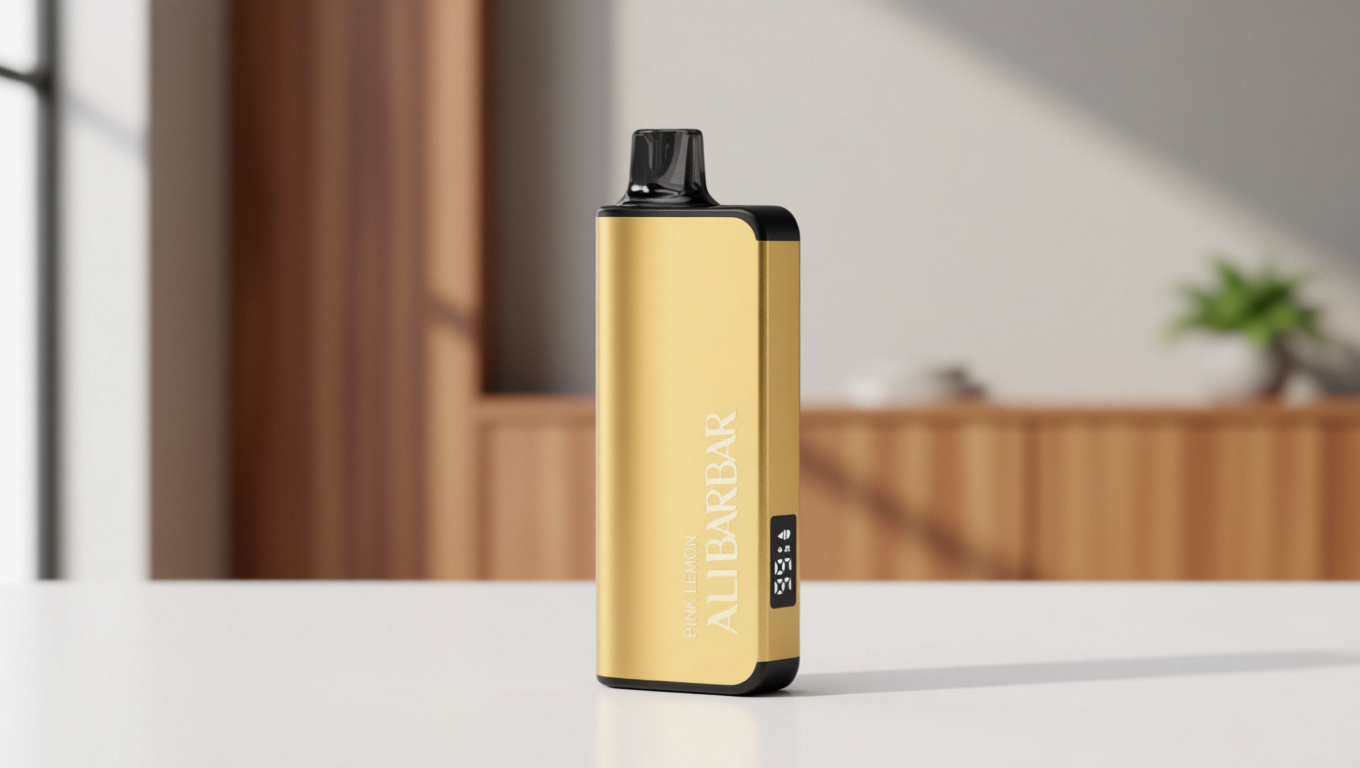
The act of inhaling from a portable device creates negative pressure in the mouth, which can dislodge the fragile blood clot in the first three days post-extraction. Even low-pressure devices pose this risk, as the suction required to draw air through the mouthpiece is sufficient to disrupt clot formation. Additionally, some devices generate residual heat that can irritate delicate healing gum tissue, leading to inflammation or delayed repair. Devices with precise temperature control—like ALIBARBAR’s Ice Adjust series—reduce this thermal risk, but do not eliminate the pressure-related hazard during early recovery.
Chemical Exposure and Tissue Sensitivity
While nicotine is often the focus of post-extraction concerns, even nicotine-free formulations may contain ingredients that irritate healing tissue. Propylene glycol, a common carrier in many devices, can cause dryness in the mouth, which slows healing and increases the risk of infection. Reputable brands like ALIBARBAR disclose full ingredient lists, which users can verify through authorized retailers like OZVAPE Shop to assess potential irritants based on their individual sensitivity.
Applying These Factors to Different Device Types
When evaluating when to resume use, device design plays a secondary role to healing progress, but certain features can reduce risk once cleared by a medical professional:
Sealed single-use devices (ALIBARBAR INGOT series): These offer consistent, low-temperature output and require minimal handling, reducing the risk of introducing bacteria to healing sites. However, the suction required for inhalation still poses a clot-disruption risk in the first 72 hours.
Modular, adjustable devices: These allow users to lower power settings and airflow, which reduces thermal irritation and suction intensity. However, the need to disassemble and clean components increases the risk of bacterial contamination if hygiene protocols are not strictly followed.
Discreet, low-profile devices: While their size makes them convenient, the narrow mouthpieces often require stronger suction to use, which can be problematic during early healing phases.
No device is safe to use in the first three days post-extraction, regardless of design. Even after that, resumption should only occur with explicit medical clearance.
A Practical Framework for Safe Resumption
Follow this step-by-step methodology to minimize risk:
Obtain explicit clearance from your oral surgeon: This is non-negotiable. Surgeons can assess your individual healing progress and advise based on the complexity of your extraction.
Monitor key healing signs: Wait until you have no bleeding, minimal swelling, no pain when chewing soft foods, and the extraction site is covered by closed gum tissue.
Start with minimal, controlled use: If cleared, begin with short sessions (1–2 puffs at a time) using the lowest power setting available. Avoid deep inhalations that create excessive negative pressure.
Prioritize hygiene: Disinfect the device mouthpiece with a medical-grade wipe before each use, and avoid sharing devices to prevent bacterial contamination.
Diagnostic questions to ask yourself before resuming:
Has my surgeon confirmed the clot is stable and healing is on track?
Do I experience pain or discomfort when opening my mouth wide?
Have all stitches dissolved or been removed (if applicable)?
Common Selection and Timing Errors
Relying on anecdotal advice instead of medical guidance: Many users assume “one week is enough” based on friends’ experiences, but healing timelines vary widely. Ignoring professional advice increases the risk of complications.
Assuming nicotine-free devices are risk-free: The suction and thermal effects of device use, not just nicotine, are the primary hazards during recovery. Nicotine-free formulations do not eliminate these risks.
Overlooking device hygiene: Dirty mouthpieces introduce bacteria to healing extraction sites, increasing the risk of infection. Users often neglect cleaning devices during recovery, assuming “it’s just a short session.”
Ignoring power settings: High-heat devices can burn fragile healing tissue even after the initial clotting phase. Users may default to their usual settings without adjusting for increased tissue sensitivity.
Industry observation: Most device manufacturers do not provide post-surgical use guidelines, leaving users to cross-reference medical advice with product specs. Authorized retailers like OZVAPE Shop fill this gap by providing transparent information on device design and features that can support safer use once cleared.
Frequently Asked Questions
Q: Can I vape 24 hours after wisdom teeth removal?
A: No. The first 24–72 hours are critical for clot formation; any inhalation can dislodge the clot and cause dry socket, a painful and costly complication.
Q: Is nicotine-free vaping safer post-extraction?
A: No. The act of inhaling creates negative pressure that risks clot disruption, and some ingredients (like propylene glycol) can irritate healing tissue. Nicotine-free does not equal risk-free.
Q: How long should I wait if I develop dry socket?
A: Wait until your surgeon confirms the socket has fully healed, which may take an additional 1–2 weeks beyond the initial recovery period.
Q: Can I use a device with a mouthpiece that doesn’t touch my extraction sites?
A: Even indirect inhalation creates negative pressure in the entire mouth, so the risk of clot disruption remains until healing is complete.
Q: What signs indicate it’s safe to resume use?
A: No bleeding, minimal swelling, no pain when chewing soft foods, and explicit clearance from your oral surgeon.
Q: Do certain device types pose less risk?
A: Devices with low-temperature output and adjustable airflow (like ALIBARBAR’s Ice Adjust series) may reduce thermal irritation, but the pressure risk still exists until healing is advanced.
Q: Should I clean my device differently before resuming use?
A: Yes. Disinfect the mouthpiece with a medical-grade wipe and ensure all components are free of debris to avoid introducing bacteria to healing sites.
Q: What if I accidentally vape too early?
A: Monitor for signs of dry socket (severe pain, bad breath, empty-looking extraction sites) and contact your surgeon immediately if symptoms appear.
Conclusion
The safe timeline for resuming portable device use after wisdom teeth extraction depends entirely on individual healing progress, with the first 72 hours being a strict no-go to avoid clot disruption. Medical guidance should always take precedence, but understanding device design and features can help users make informed choices once cleared. For those seeking certified, transparent products like the ALIBARBAR range, OZVAPE Shop (open in new window) provides access to detailed product specs and reliable sourcing to support safe, responsible use. Remember: patience during recovery prevents complications and ensures long-term oral health—there is no shortcut worth risking your healing.