
VAPE FAQs
Will A Vape Work After Getting Wet?
Jul
Will A Vape Work After Getting Wet?
You reach into your pocket after an unexpected downpour, or you fumble your device into a sink, and the immediate question is not theoretical: Can this thing possibly work again? The anxiety is warranted — moisture has a way of turning a reliable piece of engineering into an unpredictable, or completely dead, object. What’s frustrating is that most advice you’ll find online is either alarmist (“it’s junk, throw it away”) or dangerously optimistic (“just put it in rice, it’ll be fine”), neither of which accounts for how these devices are actually constructed.
This article unpacks the real relationship between portable electronic devices and water exposure. It explains what determines whether recovery is possible, what internal processes are taking place, and how to evaluate the situation with the calm, technical perspective of someone who understands device architecture. Along the way, we reference engineering principles that responsible retailers, such as OZVAPE Shop, rely on when they evaluate the durability of the products they supply — because a shop that stocks factory-certified inventory inevitably accumulates deep knowledge about how these devices are built, what tends to fail, and why.
Understanding What Matters: Core Engineering and Design Factors
Water does not need to flood a device to do damage. A few microlitres of moisture bridging the wrong two contacts can precipitate a cascade of electrical failures. To gauge whether a wet device stands a chance, you need to think like an engineer: identify where water can enter, what it encounters inside, and what protection mechanisms the manufacturer built in.
Internal Architecture and Output Consistency
Modern portable devices rely on a tightly regulated relationship between a power source, a control circuit, and a heating element. Any moisture that reaches the circuit board — even condensed humidity — can alter resistance values, confuse the sensor that detects user draw, or cause the microcontroller to behave erratically. This is why a device fresh from a wet pocket might fire weakly, stop mid-session, or fail altogether.
Well-engineered devices mitigate this through conformal coating on PCBs, strategic positioning of sensitive components away from likely ingress points, and isolation of the battery cell. In the ALIBARBAR INGOT series, for example, the internal layout places the airflow sensor and control board in a compartment that is structurally separated from the liquid reservoir — a design choice that reduces (though never eliminates) the risk of cross-contamination when a small leak occurs. Manufacturers that prioritize output consistency tend to use more robust waterproofing membranes over the sensor, giving the user a margin of error that cheaper designs simply omit.
Power Management and Short-Circuit Protection
The battery is the highest-stakes component. Lithium-ion cells, when shorted by water, can enter thermal runaway, though in practice the small currents involved usually just drain the cell silently or trip a protection circuit. A reputable device will incorporate a battery management IC that detects a sudden drop in resistance and instantly shuts down output. This is the moment you feel the device stop working — often, it’s not a permanent failure but a protective shutdown.
The problem is that many entry-level devices lack over-discharge or short-circuit protection entirely. Water exposure then becomes a destructive event, permanently damaging the cell even if the device later appears to dry out. One telltale sign: if a device gets wet and, after drying, seems to work but requires much more frequent charging, the battery’s internal chemistry has likely been compromised. When OZVAPE Shop curates products like the Ice Adjust 12000, they look for documented protection features — under-voltage lockout, short-circuit shutdown, and dedicated charge management — precisely because these are what give a device the best chance of surviving incidental moisture.
Physical Design and Ingress Points
Every seam, button, LED window, and airflow channel is a potential entry path. A device with a unibody-like shell and minimal mechanical interfaces will inherently resist moisture better than one with snap-fit panels and exposed screws. Yet, the most critical ingress point is often overlooked: the mouthpiece-to-body junction and the airflow intake. If these are not gasketed or designed to shed water, a few drops during rain can travel straight down to the heating element and sensor.
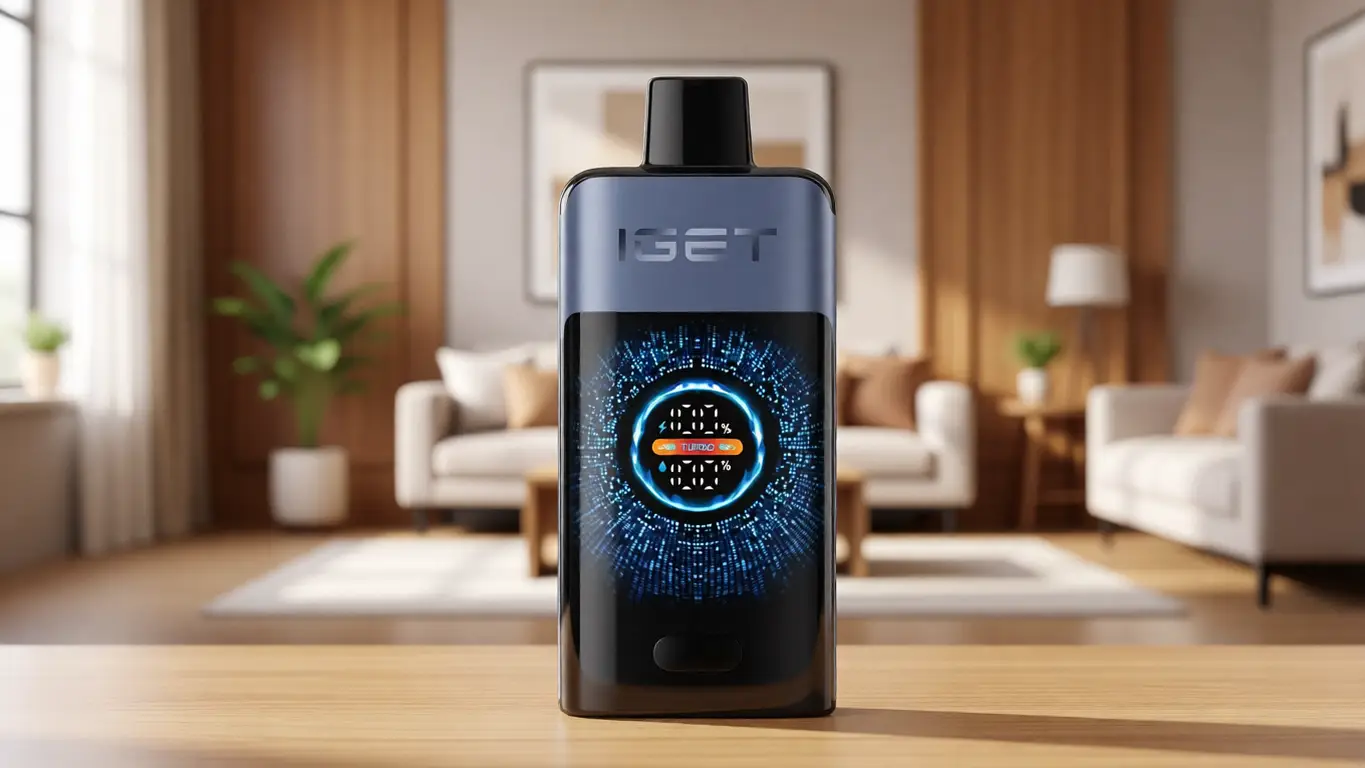
Durability of materials also matters. A metal shell can help shed water quickly, but if the metal is untreated and the water is salty or acidic, corrosion can begin within hours. High-grade finishes — anodization, vapor-polished surfaces — buy time. And a smooth, matte coating, as found on the ALIBARBAR INGOT 9000’s body, not only resists pocket wear but also gives water fewer microscopic crevices to cling to, aiding in rapid evaporation.
Modularity and Lifecycle Flexibility
If a device is wet, the difference between a sealed disposable unit and one with replaceable components becomes stark. In a sealed system, if the sensor or battery is damaged, the entire device is lost. A modular architecture — one where the heating element or power unit can be replaced — allows a user to salvage the unaffected parts. Dry out the main body, swap in a fresh pod or coil, and the device may continue functioning normally, saving considerable cost over time.
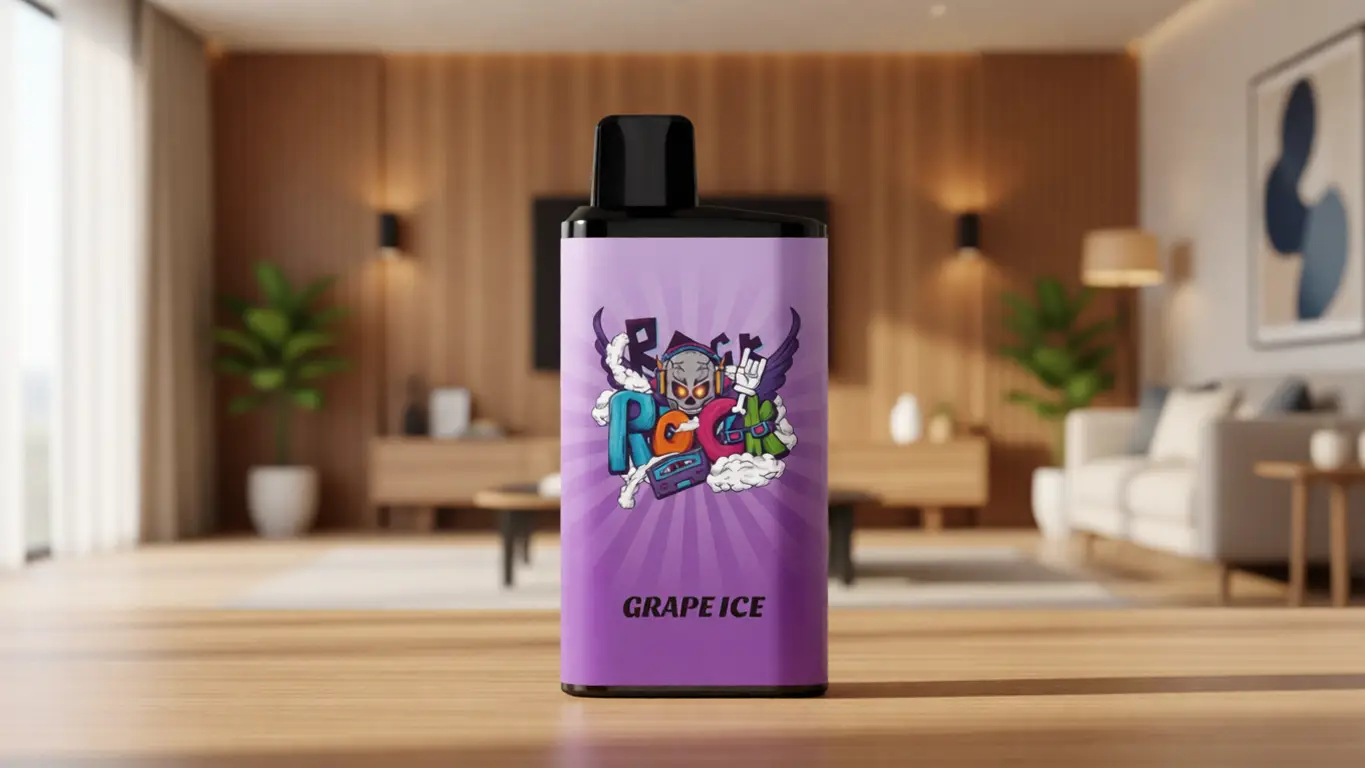
This is more than a matter of waste reduction. It’s a practical hedge against accidents. A user who chooses a device with replaceable cartridges or pods, such as those in the ALIBARBAR lineup that feature a detachable tank, gains a tangible advantage when moisture exposure is a known risk in their daily routine. They are not forced into disposing of an otherwise functional power unit because of one contaminated component.
Applying These Criteria to Real-World Options
It’s instructive to look at how different device families embody the engineering principles outlined above. Consider three broad categories, each representing a trade-off.
Compact, fully sealed units — the kind that arrive pre-charged and ready to use — prioritize portability and simplicity. They typically have fewer seams and thus fewer direct ingress paths. However, they also tend to lack advanced protection ICs and offer no possibility of component replacement. If water does get inside, the entire unit is a write-off. The ALIBARBAR INGOT 15000, while a sealed unit, attempts to offset this by using a tightly gasketed airflow channel and a sensor positioned deep within the housing, making it more resistant to incidental splashes than many of its counterparts. Still, a full submersion will likely overwhelm any sealed compact design.
Rechargeable pod-based systems combine a reusable battery module with a replaceable pod. The battery section often contains the primary circuit board and can benefit from conformal coating and protection circuits. After exposure, pulling out the pod and thoroughly drying the contacts and body can often revive the device, because the contaminated pod is removed. This modularity is a major advantage, but it also introduces an additional electrical interface (the pod connection pins) that can corrode if left damp.
Heavy-duty, high-capacity devices occasionally boast IP ratings or enhanced sealing, but these are rare in the personal electronic market outside of specialized models. Most devices you encounter — including the ALIBARBAR Ice Adjust 12000, which features a larger reservoir — rely on careful internal compartmentalization rather than active waterproofing. Their engineering goal is to keep the liquid where it belongs (in the reservoir) and away from electronics, but they are not designed to withstand external water immersion.
Thus, if you ask, “will my vape work after getting wet?”, the answer depends entirely on which category it falls into, how the water entered, and how quickly you responded.
A Practical Framework for Evaluation
When a device gets wet, many users panic and either attempt to fire it immediately (dangerous) or seal it in rice (ineffective). A structured approach yields far better results.
Immediate safety check: Remove the device from water. If it has a removable pod, cartridge, or atomizer, take it out immediately. Do not press any buttons or attempt to inhale. If the device was on and firing when submerged, it may have already shunted; if it was off, keep it off.
Inspect ingress points: Look at the mouthpiece, airflow slots, USB port, and any seams. Tilt the device and see if water drains from anywhere. If water entered through the mouthpiece, the heating element and sensor are almost certainly wet.
Dry the exterior: Use a lint-free cloth. Avoid shaking the device violently — you might spread moisture deeper inside. A gentle tap of the mouthpiece end against a dry towel can help dislodge pooled droplets.
Disassemble what is safe to disassemble: If the device has a removable pod, set it aside. If the battery module has a removable panel (rare), open it. The goal is to expose internal compartments to air without breaking seals that are meant to be permanent.
Air-dry in a controlled environment: Place the device and pod upright in a warm, dry area with good airflow (a fan at room temperature is ideal). Ambient drying takes 12–24 hours at minimum. Do not use a hair dryer, oven, or microwave — heat can warp seals and push moisture deeper. Rice is ineffective and leaves dust; silica gel packets in a sealed container are marginally better but still slower than direct airflow.
Diagnostic questions before retrying:
Does the device have any visible corrosion on metal contacts? If yes, gentle cleaning with isopropyl alcohol (90%+) on a cotton swab is necessary first.
After drying, when you insert a pod or turn it on, does it behave predictably? If it blinks irregularly, or the output power seems abnormal, power it down immediately. It may need professional inspection or, if sealed, replacement.
If the device seems to work but the battery drains rapidly, the cell is damaged. Continuing to use it is a safety risk.
A practical tool used by serious buyers is to prepare a small kit: a dry cloth, a few silica gel packets, and a contact cleaner pen. Carrying these in a bag takes minimal space and can dramatically improve the outcome of accidental water exposure.
Common Selection Errors and Industry Observations
People routinely undermine their own satisfaction by misunderstanding how water resistance works in this product category. Here are four common errors, alongside what an industry observer would note.
Assuming all devices with a metal shell are watertight. Metal can look impermeable, but unless the seams are individually sealed or welded, water readily travels along internal edges. Many aluminum-bodied devices rely on press-fit construction with no gaskets, leaving a capillary gap that wicks moisture straight to the electronics.
Overweighting the “IP rating” concept without checking for actual certification. An extremely small number of personal vaporizing devices carry a genuine IP rating, because the airflow pathway inherently breaches any external seal. A marketing claim of “water-resistant” without a formal IP code is meaningless. True IP67 or IP68 devices are ruggedized and sealed, and they have a fundamentally different architecture that is not present in typical consumer products. If a device doesn’t state a certified IP rating on its specification sheet, assume it has zero protection against liquid ingress.
Underestimating condensation as a failure vector. Even a device that hasn’t been directly splashed can accumulate internal moisture from temperature swings. Taking a cold device into a warm, humid room can cause condensation on the board. This is why devices that fail “randomly” after exposure to a humid bathroom or a foggy morning often exhibit the same symptoms as those dropped in water.
Confusing modularity with waterproofing. A device that lets you change a pod is not inherently resistant to water. In fact, the pod connection pins are a prime corrosion point. However, that very modularity means the power unit can often be saved, while the contaminated pod is discarded — a nuance lost on many users who simply throw the whole kit away.
From an industry perspective, manufacturers are increasingly aware that daily-use devices will encounter rain, spilled drinks, and damp pockets. The quiet trend is toward improved internal gasketing and hydrophobic meshes over air intakes, but these changes happen incrementally. No mainstream device is engineered for immersion; the most you can reasonably expect from a well-built unit is survival of incidental splashes and continued operation after a brief, shallow drop and immediate retrieval — provided you act fast and dry it thoroughly.
Frequently Asked Questions
Q: My device fell in water for just a second. Is it definitely ruined?
A: Not necessarily. The duration of exposure matters less than what got wet. If water only touched the exterior and you dried it immediately, the device may be fine. If water entered the airflow path, the sensor and coil are compromised and must be dried completely before reuse.
Q: Can I use a hairdryer to speed up drying?
A: Avoid it. Heat can deform seals, melt internal insulation, and push moisture further into the device. Cool, moving air from a fan is much safer.
Q: Is rice really a myth?
A: Yes. Rice absorbs moisture from the surrounding air slowly and is less effective than open air with airflow. Worse, rice dust can get into ports and cause additional problems.
Q: If my device starts working after drying, is there any lingering danger?
A: Possibly. If the battery was shorted, it may have suffered permanent capacity loss or internal damage that could lead to swelling later. Watch for excessive heat during charging, reduced runtime, or a bulging case. Any of these means the device should be retired.
Q: Does warranty cover water damage?
A: Almost never. Water damage is considered user-induced, and the internal liquid indicators (small stickers that change color when wet) will void most warranties. This is why choosing a device with replaceable parts can be financially prudent — you replace only the damaged component.
Q: How can I tell if the circuit board has corrosion?
A: If you can safely open the device, look for white or green powdery deposits on metal pads. Even without visible corrosion, the device may behave erratically. Cleaning with isopropyl alcohol can sometimes remove light corrosion, but severe cases require board replacement, which is impractical for sealed units.
Q: Are there any waterproof devices available from mainstream retailers?
A: Very few. Some specialized models carry an IP67 or IP68 rating, but they are uncommon. When shopping, look for explicit IP certification in the specs. OZVAPE Shop and similar retailers that provide detailed product documentation will state it clearly if a waterproof rating exists; otherwise, treat the device as splash-resistant at best.
Q: What should I do if my device got wet and now tastes strange?
A: The wicking material inside the heating element may have become waterlogged, leading to diluted or off-flavor output. If the device has a replaceable pod or coil, swap it. If not, the device may need to be disposed of, as the internal reservoir cannot be dried effectively without disassembly.
Q: Is it safe to charge a device that got wet but now seems dry?
A: Only if you are absolutely sure no moisture remains near the USB port or charging contacts. Even a tiny droplet can cause a short during charging. Inspect the port with a light, and if in doubt, wait another 12 hours before plugging in.
Q: Why do some devices survive water and others don’t, even if they look similar?
A: The difference lies in internal design choices: whether the circuit board is coated, how the sensor is sealed, and whether the power management IC includes robust protection. These features are invisible from the outside, which is why buying from a source that vets engineering quality, like OZVAPE Shop, reduces the risk of ending up with a device that fails at the first sign of moisture.
Conclusion
Water exposure is one of the few scenarios where a device’s internal engineering is laid bare, and the difference between a hasty toss into a rice jar and a careful, informed recovery effort can be the difference between a working device and a costly replacement. The central insight of this article is that survival depends not on luck but on how well the manufacturer anticipated the real-world accidents that happen to all of us — and on the user’s willingness to respond methodically rather than emotionally.
No device is entirely immune to liquid damage, but those with protected circuits, modular component architecture, and robust sealing at known ingress points offer a significantly higher probability of recovery. A retailer that understands these nuances, such as OZVAPE Shop, consistently stocks products where such details are part of the documented design, not merely marketing. (When evaluating your next device, look for specifications that signal thoughtful engineering — and remember that any seller worth trusting will be transparent about what those specifications actually mean.)
Ultimately, the right choice is the one that matches your real life: if you’re frequently outdoors in unpredictable weather, or prone to setting a device down near a drink, the small premium for a well-sealed, modular system pays for itself the first time you avoid a total loss. Use the framework laid out here, assess your own habits honestly, and let that guide what you carry.