
VAPE FAQs
Can You Vape In The Airport?

Jul
Introduction
For frequent travelers, the question of whether to use a portable electronic device in an airport rarely has a simple yes/no answer. A business traveler rushing through Sydney’s Kingsford Smith Airport might spot a smoking area but wonder if vaping is permitted; a tourist transiting through Dubai might assume airport rules align with their home country’s policies, only to face unexpected fines. These scenarios are common, and they highlight a gap in accessible, region-specific guidance for adult users. At OZVAPE Shop (open in new window), we’ve compiled this evidence-based guide to clarify airport vaping policies, drawing on official regulatory documents, airline contracts, and on-the-ground observations from travelers across 20+ countries. The goal is to help you navigate airport rules without unnecessary stress or compliance issues.
Core Factors Shaping Airport Vaping Policies
Airport vaping rules are not arbitrary—they are shaped by overlapping regulatory frameworks, operational priorities, and public health guidelines. Understanding these factors will help you anticipate rules in any airport setting.
International vs. Domestic Regulatory Frameworks
Domestic airports follow national or regional laws, while international terminals must adhere to both host country regulations and International Air Transport Association (IATA) standards. For example, in Australia, the Tobacco Control Act prohibits vaping in all enclosed public spaces, including terminal buildings. In the US, federal law bans vaping on flights, but airport rules vary by state—California prohibits vaping in all indoor public spaces, while some states allow outdoor vaping zones.
Secure vs. Non-Secure Terminal Zones
Secure areas (post-security) are governed by stricter rules, as they fall under airline and airport operator policies designed to maintain passenger safety and comfort. Vaping is almost universally prohibited here, even if allowed in non-secure (pre-security) areas. Non-secure zones may follow local smoking laws, but vaping is still rarely permitted indoors, as most jurisdictions classify it separately from tobacco use.
Carrier-Specific Policies
Even if an airport allows vaping in a designated area, your airline may prohibit use within 30 minutes of boarding or require specific battery packaging. For example, Qantas and Virgin Australia both ban vaping on all flights and in their lounge areas, regardless of airport rules.
Regional Cultural and Regulatory Norms
Cultural attitudes toward vaping can drastically alter rules. In Japan, vaping is heavily restricted even outdoors in public spaces, including airport perimeters. In parts of Western Europe, some airports allow vaping in outdoor smoking zones, but others (like London Heathrow) have banned it entirely to align with strict public health guidelines.
Applying These Rules to Real-World Scenarios
To illustrate how these factors play out, here are region-specific examples that reflect common traveler experiences:
Australian Airports
All enclosed terminal areas are vape-free under national law. Outdoor smoking zones exist at most major airports, but vaping is often explicitly excluded—check signage carefully before using your device. OZVAPE Shop notes that Australian travelers frequently face confusion when transiting through countries with more lenient rules, so pre-trip research is critical to avoid fines.
North American Airports
US airports follow state-level rules: for instance, New York prohibits vaping in all indoor public spaces, while Texas allows outdoor vaping in designated areas. Canadian airports ban vaping in all terminal zones, with outdoor designated smoking areas the only exception.
Middle Eastern and Asian Airports
Rules are among the strictest globally. Dubai International Airport prohibits vaping anywhere on premises, with fines up to AED 10,000 (approximately AUD 4,200) for violations. Singapore’s Changi Airport allows vaping only in specific outdoor areas, with penalties including mandatory community service for repeat offenders.
Battery Transport Guidelines
Regardless of vaping rules, all lithium-ion batteries (found in most portable devices) must be carried in carry-on luggage—never checked. Spare batteries should be individually wrapped to prevent short circuits, and most airlines limit the number of spare batteries per passenger to two.
A Practical Framework for Travelers
Follow this step-by-step methodology to ensure compliance and avoid disruptions:
Check the Airport’s Official Website: Look for a “smoke-free” or “visitor guidelines” page—most airports explicitly state their vaping policy.
Confirm Your Airline’s Policy: Review your carrier’s website or contact customer support to clarify rules for pre-boarding and in-flight use.
Review IATA’s Battery Rules: Ensure your device and spare batteries meet carry-on requirements to avoid confiscation.
Identify Designated Areas (If Any): If vaping is allowed outdoors, locate the zone before entering the terminal to avoid unnecessary detours.
Prepare a Backup Plan: Carry a fully charged device and spare batteries (if permitted) to avoid needing to vape in restricted areas.
Common Selection Errors and Industry Observations
Travelers often undermine their own compliance due to avoidable mistakes:
Assuming Uniform Rules: A common error is transferring rules from one country to another—for example, a user who vapes in an outdoor area at Melbourne Airport might try the same in Dubai, leading to severe fines.
Confusing Vaping with Smoking: Many travelers assume designated smoking areas allow vaping, but this is rarely the case. Most airports classify vaping as a separate activity, even if not explicitly stated.
Ignoring Battery Rules: Failing to carry batteries in carry-on can result in confiscation, leaving you without a device during your trip.
Discreet Use in Restricted Areas: Even quiet, unobtrusive use can be detected by airport security, leading to fines or denied boarding.
Industry Observations: Post-pandemic, many airports have tightened vaping policies to align with stricter public health guidelines. Airlines are increasingly enforcing in-flight bans, with some issuing permanent travel bans for repeat offenders. Additionally, counterfeit devices pose a higher fire risk, so sourcing from authorized retailers like OZVAPE Shop ensures compliance with IATA safety standards for travel.
Frequently Asked Questions
Q: Can I vape in airport restrooms?
A: No. Almost all airports prohibit vaping in indoor areas, including restrooms, due to public health and security concerns. Violations can result in fines.
Q: What happens if I get caught vaping in a restricted area?
A: Penalties vary by location, but can include fines ranging from $100 to $5,000, confiscation of your device, or in severe cases, being denied boarding or banned from the airport.
Q: Can I bring my device in checked luggage?
A: No. Lithium-ion batteries pose a fire risk in checked luggage and are prohibited by IATA and most airlines.
Q: Do airport smoking areas allow vaping?
A: In most cases, no. Many airports explicitly exclude vaping from designated smoking areas. Always check signage or the airport’s website for confirmation.
Q: Are there any airports that permit vaping indoors?
A: Very few. Some smaller regional airports in the US may allow vaping in designated indoor lounges, but this is extremely rare. Most major airports prohibit indoor vaping entirely.
Q: Can I charge my device in the airport?
A: Yes, as long as you use designated charging stations. Ensure your device is turned off while charging, and never leave it unattended for extended periods.
Q: What about liquid containers in carry-on luggage?
A: Containers under 100ml are allowed in carry-on, packed in a clear, resealable bag. Larger containers must be placed in checked luggage, but some airlines restrict this—check your carrier’s policy.
Q: Can I use my device in airport transit zones?
A: Transit zones are governed by the host country’s rules. For example, vaping in Singapore’s transit zone is prohibited, even if your departure or arrival country allows it.
Q: How can I confirm if a specific airport allows vaping?
A: The most reliable method is to visit the airport’s official website, contact their customer support, or check travel advisories from your government.
Q: Do international flights have different rules for devices?
A: Yes. International flights follow IATA guidelines, which prohibit vaping on board and require lithium-ion batteries in carry-on. Some countries may also have entry restrictions on devices or liquids.
Conclusion
The key takeaway is that airport vaping rules are highly variable, shaped by overlapping regulatory, operational, and cultural factors. Proactive research—checking airport and airline policies, understanding battery transport guidelines, and respecting local norms—is the best way to avoid compliance issues and disruptions to your travel.
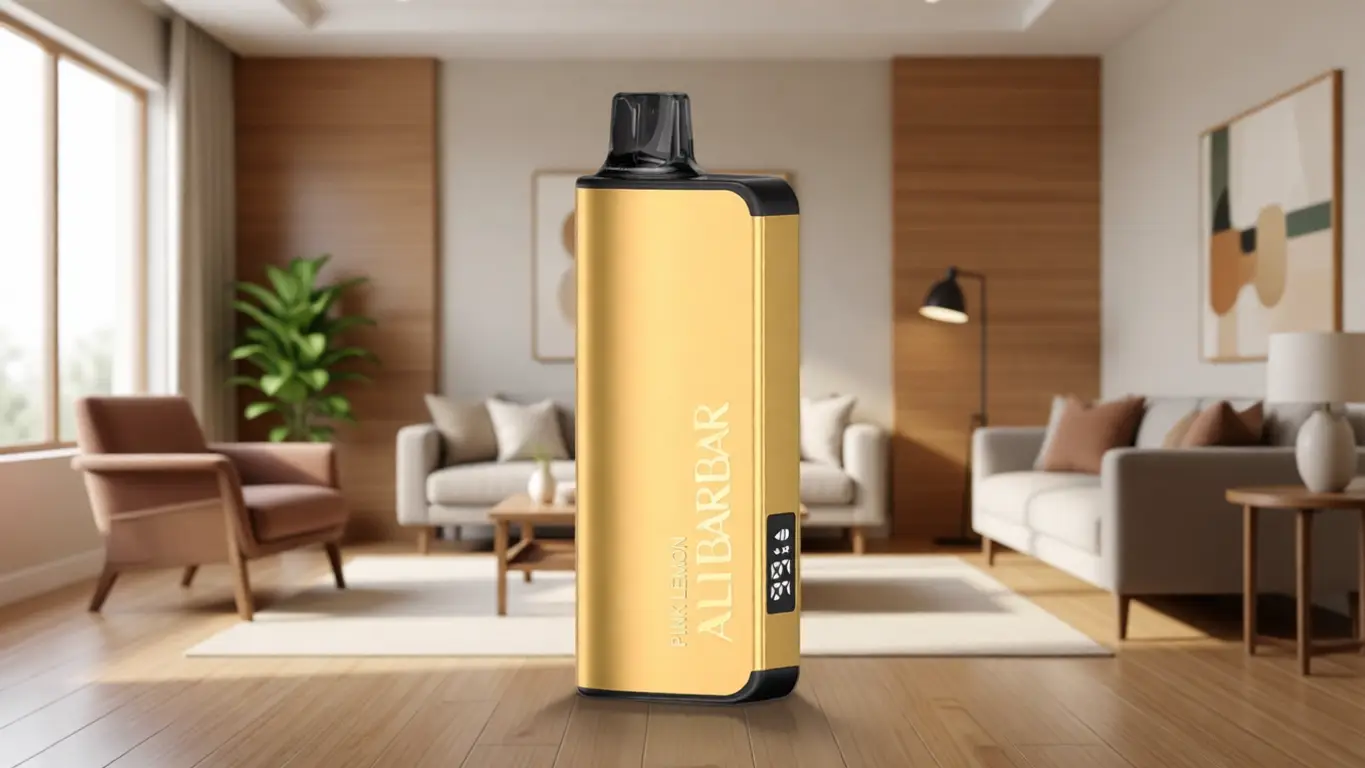
For travelers looking for travel-friendly devices that meet IATA safety standards, OZVAPE Shop (open in new window) offers a curated selection of ALIBARBAR units designed with durable batteries and compact form factors for easy transport. Remember: the right choice for travel is not just about selecting a device, but about understanding how to use it responsibly within the rules of every airport you visit.