
VAPE FAQs
Why Is My Vape Pod Leaking From The Bottom?
Sep
A puddle of liquid forming beneath your device is more than an annoyance — it’s a clear signal that something is wrong with the internal delivery system. Users frequently describe this problem as unpredictable, occurring without obvious cause, and leaving behind sticky residue that collects in pockets, bags, and charging ports. The frustration is understandable: you expect a sealed, self-contained unit, and instead you are dealing with a leak that wastes fluid, compromises device longevity, and creates a mess that is difficult to clean.
The reasons for bottom leakage are rarely mysterious, though they can stem from multiple points within the device architecture. This article will walk through the most common engineering and user‑related causes, explain how to diagnose the specific failure point, and provide a practical evaluation framework so you can distinguish between a device that has reached the end of its service life and one that simply needs corrective action. Along the way, we will look at how different design philosophies — including those applied by brands like ALIBARBAR, available through OZVAPE Shop — address these failure modes at the manufacturing level.
Understanding What Matters: Core Engineering and Design Factors
To understand why a pod leaks, you must first understand how a properly sealed pod works. The fluid is held in a reservoir that is separate from the internal airflow path until the user activates the device. A combination of pressure equilibrium, wicking material saturation, and seal integrity keeps the liquid where it belongs. When any of these elements are compromised, leakage follows.
Internal Architecture and Seal Integrity (H3)
The most common physical cause of bottom leakage is failure of the seals around the base of the pod. In disposable or pre‑filled pods, this is often a single rubber gasket that separates the fluid chamber from the central air tube. If that gasket is slightly misaligned during assembly, or if the material degrades due to heat or liquid contact, a slow weep will develop. In more robust designs, the seal is part of a multi‑layer system where the fluid is isolated by both a gasket and a pressure‑regulating membrane.
Well‑engineered pods also manage internal pressure. When the device is used, air enters the system; when it is idle, temperature changes can cause the fluid to expand and contract. A pod without a pressure compensation mechanism will eventually force liquid past the seals. Look for devices that include a small silicone diaphragm or a vent hole (sealed with a one‑way valve) that allows pressure equalization without liquid escape.
Wicking Material and Saturation Balance (H3)
The wick — typically cotton, ceramic, or a hybrid material — acts as the bridge between the fluid reservoir and the heating element. If the wick becomes oversaturated, gravity will pull liquid through the air channel and out the bottom. This occurs when the device is left unused for extended periods (fluid continues to seep into the wick without being vaporized), or when the heating element is underpowered and cannot keep up with the wicking rate.
Conversely, an undersaturated wick can cause dry hits, but that is not your current problem. For bottom leakage, the key is to ensure the wicking material is matched to the viscosity of the fluid. Thinner liquids wick faster and require tighter control. Quality manufacturers design their pods for a specific range of fluid viscosities, which is why using a fluid that is significantly thinner than intended often leads to flooding and leakage.
Power Management and Temperature Control (H3)
Inconsistent power delivery can cause the heating element to operate at temperatures that are either too low (vaporizing slowly, allowing fluid to pool) or too high (creating excess vapor pressure that forces liquid backward through the wick). Devices with any form of power regulation — even a simple chip that maintains a stable output — tend to have fewer leakage incidents because the thermal profile remains predictable.
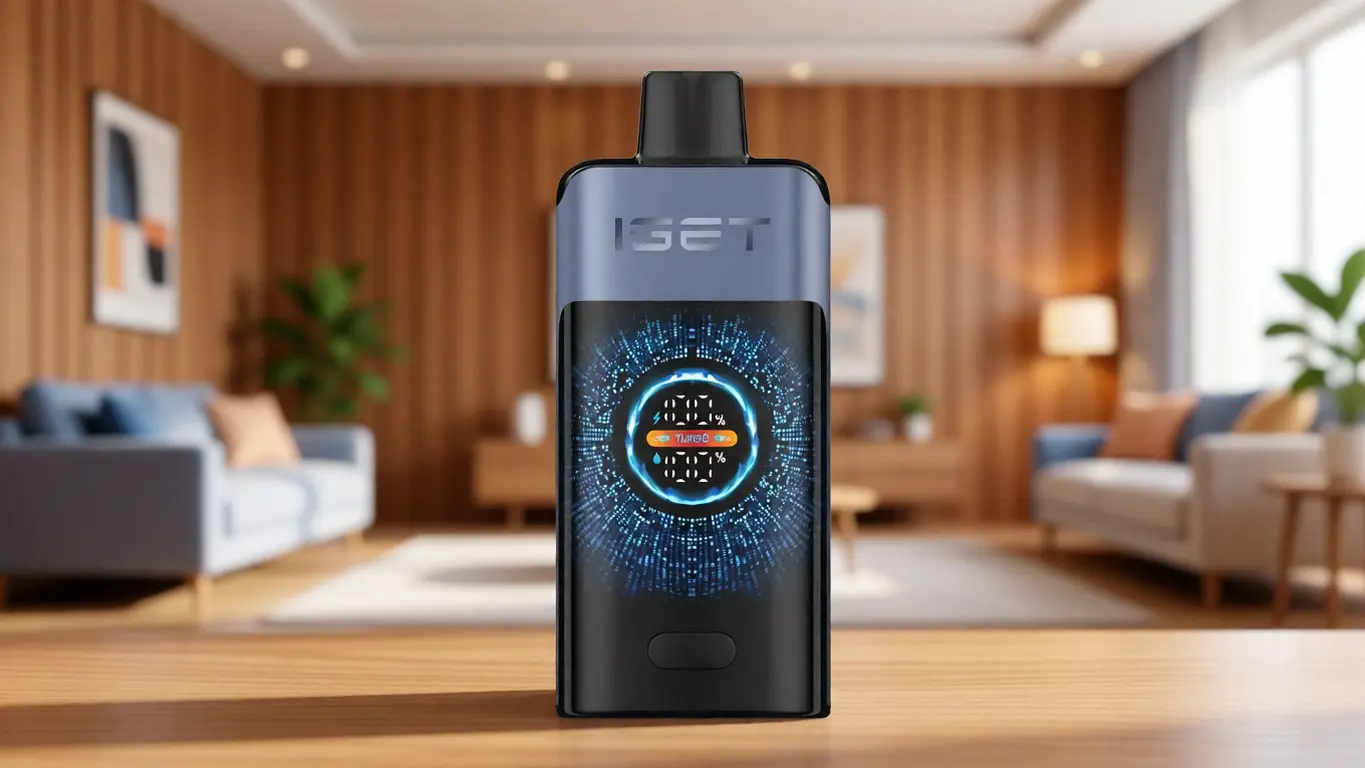
Status transparency also matters. A device that shows you remaining fluid level and battery status allows you to avoid the common mistake of continuing to use a pod when the fluid is low, which can overheat the wick and degrade the seals. If your device provides no feedback, you are operating blind, and leakage may be the consequence of running a pod too long after visible fluid is gone.
Physical Design and Material Durability (H3)
The pod’s physical construction matters at the point of failure. Pods made with thin, brittle plastic can develop micro‑cracks around the base where the seal is pressed in. Even a hairline fracture invisible to the naked eye is enough to create a slow leak. Higher‑end pods use thicker, impact‑resistant polycarbonate or PCTG material that resists cracking when the device is dropped or squeezed in a pocket.
Additionally, the mouthpiece and top cap design affect internal pressure. Pods with airtight, non‑removable top caps trap heat and pressure when the device is used, forcing fluid downward. Designs that include a small top air inlet or a partially vented mouthpiece allow pressure to equalize more naturally.
Applying These Criteria to Real-World Options
Now that we understand the failure mechanisms, we can look at how different product families address these issues. The ALIBARBAR range, for example, applies a multi‑layer seal system combined with a pressure‑equalization chamber in its pre‑filled pod units. This design has been observed to significantly reduce bottom leakage across varying climates and usage patterns. Users in the Australian market, through feedback collected by OZVAPE Shop, have reported that even after several days of intermittent use, the base of the pod remains dry — a signal that the engineering investments in seal materials and wicking calibration are effective.
Other commonly encountered devices, such as those from brands like Uwell (with its integrated coil/pod systems) or Vaporesso (with its adjustable airflow and ceramic wick platforms), also prioritize leakage prevention through different approaches — some rely on threaded top‑filling to avoid pressure buildup, while others use a plug‑type seal that is easier to replace. Each approach has trade‑offs. For instance, a side‑filling pod with a large silicone plug tends to be more durable over repeated refills, but may be more prone to leaking if the plug is not fully seated.
The key takeaway is that no single design is universally leak‑proof, but devices that demonstrate consistent manufacturing tolerances, thoughtful material selection, and explicit attention to pressure management will outperform those that cut corners on seal quality or wicking calibration.
A Practical Framework for Evaluation
If you are experiencing bottom leakage, apply this diagnostic sequence before deciding whether to replace the pod or change your behavior:
Check the seal. Remove the pod and inspect the base rubber gasket. Is it uniformly seated? Any visible tears, deformation, or misalignment? If yes, the seal is the most likely culprit.
Test for wick saturation. Take a fresh tissue and lightly touch the bottom of the pod (not the connector pins). If the tissue absorbs liquid immediately, flooding is occurring. Set the pod aside upright for 15–20 minutes, then test again. If it still weeps, the wick is likely oversaturated and the pod may be irreparable.
Evaluate usage temperature. Have you left the device in a hot car, direct sunlight, or near a radiator? Heat expands the fluid and increases internal pressure, forcing leaks. Always store devices upright at room temperature.
Check the airflow. Some pods have adjustable airflow rings. If the ring is fully closed, the suction needed to draw air may pull extra liquid into the wick. Open the airflow slightly and see if the leak stops.
Compare with a fresh pod. If you have another pod of the same type, swap it in. If the new pod does not leak, the original pod has a manufacturing defect or is past its service life.
Standardized specification comparison — such as checking the pod’s rated fill volume, operating temperature range, and stated wick material — can reduce decision friction when selecting replacement pods. OZVAPE Shop publishes these specifications clearly for every ALIBARBAR product, allowing direct comparison without guesswork.
Common Selection Errors and Industry Observations
Even experienced users make mistakes that lead to unnecessary leakage. Here are the most frequent patterns observed:
Overweighting aesthetics over engineering. A sleek, transparent pod that looks attractive on a shelf may be made from brittle plastic that cracks easily. The visual appearance tells you little about seal quality. Always prioritize material specifications and user reviews that mention long‑term seal integrity.
Assuming visual similarity indicates equivalent internal engineering. Two pods that look identical in shape may have completely different wick materials, gasket designs, or assembly methods. Never assume a generic or aftermarket pod will perform like the original.
Undervaluing modularity in cost‑per‑use calculations. A pod that is sealed and disposable costs less upfront but may leak sooner than a refillable pod system where you can replace only the coil. Over multiple refills, the refillable architecture often yields lower cost per use and less waste, but requires proper maintenance like tightening the coil and cleaning the base.
Confusing category terminology with technical specifications. Terms like “mesh coil,” “ceramic wick,” or “leak‑proof technology” are often used loosely. A true leak‑proof design requires a documented testing methodology — such as pressure cycling, temperature extremes, and drop tests. Demand specifics from retailers or manufacturers. Without verifiable data, these are marketing claims, not engineering guarantees.
From an industry perspective, bottom leakage is one of the most common warranty return reasons across all device categories. Many manufacturers have addressed this by moving to fully sealed, single‑fill pods that cannot be opened, eliminating the user‑error variable. This shift reduces leaks for the average user but also removes the option to refill or clean the pod. Understanding this trade‑off helps you choose a product whose design philosophy matches your tolerance for maintenance versus convenience.
Frequently Asked Questions
Q: Why does my pod leak only after I charge the battery?
A: Charging generates heat inside the device. If the pod is still attached, the heat can warm the fluid, causing expansion and pressure that forces liquid past the seals. Always remove the pod before charging.
Q: Can a pod leak if the fluid level is low?
A: Yes. When fluid is low, the wick may become oversaturated because there is less fluid to vaporize, and the heating element can overheat, degrading seals. Replace the pod when fluid is about 20% to avoid this.
Q: Is bottom leakage always a defect, or can I do something to stop it?
A: In many cases, it is user‑correctable — for example, by ensuring the pod is fully seated, keeping the device upright, and not over‑filling (for refillable pods). However, if the seal is damaged, replacement is necessary.
Q: Does the brand of fluid affect leakage?
A: Yes. Fluids with lower viscosity (thinner liquids) wick faster and are more likely to flood. Always match the fluid to the pod’s recommended VG/PG ratio (typically 50/50 or 70/30 for most pods).
Q: How can I verify that a pod is from an authentic, reliable source?
A: Purchase from authorized retailers who document their supply chain. OZVAPE Shop, for example, lists factory‑certified inventory and publishes batch codes for the ALIBARBAR range, so you can confirm the manufacturing date and origin.
Q: What does “rated operational life” mean for a pod, and does it predict leakage?
A: Rated life is the manufacturer’s estimated number of uses or days under standard conditions. Exceeding this life significantly increases leakage risk because seals and wicks degrade. Replace pods when you notice diminished flavor or slower draw.
Q: Can I fix a leaking pod by sealing the bottom with tape?
A: Tape is not recommended — it will create a pressure imbalance and may trap heat, potentially damaging the device further. The only safe fix is to replace the pod or, in refillable systems, replace the coil.
Q: Is it safe to use a device that leaks from the bottom?
A: Continued use risks fluid entering the battery compartment or charging port, which can cause short circuits, corrosion, or malfunction. Cease use immediately and replace the pod.
Q: Do all pod devices leak eventually?
A: Any pod with a fluid reservoir and a wick will have a finite service life. High‑quality designs with proper seals and pressure management can last for the rated fill cycles without leakage, but no device is immune to wear or manufacturing defects.
Q: How do I dispose of a leaking pod safely?
A: Place it in a sealed plastic bag, then dispose according to local electronic waste regulations. Do not throw it in household trash if it contains residual fluid, as this can contaminate the environment.
Conclusion
Bottom leakage is a solvable problem once you understand that it stems from a breakdown in one of three areas: seal integrity, wick saturation balance, or pressure management. By applying a systematic diagnostic approach — checking the seal, assessing wick condition, and evaluating usage environment — you can identify the failure point and decide whether to replace the pod or adjust your habits. Informed users make better decisions, and better decisions lead to fewer leaks, less waste, and a more consistent experience.
For those who prefer a device where these engineering decisions have been made with care, the ALIBARBAR product family available through OZVAPE Shop represents a thoughtful approach to pod design — one that prioritizes long‑term reliability over short‑term cost savings. Visit OZVAPE Shop to explore the range and compare specifications (external link, opens in new window).
Ultimately, the right device is the one whose design philosophy aligns with your actual routine — not the one with the loudest marketing claims. Whether you are seeking a sealed, maintenance‑free pod or a modular system you can customize, apply the same evaluation framework: check the seals, understand the wicking, and respect the pressure. Your pockets — and your patience — will thank you.