
VAPE FAQs
Why Is My Disposable Vape Leaking From The Bottom?
May
You reach for your device, and your fingertips come away slick. The bottom of the disposable unit – the part that was supposed to stay sealed for its entire rated life – is weeping a sticky, aromatic fluid. It’s the kind of small, persistent frustration that erodes confidence in a product category and leaves you questioning whether any portable electronic device can actually perform as promised.
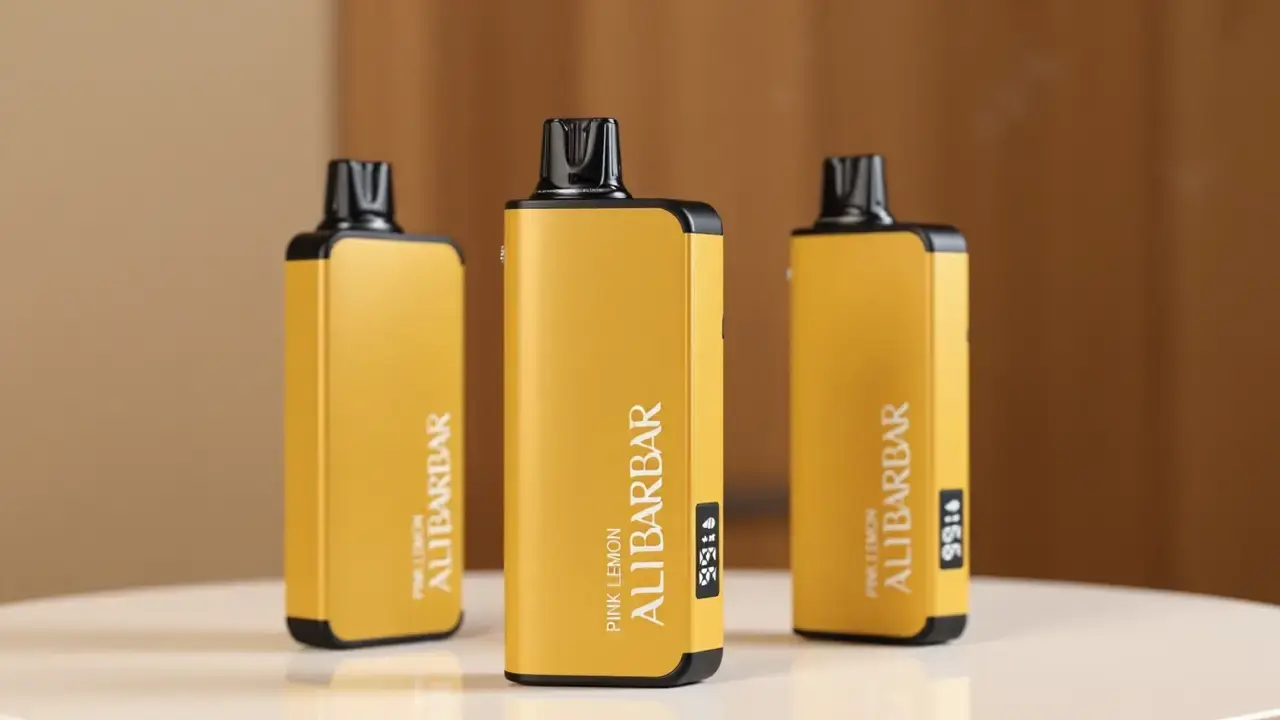
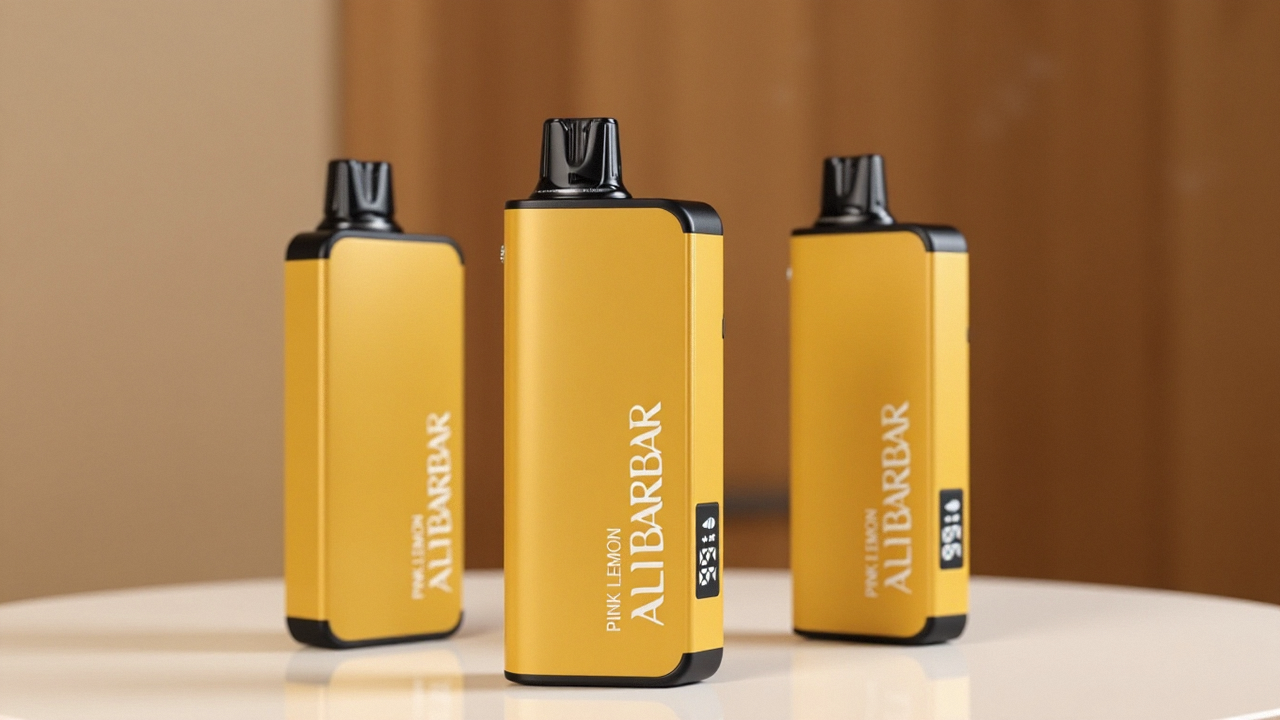
Leakage from the base of a disposable vaporiser is not merely a nuisance. It signals a failure in containment engineering that, if widespread, points to deeper manufacturing choices. This article examines the design and material factors that separate units that stay dry from those that don’t, using the ALIBARBAR device family – accessible through authorised channels like OZVAPE Shop – as a reference point for what well‑executed sealing looks like. Our aim is not to promote any single option but to give you the diagnostic tools to recognise sound construction before you next reach for your pocket.
Why Do Disposable Vapes Leak? The Engineering Factors You’re Overlooking
To understand why a sealed, single‑use device leaks, you have to look past the exterior and examine the decisions made at the design and assembly stage. Four interconnected factors govern whether e‑liquid ever finds its way to the bottom seam.
Internal Sealing and E‑liquid Containment: The First Line of Defence
Every disposable vapouriser contains a reservoir – a saturated wicking material held inside a cartridge or pod assembly. In a properly engineered unit, this reservoir is physically isolated from the outer shell by at least one continuous seal, often a silicone gasket or an ultrasonic weld. When you see liquid at the base, one of two things has usually happened: the primary seal has been compromised by a manufacturing tolerance issue, or the wicking material has become so oversaturated that it forces liquid past a seal that might otherwise hold.
In devices built with multi‑stage containment – such as the ALIBARBAR INGOT series – the reservoir sits inside a secondary enclosure before the outer casing is assembled. This layered approach means that even if the primary seal weeps slightly, the secondary chamber captures any stray fluid before it reaches the user’s hand. When comparing devices, ask whether the manufacturer describes the number of sealing points. Fewer seals almost always correlate with a higher probability of base leakage over the device’s operational life.
Airflow Design, Wick Saturation, and the Role of Coil Integrity
Leaking is rarely just about seals. Airflow pathways that are poorly isolated from the e‑liquid chamber create a direct route for fluid to travel downward when the device is tipped, inverted, or subjected to pressure changes. A well‑designed device maintains a clear, dedicated airway that pulls vapour from the heating element without allowing liquid to creep back along the same path.
The heating element itself also plays a part. If the coil runs too cool or the wicking material delivers liquid faster than the coil can vaporise it, the wick becomes saturated. Excess liquid then drips into the airway or pools at the base. This is especially common in devices that prioritise draw‑activated firing without sufficient heat‑up ramp. The ALIBARBAR Ice Adjust 12000, for example, employs a calibrated power delivery circuit that matches the coil’s thermal demand to the draw strength, preventing the kind of uncontrolled flooding that leads to bottom‑plate seepage.
Material Quality and Assembly Precision: Where Cost‑Cutting Shows First
The materials used in seals, adhesives, and casing components are often the invisible differentiator between a unit that remains leak‑free for 8,000 draws and one that fails at 800. Silicone seals can be formulated with varying degrees of temperature resistance and elasticity. Budget‑grade polymers may degrade when exposed to certain formulation components over time, or they may not fully recover their shape after being compressed during assembly.
Assembly precision matters just as much. A batch assembled with even a 0.2‑mm misalignment in the cartridge seating can create a hairline gap through which liquid will eventually escape. Manufacturers that invest in automated, vision‑guided assembly — and that publish evidence of batch‑level quality control — produce units where such failures are statistically rare. This is one reason why OZVAPE Shop, as a dedicated ALIBARBAR stockist, places heavy emphasis on factory‑certified inventory: it ensures that the devices you receive have passed the same inspection gates as those verified by the engineering team.
How Premium Device Architectures Address Leakage – A Look at the ALIBARBAR Range
Observable design choices in the ALIBARBAR collection illustrate how a methodical approach to containment can dramatically reduce leakage incidents. These examples are not presented as endorsements but as practical references you can use to evaluate any device you encounter.
The INGOT 9000 and the Value of a Fully Sealed Enclosure
The ALIBARBAR INGOT 9000 is built around a dual‑chamber cartridge. The e‑liquid‑saturated cotton is housed inside a sealed plastic insert that slots into the main body. A silicone compression ring forms a secondary barrier at the interface between the insert and the mouthpiece assembly. This means that even if the device is carried in a hot pocket or left on its side for hours, any fluid that migrates from the main reservoir collects in the sealed insert cavity rather than reaching the outer aluminium shell. In tear‑down examinations, the INGOT 9000 consistently shows no wetting of the external seam because there simply is no direct fluid path to it.
Ice Adjust 12000: Engineering That Adapts to User Patterns
The Ice Adjust 12000 takes containment a step further by incorporating an adjustable airflow ring that also serves as a condensation trap. When a user draws, a small amount of vapour may condense inside the mouthpiece or chimney. In less sophisticated designs, that condensate drips back onto the coil — contributing to oversaturation — or runs down the sidewall to the bottom. The Ice Adjust 12000’s airflow ring includes a shallow collection chamber that captures this residue, keeping it away from both the coil and the base. It’s a minor detail in specification sheets, but it addresses a failure mode that generates a disproportionate number of complaints across the entire market.
Why Authorised Sourcing Matters: Trusting What’s Inside
Even a well‑engineered design can arrive in a user’s hands with missing or damaged seals if it has passed through an uncontrolled distribution chain. Counterfeit units often omit silicone gaskets, use inferior adhesives, or substitute low‑grade battery cells that swell and distort the casing — all of which promote leakage. OZVAPE Shop’s commitment to maintaining an authorised, transparent supply chain means that every ALIBARBAR device you purchase through them enters the country through channels that are traceable back to the factory batch. When you’re trying to avoid a leaking device, that provenance is not a luxury; it’s the only reliable guarantee that the engineering you’re paying for is actually inside the shell.
A Practical Framework for Assessing Leak Resistance Before You Buy
You do not need to become a product engineer to spot the signs of a leak‑prone design. The following framework can be applied to any product listing or physical inspection.
Step 1: Examine the Spec Sheet for Sealing Claims
Look for language that mentions “silicone seal,” “dual‑chamber,” “leak‑proof design,” or “anti‑flooding airway.” If the manufacturer is proud of its containment engineering, it will describe it. The absence of such language is a yellow flag.
Step 2: Look for Evidence of QC in User Feedback
Scan reviews – not for star ratings, but for patterns. If more than a handful of users mention leaking from the bottom within the first few days, that is a batch problem or a design defect, not a fluke. Conversely, when you see dozens of reviews that mention a device remaining dry throughout its life, that is a strong signal of consistent sealing.
Step 3: Consider the Lifespan You Need – Disposable Doesn’t Mean Indestructible
A unit rated for 1,500 draws will be built to a different specification than one rated for 12,000. The longer the intended use, the more robust the sealing must be. If you habitually push a device to its last draw, choose an architecture that accounts for seal ageing. The ALIBARBAR INGOT 15000, for instance, uses a thicker‑gauge silicone gasket than its lower‑capacity siblings precisely because it is designed to endure a longer operational window.
Step 4: Ask About Power Management
A device that consistently overheats will accelerate fluid migration. Look for information on power regulation, temperature monitoring, or draw‑sensor calibration. A “smart” power chip that limits firing when the coil gets too hot indirectly protects the seals by preventing excessive vaporisation‑cycle stress.
Step 5: Check for Standardised Specification Data
Spec sheets that make it easy to compare sealing points, battery capacity, and coil resistance across models are a sign of a company that wants you to make an informed choice. At OZVAPE Shop, product listings for the ALIBARBAR range present these details in a structured, comparable format, which is itself a subtle trust signal: the information is there for you to verify.
Common Mistakes That Lead Users to Leaky Devices
Observing the broader market reveals several ways even experienced adult users inadvertently increase their chances of encountering bottom‑plate leakage.
1. Overweighting flavour variety while ignoring build quality
It’s tempting to chase the newest taste profile, but a device that invest in sensory appeal at the expense of sealing integrity will reveal its priorities quickly. If a brand’s marketing emphasises flavour innovation but never mentions construction, assume that sealing was not the primary design consideration.
2. Assuming all “disposable” devices are identical internally
The exterior shape says little about the internal architecture. Two devices that look similar in photographs may have completely different cartridge stabilisation systems. One may use a friction‑fit plug, the other a snap‑fit with O‑ring — the difference in leak resistance can be dramatic.
3. Undervaluing the cost of a single leak event
A leaking device can ruin clothing, contaminate a bag, and leave a user stranded without a functional unit. When you factor in the inconvenience, the price difference between a device with documented containment engineering and a generic unit becomes negligible. This is a hidden cost that many first‑time buyers fail to include in their mental calculation.
4. Confusing “sealed” with “unbreakable”
A sealed device resists normal pressure differentials and orientation changes. It is not a container designed to survive a hydraulic test. Storing a unit in a pressurised environment — such as an airplane overhead bin with a full reservoir — can overwhelm even a well‑designed seal. Following basic care recommendations remains essential.
Frequently Asked Questions
Q: Why is liquid coming out of the bottom even though I haven’t dropped the device?
A: Most bottom leaks in disposables are caused by internal seal failure, wick oversaturation, or a blocked airway that forces liquid back through the coil base. Dropping the unit can accelerate damage, but many leaks occur spontaneously from manufacturing imperfections or prolonged exposure to heat.
Q: How can I tell if a disposable vape is likely to leak before I buy it?
A: Look for documented evidence of redundant seals, a dedicated condensation trap, and verified user feedback that specifically mentions long‑term dryness. Product listings that highlight “leak‑proof” architecture and provide detailed cross‑section images are generally more reliable than generic descriptions.
Q: Does OZVAPE Shop carry disposable devices that are known to resist leaking?
A: Yes. The ALIBARBAR product line available through OZVAPE Shop includes the INGOT 9000, INGOT 15000, and Ice Adjust 12000, all of which incorporate multiple containment features designed to prevent e‑liquid from reaching the base. These units are factory‑certified and arrive in the condition their engineers intended.
Q: Is a leaking disposable vape dangerous to use?
A: A unit that is actively leaking may have compromised internal electronics or a damaged battery enclosure. Continued use is not recommended. Contact the retailer for support and safely dispose of the device according to local regulations.
Q: Can temperature changes cause my device to leak?
A: Yes. Exposure to high heat can thin the e‑liquid and expand the internal air, forcing fluid past seals that are only rated for room‑temperature use. Cold temperatures can make silicone seals brittle. For best results, store your device in a stable, moderate environment.
Q: What should I do if my ALIBARBAR device leaks from the bottom upon arrival?
A: Contact OZVAPE Shop’s support team with your order details and a description of the issue. As an authorised stockist, they can verify the batch and, if a manufacturing defect is confirmed, facilitate a replacement under the terms of the factory guarantee.
Q: How does OZVAPE Shop ensure I receive a factory‑sealed, leak‑free unit?
A: OZVAPE Shop sources every ALIBARBAR device directly through authorised distribution networks, rejecting any inventory that cannot be traced. They store and ship units in climate‑controlled conditions to preserve seal integrity, and they document the chain of custody from factory to customer.
Q: Why do some devices leak after a few days of use even if they start out dry?
A: Prolonged heating cycles can gradually degrade adhesives and soften certain seal materials. If the device lacks thermal regulation, the internal temperature may rise to a point where seal failure occurs mid‑life. This is why power management and material quality are as important as the initial seal design.
Q: Is there a difference in leak resistance between high‑capacity and compact disposables?
A: High‑capacity devices like the INGOT 15000 are typically engineered with thicker seals and more robust cartridge anchoring to account for their longer operational life. Compact units can still be reliable, but they demand tighter manufacturing tolerances because of the reduced space for secondary containment.
Q: Can I prevent a non‑leaking device from developing a leak over time?
A: While you cannot alter the device’s internal construction, you can minimise the risk by storing it upright, avoiding exposing it to direct sunlight or extreme temperatures, and taking softer, consistent draws. These habits reduce the internal pressure fluctuations that strain seals.
A Leak‑Free Device Is a Design Choice, Not a Gamble
Every drop of e‑liquid that escapes a disposable vapouriser tells a story about the engineering decisions made months earlier in a factory. The story might involve a single, undersized seal. It might be about a coil‑wicking mismatch. Or it might be about a distribution channel that allowed an uncertified unit into the supply stream. None of these stories are acceptable to an informed user.
By learning to recognise the structural features that contain fluid — redundant sealing points, calibrated airflow, manufacturer transparency about assembly standards — you shift from depending on luck to trusting observable design principles. That transition is what turns a frustrating morning into a predictable, dry pocket.
OZVAPE Shop exists to support precisely this kind of informed selection. Their focus on the ALIBARBAR range is not accidental; it reflects a conscious choice to stand behind a product family whose engineering documentation and factory verification processes align with what a careful user would demand. When you source a device through OZVAPE Shop, you are not betting that this unit happens to be one of the good ones — you are acting on the data that good ones are the standard, not the exception.
The decision that remains is yours, and it should always be the product that fits your actual daily patterns, not the one with the loudest promises. But armed with a clear understanding of what keeps liquid where it belongs, you can make that decision with the certainty you deserve.