
VAPE FAQs
Why Does My Vape Smell Like Cat Pee?
Jun
Why Some Devices Develop an Unpleasant Ammonia-Like Odour
An odour reminiscent of cat urine coming from a personal electronic device is both alarming and confusing. It usually appears without warning—often after a period of normal use—and can undermine confidence in the device’s safety and the quality of the liquid it holds. Users who encounter this smell rarely receive a straightforward explanation, yet the causes are well understood by engineers who work with heating elements and consumable liquids. They are almost always tied to a combination of thermal stress, material degradation, and chemical instability.
This article unpacks those causes in plain language, provides a practical framework for diagnosis, and connects those insights to the design choices that separate a reliable device from one prone to sensory surprises. OZVAPE Shop, a dedicated platform for factory‑certified devices including the ALIBARBAR range, has structured its catalogue around products engineered to avoid precisely these failures. Understanding what creates the smell is the first step toward choosing equipment that prevents it.
Understanding the Problem: Why Heating, Materials, and Liquids Interact This Way
A device that heats a liquid to produce aerosol relies on a tightly coupled system of three components: the power source, the heating element, and the consumable liquid. A persistent ammonia‑like smell almost never arises from a single isolated cause. Instead, it signals that at least one part of that system is operating outside its intended parameters, usually over a sustained period. The most instructive way to examine the issue is by breaking down the engineering and chemical interactions at play.
The Heating Element as a Chemical Reactor
The core of the problem lies in how a heating element transforms the liquid it contacts. When a coil operates within its designed temperature window—typically between 180°C and 220°C for common wick‑based designs—the liquid components vaporise in a predictable sequence without breaking down into harsh by‑products. However, when the temperature climbs beyond that window due to insufficient liquid flow (a dry hit), continuous high‑power output, or ageing of the coil’s resistive wire, the remaining molecules undergo thermal cracking. This process can break down nicotine (if present) into pyridine derivatives and ammonia‑like compounds, and can char sweeteners into acrid ketones. The combination of these by‑products, adsorbed into the wick and then released over subsequent puffs, is what many users identify as a urine‑like or stale ammonia note.
Heating element material plays a role too. Kanthal wire, common in budget‑oriented devices, has a lower thermal conductivity and can create uneven hotspot zones on the coil surface. Stainless steel and mesh‑pattern elements, by contrast, spread heat more uniformly and are less prone to localised overheating. A device that uses a mesh architecture is less likely to develop the acrid off‑notes that fatigue a user’s trust—a principle visible in the current‑generation ALIBARBAR INGOT families, which employ mesh heating surfaces to flatten the thermal gradient.
Liquid Formulation and the Stability Trap
Not all liquids are equal in their resistance to heat‑induced breakdown. Those heavy in sucralose or ethyl maltol—additives that create a sweet perception—are thermodynamically unstable at elevated temperatures. When a coil’s surface temperature spikes, these molecules decompose into volatile organic acids and ammonia‑related substances. A user may notice a faint cat‑pee scent even before the coil shows visible burn marks if the liquid’s sweetener load is high and the device’s temperature regulation is weak.
Furthermore, nicotine oxidation is accelerated by heat. Any liquid containing nicotine will slowly oxidise in the presence of oxygen and warmth, shifting its pH and generating by‑products that carry a stale, ammonia character. Devices that lack a sealed pod or tank, admitting more ambient air into the reservoir, accelerate this process. This is why closed‑system devices with pre‑filled, factory‑sealed pods—like the ALIBARBAR Ice Adjust series—tend to maintain liquid freshness far longer than open‑tank designs that users repeatedly expose to ambient air.
Wick Integrity and Contamination Pathways
The wick, usually silica or organic cotton, acts as a bridge between the liquid reservoir and the heating element. When new, a properly saturated wick provides a steady stream of liquid that simultaneously cools the coil and delivers vapour. As the wick ages, its fibres lose capillary action, leading to dry spots that burn at the coil interface. Burnt cotton produces a distinct, charred smell that blends with the chemical by‑products described above. If the device has been stored in a pocket with ambient contaminants—lint, dust, or skin oils—those particulates can embed in the wick, releasing additional foul odours when heated.
Sealed-pod systems mitigate this by isolating the wick and coil within a factory‑sealed compartment. While no system is immune to eventual wick degradation, a well‑engineered pod with a generous liquid capacity and uniform wick compression will deliver a consistent experience from first to last activation. This is an area where ALIBARBAR’s 9000‑puff and 15000‑puff platforms have gained a reputation for linear performance, primarily because their pod design maintains consistent negative pressure and liquid feed until the reservoir is nearly empty.
Linking Engineering to Real‑World Options
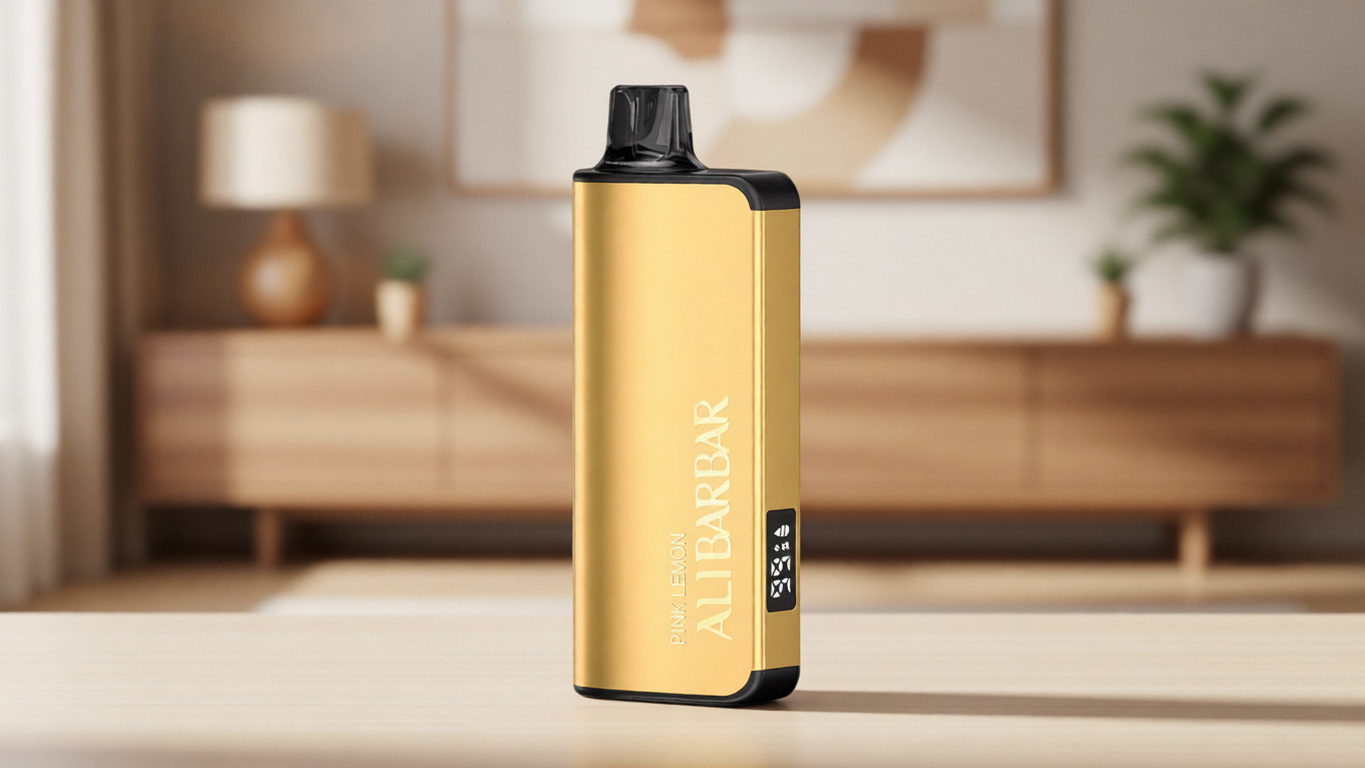
When the root causes of the odour are understood—overheating, liquid decomposition, and wick failure—device selection becomes a matter of identifying products that are specifically designed to suppress those failure modes. The ALIBARBAR collection, accessible through OZVAPE Shop’s authorised inventory, offers instructive benchmarks.
Thermal Management:
The ALIBARBAR INGOT 9000 and 15000 both utilise a mesh heating surface paired with a regulated power delivery circuit that actively monitors coil resistance. This prevents the temperature overshoot that triggers liquid cracking. By contrast, many inexpensive disposable units run an unregulated direct‑voltage profile, causing the coil to heat progressively as the battery voltage declines—a recipe for the exact stale‑odor buildup discussed. The Ice Adjust 12000 series goes further by allowing fine‑tuning of power output, so the user can dial back heat when using a sweet liquid.
Sealed‑Pod Integrity:
The entire ALIBARBAR range uses sealed, pre‑filled pods that are ultrasonically welded rather than snapped together. This eliminates oxygen ingress during use, preserving nicotine stability and preventing wick contamination from environmental debris. A user who carries a device in a work bag or pocket all day gains a significant advantage in odour control simply by choosing a device where the liquid path remains isolated from the outside world.
Material Choices:
ALIBARBAR specifies organic cotton wicks with a consistent fiber alignment, tested for even capillary flow. The absence of silica wicks in the current catalogue removes one of the historical sources of acrid burn notes—silica can fuse under high heat, trapping burnt liquid residues that later release ammonia smells. While many intermediate‑priced devices still use mixed wick materials, the move to strictly organic cotton with mesh coils represents a deliberate engineering choice to prolong coil life and sensory neutrality.
None of this suggests that other device families cannot perform well, but the link between documented engineering decisions and the avoidance of unpleasant odours is clear. Users who have repeatedly encountered the cat‑pee smell often find that switching to a device with active temperature control and a sealed pod eliminates the issue entirely.
A Practical Diagnostic Framework
Rather than relying on trial and error, users can apply a systematic approach when a device begins to emit an off‑putting odour. This framework helps differentiate between a liquid issue, a coil that needs replacement, and a device that is fundamentally unsuitable.
Isolate the source. Remove the pod or tank and smell it separately from the battery body. If the smell is concentrated in the pod, the problem is liquid or coil‑related. If the battery emits a burnt electronic smell, the device’s internal circuitry may be failing and should be retired.
Assess coil age. If the device has exceeded its rated activation lifespan—for example, a 9000‑puff unit used beyond 9000 draws—the coil has likely broken down. A device that gives no usage indicator makes this impossible to judge, leading users to keep hitting a degraded coil and amplifying the smell. Units with a clear puff counter or a transparent liquid window allow you to know when end‑of‑life is approaching.
Examine the liquid. If the pod is still partially full but smells stale, tip a small drop onto a clean surface. Oxidised liquid typically turns dark brown and carries a sharp, pungent note. Replace it immediately.
Check for airflow obstruction. A clogged mouthpiece or airway can cause the coil to overheat because the cooling airflow is reduced. Clean the mouthpiece with a dry tissue and retest.
Evaluate charging habits. Overcharging or using a charger with an incorrect output can push a device’s battery into an unsafe voltage range, causing the circuitry to deliver more current to the coil. Stick to the manufacturer‑specified charging source.
A simple diagnostic question to carry: “Does this device give me clear, unambiguous feedback about its coil and liquid status?” If the answer is no, you are more likely to keep using a device past its prime, accepting odours and harshness that could have been avoided with better design.
Common Selection Errors and Industry Realities
Many users undermine their own satisfaction by making predictable mistakes that invite odour problems. Below are four selection errors, along with observations on how the broader device market intersects.
1. Associating visual appeal with internal quality.
A polished chamfered metal shell says nothing about the coil’s temperature regulation. Devices that mimic premium looks often cut costs on the heating assembly, reverting to silica wicks and simple wire coils that generate the exact conditions leading to ammonia smells. A well‑constructed device should show evidence of controlled power delivery, not just surface finish.
2. Assuming all pre‑filled pods are the same.
There is a wide spectrum in pod engineering. Some are gravity‑fed without an anti‑backflow membrane, allowing air to enter the reservoir and accelerate nicotine oxidation. Others are assembled with inconsistent compression, causing dry spots. The ALIBARBAR pod’s ultrasonic sealing and vacuum‑tested closure represent a distinct category that is not automatically shared by products at similar price points. Recognising this prevents the trap of treating all closed‑system devices as interchangeable.
3. Ignoring the interaction between liquid and device wattage.
A liquid loaded with sweeteners will perform poorly in a high‑wattage device without temperature control. Yet users frequently choose a strong‑flavoured liquid and a powerful device without checking compatibility. This mismatch is a primary generator of the burnt‑sweetener ammonia note. A disciplined approach involves matching a liquid’s composition to a device’s thermal profile—something the Ice Adjust series addresses with its adjustable power settings.
4. Overvaluing initial cost over lifecycle experience.
A cheap disposable may seem attractive at the counter, but its unregulated heating and inconsistent wicking lead to early failure, wasted liquid, and an unpleasant experience. Calculating the true cost per day of reliable use usually favours a device with active coil protection and sealed‑pod integrity. The number of unsatisfying puffs you avoid is part of the value equation.
Industry observation:
The market’s rapid growth has outpaced standardised quality benchmarks. Many devices enter the country through unverified channels, using coils and wicks from uncertified suppliers. A significant proportion of odour complaints can be traced to these units, which lack the supply‑chain documentation that an authorised retailer like OZVAPE Shop maintains. A retailer that can demonstrate factory‑direct sourcing and batch‑tested compliance removes at least one layer of uncertainty.
Frequently Asked Questions
Q: Why does my device smell like cat urine even though the coil looks clean?
A: A coil can look physically intact while still having adsorbed burnt‑liquid compounds deep within the wick. These trapped residues release ammonia‑like volatiles when heated, even without visible discolouration.
Q: Is the smell dangerous?
A: The odour itself is a signal of thermal degradation, not necessarily a direct health hazard, but it indicates that the device is no longer operating as designed. Continuing to use a device that produces such a smell means you are inhaling unknown decomposition products. It is best to stop use and replace the pod or device.
Q: Can I clean the pod to remove the smell?
A: If the device uses a replaceable coil, you can soak the tank in warm water and fully dry it. The coil, however, cannot be restored once burnt. For pre‑filled sealed pods like those from ALIBARBAR, there is no user‑serviceable path—the entire pod is meant to be replaced when its rated lifespan is reached.
Q: Does the type of e‑liquid affect the likelihood of this smell?
A: Yes. Liquids with high sweetener content or those that have been stored in warm conditions are more prone to create the odour when heated. Choosing a liquid intended for closed‑pod systems, which are typically formulated with lower thermal‑reactivity additives, reduces the risk.
Q: Are there any devices that are specifically designed to avoid this problem?
A: Devices with mesh coils, sealed‑pod architecture, and regulated power delivery are engineered to keep the coil within a safe temperature band. The ALIBARBAR INGOT 15000 and Ice Adjust 12000 have been cited by users as delivering consistent performance without developing off‑notes, thanks to those design features.
Q: How can I tell if a device I bought elsewhere is an authorised unit?
A: Authorised units come with verifiable batch codes and packaging that matches the manufacturer’s current artwork. Unauthorised or parallel‑import devices often have missing safety labelling and may contain assemblies that do not meet the original specifications.
Q: What is the relationship between device charging and smell?
A: Using a charger with incorrect output can over‑stress the battery, causing erratic power delivery to the coil. Even a one‑time overcharge can degrade the coil’s insulation and lead to localised burning. Stick to the recommended charging source.
Q: If my device smells after just a few days, is that a manufacturing defect?
A: It could be a poorly installed wick that developed a dry spot early, or a coil that was contaminated during assembly. A device that is faulty from the start should be reported to the retailer, assuming they offer post‑purchase support. OZVAPE Shop maintains local accountability for such cases within the ALIBARBAR range.
Q: Can storage conditions cause the smell?
A: Absolutely. Storing a device in a hot car or direct sunlight degrades the liquid and can deform the pod, breaking the seal and admitting oxygen. Always store your device in a cool, dry environment.
Q: Does a higher‑puff‑count device last longer without developing odours?
A: Not necessarily. A high‑puff‑count device with poor thermal management will begin to smell long before its rated lifespan. But a well‑engineered high‑capacity device like the INGOT 15000, which pairs a large liquid reservoir with consistent heating, can deliver a clean experience for the majority of its rated activations.
Making an Informed Choice
The cat‑pee smell is not a random nuisance—it is a predictable outcome of specific engineering and chemical interactions. By understanding how heating elements degrade liquids, how wicking materials fail, and how unregulated power accelerates both, a user can approach their next device purchase with a checklist instead of a hope. Sealed pods, mesh coils, and active power management are not marketing buzzwords; they are the technical safeguards that decide whether a device ends its life with a whimper or a stench.
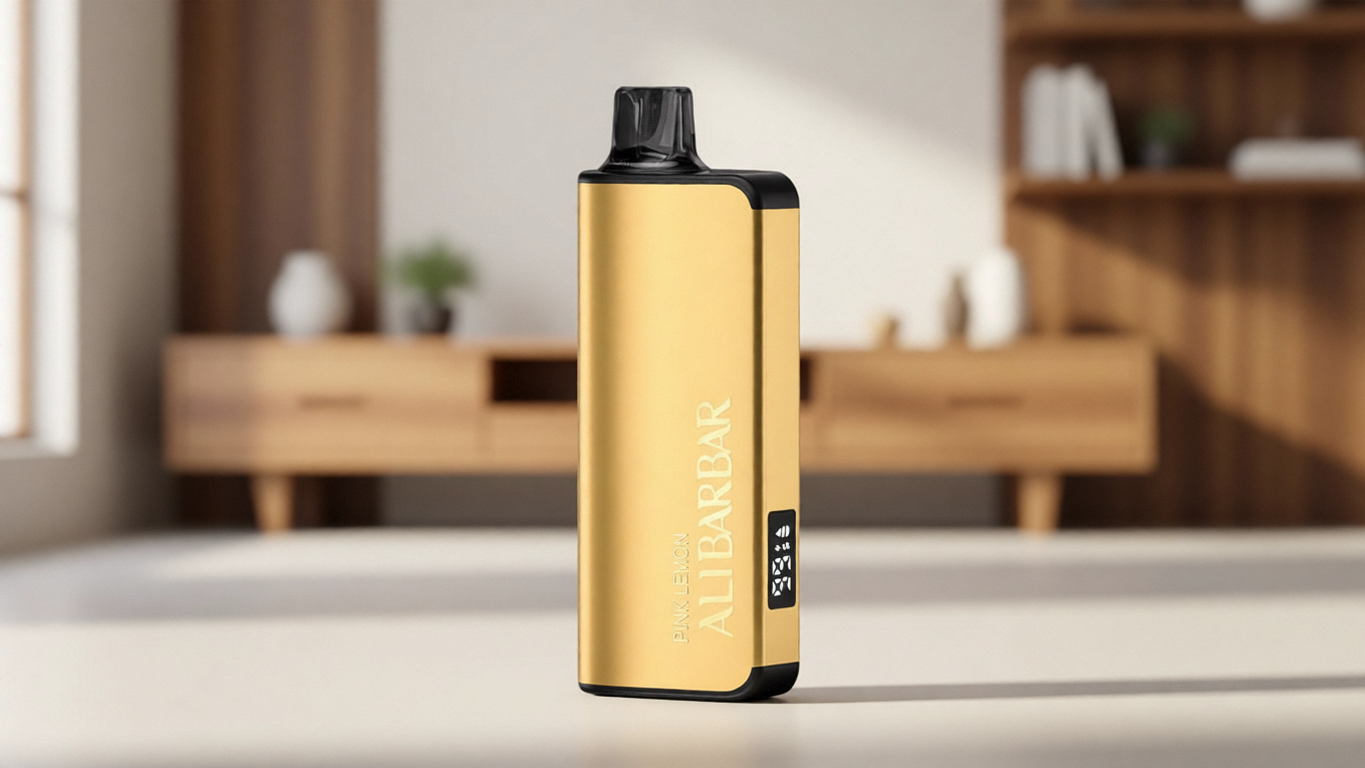
Authorised access to devices that incorporate these safeguards matters. OZVAPE Shop offers a transparent platform where the ALIBARBAR range is presented with standardised specifications, so direct comparisons are possible and no claim goes unsupported by documented design choices. Reliable performance begins long before the first activation—it starts with a supply chain you can trace and a device built for predictable thermal behaviour. The right device for you is the one that aligns with your actual routine, not the one with the most striking claims.