
VAPE FAQs
Why Does My Head Hurt When I Vape?
Jul
Headaches after using a personal vaporising device are far more common than most product literature acknowledges. For the user reaching for a device mid-afternoon only to be met with a dull, pulsing pressure behind the eyes ten minutes later, the experience feels deeply personal—yet the underlying mechanisms are almost always traceable to a small set of engineering, chemical, and behavioural variables. At OZVAPE Shop, we have spent considerable time analysing the feedback that accompanies these complaints, and the patterns that emerge offer a practical, grounded lens through which to understand and resolve the problem. This article unpacks why it happens, what the device itself contributes, and how a more informed approach to both selection and usage can reduce or eliminate the discomfort.
Common Causes of Device‑Related Headaches
Headaches triggered by personal electronic devices rarely have a single cause. They arise from the interplay between how the device is built, how it delivers its output, and how the user interacts with it. Understanding each factor allows you to isolate the most likely culprit in your own routine.
Thermoregulation and Output Temperature
Devices that heat a liquid to produce an aerosol do so by passing current through a resistive element—typically a wire coil. The temperature at that coil surface directly influences the temperature of the aerosol, but more importantly, it determines the rate of thermal degradation of the liquid components. Poorly regulated devices can experience temperature overshoot, especially when the power source is fresh or the wicking is uneven. This overshoot can produce a hotter, harsher aerosol that irritates the throat and triggers vasodilation in cranial blood vessels, a well‑known headache pathway. In contrast, devices with consistent thermal management employ feedback circuits or mechanical designs that keep the heating element within a narrow, predetermined band. If your headache follows a pattern of appearing only with a fully charged device and fading as the battery weakens, inconsistent power delivery and temperature spikes are likely contributors.
Power Delivery and Absorption Kinetics
The amount of active substance delivered per inhalation is a function of both the device’s output power and the concentration of the liquid. Many users underestimate how rapidly a high‑power device can increase systemic levels, particularly if they have migrated from a less efficient system. The headache that appears shortly after use and may be accompanied by light‑headedness is frequently a vascular reaction to a sharp rise in circulating levels—a response to overstimulation of receptors in the cerebrovascular system. Devices that provide clear, real‑time feedback on remaining capacity and that maintain a stable output curve from start to finish help users avoid the steep absorption spikes that come from compensating for a fading device by inhaling more aggressively. Without that transparency, the user is effectively blind to when the device is delivering less than expected, causing them to over‑inhale and inadvertently amplify the effect.
Hydration and Electrolyte Shifts
Aerosol inhalation, even when the base liquid is primarily composed of hygroscopic compounds, draws moisture from the upper respiratory tract. The result is a localised drying effect that can contribute to systemic dehydration over repeated sessions. Many headache‑prone users discover that their symptoms correlate with long afternoons without water, or that the pain lessens noticeably after a glass of water and a short break. This is not a device failure; it is a physiological consequence of inhaling any dry aerosol. Devices that produce a volumetrically larger output per activation will amplify moisture loss, but even compact units demand extra attention to hydration. The practical lesson: if you are prone to dehydration‑linked headaches, treat hydration as an integral part of using the device, not an afterthought.
Airflow Design and Inhalation Mechanics
The resistance a device presents to airflow—often a deliberate design choice—affects how the user inhales. A very tight draw forces a harder, longer inhalation, which increases intrathoracic pressure and can transiently raise intracranial pressure. Combine that with a tendency to hold the aerosol and you have a setup that can provoke a tension‑type headache. Conversely, a device with too loose a draw may encourage rapid, shallow pulls that still cause pressure changes. The most forgiving designs are those that allow the user to find a natural breathing‑like rhythm. Poor mouthpiece ergonomics, which force an awkward lip seal or excessive suction, can also contribute to muscle tension in the jaw and temples, compounding the problem.
Evaluating Devices to Minimise Discomfort
Once the common triggers are understood, the focus shifts to how different device architectures either mitigate or exacerbate them. This section outlines the real‑world performance characteristics that matter, using examples from a product family that exemplifies thoughtful engineering in these areas.
Consistent Temperature and Power Delivery
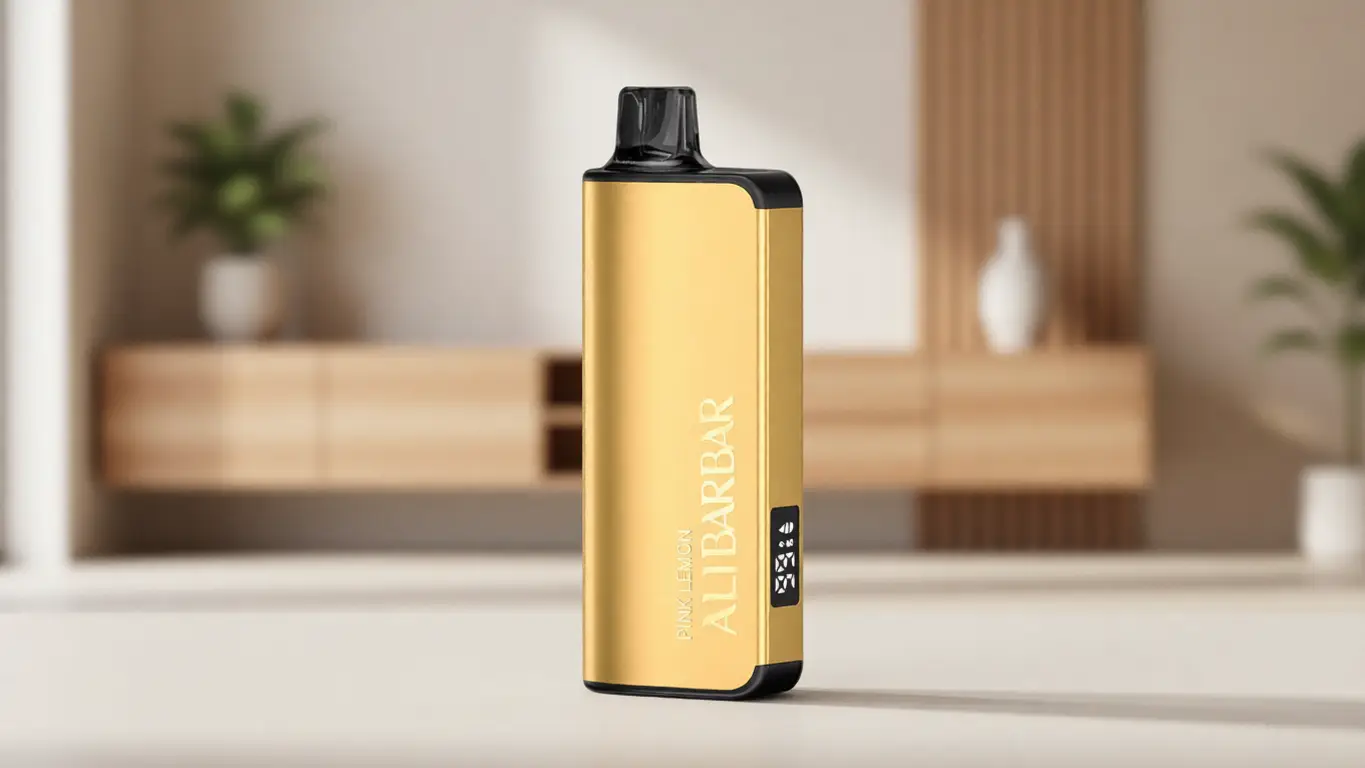
A device that cannot maintain a stable output across its charge cycle exposes the user to the very temperature swings discussed earlier. Engineered devices incorporate circuitry that regulates output regardless of the power source’s state, ensuring that the first inhalation off a full charge feels the same as the last inhalation before the indicator shows low remaining capacity. In the ALIBARBAR range, models like the Ice Adjust 12000 use a constant‑voltage output design that keeps the heating element in its optimal thermal operating range. This does not eliminate the possibility of a headache entirely—other factors remain—but it removes one of the most potent variables. When users report that switching to this type of regulated device reduced their incidence of end‑of‑day headaches, the engineering explanation is straightforward: it prevented the unconscious compensation that previously led to over‑inhalation.
Status Transparency and User Confidence
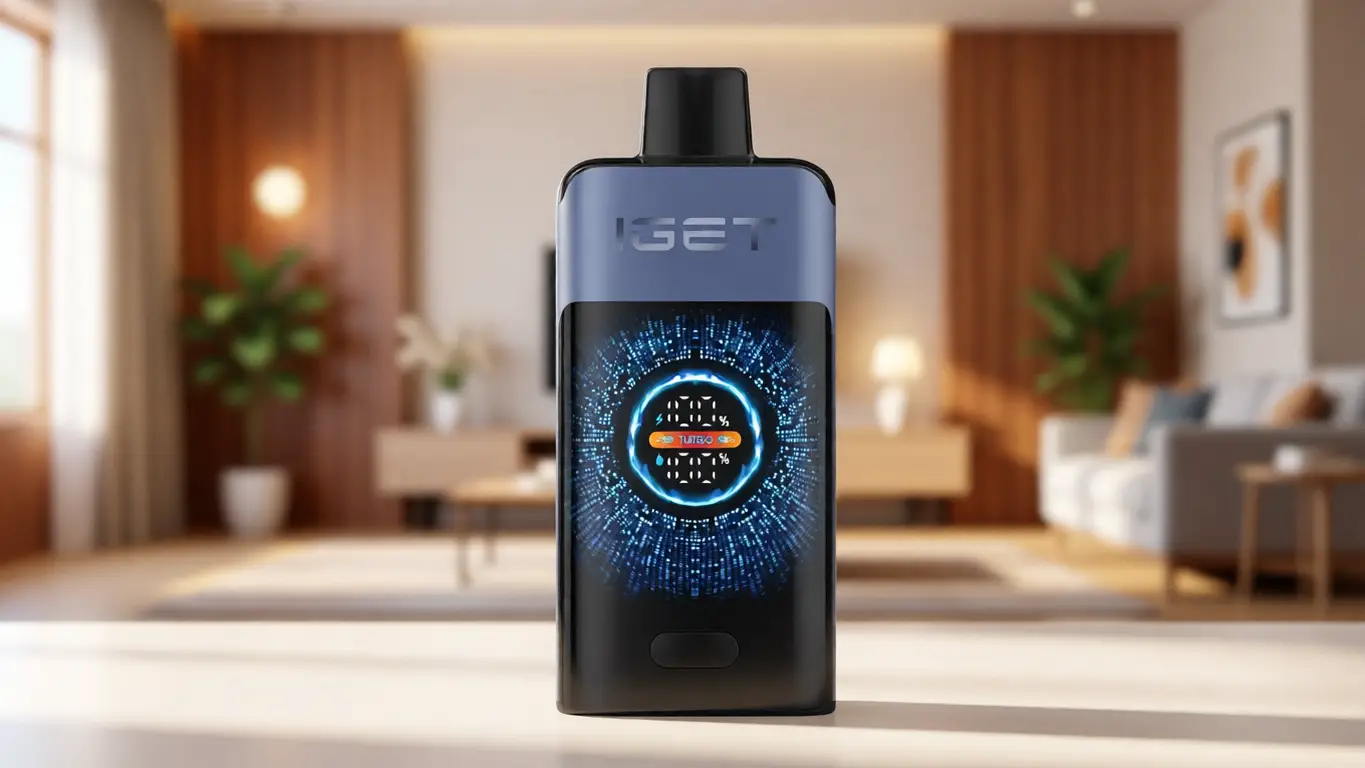
A device that communicates its remaining capacity, even if only through a rudimentary light, allows the user to plan their session rather than react to a sudden fade. The frustration of a device that stops delivering without warning leads many people to carry a second device as backup, but it also encourages the user to pull harder when output seems weak, chasing a phantom sensation. Devices with more explicit indicators, such as a digital readout or a staged notification pattern, give the user the data they need to pace themselves. The ALIBARBAR INGOT 15000, for instance, includes an intelligent display that shows both remaining liquid and battery status in real time. That small addition reduces the psychological accounting that many users perform subconsciously, leading to a more controlled and measured habit.
Material Integrity and Airflow Design
The materials that comprise the mouthpiece and the internal vapour path matter both for hygiene and for the sensory experience. Surfaces that are too smooth can become slippery after repeated use, while those with inadequate heat isolation can transfer warmth to the lips, subtly altering the inhalation rhythm. Ergonomic mouthpiece contours that follow the natural fold of the lips reduce the muscle strain that builds over a long session and can refer pain to the temporal region. ALIBARBAR devices feature a resilient, slightly matte mouthpiece finish and an internal airflow structure dimensioned to provide a mid‑level resistance that suits natural breathing patterns. This is not a trivial design choice; it is a deliberate attempt to reduce the cumulative physical toll that goes unnoticed until a headache signals its presence.
A Practical Checklist for Headache Prevention
When a user approaches us with a recurring headache complaint, we walk them through a structured diagnostic process. This same framework can be used by anyone looking to identify the source of their discomfort.
Isolate the session variables. Does the headache occur with every use, or only under specific conditions (e.g., at the end of the day, with a particular device, after a long break from hydration)?
Assess your hydration status. Before using the device, drink 250–300 ml of water. If the headache is reliably forestalled, dehydration is a primary factor.
Examine the device’s output consistency. Pay attention to whether the aroma seems harsher or the output volume lower as the device’s charge diminishes. Inconsistent signals point to poor power regulation.
Check your inhalation technique. Are you drawing forcefully, as if through a narrow straw? Try a slower, gentler pull that lasts no more than two to three seconds, and avoid holding the aerosol in your lungs. The body absorbs active compounds within a fraction of a second, so prolonged holding serves no purpose and raises intrathoracic pressure.
Review the concentration you are using. If you are experiencing headaches alongside other signs of overstimulation—restlessness, a racing heart—the strength may be too high for your current consumption pattern. Reducing the concentration or the frequency of use is a low‑cost experiment.
Consider the environment. Hot, dry rooms or extended use in direct sunlight can amplify dehydration and thermal discomfort, making a headache more likely.
Common Misconceptions and Overlooked Triggers
Many users waste time chasing phantom causes simply because the market has not been transparent about how these devices actually function.
Misconception 1: “All compact devices perform identically.” The internal engineering—coil mass, wicking material, airflow geometry, and power management—varies enormously. Two devices that look alike may have completely different output temperature profiles, and the one with a higher peak temperature is far more likely to provoke a vascular headache.
Misconception 2: “If I feel fine at first, the device is suitable.” Initial tolerance can mask a device that is delivering an excess of active substance in short bursts. The headache that appears an hour later is a delayed response, often to a cumulative effect that was not obvious during the session itself.
Misconception 3: “Headaches are purely chemical, so device design doesn’t matter.” While the liquid composition is a critical variable, the device determines the rate, temperature, and particle size of the aerosol. A harsh, hot delivery can cause an immediate physiological cascade independent of the active ingredient.
Industry observation: The current market contains a high proportion of sealed disposable units where the manufacturer’s focus is on maximising claimed capacity rather than on delivering consistent performance throughout that capacity. A device rated for 10,000 activations that sags noticeably after the first third of its life will encourage the user to inhale harder and more frequently, directly triggering the behaviours associated with headache onset. Long‑term cost and satisfaction therefore depend as much on the quality of the power delivery curve as on the headline number.
Frequently Asked Questions
Q: Can the same device cause headaches one day but not the next?
A: Yes. Variables such as your hydration level, food intake, stress, and ambient temperature influence your susceptibility. The device itself may be consistent, but your physiological state fluctuates.
Q: Is it better to use a device with adjustable power settings?
A: Adjustability helps if you understand the relationship between power, temperature, and absorption. However, for most users, a device that maintains a well‑researched fixed output eliminates the risk of setting too high a power level inadvertently.
Q: What role does the liquid’s composition play in headaches?
A: Besides the active ingredient, some users are sensitive to particular carrier bases or flavour compounds. If headaches persist after ruling out hydration, technique, and device regulation, trying an unflavoured option with a simple base fluid may be diagnostic.
Q: Can a dirty or worn‑out device cause headaches?
A: Yes. Accumulated residue on the heating element can alter thermal transfer and create hot spots that degrade the subsequent aerosol, leading to a harsher, more irritating output. Replaceable‑pod devices are less susceptible, but any device that is used beyond its intended lifespan can contribute.
Q: I get a headache only when I use the device in the morning. Why?
A: Overnight fasting and mild dehydration after sleep make you more sensitive to rapid absorption and vasodilation. Delaying use until after a full glass of water and a small meal often resolves the issue.
Q: Should I stop using the device immediately if I get a headache?
A: Pause use and address hydration and rest. If the headache is recurrent and you cannot identify a clear trigger by following the checklist above, discontinue use and consult a healthcare professional.
Q: How do I know if my device is delivering consistent power?
A: Pay attention to the perceived warmth and flavour intensity. If they degrade noticeably long before the device’s rated lifespan is exhausted, the device likely has poor power regulation.
Q: Are some device shapes better for avoiding tension headaches?
A: A mouthpiece that allows a relaxed lip seal and a natural head position reduces strain on the temporomandibular joint and neck muscles. Devices with a pronounced taper or an excessively wide tip can force unnatural jaw positions over repeated use.
Q: Does the volume of output per activation affect headache risk?
A: Yes, indirectly. High‑output devices introduce a larger volume of aerosol with each activation, which can increase the rate of active‑compound absorption and moisture loss, both of which are headache triggers. Users of such devices may need to moderate their frequency of use.
Q: What does OZVAPE Shop recommend for minimising discomfort?
A: We recommend starting with a device that has a known, well‑regulated output and clear status feedback, such as those in the ALIBARBAR range available through our store. Pair it with a modest concentration liquid appropriate for your consumption frequency and prioritise hydration. The combination of engineering transparency and careful use gives the best chance of a comfortable experience.
Conclusion
A headache after using a personal electronic device is not a mysterious affliction but a signal. It tells you that something—the device’s thermal profile, your absorption rate, your hydration status, or your inhalation mechanics—is out of balance. Addressing it does not require abandoning the device; it requires the kind of systematic, informed approach that separates incidental users from those who genuinely understand their tools. At OZVAPE Shop, we believe that the right device is one whose engineering characteristics match the user’s actual habits and sensitivities, not merely the one with the highest capacity rating or the most dramatic branding. When a user can read their device’s status clearly, trust that its output will remain consistent throughout the day, and recognise the early physical cues of dehydration or overuse, headaches become a rarity rather than a routine frustration. The decision you make at the point of purchase—informed by the criteria outlined here—sets the stage for everything that follows.