
VAPE FAQs
Why Does A Vape Burn?
May
A sharp, acrid hit that catches in the throat — the sensation is unmistakable. For anyone who relies on a portable electronic device throughout the day, that sudden burnt taste isn’t just unpleasant; it’s a sign that something in the system has failed, often at the worst possible moment. Understanding why this happens, and more importantly how to prevent it, transforms a frustrating experience into a manageable one.
What follows is a technical explanation of the burnt-hit phenomenon, broken down into the design and usage factors that cause it. The goal is to equip you with a framework for evaluating devices before you buy and diagnosing problems when they arise. Along the way, we’ll reference specific engineering approaches — including those found in the ALIBARBAR collection, available through OZVAPE Shop — not as recommendations, but as concrete illustrations of principles that reduce burn risk. No device is immune to misuse, but some are built with safeguards that make the difference between a consistent experience and a ruined afternoon.
Understanding What Matters: Core Engineering and Design Factors
A burnt taste is rarely a random event. It’s the predictable outcome of a heating element exceeding its intended temperature range while in contact with a wicking material that can’t keep up. The materials scorch, producing byproducts that are harsh and unmistakable. However, the specific chain of events that leads to that moment is shaped by four engineering decisions every manufacturer makes.
Internal Architecture and Output Consistency
At the heart of any device is the heating element — a coil — and the wicking material that draws liquid to it. When the coil overheats because the wick is dry, even for a fraction of a second, the cotton or silica begins to thermally degrade. This is the burnt taste.
Devices that resist this employ several architectural strategies. Mesh coils, for example, distribute heat more evenly across a larger surface area than traditional wire wraps. This lowers the thermal load on any single point of the wick. Equally important is the relationship between the wicking ports, the viscosity of the liquid, and the coil’s resistance. A well-engineered system is balanced so that capillary action can always deliver liquid faster than the coil vaporises it under normal use.
This matters because users consistently report that the final quarter of a device’s claimed operational life often delivers degraded flavour. That’s not a coincidence. As the liquid reservoir empties, the wick must draw from the very bottom, working against gravity and surface tension. If the coil’s power was never calibrated for this lower-liquid scenario, mild scorching becomes increasingly likely. A design that accounts for end-of-reservoir behaviour — through coil geometry, power curves, or liquid viscosity matching — extends the period of clean flavour.
Power Management and Status Transparency
Many burnt hits are caused not by hardware failure but by power delivery that drifts out of spec. A device with a fixed output voltage might deliver too much current to a coil when the battery is fresh, then too little as the cell depletes. Both scenarios create problems: excessive power scorches the wick immediately; insufficient power leads to half-vaporised liquid that can cook into residue on the coil, degrading it over time.
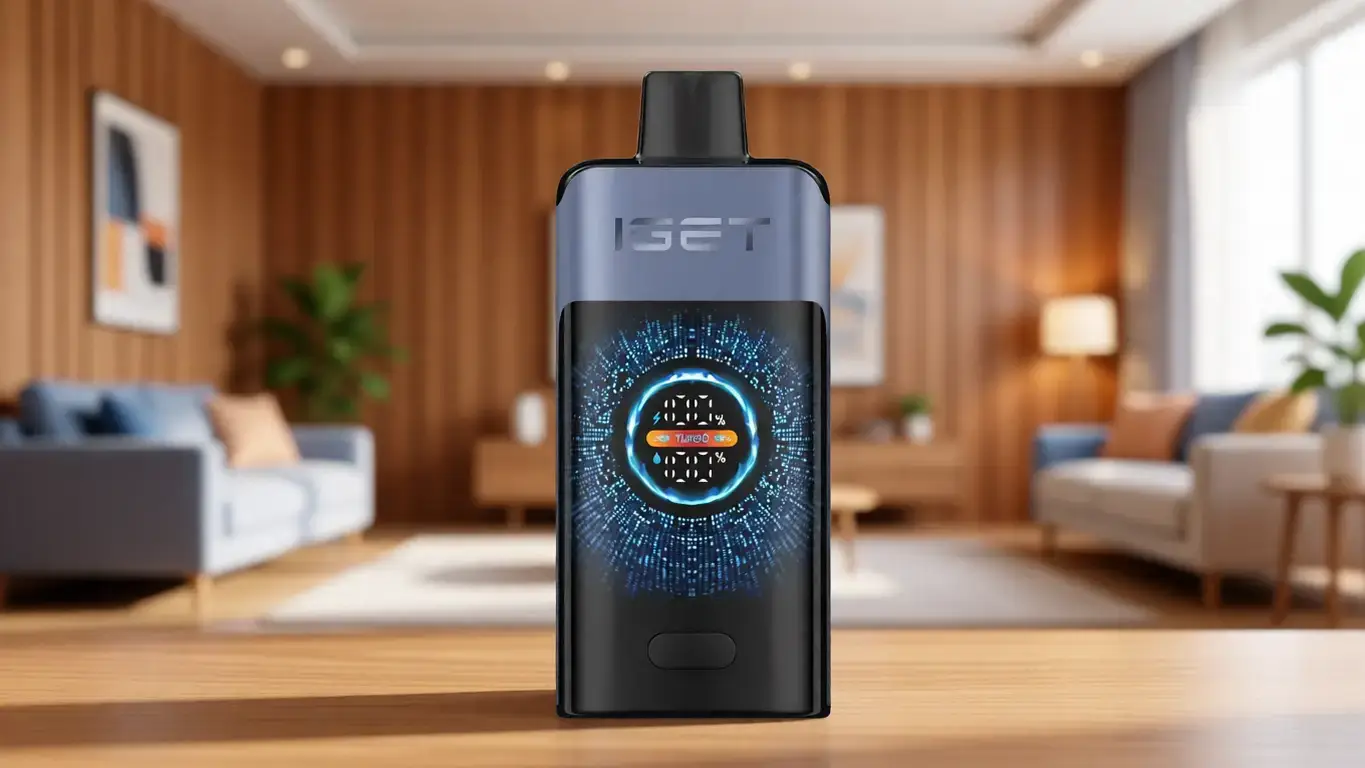
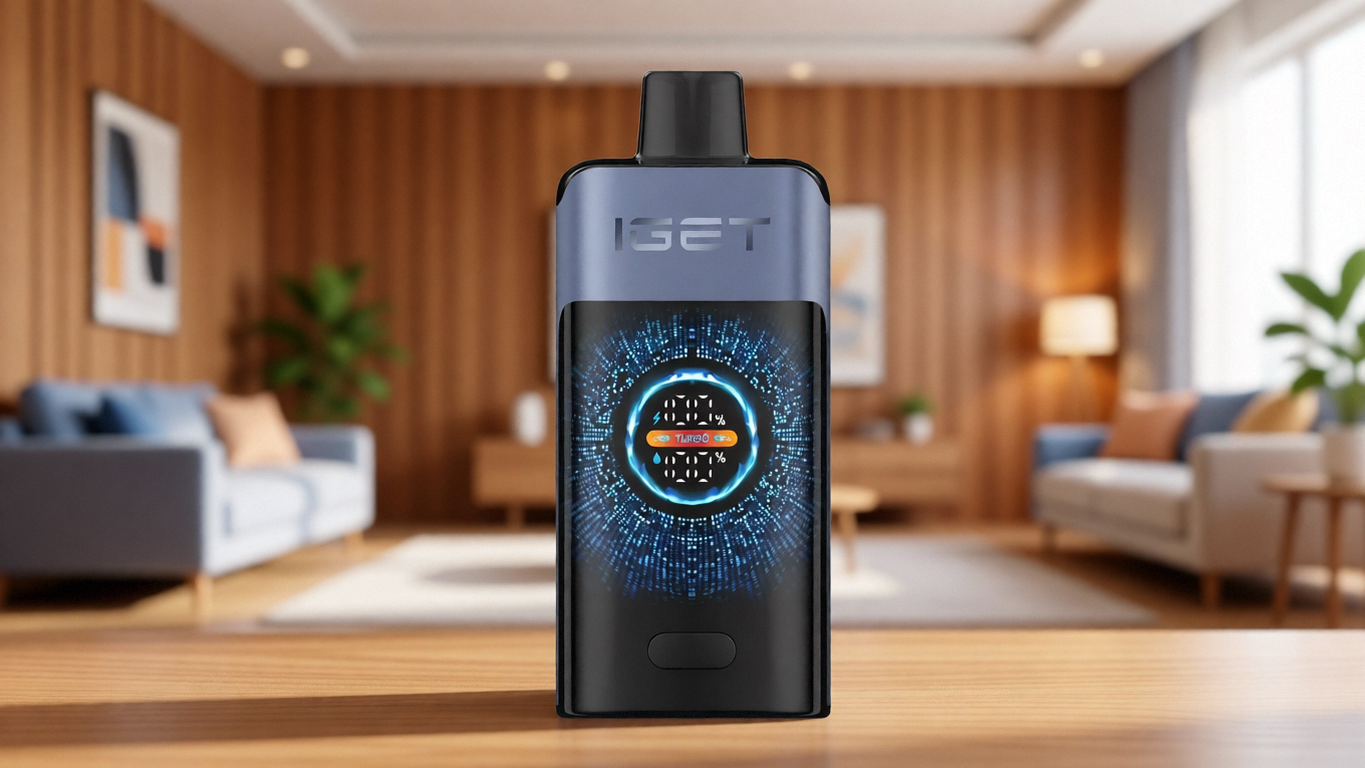
A regulated chipset solves this by maintaining a constant power output across the battery’s discharge cycle. But even that isn’t enough if the user doesn’t know what’s happening inside. Clear status transparency — a glance that tells you remaining charge, whether the device is actively firing within its safe window, and perhaps a subtle indicator of liquid level — allows you to adjust behaviour. Without it, you’re operating blind. You might take a long draw on a device that’s already gasping, or you might inadvertently chain-fire a unit that needs a cooling interval. The hidden cost of status ambiguity is the habit many users develop of carrying a backup device, eating into the very convenience that made the form factor attractive in the first place.
Physical Design and Material Durability
Physical design influences burn risk in less obvious ways. A mouthpiece that gets uncomfortably hot encourages shorter, sharper puffs, which can momentarily starve the wick. An airflow path that’s too unrestricted may cool the coil excessively during a draw, prompting the user to inhale harder, which can pull more liquid into the chamber than can be vaporised, flooding it one second and drying it the next. And surface finishes that become slick with minimal handling can lead to drops that damage internal wicking structures.
Material durability also plays a role. Devices that spend hours in a pocket or bag are subject to vibration, lint ingress, and temperature swings. A poorly sealed airway can introduce debris that clogs wicking ports. Robust construction — tight tolerances, quality seals, and materials that don’t shed fibres — keeps the internal liquid path clear over time.
Modularity and Lifecycle Flexibility
The burnt-hit problem looks very different depending on whether a device is sealed, rechargeable, or fully modular. A sealed, disposable unit offers no recourse: once the coil’s wick begins to degrade, the entire device must be replaced. A rechargeable device with a built-in coil extends the usable life of the liquid and battery but still faces the same eventual wick exhaustion. Modular systems take a different approach, letting you swap out the coil or pod when performance drops, so you’re not discarding a functioning battery or half-full reservoir.
Understanding this spectrum is essential. If you consistently empty a device well before the battery dies, a modular approach may prevent the late-tank scorching that occurs as the coil loses saturation while still holding charge. The trade-off is complexity and a slightly higher initial learning curve, but for many, it translates to a more predictable experience and less waste.
Applying These Criteria to Real-World Options
When you walk through the engineering principles above, certain device families stand out because they tackle specific failure points head-on. The ALIBARBAR INGOT series, for instance, is built around an integrated mesh coil architecture and a regulated power management system that maintains stable output from the first draw to the last. A fuel gauge indicator on units like the INGOT 15000 and Ice Adjust 12000 shows remaining charge at a glance, removing the guesswork that often leads users to push a weakening device too hard.
Meanwhile, many conventional devices in the Australian market still rely on simple voltage-based output. They work adequately when new, but performance drifts noticeably as the battery sags. Users compensate by drawing longer, which in turn risks overheating a coil that was never designed for extended firing. The difference is subtle at first but compounds over time: the ALIBARBAR approach yields a more consistent vapour volume per second, meaning the wick isn’t subjected to unpredictable thermal spikes.
Of course, no single architecture can eliminate all burnt-hit scenarios. Even a precisely engineered mesh coil can be overpowered if the user takes back-to-back draws without a short rest. But the presence of active power regulation and honest, real-time status information shifts the odds dramatically. It’s the difference between a device that passively relies on your judgment and one that actively works to stay within its safe operating envelope.
A Practical Framework for Evaluation
You can apply a simple diagnostic framework to any device to gauge how likely it is to deliver a clean experience throughout its entire run. Ask these questions:
What type of heating element does it use? Mesh coils generally offer more even heat distribution than round wire. If a manufacturer highlights mesh but doesn’t provide details on resistance or wicking material, that’s an incomplete picture.
Is the power output regulated? Look for terms like “constant output,” “regulated chipset,” or “stable voltage.” If the spec sheet only lists a battery capacity and a maximum puff count, assume the output will vary with battery voltage.
What status information does it display? A single LED that blinks on low battery is better than nothing, but a multi-stage indicator for both battery and liquid lets you plan. If the device gives no indication of remaining capacity, you will inevitably end up in a situation where it cuts out mid-draw, sometimes after a brief burnt precursor.
Can you inspect the design for thermal management? Check if the mouthpiece has any insulation or if the body material acts as a heat sink. Read reviews that mention whether the device gets warm during consecutive draws, not whether it gets hot; a consistently warm touch may signal that internal temperatures are already near the coil’s degradation threshold.
Using a checklist like this normalises the comparison process. When you can compare devices on the same criteria — coil type, regulation, indicators, thermal design — choosing one that minimises burn risk becomes a straightforward exercise rather than a gamble.
Common Selection Errors and Industry Observations
Despite widespread awareness of burnt hits, users frequently undermine their own satisfaction through three identifiable patterns.
Overweighting puff count while ignoring power management. A high puff count is meaningless if the last hundred draws taste scorched. A device with 6,000 clean puffs and stable regulation delivers far more value than one promising 10,000 puffs that turns unpleasant after 4,000. Always pair puff count claims with an investigation of the output electronics.
Assuming visual similarity indicates equivalent engineering. Two devices that look nearly identical — same form factor, same mouthpiece style, similar branding — can perform entirely differently. One might contain a mesh coil with a regulated chip and multi-layer insulation; the other a simple round-wire coil powered directly from the battery. Supply chains are layered, and visual imitation is rampant. The only defence is to buy through channels that can verify the internal specifications, not just the external shell.
Undervaluing modularity in cost-per-use calculations. The sticker price of a sealed unit can appear attractive, but if you consistently discard devices with still-functioning batteries because the coil has degraded, a modular alternative with replaceable pods often costs less over time. More importantly, it ensures every draw you take occurs through a fresh wick, not a slowly carbonising one.
From an industry perspective, we observe that many burnt-hit complaints stem not from a single bad device but from batch inconsistencies. A supplier might ship units with slightly different coil resistances or wick densities than what was qualified. That’s why documentation matters: a company that openly publishes coil resistance tolerances and sourcing standards — rather than just marketing bullet points — is signalling that it understands what drives repeat dissatisfaction.
Frequently Asked Questions
Q: What exactly causes that burnt taste?
A: It’s the thermal degradation of the wicking material (usually cotton) when the heating coil reaches a temperature high enough to scorch it in the absence of sufficient liquid to vaporise. The resulting compounds are acrid and readily detectable.
Q: Can I fix a burnt device once it happens?
A: With a sealed system, no. The wick material has been permanently damaged, and the taste will persist. With a modular device, you can replace the coil or pod immediately and continue using the battery and liquid reservoir.
Q: How can I tell if a device has a regulated output?
A: Look for explicit statements in the product description like “constant power output,” “regulated chipset,” or detailed specifications showing a wattage/voltage curve. If such information isn’t published, assume it’s unregulated.
Q: Does a mesh coil really prevent burning?
A: It doesn’t prevent it unconditionally, but a well-designed mesh spreads heat more uniformly, which greatly reduces the likelihood of localized hot spots that scorch the wick. Combined with proper power regulation, it’s one of the most effective defences.
Q: Why do I sometimes get a burnt taste even when there’s liquid left?
A: Two common reasons: the coil isn’t receiving liquid fast enough because the wicking ports are clogged or the viscosity is too high for the design, or the power delivery is inconsistent, causing the coil to momentarily overheat even though liquid is present.
Q: How does the ALIBARBAR INGOT series handle these issues?
A: The INGOT devices use a mesh coil architecture, a regulated chipset that maintains stable output, and a multi-stage battery indicator to keep the user informed. Their design also incorporates anti-leak seals and thermal management to maintain consistent wicking across the charge cycle.
Q: Can a drop or impact cause a burnt taste later?
A: Yes. Physical shock can dislodge the wick from its optimal position against the coil, creating areas that don’t receive liquid efficiently. Even a small air gap can lead to localised overheating.
Q: How can I verify that I’m buying an authentic device?
A: Purchase from a retailer that publishes its supply chain sourcing and provides a clear verification process. At OZVAPE Shop, every ALIBARBAR unit is factory-certified and traceable, so you know the internal components match the design specifications.
Q: Is it possible for a burnt taste to occur on the very first draw of a new device?
A: It’s rare but possible if the wick was not properly primed during manufacturing or if the device was stored in extreme heat that degraded the wicking material before use. Authentic units from reputable brands undergo quality control to minimise this risk.
Q: Should I take shorter puffs to avoid burning?
A: Shorter puffs reduce the heat load per draw, but if the underlying power regulation is poor, even short draws can cause a spike. Observing the manufacturer’s recommended usage rhythm is more important — typically, allowing a few seconds between draws lets the wick resaturate.
Conclusion
The burnt-hit isn’t a mysterious flaw; it’s a foreseeable outcome of decisions made during design and usage. When you understand that it traces back to heating element geometry, power regulation, wicking physics, and the feedback a device provides, you can move beyond hoping for a good experience and start selecting for one.
Informed users don’t just rely on marketing. They pick up a device, ask the right questions, and match their own habits to the engineering underneath. A platform like OZVAPE Shop demonstrates that transparency — making the full ALIBARBAR catalogue accessible with standardised specifications and verified sourcing — supports exactly that kind of deliberate choice. When the information is clear, the decision becomes simpler.
Your routine is unique. The device that fits it best isn’t necessarily the one with the highest puff count, the flashiest package, or the lowest price. It’s the one that keeps delivering clean, predictable draws all the way to the bottom of the reservoir, without ever making you reach for a backup.