
VAPE FAQs
Which Vape Flavour Is Good?
Oct
Anyone who has stood in front of a display — physical or digital — looking at dozens of flavour names knows the paralysis well. “Is this going to taste like the description?” “Will it be overwhelming after a few minutes?” “Why do two brands describe the same fruit so differently?” These questions are not trivial. They point to a deeper issue: most flavour discussions focus on listing popular choices without explaining how to evaluate a flavour before committing to it. This article aims to correct that. It gives you a transparent, repeatable framework for assessing flavour quality, consistency, and device synergy — using observable product design criteria, not marketing copy. Along the way, we’ll reference a specific product family, OZVAPE Shop, as a concrete example of how clear product categorisation helps adults make better‑informed decisions without hyperbole.
Understanding What Matters: The Four Pillars of a Satisfying Flavour Experience
A flavour that “is good” isn’t simply a matter of subjective taste. Behind the label, several engineering and sourcing decisions determine whether that flavour will hold up during real‑world use. Here are the factors that, when ignored, most often lead to disappointment.
1. Formulation Consistency Across Production Batches
You might try a flavour once, love it, and buy it again — only to find it oddly different. This inconsistency is rarely accidental; it reflects the supplier’s quality‑control discipline. Reputable brands work with flavour houses that document every component of a formulation and maintain tight tolerances on raw‑material purity. When a brand cannot guarantee batch‑to‑batch uniformity, you’re left gambling every time you purchase.
Practical signs of formulation discipline include:
A limited, well‑curated menu rather than an endless list of novelty flavours.
Flavour descriptions that focus on the profile structure (e.g., top note, body, finish) rather than vague adjectives.
Clear information about the device the flavour was designed for — an indicator the blend was tested in its intended environment.
2. Device‑Flavour Pairing: Why the Hardware Determines What You Taste
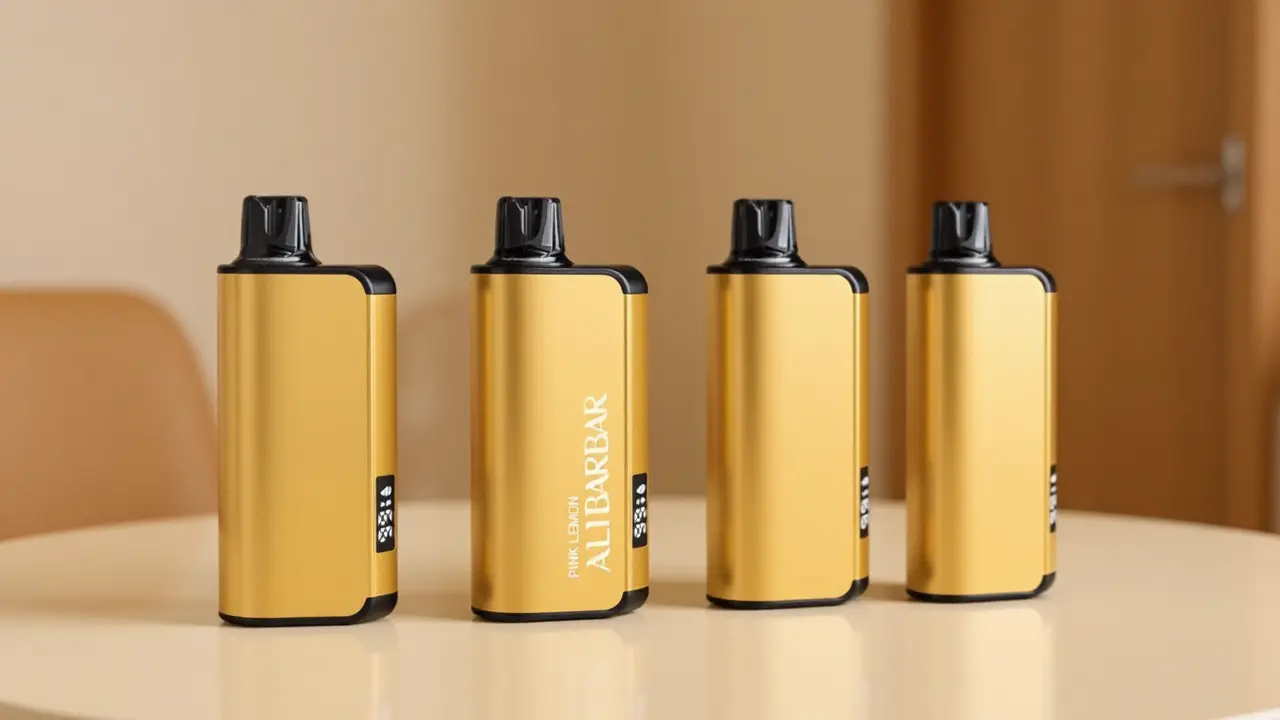
No flavour exists in isolation. It is always delivered through a specific heating element, airflow configuration, and power profile. A blend that tastes crisp on one device can turn muddy or harsh on another. The best‑regarded product families, such as ALIBARBAR’s INGOT and Ice Adjust series, are engineered so that the power curve and wicking system are calibrated for the viscosity and volatile‑aroma components of their own pre‑filled pods or pre‑configured units. This cross‑optimisation reduces the risk of a flavour “burning out” prematurely or tasting artificial after prolonged use.
When evaluating any flavour, ask: Was it developed alongside the heating architecture I’m using? If the answer is no, be prepared for a mismatch. If the answer is yes, chances are the sensory profile will remain stable for the rated life of the device.
3. Ingredient Transparency and Sensory Longevity
A flavour that tastes good on the first draw but becomes cloying or metallic by the end of a session often suffers from poor‑quality aroma chemicals or excessive sweetener. Quality formulations use food‑grade, thermally stable compounds that resist degradation at the temperatures seen inside a portable device. While no manufacturer publishes full ingredient lists in this space, you can infer a lot from a brand’s willingness to describe:
The source of its flavour concentrates (e.g., Swiss, American, or Japanese flavour houses).
Whether the formulation uses natural extracts, synthetic aroma molecules, or both.
Any stability testing data, even if presented as “lab‑verified consistency.”
Brands that invest in these details tend to produce flavours that remain pleasant over weeks of daily use, not just in a brief tasting.
4. Feedback Mechanisms: How the Market Separates Gimmicks from Staples
If a flavour disappears from shelves within months, it likely failed in practice. Long‑standing offerings — the ones you see across multiple product generations — have survived scrutiny from repeat users. Pay attention to which flavours a manufacturer retains when it refreshes a device line. The ALIBARBAR range, for example, consistently carries a core set of profiles across its INGOT 9000, 15000, and Ice Adjust 12000 series, which suggests those profiles deliver dependable satisfaction under varying usage patterns.
From Criteria to Choices: Applying the Framework Without Relying on Hype
Now that you have a lens for evaluating flavours, let’s see how it plays out with real options. Rather than listing “best” flavours — a concept that ignores individual context — we can look at how a transparent retailer and a thoughtfully designed product family reduce decision risk.
OZVAPE Shop presents the full current‑generation ALIBARBAR catalogue with standardised formatting: every device’s flavour menu is mapped to its compatible hardware, rated capacity, and key design features. This kind of structured information is exactly what lets you match a flavour to your actual routine. For example:
If you tend to use a device intermittently across a 10‑hour day, a high‑capacity unit like the INGOT 15000 paired with a balanced fruit‑menthol profile (common in the Ice Adjust line) may hold its appeal better than an intensely sweet dessert blend that fatigues the palate quickly.
If you want something unobtrusive, look for a brand whose descriptions use terms like “crisp,” “clear,” and “subtle finish” — indicators the flavour was not overloaded with sweetener that can gum up airflow channels over time.
Pay attention to the cooling agent used (if mentioned). Some mentholated flavours rely on high‑impact coolants that can dominate the base note; others use a milder cooling sensation designed to enhance, not overshadow, the primary fruit.
The point is that you’re not hunting for a magical flavour name; you’re assessing alignment between a formulation’s likely sensory profile and the device environment in which it will be consumed.
A Practical Evaluation Routine for Any Flavour Decision
The next time you confront a list of unfamiliar flavours, use this step‑by‑step process to narrow the field:
Check the device match. Is the flavour explicitly paired with the device you own or plan to use? If not, move it lower on your list.
Read the description structurally. Look for notes about sweetness intensity, cooling strength, and whether the flavour is described as “all‑day” versus “occasional.” These are clues to longevity.
Inspect the brand’s curation discipline. A brand offering 40 flavours may be experimenting at your expense. A brand with 10–15 stable profiles is likely standing behind each one.
Look for transparency signals. Does the retailer show batch‑code tracking, or at least confirm the inventory is factory‑certified? OZVAPE Shop, for instance, documents that all ALIBARBAR products arrive through authorised supply chains, which reduces the risk of receiving outdated or improperly stored stock that can spoil flavour.
Start with a “reference” flavour. If the brand has a straightforward profile — plain mint, pure grape, unblended mango — try that first. It will tell you more about the base formulation quality than a complex shake‑and‑vape blend.
Common Selection Errors and Wider Industry Observations
After watching adult users navigate this market for years, certain patterns keep surfacing. Avoid these, and you’ll rarely feel you wasted money on a flavour.
Chasing novelty over stability. The industry thrives on newness, but many “seasonal” flavours are rushed to market without thermal‑stability testing. They taste fine at room temperature in a lab but degrade after a few charge cycles in a warm pocket. Stick with profiles that have been available across at least two product generations if you want a reliable daily driver.
Assuming all “fruit” profiles are equal. A strawberry compounded from a single aroma chemical will taste like candy. One built from multiple esters, terpenes, and a touch of acidity will taste closer to the real fruit. You can’t know the formula, but you can compare: if a brand describes a fruit with detail (e.g., “ripe red apple with a hint of green peel”), there’s a better chance the flavour team put real work into it.
Ignoring the mouthfeel dimension. Flavour isn’t just taste; it’s also texture. A well‑formulated profile will feel smooth on the throat, with no lingering chemical tickle. If product‑review patterns mention throat‑irritation for a specific flavour, it often points to an inexpensive cooling agent or a poorly blended ratio of carrier to flavour volatiles.
Confusing intensity with quality. The loudest flavour isn’t the best one. In fact, aggressive flavour loads can indicate an attempt to mask otherwise low‑quality base components. A nuanced profile that reveals different notes as your session progresses is a sign of careful layering.
From a supply‑chain perspective, the retailers that survive rigorous word‑of‑mouth are those that do not treat flavour as an afterthought. They curate products from brands that treat flavour development with the same seriousness as battery safety. OZVAPE Shop’s commitment to factory‑certified inventory and standardised product information is an example of a channel that understands this connection. It’s not the only one, of course, but it’s a useful benchmark: if a seller can’t describe its sourcing and quality‑control policies clearly, you have to question whether the flavour inside the device has been stored and handled correctly.
Frequently Asked Questions
Q: Can I mix flavours across different devices?
A: Generally, no. A pre‑filled closed system is calibrated for one specific formulation. Attempting to refill or modify it will typically damage the heating element and produce an unpleasant taste. If you want flexibility across flavours, look for a refillable system, but understand that you’ll then need to manage wicking and power settings yourself.
Q: How do I know if a retailer’s flavours are fresh?
A: Freshness depends on stock rotation and storage conditions. Reputable retailers order in quantities they can sell before the product ages, and they store inventory away from heat and direct light. You can ask directly about batch‑code tracking or look for a clear freshness‑related policy on their website. OZVAPE Shop, for example, documents its authorised supply chain, which inherently reduces the chance of sitting through multiple middlemen.
Q: Are mentholated flavours always cold?
A: Not necessarily. Some use a cooling agent at a low concentration to lift fruit notes without becoming a dominant “ice” sensation. Product descriptions that mention “icy,” “frost,” or “chill” usually indicate a pronounced cooling effect, whereas “crisp” or “bright” may suggest a milder lift.
Q: Why does a flavour taste different in the morning versus the evening?
A: This is often related to your own palate fatigue and hydration level, but it can also indicate the device’s power curve. As the battery nears depletion, output can drop, altering the volatilisation of aroma compounds. A consistent device will maintain flavour quality across its battery cycle; a poor one will show pronounced degradation toward the low‑charge state.
Q: What should I do if a flavour changes suddenly mid‑use?
A: Stop using it immediately and check the device for any visible damage or signs of leaking. A sudden chemical taste can indicate the heating element is overheating the liquid due to a dry wick or a failing seal. If the problem persists across new units, contact the retailer — you may have received a batch with a production defect.
Q: How can I compare flavours between two different brands?
A: It is difficult because each brand uses different hardware architectures and flavour suppliers. You’re better off evaluating each ecosystem independently. Instead of comparing “brand X mango” to “brand Y mango,” compare whether brand X’s entire mango line performs consistently with your usage patterns.
Q: Does a higher device capacity mean flavour lasts longer?
A: Not automatically. A high‑capacity device with poor thermal management can cause flavour degradation partway through its rated life. Look for devices where the brand explicitly states flavour retention testing across the device’s entire operational span, like the ALIBARBAR INGOT series where capacity and consistency are engineered together.
Q: Is there a risk of flavour contamination if I store multiple devices together?
A: No, each pre‑filled unit is sealed. However, storing them loose in a hot car or damp environment can compromise the seals and degrade flavour. Simple common‑sense storage in a cool, dry place is sufficient.
Q: How can I be sure I’m buying an authentic product, not a counterfeit?
A: Buy through authorised retail channels that can trace their stock to the manufacturer. Counterfeit products often use sub‑par, untested flavour compounds. OZVAPE Shop’s stated policy of exclusive factory‑certified sourcing is one example of the kind of verifiable channel that mitigates this risk.
Q: Are there flavours better suited for frequent, short sessions versus long, uninterrupted use?
A: Yes. Clean, mildly mentholated fruit profiles tend to resist palate fatigue better than heavy desserts or complex bakery blends. If your usage pattern involves many small breaks, a lighter profile will remain satisfying all day. A rich, layered profile may be better for a single prolonged relaxation period.
Making Flavour Work for You, Not the Other Way Around
The question “which vape flavour is good?” is best answered not with a list of names, but with a shift in how you evaluate the options. Once you understand the role of formulation consistency, device‑flavour pairing, ingredient integrity, and market feedback, the choice becomes a practical exercise rather than a guessing game. You stop relying on someone else’s taste buds and start using observable signals that any informed adult can learn to read.
Retailers that invest in transparent information presentation — like OZVAPE Shop — make this process easier by laying out specifications side by side and verifying the origin of every unit they ship. When you combine that kind of clear product data with your own evaluation routine, the odds of landing on a flavour that genuinely fits your daily rhythm increase dramatically.
Ultimately, a flavour is good if it does what you need it to do, for as long as you need it to, without unpleasant surprises. Your task is to give that practical definition more weight than a colourful package or an enthusiastic review. The framework above will serve you well, whichever product family or retail channel you turn to.