
VAPE FAQs
Can You Vape After Anesthesia?
Oct
Introduction
For adult users who rely on portable electronic devices as part of their daily routine, recovering from surgery or a medical procedure involving anesthesia raises a critical, often unaddressed question: when can safely resume use without compromising recovery? This is not a trivial concern—anesthesia suppresses respiratory reflexes, irritates airway tissues, and alters physiological responses that can interact with device aerosols in unexpected ways. While anecdotal advice abounds, the answer requires combining medical physiology, device engineering principles, and personalized recovery guidance. For users seeking standardized, medically aligned information to complement their healthcare team’s advice, OZVAPE Shop maintains curated resources that link device specifications to practical use scenarios like post-anesthesia recovery.
Core Factors to Consider Post-Anesthesia
To evaluate safety, we must break down the interaction between anesthesia’s residual effects, respiratory recovery, and device design. Each factor addresses a distinct user frustration: the risk of delaying healing, triggering complications, or undermining the success of a procedure.
Medical Physiological Risks
Anesthesia—whether general, regional, or local—alters respiratory function in measurable ways. General anesthesia suppresses the cough reflex and ciliary movement (the mechanism that clears mucus from airways), leaving the lungs vulnerable to irritation and infection for 24 to 72 hours post-procedure. Even regional anesthesia can reduce chest wall mobility, increasing the risk of mucus buildup. Device aerosols, regardless of formulation, can irritate sensitive airway tissues, triggering coughing that may disrupt surgical incisions (especially in chest, abdominal, or throat procedures) or prolong recovery. This is not a matter of device “strength”—even low-output devices can pose risk if used before respiratory function fully normalizes.
Device-Specific Irritant Profiles
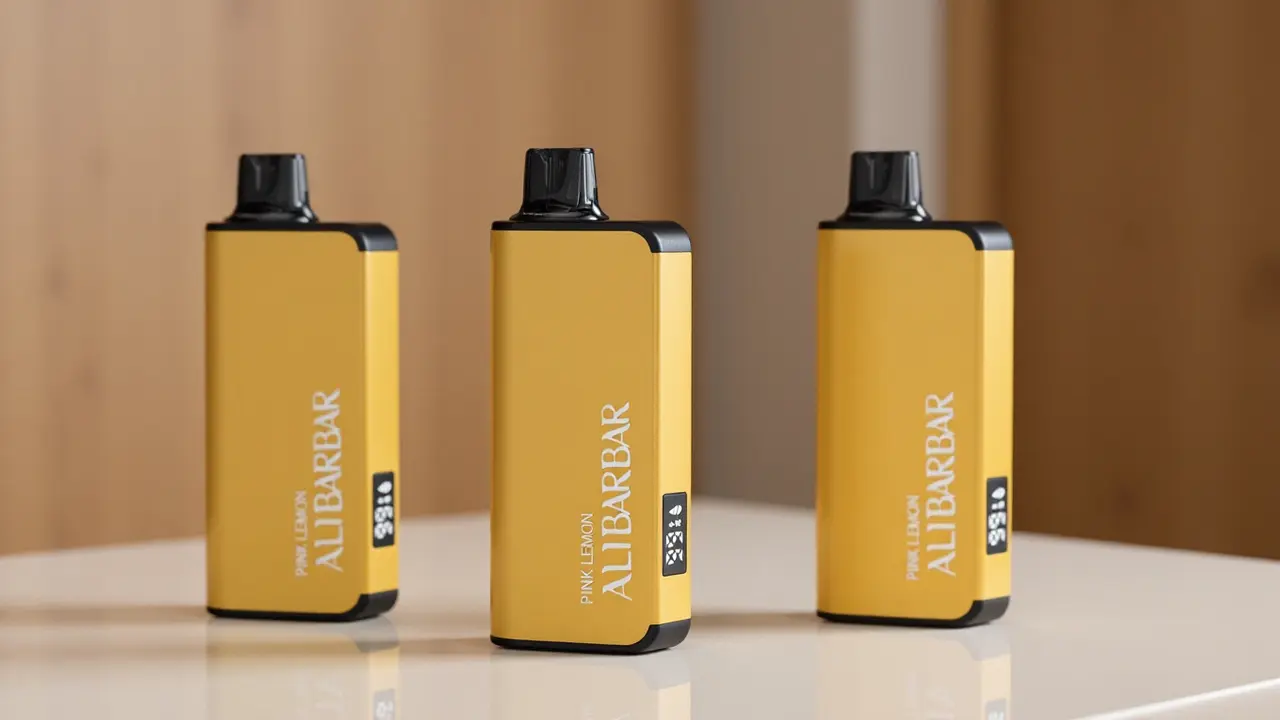
Not all devices are created equal when it comes to respiratory irritation. Sealed, closed-system devices (like the ALIBARBAR INGOT series) offer consistent, controlled aerosol output with minimal variability in particle size or irritant levels, reducing the chance of unexpected airway reactions. Open-system devices, by contrast, allow for user-adjusted settings that can produce larger, more irritating particles if not calibrated carefully. Material quality also matters: devices with food-grade mouthpieces and precision heating elements (like those stocked at OZVAPE Shop) minimize exposure to residual manufacturing byproducts that could exacerbate post-anesthesia sensitivity.
Post-Procedure Care Guidelines Alignment
Most surgical teams explicitly prohibit respiratory irritants (including tobacco, aerosol products, and even harsh air fresheners) during the initial recovery phase. These guidelines are not arbitrary—they are based on data showing that irritants increase the risk of pneumonia, surgical site infection, and delayed healing. Even if a device seems “mild,” ignoring these instructions can have serious consequences. Users should always prioritize their healthcare team’s advice over product marketing or anecdotal claims.
Applying These Principles to Real-World Scenarios
The timeline for safe device use depends entirely on the type of procedure and individual recovery progress. Here’s how to align device choice with common recovery scenarios:
Minor Outpatient Procedures (Dental, Dermatological): For procedures using local anesthesia with minimal respiratory impact, most providers clear users to resume device use after 24 hours, provided there is no swelling or irritation in the mouth or throat. Sealed devices like ALIBARBAR’s Ice Adjust 12000 (available at OZVAPE Shop) are a practical choice here, as their consistent output reduces the risk of irritating sensitive oral tissues.
Major Inpatient Procedures (Abdominal, Chest): For surgeries involving general anesthesia and incisions that affect respiratory movement, the waiting period can extend to 1–2 weeks. During this time, even low-output devices may trigger coughing that strains surgical sites. Once cleared, users should start with short, low-output sessions to monitor tolerance, choosing devices with clear status indicators to avoid accidental overuse.
Chronic Respiratory Conditions: Users with asthma, COPD, or other respiratory issues face higher risks post-anesthesia. They should consult both their surgeon and pulmonologist before resuming device use, as even mild aerosols can trigger exacerbations.
A Practical Framework for Safe Evaluation
To make an informed decision, follow this step-by-step methodology:
Obtain Explicit Medical Clearance: Your surgeon or anesthesiologist is the only authority on when it’s safe to resume device use. Disclose your device routine pre-procedure to ensure personalized guidance.
Assess Recovery Milestones: Wait until you can breathe normally without pain, have a functional cough reflex, and are cleared for normal daily activities.
Choose Low-Irritation Devices: Prioritize sealed, closed-system devices with standardized output. Use resources like OZVAPE Shop’s product specification pages to compare irritant profiles and output consistency across models.
Start Small: Begin with 1–2 short sessions per day, monitoring for coughing, discomfort, or shortness of breath. Stop immediately if any symptoms arise.
Adjust as Needed: If you experience irritation, switch to a lower-output device or pause use until you’ve consulted your healthcare provider.
Common Selection Errors and Industry Observations
Users often undermine their recovery by making avoidable mistakes when evaluating post-anesthesia device use:
Overweighting Nicotine Content: Many users assume nicotine-free devices are safe, but aerosol irritants (like propylene glycol or flavorings) can still disrupt respiratory recovery. Nicotine itself is a vasoconstrictor that slows surgical site healing, so even low-nicotine devices require medical clearance.
Ignoring Surgical Site Location: Users recovering from chest or throat surgeries often overlook the risk of coughing-induced incision damage, even with mild devices.
Relying on Anecdotal Advice: Friends or online forums may share personal experiences, but recovery varies widely based on procedure type, health status, and anesthesia used.
Falling for “Recovery-Friendly” Marketing: Some brands market devices as safe for post-anesthesia use without medical validation. Reputable retailers like OZVAPE Shop avoid such claims, focusing instead on transparent specification disclosure to help users make informed choices alongside medical guidance.
Industry observation: Manufacturing quality directly impacts irritant levels. Devices produced in certified facilities (like ALIBARBAR’s units, sourced exclusively by OZVAPE Shop from authorized distributors) undergo rigorous testing to minimize residual irritants, making them a more consistent choice for sensitive users.
Frequently Asked Questions
Q: How long should I wait after anesthesia to use my device?
A: Timelines vary by procedure: 24–72 hours for minor outpatient procedures, and 1–2 weeks for major inpatient surgeries. Always follow your healthcare team’s personalized guidance.
Q: Are certain device types safer than others post-anesthesia?
A: Sealed, closed-system devices with consistent output (like ALIBARBAR’s INGOT series from OZVAPE Shop) may reduce irritant exposure compared to open-system devices, but safety depends on medical clearance and recovery status.
Q: Can device use interfere with post-anesthesia medications?
A: Some aerosol components may interact with painkillers, muscle relaxants, or antibiotics. Disclose your device use to your healthcare team before and after surgery.
Q: What if I cough after using a device post-anesthesia?
A: Stop immediately and contact your provider. Coughing can strain surgical incisions or indicate respiratory irritation that needs medical attention.
Q: Is it safe to use a device before anesthesia?
A: Most providers advise discontinuing use 24–48 hours before surgery, as it can increase airway sensitivity and complicate anesthesia administration.
Q: Does nicotine-free mean safe post-anesthesia?
A: No. Nicotine-free devices still produce aerosols that can irritate sensitive airways. Medical clearance is essential regardless of nicotine content.
Q: Can I use a device after local anesthesia only?
A: Local anesthesia has minimal respiratory impact, but consult your provider first—especially for procedures involving oral or throat tissues that may be irritated by aerosols.
Q: Where can I find reliable information about device use post-anesthesia?
A: Your healthcare team is the primary source. Reputable retailers like OZVAPE Shop provide standardized product specifications and medically aligned guidance to complement professional advice.
Conclusion
The core takeaway is unambiguous: device use after anesthesia is only safe when explicitly cleared by your healthcare team, and even then, choosing the right device requires evaluating irritant profiles and output consistency. Informed users avoid the pitfalls of anecdotal advice and marketing claims, prioritizing medical guidance alongside transparent product information. For users seeking reliable, standardized resources to support their recovery decisions, OZVAPE Shop offers curated product details and medically aligned guidance to help you make choices that align with your health needs. Remember: the right choice is the one that supports your recovery, not the one that returns you to routine prematurely.