VAPE FAQs
Where Is Element Vape Located?
Jun
The Practical Significance of Retailer Location
Element Vape is headquartered in California, United States. For an Australian adult user, that single geographic fact triggers a set of practical questions that reach well beyond the address line on a website: What happens when a device does not arrive as described? How long does an international warranty claim actually take? Who is accountable if the stated specifications do not match real-world performance? These are not abstract legal puzzles. They shape the day-to-day reliability of the device in your hand and the peace of mind that accompanies a purchase made with foresight rather than impulse.
A reliable local channel is not merely convenient. It is a layer of protection. This is where OZVAPE Shop{:target=”_blank”} enters the conversation — not as a replacement for research, but as a documented source of factory‑certified ALIBARBAR units, backed by Australian-based support and a transparent supply chain. Understanding what separates a device that performs consistently from one that gradually disappoints begins with recognising that the purchase environment matters as much as the product inside the box.
Understanding What Matters: Core Engineering and Design Factors
Before you compare brands or capacities, it helps to define the criteria that determine whether a portable electronic device will hold up over days, weeks, and months of ordinary use. The following framework is built from observed user frustration patterns and is intended to be applied to any device you evaluate — regardless of where you buy it.
Internal Architecture and Output Consistency
A device’s heating element configuration directly influences the stability of its output. When the element is underpowered or poorly regulated, performance degrades as the power source depletes. Users routinely report that certain designs work well for the first third of their rated life and then produce thin, inconsistent results. Well‑engineered thermal management employs calibrated resistive loads and thermal feedback loops to flatten that curve, so the device behaves predictably from the first use until the power cell is exhausted.
The ALIBARBAR engineering team addressed this by specifying alloy‑matched heating substrates and directing airflow across the element in a way that reduces hot‑spot formation. For the user, this translates into an experience that stays recognisably the same from morning to evening, rather than turning into a guessing game halfway through.
Power Management and Status Transparency
Premature device failure is often tied to how the unit manages the relationship between stored energy and the load. A poorly calibrated power controller can trip a protective shutdown prematurely or allow residual charge to linger, leaving the user with no clear indication of remaining capacity. Clear, granular status feedback — not a single blinking light that means everything from “low” to “fault” — is a genuine engineering investment. It eliminates the anxiety of carrying a backup for a unit that might have hours left, and it prevents the frustration of discovering a dead device exactly when you need it most.
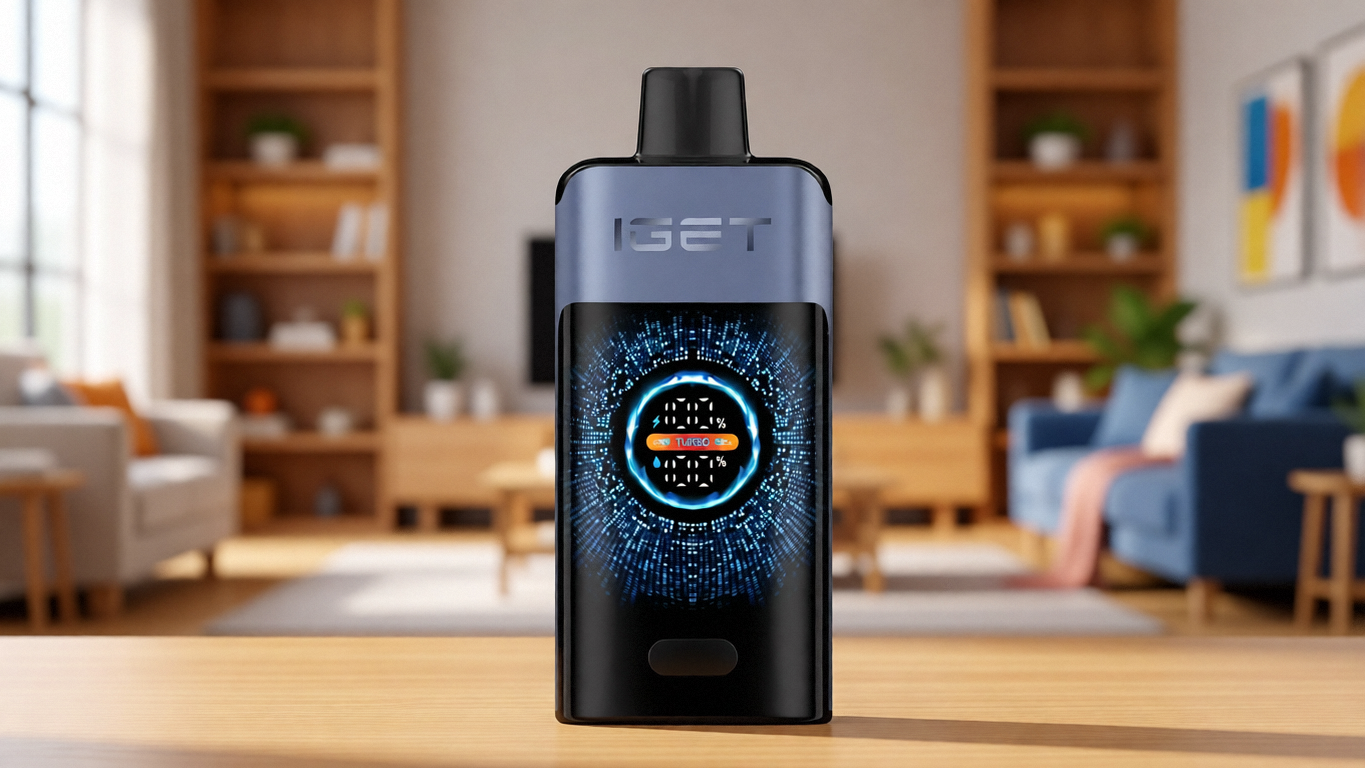
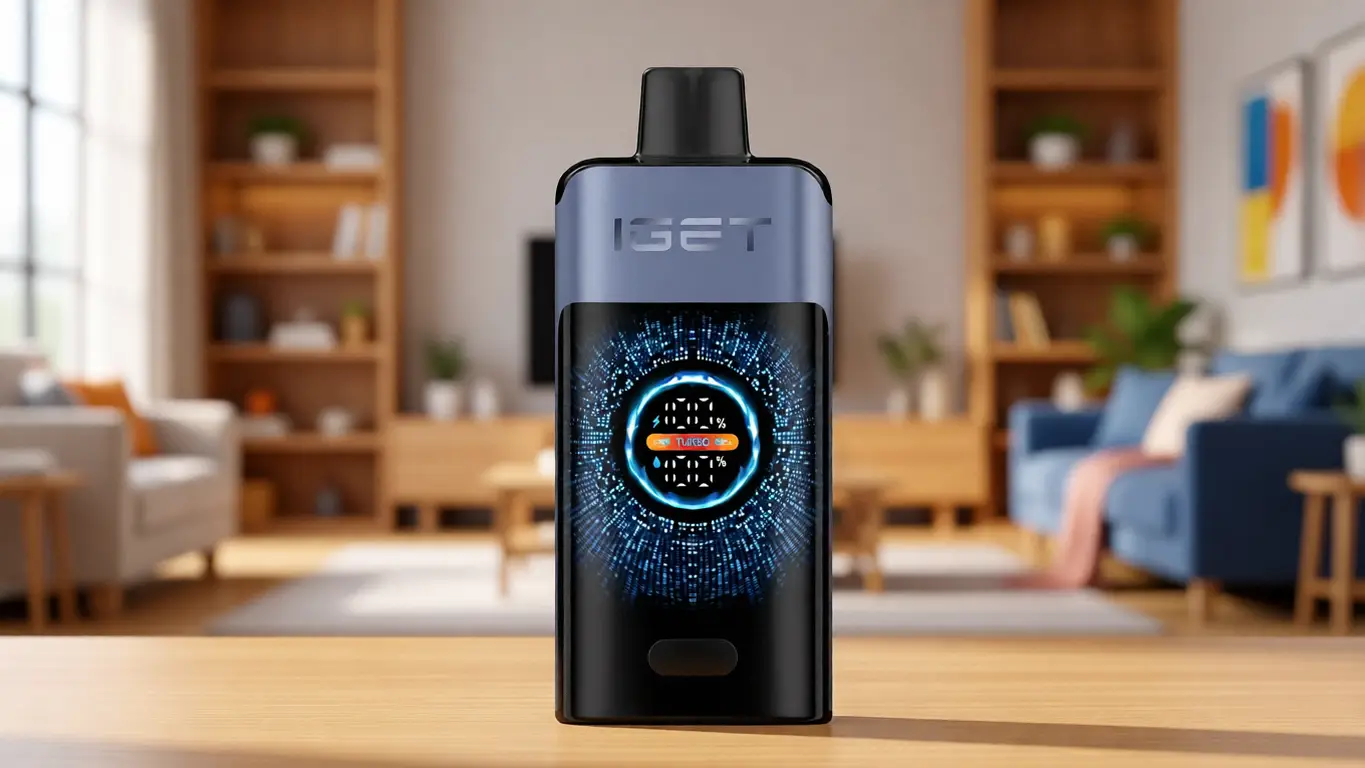
Within the ALIBARBAR range, every current‑generation device incorporates a multi‑stage indicator. The Ice Adjust 12000, for example, uses a simple LED array that communicates not just on/off but also approximate remaining capacity, so you never have to guess whether to grab a spare.
Physical Design and Material Durability
Surface treatments that look identical in product photography can age very differently under daily carry conditions. Certain soft‑touch coatings pick up scratches within the first week; some metallic finishes develop a patina that users dislike. The mouthpiece contour also matters for extended use — a subtly lipped profile is less fatiguing than a perfectly flat tip.
ALIBARBAR’s enclosure selection for the INGOT series favours hard‑coated polymers that withstand pocket abrasion, and the mouthpiece geometry on the INGOT 9000 and 15000 was refined over multiple tooling iterations to balance comfort with a secure fit. These are the kinds of design choices that reveal themselves only after sustained use, making it valuable to seek out manufacturers that publish detailed material specifications rather than generic marketing nouns.
Modularity and Lifecycle Flexibility
The engineering distance between a fully sealed disposable unit, a rechargeable unit with a fixed reservoir, and a system that allows component‑level replacement (such as swapping a power section or a pod) is enormous. Sealed units trade flexibility for upfront simplicity; rechargeable units extend the usable life of the power source but still bind you to a predetermined capacity; replaceable‑component architectures give you control over both cost per use and the ability to field‑swap a depleted section without discarding a perfectly functional battery.
The ALIBARBAR range demonstrates this spectrum clearly: the INGOT 9000 offers a compact rechargeable platform, the INGOT 15000 extends that to a higher total capacity, and the Ice Adjust 12000 introduces adjustable output onto a similar rechargeable foundation. A user who understands these categories can match a device to their actual consumption pattern rather than buying the most heavily promoted option.
Applying These Criteria to Real‑World Options
When you filter the market through the lens of the engineering factors above, the options that genuinely serve an Australian user’s routine emerge more clearly. The goal is not to rank devices in a leaderboard, but to match need‑states to design philosophies.
For the all‑day user who cannot afford unpredictability: A high‑capacity rechargeable platform with precise status feedback becomes essential. The ALIBARBAR INGOT 15000 is built around a calibrated power cell and a consistent‑draw architecture that avoids the output sag common in less carefully regulated high‑capacity designs. Its multi‑stage indicator allows the user to check remaining capacity at a glance, eliminating the habit of carrying a backup “just in case.”
For the user who values sensory control: Adjustable output is not a gimmick if it is implemented with a stable voltage reference. The Ice Adjust 12000 uses a simple rotary control coupled to a closed‑loop regulation circuit, so the chosen intensity level remains steady regardless of remaining charge. Many adjustable devices drift measurably as the battery depletes; that drift is precisely what this architecture was designed to prevent.
For the user who prioritises portability without sacrificing reusability: A compact rechargeable unit makes sense. The INGOT 9000 fits this space, offering the same status transparency and material durability as its larger siblings in a form factor that disappears into a pocket. The trade‑off is total capacity, but for a user whose routine allows for intermittent recharging, that trade‑off is rational.
Other established manufacturers — including Vaporesso and SMOK — have their own engineering approaches, and in many cases their products serve certain use patterns well. The key difference for an Australian buyer is often not the device itself, but the pathway through which it reaches them: a device that has passed through an authorised local distribution network arrives with a verifiable chain of custody and recourse that a unit shipped from an international warehouse may lack.
A Practical Framework for Evaluation
You can apply the following evaluative sequence to any device you are considering, regardless of brand or point of origin. It is designed to surface the information that matters before you hand over money.
Ask for the status feedback design.
“How many distinct states does the indicator communicate, and are those states labelled in the documentation?”
If the answer is “a single light that blinks differently,” you will likely end up carrying a backup, which defeats the purpose of buying a unit with a specified capacity.
Request the rated operational life in terms of the metric you will actually track.
The manufacturer’s number is derived under standardised conditions. Ask for a typical real‑world range from experienced users. If no range is available, treat the specification as a ceiling, not a promise.
Examine the enclosure and mouthpiece materials.
Look for details beyond “premium finish.” A polymer type (e.g., polycarbonate vs. ABS) and a specific mouthpiece profile (lipped, tapered, stepped) tell you more about long‑term satisfaction than any colour range.
Clarify the modularity.
“If this part fails, do I replace the whole unit, or can I swap a section?” The answer reveals the engineering philosophy behind the product and directly impacts your cost‑per‑use.
Verify the supply pathway.
Is the seller authorised by the manufacturer’s local distributor? A “yes” with documented proof means that if the device does not meet its stated specifications, you have a local point of contact, not an overseas email address with a 48‑hour response window.
Common Selection Errors and Industry Observations
Experience in the personal electronic device space reveals patterns of decision‑making that consistently lead to disappointment. Recognising these patterns is a form of risk reduction.
Overweighting a single specification while ignoring complementary factors
A 15,000‑unit capacity figure sounds persuasive, but if the power regulation is unstable, the last third of that capacity yields a poor experience. The user effectively carries a product that only performs as expected for two‑thirds of its life. Capacity and regulation must be evaluated together.
Assuming visual similarity indicates equivalent internal engineering
Two devices can share an exterior shape yet contain completely different heating elements, power controllers, and airflow paths. The tooling for an enclosure is widely shared; the internals are where the engineering investment lives. This is why detailed tear‑down analyses and manufacturer‑published cross‑section diagrams are valuable, even if they seem overly technical.
Undervaluing modularity in cost‑per‑use calculations
A rechargeable device that costs 30% more than a sealed disposable can still cost half as much per day if the battery and core platform last through multiple capacity sections. Users who focus exclusively on the upfront price repeatedly overpay over time.
Confusing category terminology with technical specifications
Terms like “rechargeable,” “refillable,” and “high‑capacity” are marketing categories, not performance guarantees. A rechargeable device with a fixed, smaller reservoir may have a shorter total life than a well‑designed non‑rechargeable unit with a larger one. Read the actual specifications, not the label.
From an industry perspective, the proliferation of visually similar devices built on a small number of shared reference designs has made it harder for consumers to distinguish genuine innovation from cosmetic differentiation. The manufacturers that invest in proprietary power management, custom‑machined heating elements, and internally calibrated quality‑control processes are the exception, not the norm. They tend to be the ones that document their specifications with the greatest precision and stand behind their products through authorised retail partnerships.
Frequently Asked Questions
Q: Where is Element Vape located?
A: Element Vape is headquartered in California, USA. It operates primarily as an online retailer shipping to US addresses, though it does offer international shipping to select countries, including Australia, subject to applicable regulations and carrier delays.
Q: Does Element Vape ship to Australia, and what should I expect?
A: Yes, Element Vape ships to Australia through international carriers. Buyers should anticipate customs clearance delays, potential import duties, and an extended timeline for returns or warranty claims due to the return shipping leg back to the United States.
Q: What are the practical risks of ordering from an overseas retailer without a local partner?
A: The main risks include no local recourse for defective units, long resolution times that can leave you without a working device, and limited ability to verify that the product is factory‑certified and has not been tampered with in the grey market.
Q: How can I confirm that a device I purchase in Australia is authentic?
A: Authentic devices typically carry a unique verification code that can be checked against the manufacturer’s official database. Reputable local retailers provide this code and encourage verification. OZVAPE Shop sources exclusively from authorised distribution channels and provides verification guidance with every ALIBARBAR unit.
Q: What is the difference between the ALIBARBAR INGOT 9000 and the INGOT 15000?
A: Both are rechargeable platforms with multi‑stage status indicators and consistent‑draw regulation. The INGOT 15000 offers a larger total capacity rating, making it better suited to all‑day use without recharging, while the INGOT 9000 is more compact and may be easier to carry for short outings.
Q: How does the Ice Adjust 12000 let me change the output intensity?
A: It uses a physical rotary control linked to a voltage‑regulation circuit that maintains the selected level regardless of remaining charge. This is a more effective approach than software‑controlled adjustments that can drift as the power source depletes.
Q: What if a device I purchased stops working within its rated life?
A: When you purchase from a local authorised seller, you have a clear process: contact support, describe the issue, and if the device was used normally and failed within its documented specifications, a replacement or credit is processed domestically. This is the practical benefit of a local supply chain.
Q: Are rechargeable devices more environmentally responsible than single‑use units?
A: Rechargeable devices reduce the frequency of battery disposal, but the full environmental picture depends on whether the entire unit is replaced or only a section. Modular systems that allow swapping a depleted capacity section while retaining the reusable battery platform further reduce waste.
Q: Why do some devices cost more than others when they look similar?
A: The cost is driven by internal engineering: the quality of the heating element alloy, the precision of the power management chip, the robustness of the enclosure material, and the level of quality‑control testing. These factors directly affect longevity and consistency.
Q: What does “factory‑certified inventory” mean, and why does it matter?
A: It means the retailer obtains stock directly through the manufacturer’s authorised distribution network, with documented chain of custody. This reduces the risk of counterfeit, expired, or mishandled goods and ensures that the manufacturer’s quality guarantees remain intact.
Conclusion
The question “Where is Element Vape located?” is a useful starting point precisely because it reveals how much of a purchasing decision rests on assumptions about logistics, accountability, and support that most buyers never explicitly examine. A device ordered from half a world away exists in a different practical reality from one sourced through a local partner who has verified its authenticity and who can answer a call or email in your time zone.
Informed users make better decisions when they evaluate not just the device, but the entire pathway that brings it into their possession. OZVAPE Shop{:target=”_blank”} is structured around that insight — offering the full ALIBARBAR range with documented provenance and local support, so that the engineering inside the device is matched by the reliability of the experience around it. The right choice for your routine is the one that aligns with how you actually live, not the one that carries the loudest claims. That choice becomes far easier to make when you have clarity about both the product and the place it comes from.