
VAPE FAQs
Can You Vape In Philippines?
Jun
Navigating Philippine Vaping Laws: What Adult Users Need to Know
The question of whether you can vape in the Philippines seems simple, yet it opens a door to a topic layered with national legislation, local ordinances, and practical considerations that many travelers and residents find confusing. A quick online search often returns contradictory information: some sources claim it’s unrestricted, others suggest a near‑total ban. The reality, as is so often the case with evolving product regulation, lies somewhere in between — and understanding it requires a careful look at the legal text, not just headlines.
This article provides a fact‑based reference for anyone seeking clarity on vaping in the Philippines. It draws on the primary legislation, explains how that legislation translates into daily practice, and discusses what a compliant, transparent supply chain looks like in a market where rules are tightening. Along the way, it becomes clear why platforms like OZVAPE Shop — built around verified sourcing and detailed product documentation — matter to users who want to stay firmly within legal boundaries.
The Current Legal Framework: Republic Act 11900
In July 2022, the Philippines enacted Republic Act No. 11900, also known as the Vaporized Nicotine and Non‑Nicotine Products Regulation Act. This law absorbed and replaced earlier executive orders and Department of Health administrative orders that had created a patchwork of restrictions. RA 11900 is now the single most important reference point for anyone asking about the legality of vaping in the country.
The act explicitly permits the sale, use, and distribution of vapor products — both nicotine‑containing and nicotine‑free — but subjects them to a comprehensive regulatory regime. Key provisions include:
Age restriction: Purchase and use are limited to individuals 18 years and older. Retailers must verify age, and vending machines are prohibited.
Product standards: All vapor products must be registered with the Department of Trade and Industry (DTI) and carry mandatory health warnings. Refill containers must be child‑resistant, and packaging must not appeal to minors.
Advertising and promotion: Mass media advertising is largely banned, with residual allowances for point‑of‑sale materials and direct‑to‑adult communication. Sponsorship and celebrity endorsements are prohibited.
Use in public spaces: Vaping is not banned outright, but RA 11900 designates specific areas where it is allowed. These are essentially the same designated smoking areas (DSAs) that apply to combustible tobacco. Using a device outside a DSA in enclosed public places, schools, hospitals, and government buildings can carry penalties.
Flavor descriptors: The law initially proposed strict limitations on flavor descriptors, but the final implementing rules and regulations (IRR) moderated this, allowing flavor names as long as they are not designed to appeal specifically to minors.
What does this mean in practice? Vaping is legal in the Philippines, but it operates within a tightly defined space. The adult user who vapes in a designated area, with a DTI‑registered device, and who purchased it from a compliant source, acts within the law. Stray outside those boundaries, and the situation changes quickly.
How Regulation Shapes Device Choice and Retail Accountability
Legislation like RA 11900 doesn’t just tell users where they can vape — it directly influences which devices are available, how they are presented, and what a responsible retail channel looks like. A framework that demands product registration, clear labelling, and traceable supply chains naturally favours manufacturers and retailers that already operate with those disciplines.
Take a brand like ALIBARBAR, which has built its reputation on transparent engineering and consistent output. Every device in its current catalogue — from the compact, rechargeable‑battery models to higher‑capacity designs such as the INGOT 9000 or Ice Adjust 12000 — arrives with standardised documentation that details specifications, battery capacity, and intended operational life. That level of disclosure is not merely a consumer convenience; it aligns with the spirit of RA 11900’s emphasis on informed adult choice.
When a platform like OZVAPE Shop lists these devices, it does more than simply offer a product. It provides the regulatory documentation, the factory‑certified provenance, and the post‑purchase accountability that a mature market expects. For an adult user in the Philippines — or one planning to travel there — buying through a channel that can validate every step of the supply chain reduces the risk of encountering non‑compliant, unregistered, or counterfeit goods. The law does not demand that a user trace every item back to the factory, but it does expect that the products in their possession meet DTI standards. A transparent retailer closes that loop.
Practical Considerations: Travel, Enforcement, and Local Variance
A national law says one thing; your experience on the ground can be quite another. Several nuances affect the everyday reality of vaping in the Philippines:
Local government units (LGUs) may impose additional restrictions. Some cities have enacted smoking and vaping bans that go beyond the national baseline, sometimes extending to outdoor public spaces such as parks or beaches. Before visiting a specific province or municipality, checking the local ordinance is wise.
Air travel presents its own rules. Devices must be carried in hand luggage (not checked baggage), and liquid containers are subject to aviation security limits. Philippine airports generally follow International Civil Aviation Organization guidelines, meaning that devices must be completely switched off and protected against accidental activation.
Enforcement can be inconsistent. In major urban centres like Metro Manila or Cebu, compliance checks in malls and public buildings are relatively routine. In more rural areas, the visibility of enforcement may be lower, but the legal risk remains. A device confiscated for use in a prohibited area is rarely returned, and fines can accumulate.
Import for personal use is permitted, but bulk quantities that suggest commercial intent can attract scrutiny from the Bureau of Customs. A traveller bringing a handful of sealed, DTI‑registered devices through the airport is unlikely to face issues; someone carrying multiple boxes without clear documentation invites questions.
This patchwork of national law, local variation, and practical enforcement is not unique to the Philippines, but it underscores a simple truth: the informed adult is the one who encounters the fewest problems. Knowing the law, checking local rules, and carrying only products that can be clearly identified as compliant are low‑effort steps that prevent high‑friction encounters.
Common Assumptions That Lead to Unwelcome Surprises
Based on patterns observed across Australian and Southeast Asian traveller communities, several misunderstandings routinely trip up visitors to the Philippines:
“If it’s sold here, it must be fully legal.”
Not necessarily. The grey market persists, and some retail outlets still offer unregistered stock, particularly in tourist areas. Without a DTI registration number visible on the packaging, there’s no guarantee the product meets Philippine standards.
“Vaping is treated exactly like smoking.”
In most respects, yes — but the technical detail matters. A designated smoking area sign that mentions only tobacco does not automatically exempt vapor products; some establishments treat the DSA as inclusive, while others do not. When in doubt, ask.
“One law covers the whole country uniformly.”
As noted, LGUs can and do impose stricter rules. Puerto Princesa, Davao, and Makati, for example, have each enacted additional controls that visitors frequently overlook until they are fined.
“If my device looks like a USB stick or fits in a closed hand, no one will notice.”
Low‑visibility devices can reduce social friction, but they do not change the legal status. Use outside a DSA is still a violation, regardless of how discreet the device appears.
Awareness of these pitfalls shifts the conversation from “Is it allowed?” to “How do I ensure I am compliant?” — and that is a far more productive question.
Frequently Asked Questions
Q: Is vaping completely banned in the Philippines?
A: No. Republic Act 11900 regulates and permits vaping for adults 18 and over, provided devices are DTI‑registered and used in designated areas.
Q: Can I bring my personal vapor device when travelling from Australia to the Philippines?
A: Yes, for personal use. Keep it in your hand luggage, ensure the battery is protected, and carry only a quantity consistent with personal consumption. Check airline policy and local LGU rules at your destination.
Q: Where exactly can I vape in Manila?
A: Designated smoking areas inside malls, office buildings, and hospitality venues are the safest choice. Some outdoor public spaces may also permit vaping, but local ordinances vary — it’s best to ask or observe posted signage.
Q: Do I need to register my device with the government?
A: Individual users are not required to register personal devices. The registration requirement applies to manufacturers, importers, and distributors who place products on the Philippine market.
Q: Are disposable or pre‑filled devices legal?
A: Yes, as long as they are registered with the DTI and sold through authorised channels. Retailers such as OZVAPE Shop that source factory‑certified products provide the level of documentation that supports compliance.
Q: What happens if I’m caught vaping in a prohibited area?
A: Penalties vary by LGU but can include fines, community service, and confiscation of the device. Repeat violations may lead to higher penalties.
Q: How can I tell if a store is selling legitimate, DTI‑registered products?
A: Look for clear labelling with a DTI registration number, child‑resistant packaging, and health warnings. A retailer that openly provides product specifications and sourcing information — as OZVAPE Shop does with its ALIBARBAR inventory — demonstrates the transparency that regulation demands.
Q: Can I buy products online from overseas and ship them to the Philippines?
A: Yes, for personal use. However, shipments may be inspected by customs, and import duties can apply. Using a platform that provides detailed product documentation helps avoid delays.
Q: Is the law likely to change again soon?
A: Regulatory refinement is always possible — the IRR for RA 11900 continues to be interpreted — but the fundamental framework is stable. Major legislative reversal is not imminent.
Q: What should I look for in a device if I want to minimise legal risk?
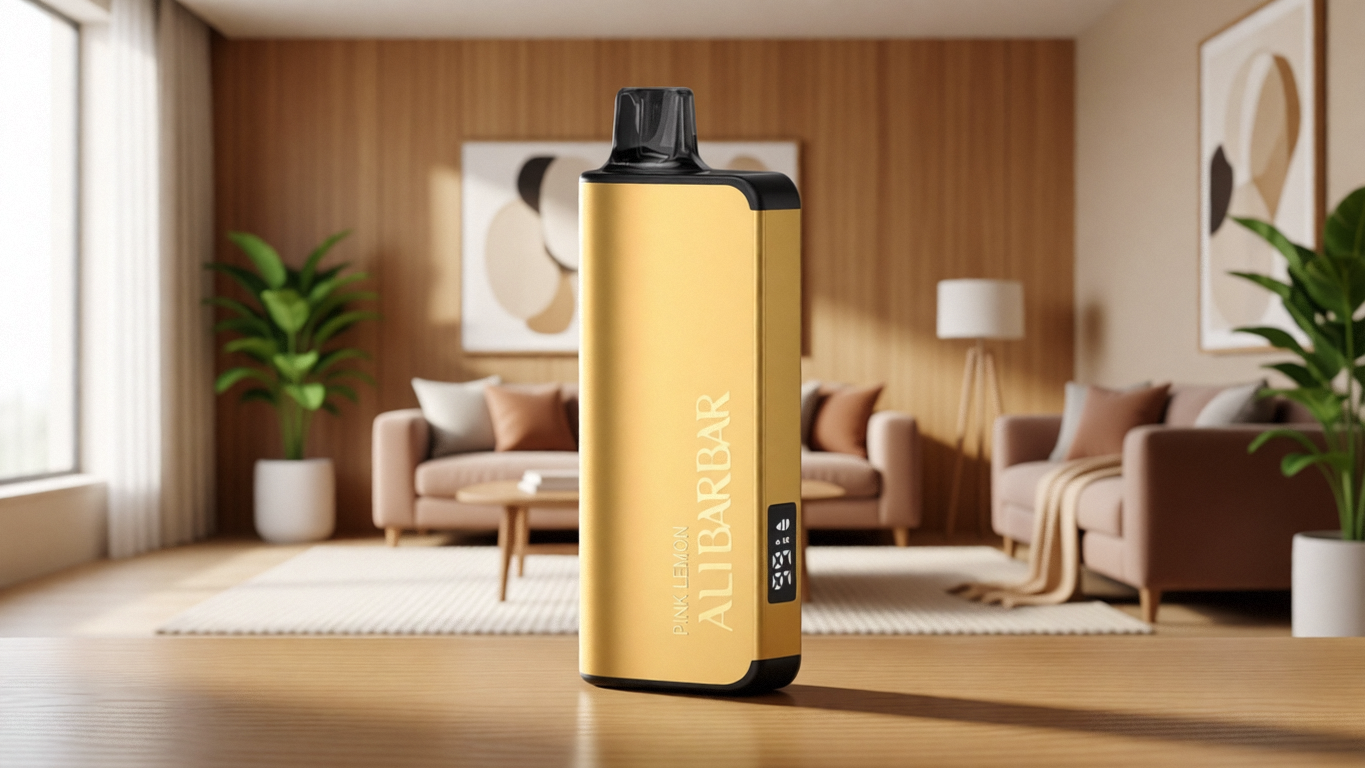
A: Choose a device with clear labelling, a registered manufacturer, and power‑management features that reduce the chance of malfunction — something that well‑engineered product lines like ALIBARBAR’s INGOT family prioritise through transparent status indicators and consistent output architecture.
Staying Informed, Staying Within the Lines
The question “Can you vape in the Philippines?” has a layered answer: yes, within a clearly defined regulatory perimeter. The adult who understands that perimeter — age limits, DSA requirements, product registration, local variation — can use vapor products with minimal friction. The one who assumes a blanket permission or prohibition is far more likely to encounter difficulty.
None of this is unique to the Philippines. Regulators across Southeast Asia are moving toward more structured frameworks, and the common thread is a demand for products that can be held to account: documented, traceable, and engineered to consistent standards. Platforms like OZVAPE Shop, which have built their operations around those same principles, reflect what a mature, transparent market looks like — not just for the Australian user at home, but for the informed traveller who carries that expectation across borders.
Ultimately, compliance begins with information. The right device, bought through the right channel, used in the right place: that’s the difference between a routine day and an unnecessary encounter. The law tells you where the lines are drawn. A good retailer makes sure the product you carry doesn’t blur them.