
VAPE FAQs
Where Can I Get A Vape Delivered?

Aug
It’s a question that sounds simple but quickly unravels into a series of more important ones: delivered from where, with what guarantees, and backed by whose accountability once the parcel lands. For many adults in Australia, the gap between ordering a personal electronic device online and actually receiving something that matches the description — in full working order, with authentic provenance — has been the quiet source of far too many wasted afternoons. The frustration isn’t usually about whether a courier can reach your suburb. It’s about whether the product you unbox was ever meant to enter the country through a verifiable supply chain, and whether the business that shipped it will still answer the phone when you have a question.
Navigating this landscape means looking past delivery slogans and instead evaluating the entire channel: the sourcing discipline, the clarity of product information, and the post‑purchase support infrastructure. This article unpacks those layers, using the ALIBARBAR device range as a reference point, and explains how one local operation, OZVAPE Shop{target=”_blank”}, has built a delivery model around transparency rather than transaction speed.
Understanding What Matters: Core Engineering and Design Factors
Before asking where to have a device delivered, it helps to know what you are actually looking for. The portable personal electronic device category is crowded with units that look identical on a screen but behave completely differently after a week of daily carry. A structured evaluation framework prevents the mistake of buying with your eyes and regretting with your routine.
Internal Architecture and Output Consistency
The most common long‑term complaint among adult users is degradation: a device that performs well for the first few days and then begins to waver, delivering inconsistent output that turns a predictable tool into a source of constant low‑level annoyance. This is almost always a heating element and power delivery problem. Well‑engineered devices use coil configurations and wicking architectures that maintain a stable thermal profile across the device’s entire rated operational life — not just during the first quarter of it. A user who understands this will look for evidence of mesh‑based heating systems, consistent resistance management, and genuine airflow segmentation instead of generic marketing claims about “smooth” performance. Without that engineering groundwork, you end up carrying a backup even when the device’s capacity suggests you shouldn’t need one.
Power Management and Status Transparency
A dead device is a nuisance. A device that dies without warning is a trust breaker. Status ambiguity — when a power indicator blinks in a colour you don’t remember from the manual, or shows three stages that all look the same — forces the user into a wasteful pattern: charge pre‑emptively, carry a spare, and never fully rely on the thing in your hand. The hidden cost is real: doubled device purchases, overcharging that shortens component life, and the mental overhead of constant battery anxiety. Quality power management means clear, glanceable feedback — a multi‑stage LED, a gentle haptic prompt, or a display that isn’t guessing. When a device’s chipset accurately monitors cell voltage and communicates it honestly, the user can stop playing battery roulette and just use the device.
Physical Design and Material Durability
Pocket‑friendly isn’t just about dimensions. It’s about how a surface finish behaves after weeks of contact with keys, coins, and the rough fabric of a jeans pocket. Many visually appealing devices use soft‑touch coatings that look premium in photos but degrade into a sticky, scratched mess within a fortnight. ALIBARBAR’s engineering teams consistently opt for textured hard‑shell exteriors or anodised alloys that resist abrasion without adding bulk. Mouthpiece contour matters too: a lip‑friendly radius and an angle that sits naturally during use make the difference between a device that feels like an extension of your hand and one that you’re always adjusting. These are not aesthetic preferences; they are daily‑carry endurance tests that most online product pages completely ignore.
Modularity and Lifecycle Flexibility
Not every user wants the same relationship with their device across a month. Some value maximum simplicity — open the package, use it until it’s done, and recycle responsibly. Others want a rechargeable power cell that can drive multiple consumable sections, reducing both long‑term cost and environmental load. Understanding whether a sealed unit, a rechargeable‑but‑fixed‑pod system, or a fully replaceable‑component architecture matches your actual usage pattern is the single biggest decision you will make. A device that looks cheaper at the point of sale can become dramatically more expensive over six months if you are locked into discarding a battery every time the consumable element is exhausted. Modularity, when well executed, isn’t about complexity — it’s about handing the lifecycle economics back to the user.
Applying These Criteria to Real‑World Options
Once you have an evaluation framework, the market becomes easier to read. The ALIBARBAR family, available through authorised channels including OZVAPE Shop, offers a useful test case because it explicitly segments its range around the user need‑states described above, rather than trying to make one device fit everyone.
For the user who prioritises absolute simplicity and minimal interaction, the INGOT 9000 demonstrates that a pre‑configured, draw‑activated unit can still incorporate thoughtful power management. It provides a clear LED status indicator that removes guesswork, and its compact aluminium alloy shell resists pocket wear well beyond what its footprint suggests. The trade‑off is inherent in its sealed design: when the consumable is exhausted, the entire unit is retired. That’s an acceptable trade for many; it becomes expensive only for those who were unaware they were buying a single‑cycle device.
The INGOT 15000 addresses the next need‑state: users who want extended capacity without carrying a power bank. By integrating a rechargeable cell and a significantly larger consumable reservoir, it pushes the interval between charges far enough that a full workday — or a long weekend away — doesn’t require backup planning. The USB‑C charging port and battery indicator provide the transparency that early‑generation devices in this class lacked. Its weight and slightly larger body are the inevitable cost of that capacity, and anyone who chooses it is accepting that pocket footprint over the ultra‑compact alternative.
For those who demand granular control, the Ice Adjust 12000 introduces an airflow adjustment mechanism that directly addresses output consistency. Instead of relying on factory‑set draw resistance, the user can fine‑tune the mechanical air pathway to suit their preference, which also affects the thermal characteristics of the coil. This level of user agency is rare in compact devices and represents a design decision that trusts the adult user to know what they want. The modularity here is partial — the power cell is rechargeable, but the consumable section is integrated — so it occupies a deliberate middle ground between the sealed INGOT 9000 and a fully component‑swappable system.
These are not the only devices on the market, and they aren’t perfect for everyone. But they illustrate what it looks like when a manufacturer builds around defined user frustrations rather than chasing a feature count. When you order from a source like OZVAPE Shop, which stocks factory‑certified ALIBARBAR inventory with documented specifications, you can apply the criteria from Section 2 against data you trust, not against generic marketing copy that may or may not reflect what lands at your door.
A Practical Framework for Evaluation
When you’re looking at a product page and trying to decide whether to have something delivered, walk through these five diagnostic questions:
Status feedback: Does the product description unambiguously show how the device communicates remaining power? If you can’t tell before you buy, you will be carrying a backup unnecessarily.
Power architecture: Is this a sealed unit, a rechargeable device with an integrated consumable, or a system with replaceable components? Each has different cost‑per‑use implications over 12 months.
Heating element type: Is the coil technology named (mesh, ceramic, etc.) and does the manufacturer provide any consistency data? Anonymity here usually means they’d rather you didn’t ask.
Material and finish: Look past studio photography. Check whether the surface treatment is anodised metal, textured plastic, or soft‑touch coating, and understand how each ages.
Supply chain traceability: Does the retailer explicitly state that inventory is factory‑sourced, and can they provide batch information if something goes wrong? A “yes” here is worth more than a dozen five‑star reviews.
This framework doesn’t rate devices as “good” or “bad.” It simply lets you match a device to your actual routine. Running through it before hitting “add to cart” is the cheapest form of buyer’s insurance available.
Common Selection Errors and Industry Observations
Years of watching the market have made certain patterns visible. Here are four specific ways users undermine their own satisfaction, often without realising it.
1. Overweighting a single capacity number. A device marketed as “15000” may seem to double a “9000,” but if the coil resistance, power output curve, and airflow characteristics differ, the real‑world usable lifespan may not scale in the way the numbers imply. Capacity is a factor, never the whole story.
2. Assuming visual similarity means equivalent engineering. Two devices can share a shape and still have completely different heating element geometries, battery cell chemistry, and chipset calibration. The outside of a device tells you nothing about whether the manufacturer invested in thermal management or threw in the cheapest available component.
3. Undervaluing modularity in cost calculations. Many users fixate on the sticker price and ignore the replacement cost over time. A rechargeable device that uses a separate consumable pod will almost always have a lower long‑term per‑use cost than a sealed unit, even if the initial outlay is higher. Failing to run that calculation is a recurring budget leak.
4. Confusing category terminology with technical specifications. Terms like “adjustable airflow” or “mesh coil” are sometimes used so loosely in marketing that they carry little meaning. A device that genuinely offers a mechanical airflow slider is different from one that has a fixed bypass hole with a fancy name. Unless the specification is explained in engineering terms, assume it’s aspirational.
An industry‑level observation worth noting: the Australian market has seen a rise in parallel imports — devices sourced from distribution channels not intended for local sale. These units may lack the labelling, battery certifications, and traceability that authorised stock carries. A retailer that is vague about its sourcing is usually not hiding a pleasant surprise. OZVAPE Shop has chosen to document its supply chain publicly, not as a marketing tactic but as a structural commitment to auditability. That stance is less common than it should be.
Frequently Asked Questions
Q: Can I have an ALIBARBAR device delivered to any Australian address?
A: Most major population centres are covered by standard courier networks, and regional delivery times may be slightly longer depending on proximity to distribution hubs. Always check the specific delivery estimate provided at checkout.
Q: How do I know the device I receive is authentic and factory‑certified?
A: Authorised retailers like OZVAPE Shop source inventory directly from ALIBARBAR’s approved distribution chain. Each device carries batch‑level traceability, and the packaging includes verification features that can be cross‑checked.
Q: What happens if my device arrives and doesn’t perform as expected?
A: A documented post‑purchase support process should be your first filter before buying. OZVAPE Shop maintains a responsive local support team that handles DOA claims, performance queries, and replacement logistics without requiring the customer to chase overseas entities.
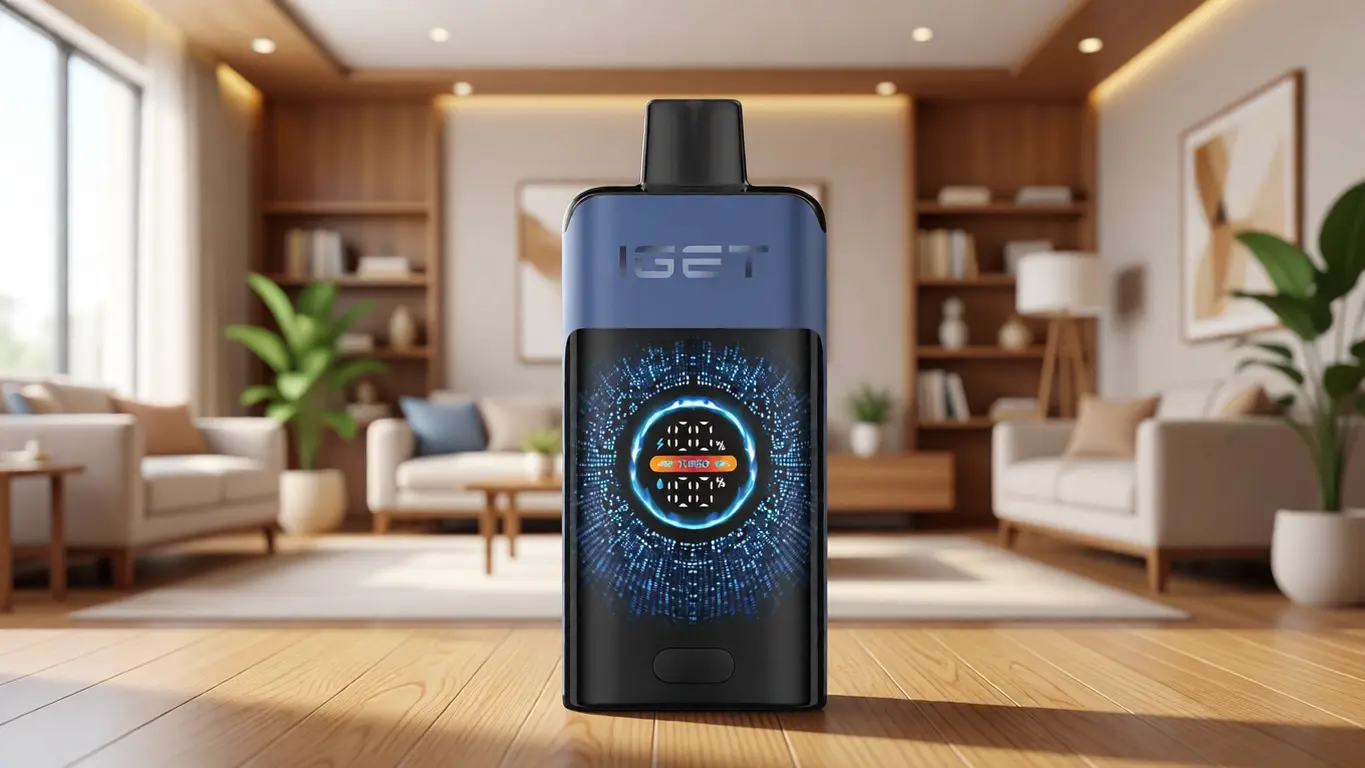
Q: Which ALIBARBAR device is best for someone who doesn’t want to recharge during the day?
A: The INGOT 15000 is purpose‑built for extended runtime. Its rechargeable cell and large consumable capacity make it suitable for users who want to leave the house in the morning and not think about power until evening.
Q: Is the Ice Adjust 12000 only for experienced users?
A: Not exclusively, but the adjustable airflow does reward users who understand their preferred draw resistance. Beginners can use it in a default setting; experienced users will find the control meaningful.
Q: How long does delivery typically take?
A: Metropolitan orders despatched on business days commonly arrive within the standard express window — often 1–3 business days. Regional and remote postcodes may add 2–5 days depending on courier routes.
Q: Can I track my order after it’s placed?
A: Yes. OZVAPE Shop provides tracking information once the consignment is scanned into the courier network, allowing real‑time visibility until delivery.
Q: What should I do if my device indicates a fault?
A: First, consult the troubleshooting guide provided with the product. If the issue persists, contact the support team with your order reference and a description of the symptom. Warranty‑eligible faults are handled through a structured claims process, not a deflection exercise.
Q: Is it safe to purchase personal electronic devices online without seeing them first?
A: It is safe when the retailer provides standardised product specifications, authentic inventory guarantees, and a clear returns policy. Blind purchasing is risky; informed purchasing from a documented channel is a different category entirely.
Q: Why choose OZVAPE Shop over a marketplace seller?
A: Factory‑certified inventory, local post‑purchase accountability, and transparent sourcing discipline reduce the variables that typically make online device purchasing unpredictable. OZVAPE Shop isn’t a platform for third‑party sellers; it’s a single, traceable channel.
Where Delivery Confidence Actually Comes From
Having a device delivered to your door is no longer remarkable. Having one delivered that performs exactly as its specifications promised, backed by a real human who will solve problems if they arise — that remains surprisingly uncommon. The difference isn’t in the courier logo on the shipping notification; it’s in the sourcing discipline and support infrastructure behind the business that sent the package.
The ALIBARBAR range illustrates what becomes possible when a manufacturer designs around genuine user frustrations — dead power cells, ambiguous status, inconsistent output — and a retailer like OZVAPE Shop closes the loop with verified inventory and accountable support. No device can be perfect for every person, and no delivery guarantee replaces reading a specification sheet carefully. But when the product matches the page, and the business stands behind what it ships, delivery stops being a gamble and becomes a routine.
The right choice isn’t the one with the most enthusiastic tagline. It’s the one that fits your actual daily pattern, arrives through a channel you can check, and comes with a name behind it that answers when called. That’s not a brand promise. It’s just what functional retail looks like.