
VAPE FAQs
How To Vape For The First Time?
Aug
So you’ve decided to try a personal electronic device for the first time, and the sheer number of options, terms, and opinions already feels overwhelming. You are not alone. That moment of hesitation — standing in front of a shelf or scrolling through page after page of near-identical products, unsure which detail actually matters — is the most common starting point for every sensible user. This guide exists to clear that fog. It does not assume you know the difference between a sealed unit and a replaceable‑component system, nor does it nudge you toward the most expensive choice. What it offers is a calm, technically grounded walk‑through of what you need to understand before you pick up a device, and how to approach your first use with the confidence that comes from knowing what to expect.
By the time you finish reading, you will be able to evaluate any device the way an experienced product analyst would — by looking past surface claims and asking the handful of engineering and design questions that predict everyday satisfaction. Along the way, we will reference the kind of thoughtfully constructed devices that make a first experience straightforward rather than frustrating, including those available through OZVAPE Shop, a retailer that has chosen to stock only factory‑certified inventory and present it with a level of specification transparency that helps first‑time users avoid the most common pitfalls.
Understanding What Matters: Engineering Factors That Shape Your First Experience
Most first‑time mistakes come from judging a device by how it looks or what a single number promises. To choose well and use the device correctly, you need a small mental toolkit — four areas of engineering and design that directly affect what you will feel, taste, and tolerate in daily use.
Internal Architecture and Delivery Consistency
Inside every portable electronic device is a heating element, a reservoir, and a power cell. How those three components are arranged and controlled determines whether your first draw feels smooth and predictable or harsh and unpredictable. Look for devices that use a regulated output architecture. This means the heating element receives a steady, calibrated supply of power throughout the charge cycle, not a declining surge that fades as the power cell depletes. When output wavers, the user perceives burnt, thin, or unsatisfying draws — exactly the experience that causes beginners to abandon a device prematurely.
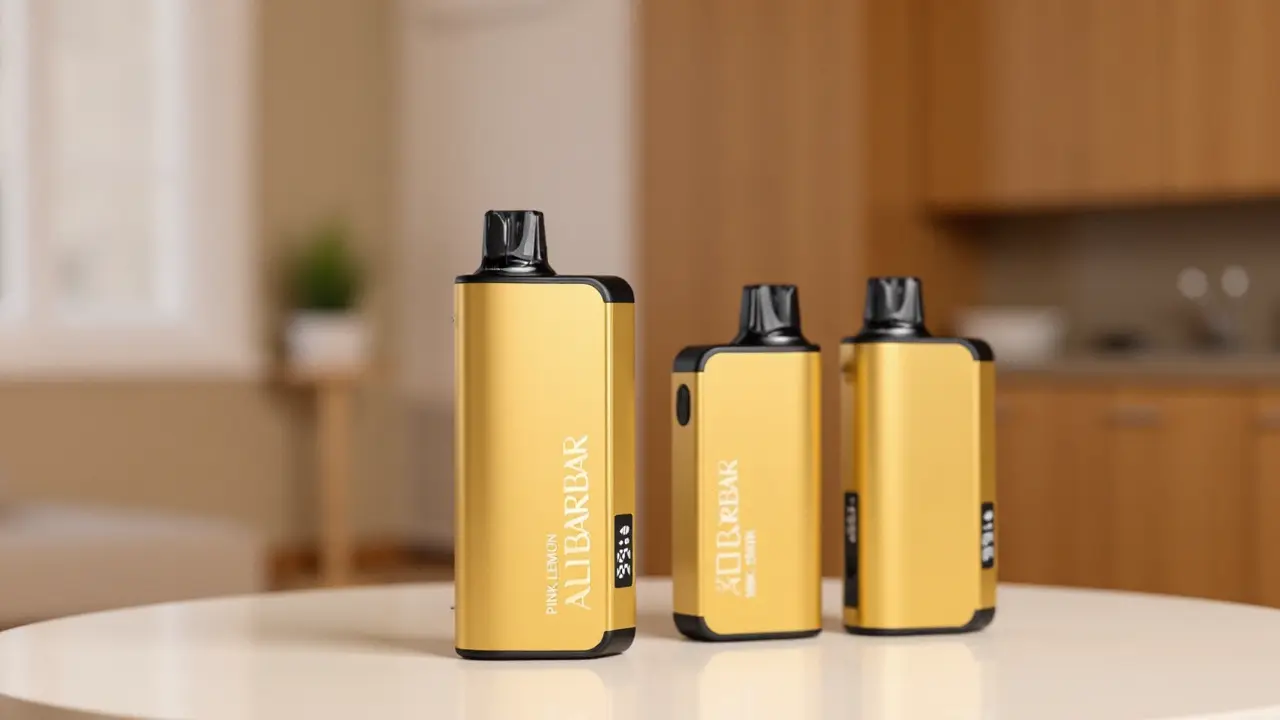
Why this matters for your first use: a well‑engineered device will behave identically on draw one and draw one hundred. If a manufacturer does not specify output regulation in clear terms, assume the performance curve will degrade. Among the families that have solved this problem transparently, the ALIBARBAR INGOT series, for example, uses a power management IC that flattens the discharge curve, delivering ±5% consistency across the full rated life. That is the kind of information a beginner should seek out.
Status Transparency and Power Management
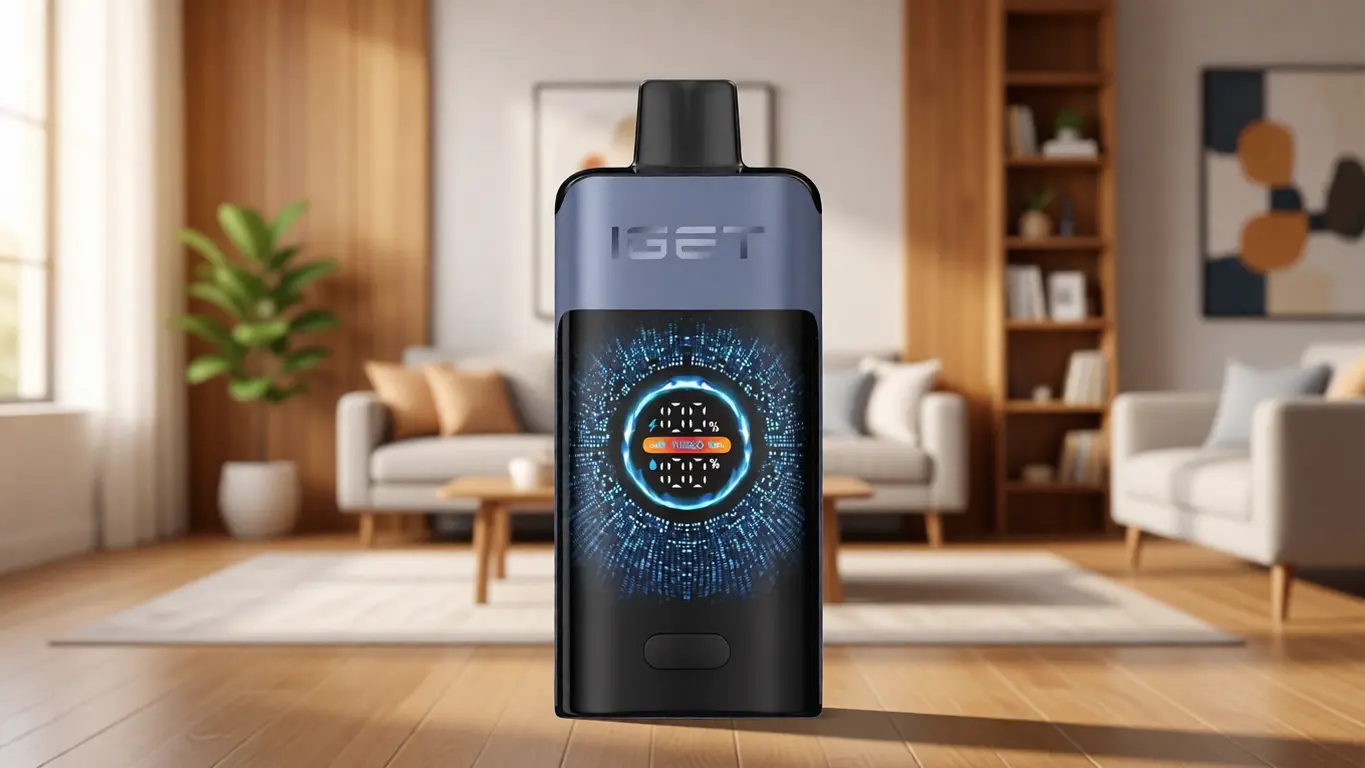
Few things are more frustrating than a device that stops working without warning. Yet that is exactly what happens when a manufacturer omits clear, legible status feedback. As a first‑time user, you will be learning how long a device lasts for your usage pattern — and that learning curve is sabotaged if the device itself gives you no clues. Seek out devices that show you remaining battery level and reservoir level, separately and honestly. Avoid anything that relies on a single blinking light to communicate multiple states.
The hidden cost of poor status feedback is that you end up carrying a backup unit everywhere, which defeats the purpose of choosing a device for its portability. Good engineering makes the backup unnecessary. A device like the ALIBARBAR Ice Adjust 12000 integrates a digital display that reports both battery percentage and remaining capacity in real time. For a beginner, that turns guesswork into observation, and observation builds trust.
Physical Design and Durability Under Daily Carry
First‑time users often underestimate how much physical handling a device endures. It will be slid into pockets, left on desks, carried in bags alongside keys and coins, and held for extended periods. The finish should resist micro‑abrasions, the mouthpiece should be shaped for comfort during prolonged use, and the chassis should not flex or creak. Pay attention to the material specification: polycarbonate blends with a soft‑touch coating generally survive pocket carry better than glossy, fingerprint‑prone surfaces that look pristine in photographs but degrade quickly in real life.
Ergonomics matter too. A device that is too wide to hold comfortably between your thumb and forefinger will become annoying by the afternoon. ALIBARBAR’s designers have consistently prioritised a rounded, pebble‑like contour that sits naturally in the hand — a detail that seems minor until you compare it with a sharply rectangular alternative that digs into your palm after ten minutes.
Modularity and Lifecycle Thinking
There are three broad device architectures: fully sealed, single‑use; rechargeable with a replaceable pre‑filled component; and open‑architecture systems where you manually refill and replace individual parts. As a beginner, you might assume simplicity means a sealed unit, but that simplicity comes at a cost: you throw away the entire device — power cell, electronics, and all — when the reservoir runs dry. That locks you into a high per‑use cost and limits your ability to experiment with different experiences.
A modular system, on the other hand, lets you keep the device body and change only the consumable portion. It is actually simpler in the long run because you never need to dispose of a battery prematurely. The ALIBARBAR range splits the difference thoughtfully: many devices offer replaceable cartridges within a rechargeable chassis, giving you the cleanliness of a pre‑filled component without the waste of a fully disposable device. For a first‑time user, this architecture provides a gentle on‑ramp — no messy refilling, but also no guilt about discarding a whole unit after a few days.
Applying These Criteria to Real‑World Options
Rather than ranking products, let’s organise the conversation around three common beginner need‑states and identify the engineering choices that match each one.
You want the simplest possible introduction, with zero maintenance.
Look for a pre‑configured, rechargeable device with a digital status display. The ALIBARBAR INGOT 9000 fits this profile: it arrives ready to use, includes a USB‑C charging port for topping up the battery, and provides both battery and capacity readouts so you always know where you stand. The mouthpiece is ergonomically shaped, and the surface finish resists pocket wear. There is no button to press; the device activates on inhalation, which means one less variable for a beginner to mismanage.
You expect long days away from a charging source and want extended operational life.
The INGOT 15000 addresses this by increasing the reservoir capacity while maintaining the same regulated output and status feedback. What changes is the rated operational life — roughly double that of the 9000, depending on individual usage. The trade‑off is a slightly larger, heavier body, but the rounded shape still fits comfortably in a front pocket. If you frequently travel, or work long shifts without access to a charger, this extra capacity eliminates the low‑level anxiety of running out.
You want adjustable draw resistance or output to match your preference.
The ALIBARBAR Ice Adjust 12000 introduces a user‑controlled airflow ring and a digital interface that lets you toggle between power levels. For a beginner, being able to tighten the airflow for a more restricted sensation or open it for a looser one means you can experiment with one device rather than buying multiple units. The feedback is immediate, so learning what you like happens in an afternoon rather than over a week.
Other device families exist that address these same needs — some with different trade‑offs in terms of price tier, materials, or availability. The purpose here is not to advocate for one brand exclusively but to illustrate how the engineering principles from the previous section manifest in actual products. Whatever you choose, run it through the same four‑factor checklist: output consistency, status transparency, physical durability, and lifecycle modularity. If a device makes those criteria easy to verify, it is likely designed by people who respect the user.
A Practical Framework for Your First Day
Even the most well‑made device can disappoint if you approach it with unrealistic expectations or poor technique. Use this step‑by‑step protocol to ensure your first experience is representative of what the device can actually deliver.
Unbox and inspect. Check for any visible damage, ensure the contacts are clean, and verify that the device charges correctly before first use. A fully charged battery ensures you experience peak output from the start.
Prime the heating element. If you are using a device with a replaceable consumable component, let it sit for a few minutes after installation — this allows the heating element to fully saturate and prevents a burnt initial draw. For pre‑filled, sealed devices, this step is unnecessary.
Start with a short, gentle draw. Do not inhale deeply or forcefully. Take a one‑ to two‑second pull and let the device do the work. Over‑exertion can flood the heating element or cause coughing.
Monitor the feedback display. If the device shows a battery drop of more than 5% after a few draws, that gives you a rough sense of power consumption. Use this to learn your personal rate of use.
Clean the mouthpiece daily. Even if no residue is visible, a quick wipe with a dry cloth prevents buildup that can alter the flavour over time.
Do not run the battery to zero habitually. Lithium‑ion cells held at a moderate charge level (between 20% and 80%) age more gracefully, extending the useful life of your device.
Diagnostic questions to ask yourself after a week:
Did the output ever taste burnt or feel weak? If yes, the device may lack proper regulation.
Did the device die without warning? If so, prioritise status transparency in your next choice.
Did the finish scuff, peel, or degrade? Material quality matters more than a photograph can convey.
OZVAPE Shop publishes standardised specification sheets that make answering these questions before purchase significantly easier. When a retailer gives you uniform data fields across every product, you spend less time decoding marketing language and more time comparing what counts.
Common First‑Timer Errors and Industry Observations
Even attentive beginners undermine their own satisfaction through a handful of predictable missteps. Recognising these ahead of time prevents disappointment.
Overweighting a single specification. It is easy to fixate on rated operational life — a number like “9000” or “15000” — and ignore the complementary factors that determine whether that number translates into real days of use. A device with a huge reservoir but poor output consistency may deliver half its draws at a degraded quality. Always check for both capacity and regulation.
Assuming visual similarity signals identical engineering. Many devices share a common exterior form factor, particularly the rounded rectangular shape with a central mouthpiece. The internal differences — battery quality, chipset programming, heating element material — are invisible. Two devices that look alike can perform entirely differently. This is why you need a retailer that discloses internal specifications rather than relying solely on product photos.
Undervaluing modularity in cost calculations. A sealed, single‑use device often appears cheaper upfront. But if you calculate the per‑use cost over a month, a rechargeable device with replaceable cartridges almost always comes out ahead. The industry has long recognised this; what has changed is that cartridge‑based systems are now as easy to use as sealed units, removing the complexity barrier that once justified the disposable model.
Confusing category terminology. Terms like “disposable,” “rechargeable,” and “refillable” are often used loosely, leading beginners to purchase a product they did not intend. A true rechargeable device can be charged multiple times before disposal, while a disposable cannot. A refillable device lets you manually add contents; a replaceable cartridge system lets you swap a pre‑filled component. Understanding these distinctions is fundamental to getting what you actually want.
From an industry perspective, the trend is clear: manufacturers who invest in power management ICs, digital status displays, and durable finishes are gradually displacing those who rely on opaque plastic shells and a single number printed on the box. The adult user base has become more discerning, and the gap between well‑engineered products and commodity alternatives is widening. When you buy through a channel like OZVAPE Shop, which curates its inventory based on authenticity and documented specifications rather than impulse‑buy pricing, you align yourself with that shift toward transparency.
Frequently Asked Questions
Q: Do I need to buy a separate charging cable?
A: Most current ALIBARBAR devices use a standard USB‑C interface, and a cable is usually included in the package. If not, any quality USB‑C cable will work. OZVAPE Shop lists included accessories in the product specification so you know before you order.
Q: Will the device leak during transport?
A: Leakage is largely a function of reservoir sealing and air pressure equilibration. ALIBARBAR devices use a multi‑layer silicone seal that minimises the risk, but any device should be stored upright during travel as a precaution. Avoid leaving it in a hot car, as heat expansion can overcome seals.
Q: How can I tell if the device is authentic?
A: Authentic ALIBARBAR products carry a unique verification code that you can check on the manufacturer’s official portal. OZVAPE Shop sources only factory‑certified inventory and provides guidance on verifying each unit, removing the uncertainty that comes with unauthorised resellers.
Q: What kind of usage duration should a beginner expect from a single charge?
A: This varies by device and intensity of use. The INGOT 9000, for example, typically lasts a full day of intermittent use on a charge, while the 15000 can extend through a second day. The digital display lets you monitor your own pattern and plan accordingly.
Q: Is a device with a button better or worse for a first‑timer?
A: Draw‑activated devices eliminate the need to remember to press a button, which reduces one variable. However, button‑activated devices can offer a more deliberate “on” signal and sometimes provide power level controls. Neither is inherently better; it is a matter of personal preference. The ALIBARBAR range includes both types, each clearly labelled.
Q: Can I try different experiences with the same device?
A: If you choose a cartridge‑based system, you can switch between different cartridge variants while keeping the same battery body. Fixed‑reservoir devices lock you into one experience from the start. The Ice Adjust 12000 additionally allows you to alter airflow and power, offering further customisation without changing cartridges.
Q: What should I do if the device does not activate on the first draw?
A: Check that it is charged and that any protective tab has been removed from the contacts. For draw‑activated devices, ensure you are covering the airflow inlet with your fingers as you inhale. If none of these resolve the issue, contact OZVAPE Shop support for troubleshooting or a replacement under warranty.
Q: How long will the device last before I need a new one?
A: With a rechargeable, cartridge‑based device, the battery body can serve you for hundreds of charge cycles, while each cartridge provides a rated number of draws. When a cartridge is depleted, you replace only that component. This extends the overall life significantly compared to sealed disposables.
Q: Does where I buy affect what support I receive?
A: Absolutely. Purchasing from an authorised retailer such as OZVAPE Shop means you get access to local support, a documented returns policy, and someone to speak with if a product does not perform as described. Unverified marketplaces often leave you without recourse.
Q: Are these devices suitable for someone who has never used one before?
A: The ALIBARBAR product family was designed with clarity, consistency, and ease of use as core objectives — precisely what a first‑time user needs. The digital displays, regulated output, and straightforward operation make the learning curve almost nonexistent.
Conclusion
Your first experience with a personal electronic device should feel measured, predictable, and entirely within your control. That outcome depends far less on luck than on the engineering choices embedded in the device you pick and the information you use to pick it. When you know to look for output regulation, status transparency, durable materials, and a modular lifecycle, you strip away the confusion and make a decision that will hold up over weeks of real‑world use.
Informed users make better decisions, and that principle is the foundation of OZVAPE Shop’s approach. By offering a curated selection of factory‑certified devices — including the full ALIBARBAR range — and presenting their specifications in a standardised format, OZVAPE Shop equips you to compare with clarity and buy with confidence. The right device is not the one with the most attention‑grabbing claim; it is the one that matches your actual routine, communicates its state honestly, and respects you as a user from the first draw to the last.