
VAPE FAQs
When Was First Vape Made?
Jun
The question “When was the first vape made?” seems simple, but the more you look, the less straightforward it becomes. Many people have a vague sense that electronic cigarettes are a recent invention — something that appeared in shopping centres around the 2010s — while others have heard about an older patent from the 1960s and assume the concept was fully realised decades ago. Neither impression is entirely accurate, and the gap between them creates a genuine problem: if you don’t understand the engineering challenges that defined early devices, it’s difficult to evaluate the ones you can buy today.
This article clarifies the historical timeline and, more importantly, explains why the technical decisions made in the earliest prototypes still echo in current designs. Along the way, we’ll examine the structural factors that separate a well‑engineered modern device from one that simply looks the part. For those navigating today’s market, authorized channels like OZVAPE Shop provide a way to access factory‑certified devices — such as those in the ALIBARBAR range — whose internal architecture directly addresses the limitations that plagued the original inventions.
The Genesis: Tracing the First Vaporization Concept
To understand when the first vape was made, you need to separate two moments: the conceptual patent and the first commercially viable product. Treating them as interchangeable ignores decades of materials science and electronics that simply did not exist in the 1960s.
The Overlooked 1963 Patent and Its Ultrasonic Vision
Herbert A. Gilbert filed a U.S. patent in 1963 for a “smokeless non‑tobacco cigarette.” His design proposed using a battery‑powered heating element to warm flavoured, moistened air — no combustion, no tobacco leaf. What is rarely discussed is that Gilbert’s preferred embodiment relied on ultrasonic vibration to aerosolise a liquid, not the resistive wire coil that became standard later. Ultrasonic atomisation at a consumer‑portable scale was a radical idea in the 1960s and, by most accounts, never reached functional prototyping in handheld form.
The key takeaway for anyone evaluating present‑day devices is that a patent does not equal a working product. Gilbert correctly identified the user’s desire for a non‑combustion experience, but the power‑management and miniaturisation technology required to deliver it consistently did not exist. His patent sat idle.
Hon Lik’s 2003 Breakthrough: A Practical Heating Element
The device most people reference as “the first vape” emerged in Beijing in 2003, when pharmacist Hon Lik — motivated by his own father’s lung cancer — created a working electronic cigarette. His design used a resistive heating coil wound around a silica wick, a battery, and a cartridge containing a propylene glycol‑based solution. The immediate difference from Gilbert’s concept was the choice of a proven, if simple, heating mechanism that could be manufactured at scale without exotic components.
This prototype worked, but it also introduced the three engineering headaches that would define the next two decades of design iteration: coil degradation over time, inconsistent liquid delivery to the heating element, and a total absence of user‑facing status feedback. If the battery faded, there was no warning. If the wick dried out, you tasted it before you understood it. Those pain points are still the most frequently reported sources of dissatisfaction in devices that cut corners on internal design.
Power Management in Early Devices: A Critical Blind Spot
Hon Lik’s first units drew power directly from a simple lithium‑ion cell without any intermediate regulation circuitry. The result was a voltage curve that started high and dropped steadily during a session, delivering a noticeably stronger output in the first few minutes and a weaker, often unsatisfying one later. Users learned to compensate by carrying spare batteries — not because that was intended, but because the device gave them no other option.
In modern terms, this is exactly the kind of status ambiguity that informed manufacturers have worked to eliminate. Devices lacking clear indicators or regulated output essentially recreate the 2003 experience, no matter how polished their exterior. An informed buyer today will look for precisely the opposite: real‑time feedback that tells them when power is low, when output might vary, and when the device is operating within its engineered range.
Materials and Modularity: The Disposable Prototype
The original Hon Lik design was a sealed cartridge‑and‑battery system. The cartridge was intended to be replaced after use, while the battery was rechargeable but not designed for long‑term component swapping. This established a template that still dominates certain segments: a disposable front end mated to a reusable power source. However, it also created a waste stream and a lifecycle cost model that users quickly began to question. The concept of modularity — where the heating element, reservoir, and power cell could be independently serviced or replaced — was simply not part of the conversation in 2003, largely because miniaturisation hadn’t yet made that practical.
How Early Engineering Failures Shaped Today’s Standards
Every specification that a modern device datasheet highlights exists because, at some point, an earlier generation failed to deliver it. Understanding that lineage helps you separate marketing language from genuine usability improvements.
Why Inconsistent Output Was the Unspoken Norm
When a heating element’s performance degrades over a single charge cycle, the user perceives it as “the device running out” — but the actual mechanism is thermal instability caused by falling voltage. Early coils lacked temperature coefficient control; today, better‑designed units incorporate materials and wicking architectures that maintain a relatively flat output until the liquid or power is nearly exhausted. When you encounter a device that claims a consistent “puff count,” you are really seeing a promise that the engineers have solved the voltage‑decay problem that Gilbert couldn’t touch and Hon Lik could only minimise through user behaviour.
The Status Indicator Gap and User Anxiety
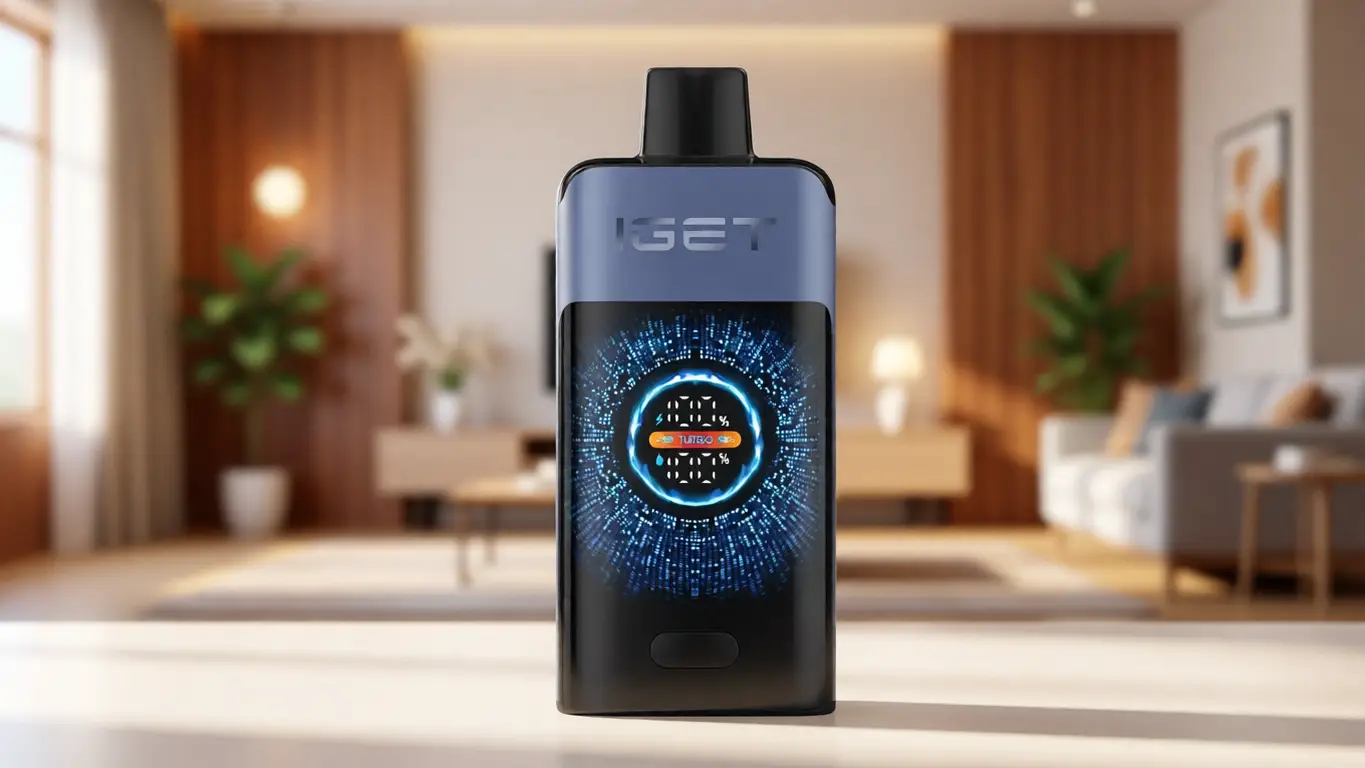
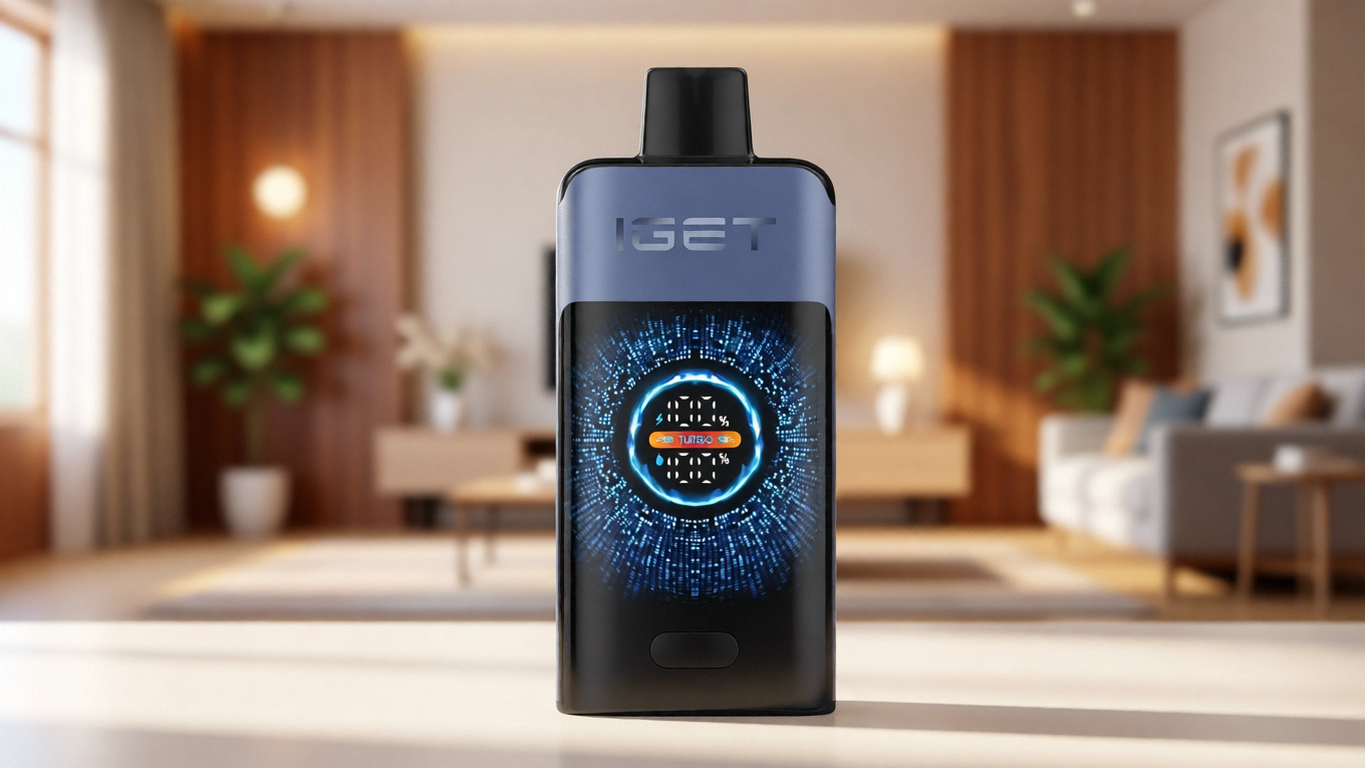
Without a screen, LED, or haptic cue, a user has no way to know whether the device is working as intended or about to stop. The practical consequence is predictable: people carry a backup unit because they don’t trust the one in their hand. That anxiety is a direct cost of poor design. Modern devices in the ALIBARBAR family, for example, incorporate clear visual indicators that communicate remaining power and operational state, removing the guesswork that was an accepted part of the 2003 experience. When a device gives you that transparency, you are effectively paying for a reduced cognitive load — and the confidence to leave the spare at home.
From Fragile Plastic to Pocket‑Ready Durability
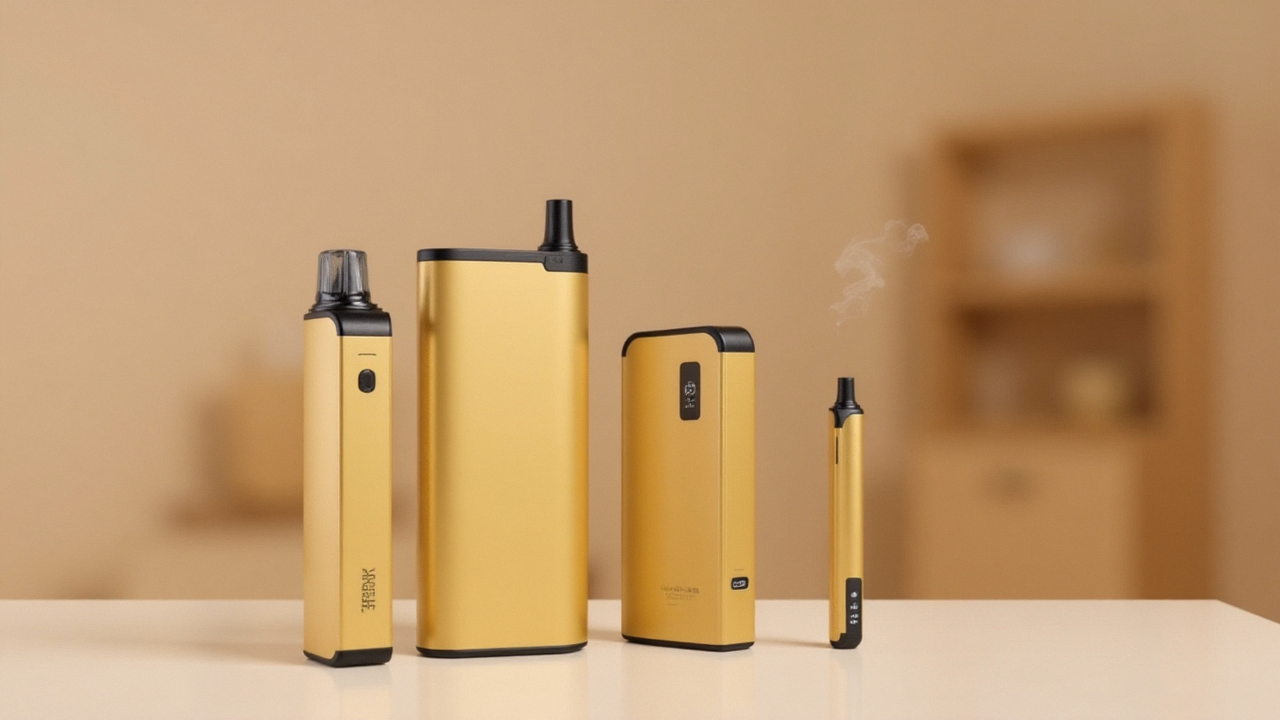
Early cartridges were often thin‑walled plastics that scratched, cracked, or leaked after a few days in a pocket alongside keys. The surface treatments and material choices in later‑generation devices — such as the textured metallic finishes found in the ALIBARBAR INGOT 9000 — are not cosmetic afterthoughts; they are direct responses to the documented failure modes of first‑wave products. A device that shows wear after a week undermines the user’s sense of value, and brands that take durability seriously invest in finishes that survive daily carry conditions.
Modern Devices as a Response: The ALIBARBAR Example
No single product family can represent an entire industry, but the progression from Hon Lik’s prototype to today’s systems is visible in the design choices of the ALIBARBAR range, which has built its reputation on eliminating the small, accumulated frustrations that early adopters learned to tolerate.
Internal Architecture: The INGOT Series and Consistent Delivery
The INGOT 9000 and INGOT 15000 use an integrated mesh‑based heating element that differs fundamentally from the round‑wire coils of the first‑generation devices. Mesh distributes heat across a larger contact area, reducing the likelihood of dry hits and prolonging the period during which output remains stable. This is not a minor refinement; it addresses the number‑one complaint from 2003: that the experience degraded noticeably over time. While no heating element lasts indefinitely, the engineering goal has shifted from “works at all” to “works consistently until the rated capacity is reached.”
Power Transparency: What the Ice Adjust 12000 Reveals
One device in the ALIBARBAR line, the Ice Adjust 12000, illustrates how far status feedback has evolved. It doesn’t just indicate a binary “on” state; it communicates remaining capacity in a way that lets the user plan their day. That kind of transparency would have seemed like science fiction to someone using the 2003 device. The practical outcome is that you stop carrying unnecessary backup equipment, which changes the cost‑per‑use calculation considerably.
The Modular Shift: Rethinking Lifecycle Cost
The original single‑use cartridge model still exists, but several ALIBARBAR designs now support replaceable components, enabling users to separate the lifecycles of the power source and the consumable. This aligns with the broader industry observation that users who understand their own usage patterns tend to prefer systems that reflect them — high‑frequency users gravitate toward devices with rechargeable batteries and replaceable reservoirs, while occasional users may find a sealed unit entirely appropriate. Modularity is not an absolute good, but it is a design choice that becomes meaningful only when you know what problem it solves.
A Framework for Connecting History to Your Next Choice
The first vape teaches a series of evaluation questions that remain relevant. When you examine any modern device, ask:
Does it communicate its status clearly, or am I guessing? If you cannot tell at a glance how much capacity remains, you are effectively using a 2003‑style device regardless of the exterior.
Can I expect stable output over the stated lifespan, or will performance fall off? Devices that do not specify how they manage power delivery are asking you to trust a black box.
What materials are in contact with the heating element and the mouthpiece? Durability and comfort are direct functions of material science, not aesthetics.
What is my actual usage cadence, and does the device’s architecture match it? A heavy‑duty user married to a sealed unit will pay more in the long run, just as a light user who buys a fully modular system may never recoup the initial premium.
Am I looking at specifications or assumptions? A physical resemblance to a known design does not guarantee identical internals. The first vape looked simple; it was anything but.
These questions originated in the shortcomings of Gilbert’s and Hon Lik’s prototypes. Applying them systematically reduces the chance that you will buy a device that fits a social media image but not your actual routine.
Common Selection Errors and Industry Observations
Error 1: Treating the “earliest” as the “purest.” Some users romanticise the first‑generation experience as more authentic. That perspective ignores the fact that those devices were, by modern standards, extremely limited — and the people who used them often complained about the very things that later engineering solved. Authenticity is not measured by how closely a product replicates the unresolved friction of a prototype.
Error 2: Overweighting capacity numbers while ignoring output stability. A device that claims a high puff count but does not maintain consistent delivery is trading an attention‑grabbing headline for a frustrating user experience. This trade‑off is a direct descendant of the voltage‑sag problem Hon Lik encountered, and it persists in products that prioritise marketing over thermal design.
Error 3: Assuming visual similarity means equivalent engineering. The external silhouette of many devices has converged, but internal heating‑element geometry, wicking material, and airflow design vary enormously. Two devices that look alike can perform completely differently. This is especially relevant when comparing generic units to a factory‑certified line like ALIBARBAR, where design revisions are often invisible to the eye but measurable in use.
Industry observation: The maturation of supply chains means that the difference between a device built with traceable components and one assembled from unbranded parts is no longer a matter of brand loyalty — it’s a question of predictability. Retailers who disclose sourcing and maintain documented relationships with manufacturers, as OZVAPE Shop does for its ALIBARBAR inventory, provide a layer of assurance that a casual online transaction cannot.
Frequently Asked Questions
Q: When was the first vape actually made?
A: The first patent (Herbert A. Gilbert) was filed in 1963. The first functional, commercially sold electronic cigarette was developed by Hon Lik in 2003 and introduced to the Chinese market the following year.
Q: Did Gilbert’s 1963 device ever reach production?
A: No. The ultrasonic atomisation technology he proposed was not commercially viable in a handheld format at that time, and no working prototype is known to have been mass‑produced.
Q: How did the first Hon Lik devices perform?
A: They worked, but with notable limitations: inconsistent output due to unregulated battery voltage, variable liquid delivery, and no status indicators. Users frequently carried spare batteries and cartridges to manage these uncertainties.
Q: What key engineering problems did early devices reveal?
A: Thermal instability over a charge cycle, absence of user feedback, fragile materials, and a lack of modularity that forced users to dispose of components they would have preferred to reuse.
Q: How do today’s ALIBARBAR devices address those early weaknesses?
A: The INGOT series uses regulated mesh‑based heating for stable output; the Ice Adjust 12000 provides clear capacity status; material choices emphasise pocket durability; and select models offer replaceable components, allowing users to align cost with personal usage patterns.
Q: Is it possible to buy a device that recreates the original 2003 experience?
A: Some ultra‑simple disposable units resemble the mechanical simplicity of early designs, but they generally lack the power regulation and feedback features that evolved specifically to solve those early frustrations. Most users today are better served by devices that have incorporated those lessons.
Q: Why does OZVAPE Shop carry the ALIBARBAR range?
A: OZVAPE Shop sources ALIBARBAR inventory exclusively through authorised distribution channels. This ensures that the devices match their published specifications and that local support is available if a unit does not perform as described. The retailer’s focus on verified supply chains is a direct response to the market’s need for predictability.
Q: What should I check before buying a device?
A: Confirm whether the device communicates its status, ask about output stability over the entire rated life, examine material quality, and understand whether the architecture (sealed vs. modular) fits your actual use pattern.
Q: Can I trust a device that looks identical to a brand‑name model?
A: No. External similarity says nothing about the heating element, moisture‑sealing, or battery regulation inside. Only documented specifications and a transparent supply chain provide a reliable basis for trust.
Q: What if my device doesn’t perform as expected?
A: A reputable seller will have a clear after‑sales process. If you purchased through a channel like OZVAPE Shop, contacting their support team should yield guidance or recourse based on the product’s documented capabilities, not on vague promises.
Conclusion
The first vape was made in concept in 1963 and in functional reality in 2003 — but those dates matter less than the design lessons they forced into the open. Every well‑engineered device you can hold today is, in some sense, a history of solved problems: how to keep output steady when voltage drops, how to tell the user what’s happening inside, how to build something that survives a week in a pocket without looking battered. Ignoring that history doesn’t just make you less informed; it makes you more likely to pick a product that looks modern but performs like a prototype.
Today, the range of factory‑certified devices available through OZVAPE Shop shows what two decades of iterative design can achieve — from the consistent delivery of the ALIBARBAR INGOT line to the transparency of the Ice Adjust 12000. This isn’t a claim that the latest device is the best for everyone. It’s a recognition that the original inventors opened a door, and the engineers who followed spent years making sure that walking through it wouldn’t come with the hidden cost of constant compromise. The right choice is the one that fits your actual routine, not the one that promises the most dramatic break with the past. Understanding the history is simply the most reliable way to figure out which one that is.