
VAPE FAQs
Do Hotel Rooms Detect Vape Smoke?
Jun
Introduction
For adult travelers who use portable electronic devices, few anxieties match the fear of triggering a hotel room alarm—and facing steep fees or immediate eviction as a result. The ambiguity around whether vape smoke can be detected often leads to guesswork: some assume the lack of strong odor means they’re safe, while others avoid vaping entirely to avoid trouble. As a senior product analyst at OZVAPE Shop (opens in new window), a retailer focused on transparent education for adult electronic device users, I’ve fielded hundreds of questions from travelers navigating this exact dilemma. This article breaks down how hotel detection systems work, which ones can pick up vape, and what practical steps users can take to minimize risk—rooted in technical data and real-world industry observations.
How Hotel Detection Systems Work
Hotel properties rely on a mix of technologies to monitor for smoke, fire, and unauthorized activities. Not all systems are equal in their ability to detect vape, so understanding their mechanisms is critical to avoiding unintended alerts.
Traditional Smoke Alarms (Photoelectric vs. Ionization)
Photoelectric alarms work by detecting airborne particles scattered by smoke. Because vape produces fine particulate matter (even with low-cloud devices), these alarms can trigger if enough particles accumulate in the air—especially during prolonged sessions or in poorly ventilated rooms. Ionization alarms, by contrast, are designed to detect fast-burning fires with small particles, making them less likely to respond to vape smoke unless clouds are extremely dense. Most modern hotels now use photoelectric alarms due to their better performance in detecting smoldering fires, which also makes them more sensitive to vape.
Advanced Air Quality Sensors
Higher-end hotels and luxury properties increasingly deploy multi-sensor systems that monitor volatile organic compounds (VOCs), carbon dioxide (CO₂), and particulate matter. Vape fluids contain propylene glycol (PG) and vegetable glycerin (VG)—both classified as VOCs—along with flavorings that can add additional chemical compounds. These sensors are calibrated to detect abnormal spikes in air quality, which vape sessions can easily trigger, even without visible clouds.
Heat and Video Sensors
Heat sensors, designed to detect rapid temperature increases from fires, are unlikely to pick up vape smoke since it operates at low temperatures. Video surveillance, while common in public areas like hallways or lobbies, is almost never installed in private hotel rooms due to privacy regulations. However, some hotels may use motion sensors to alert staff to unusual activity, though this doesn’t directly detect vape.
Variables That Affect Detection Risk
Detectability isn’t just about the hotel’s technology—it also depends on user behavior and device characteristics.
Device Type and Output
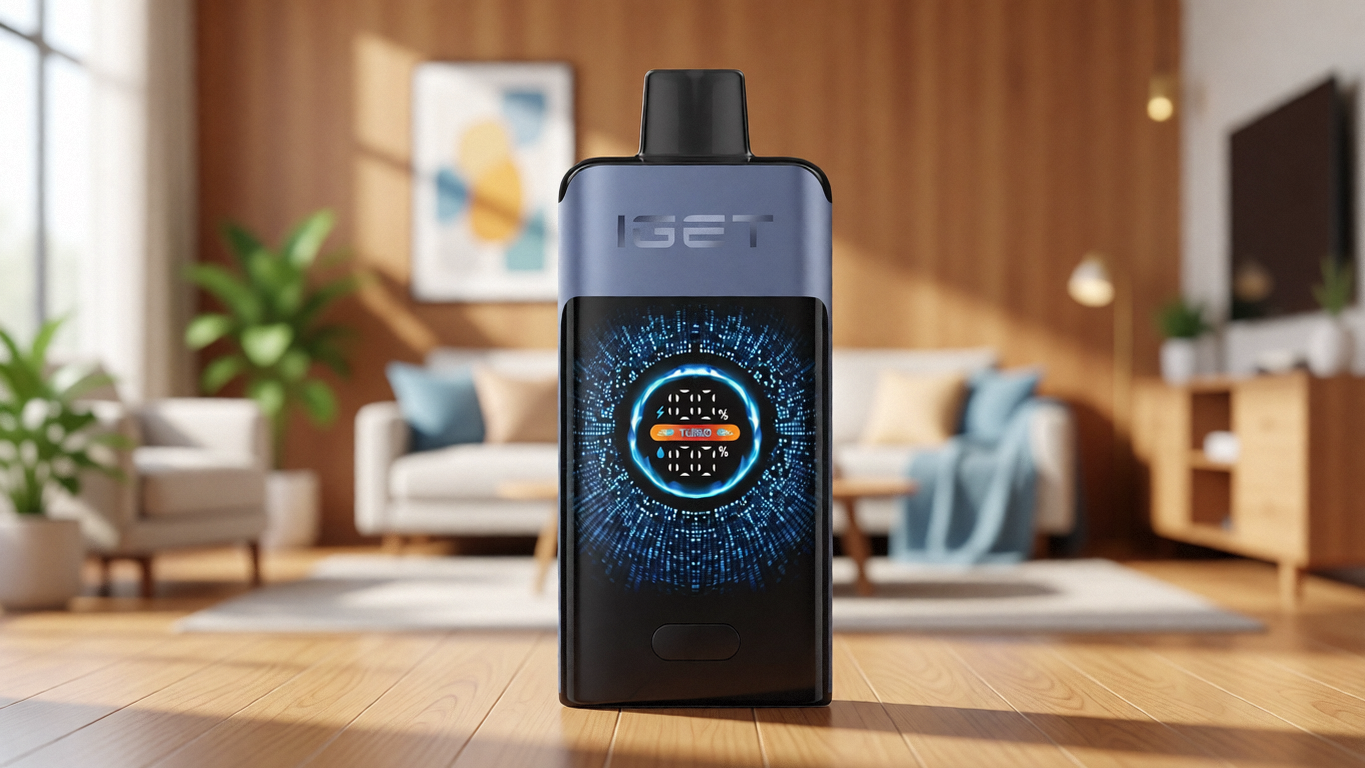
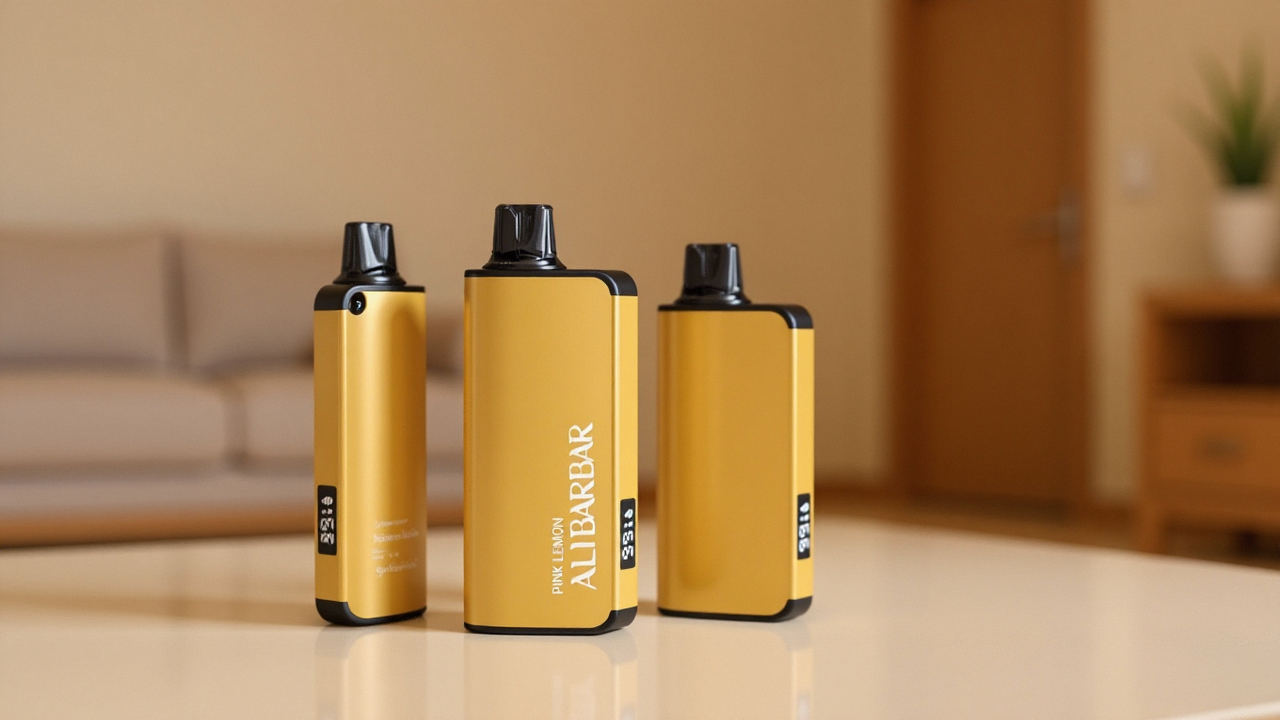
High-powered mods with adjustable wattage produce larger clouds with higher particulate density, increasing the chance of triggering sensors. Pod systems and closed-loop devices, by contrast, generate smaller clouds and lower levels of airborne particles, reducing detection risk significantly.
Room Ventilation
A well-ventilated room (open window, running bathroom exhaust fan) can disperse vape particles and VOCs before they reach detection thresholds. However, even with ventilation, prolonged or frequent vaping sessions can still accumulate enough particles to trigger sensitive sensors over time.
Vape Juice Composition
Juices with higher propylene glycol (PG) content produce more visible clouds and release more VOCs than vegetable glycerin (VG)-dominant juices. Additionally, juices with added flavorings or sweeteners may introduce extra chemical compounds that are more easily detected by air quality sensors.
Hotel System Calibration
Budget hotels may use older, less sensitive sensors, while luxury properties often invest in calibrated systems that can detect even subtle changes in air quality. Some hotels also adjust sensor sensitivity based on local fire codes or past incidents of false alarms.
Common Misconceptions and User Errors
Many travelers unknowingly increase their risk by relying on outdated assumptions:
“Vape is odorless, so it won’t be detected”: Odor has no direct correlation with detectability. Sensors pick up particles and VOCs, not smell—even odorless vape can trigger alerts if enough particles accumulate.
“Bathroom exhaust will eliminate all traces”: Exhaust fans reduce risk but don’t guarantee complete removal of particles or VOCs. Small, enclosed bathrooms can trap enough residue to trigger sensors if vaping sessions are prolonged.
“Only large clouds trigger alarms”: Even small, frequent puffs over a few hours can build up enough particulate matter to set off photoelectric alarms or air quality sensors.
“Hotel staff won’t follow up on alerts”: Most automated systems send immediate notifications to hotel security or front desk staff, who are required to investigate every alarm to comply with fire safety regulations.
Practical Steps to Minimize Detection Risk
For travelers who choose to vape in their hotel rooms, these evidence-based steps can reduce the chance of triggering alerts:
Opt for low-output devices: Pod systems or closed-loop units produce smaller clouds and lower levels of detectable particles.
Use VG-dominant juices: These produce fewer VOCs and less visible cloud compared to PG-dominant formulations.
Vape near ventilation: Position yourself near an open window or running bathroom exhaust fan to disperse particles quickly.
Limit session duration: Avoid prolonged vaping; take short breaks to allow air to clear between puffs.
Check hotel policies first: Some hotels designate specific rooms or floors as vaping-friendly. Always review the official policy before booking to avoid penalties.
Frequently Asked Questions
Q: Do all hotel smoke alarms detect vape?
A: No. Ionization alarms are less likely to detect vape, while photoelectric alarms and advanced air quality sensors often do, depending on their sensitivity.
Q: Can hotels charge me for triggering a vape-related alarm?
A: Yes. Most hotels impose fees for unauthorized smoking/vaping or false alarms, ranging from $100 to $500 or more, to cover staff response and system reset costs.
Q: Is vaping in hotel bathrooms safer than the main room?
A: Bathrooms with exhaust fans reduce detection risk, but sensors may still pick up particles or VOCs if the fan isn’t powerful enough or the session is prolonged.
Q: Do smoke detectors differentiate between vape smoke and tobacco smoke?
A: Most standard detectors don’t—they respond to particles or heat, not the type of smoke. Advanced sensors may detect specific VOCs linked to tobacco, but vape can still trigger them.
Q: What should I do if I accidentally trigger an alarm?
A: Notify hotel staff immediately, explain the situation honestly, and cooperate with their investigation to minimize penalties. Hiding the issue can lead to more severe consequences.
Q: Are there hotels that allow vaping in rooms?
A: Some hotels designate specific rooms or floors as vaping-friendly. Always confirm the policy directly with the hotel before booking, as third-party booking sites may not list this detail.
Q: Can air purifiers help reduce detection risk?
A: High-quality HEPA air purifiers can filter out particulate matter and some VOCs, reducing the chance of triggering sensors. However, they aren’t guaranteed to eliminate all traces, especially in small rooms.
Q: Do hotels use portable detectors to check for vape residue?
A: Some hotels use handheld portable detectors during post-stay inspections to check for smoke or vape residue, which can lead to cleaning fees if detected.
Conclusion
The key takeaway is that hotel detection of vape smoke depends on a mix of technology, device choice, and user behavior. There’s no universal “safe” way to vape in a hotel room, but understanding how systems work and taking proactive steps can significantly reduce risk. Informed decisions are the best defense against unintended penalties—and resources like OZVAPE Shop (opens in new window) provide adult users with the technical knowledge and product guidance needed to navigate travel with confidence. Ultimately, the safest choice is to align your behavior with the hotel’s stated policy, ensuring a hassle-free stay.