
VAPE FAQs
When I Vape I Feel Something In My Throat?
Jun
When a portable electronic device produces an unexpected sensation in the throat, the response is rarely random. It follows from a set of engineering and material choices that users can learn to evaluate — and, increasingly, to control.
This article unpacks exactly why that throat sensation occurs, mapping it to specific design factors inside the device itself, the medium it transforms, and the way the two interact during use. Whether the sensation feels like a sharp scratch, a persistent dryness, or simply a sharper presence than expected, understanding the root cause puts the user back in charge. At OZVAPE Shop, where the ALIBARBAR collection is available through a factory‑certified supply chain, the relationship between device architecture and user comfort is taken seriously — not as a sales argument, but as an engineering commitment worth examining.
Understanding What Shapes the Throat Sensation: Core Engineering and Design Factors
A throat sensation is the result of several variables working together. When an device is well‑designed, those variables stay within a predictable window that the user can anticipate and, in many cases, adjust. When they drift — because of inconsistent power delivery, a heating element that runs too hot, or an airway that creates turbulence — the sensation becomes unpredictable and often unpleasant.
Internal Architecture and Thermal Stability
At the centre of any device is the heating element, and its design determines how consistently the medium is transformed into an inhalable aerosol. A simple wire coil that heats unevenly can produce sudden temperature spikes; the first moment of activation feels harsh because the coil overshoots the intended range before settling. More refined assemblies — mesh elements, for instance, which spread heat across a larger, more uniform surface — reduce those hot spots and produce a smoother, cooler aerosol from the very first draw.
Why this matters: users who report a sharp, almost peppery sensation at the back of the throat are frequently describing the effect of thermal inconsistency. It is a hardware problem, not an inevitable property of the medium. Devices that maintain a stable temperature curve, particularly those with calibrated resistance materials, consistently produce a gentler throat feel. When the sensation varies from draw to draw even though the consumable hasn’t changed, the heating architecture is the first place to look.
Power Management and Output Stability
The power source of any portable electronic device isn’t just a battery — it’s a delivery system that must regulate voltage without sagging under load. A poorly calibrated circuit may deliver a brief surge at the beginning of activation, then drop off, then spike again as the user continues. This wavering translates directly into inconsistent aerosol density and temperature. The user experiences it as roughness that appears and disappears unpredictably.
Devices with intelligent power management, like those in the ALIBARBAR INGOT series, employ discharge curves designed to hold a steady output from the first activation until the unit is depleted. Consistent output removes one of the hidden causes of throat irritation: the invisible power surge that the user can’t see but can certainly feel. Without that stability, the only practical way to avoid discomfort is to carry a backup device — an unnecessary burden that good engineering eliminates.
Airflow Tuning and Physical Design
The physical route the aerosol travels from the heating chamber to the user’s throat shapes the sensation almost as much as the temperature does. A short, narrow airway with a fixed opening concentrates the vapor stream, intensifying the perceived hit. A longer, well‑shaped mouthpiece with adjustable inlet vents lets the user dial in their preferred draw resistance and dilute the aerosol with cooler ambient air.
ALIBARBAR’s Ice Adjust 12000 takes this principle further: an external airflow control ring physically alters the size of the inlet, offering a spectrum from restricted, flavour‑forward draws to open, airy ones. This isn’t a gimmick; it’s a direct way to manage throat feel — a tighter draw creates a denser, warmer aerosol and a more pronounced sensation, while a looser draw cools and smooths it. Mouthpiece contour matters too. A flared, ergonomic tip that seals comfortably against the lips reduces turbulence at the point of entry, minimising the scratchiness that can result from an awkward seal.
Modularity and the Role of the Consumable
In a sealed, pre‑configured device, the user cannot alter the medium inside — the manufacturer has chosen a specific formulation. That places a premium on the brand’s formulation standards and quality control. In devices where the consumable can be refreshed or replaced, the user gains the ability to switch to a different viscosity or strength profile, which is a separate but powerful lever for adjusting throat feel.
Some adult users migrate to refillable systems precisely because they can experiment with varying PG/VG ratios (the two base carrier fluids) and active ingredient concentrations. A higher proportion of propylene glycol (PG) tends to carry a sharper, more pronounced throat presence, while vegetable glycerin (VG) yields a milder, fuller aerosol. Beyond the consumable, however, the device’s architecture remains the foundational determinant. A device with unstable heating will cause harshness regardless of what is put inside it.
Applying These Criteria to Real‑World Options
No single device is ideal for every throat preference, but some design families are demonstrably engineered to reduce unwanted harshness and give the user more control. The ALIBARBAR range is a useful reference because it spans different use profiles while adhering to a common set of stability‑first engineering principles.
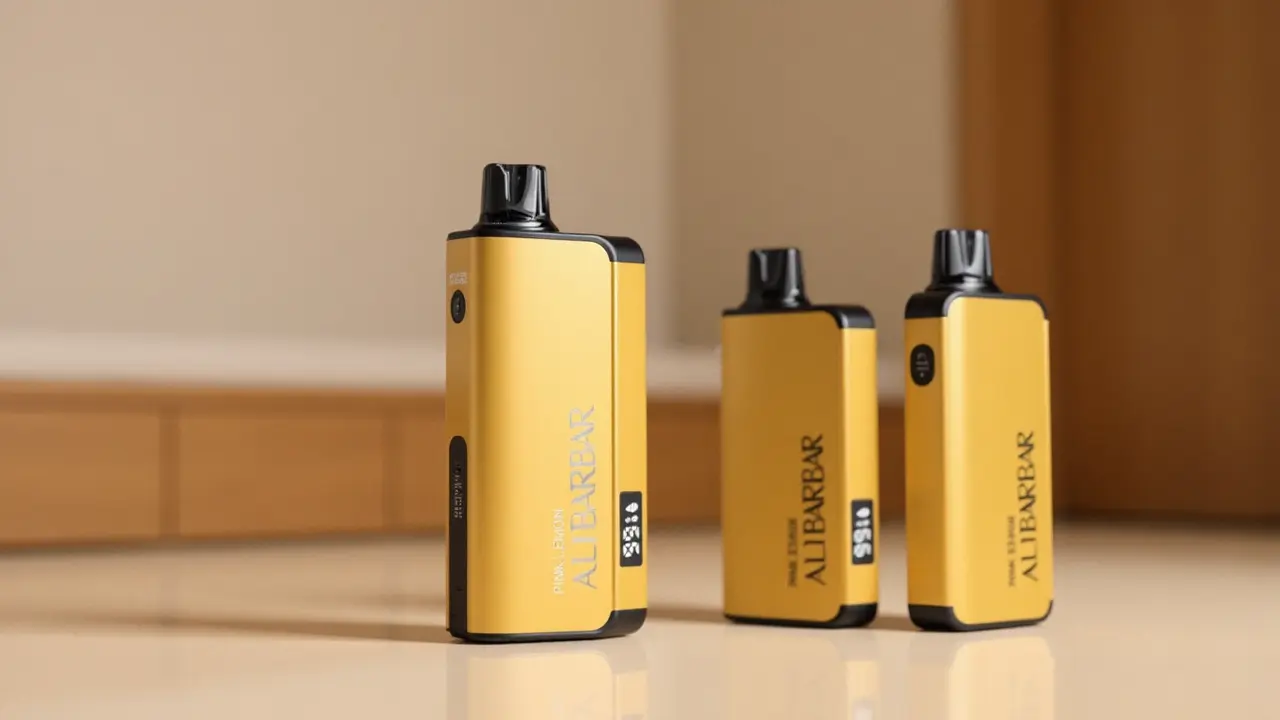
ALIBARBAR INGOT 9000 and 15000: These sealed units are built around a mesh‑type heating element that spreads energy evenly across a broad surface. The result is a cooler, more consistent aerosol that many users find noticeably less abrasive on the throat compared to simple wire‑coil alternatives. The integrated power management holds the output steady over the device’s entire operational life, so the last draw feels much like the first. For someone whose throat sensitivity varies through the day, that predictability is a functional asset.
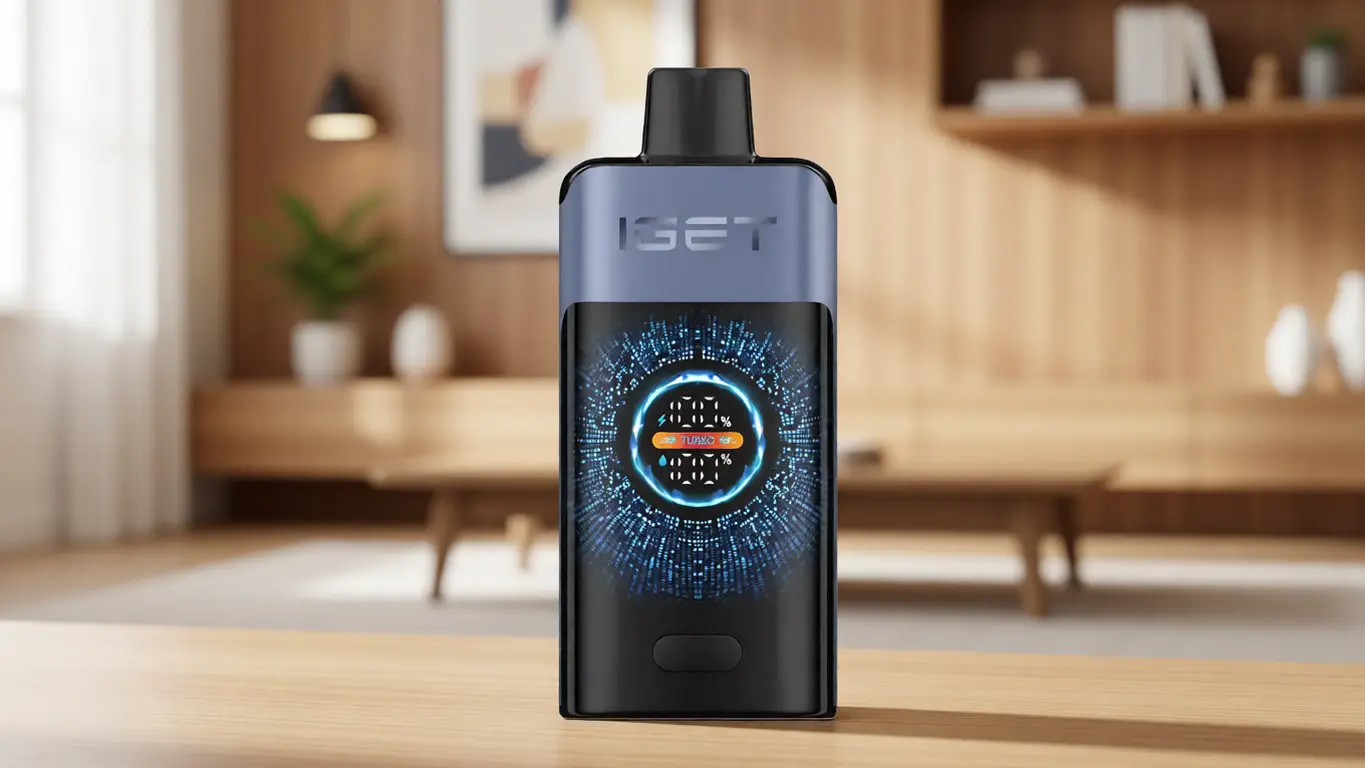
ALIBARBAR Ice Adjust 12000: The adjustable airflow ring is the headline feature, but beneath it, the same mesh‑based heating architecture works to maintain thermal stability. The airflow control becomes a real‑time sensitivity dial: start with a wide‑open setting for a gentle, cool aerosol, then gradually restrict it if a more pronounced presence is desired. This puts modulation in the user’s hands rather than leaving it to chance.
Context from other device categories shows that not all portable electronics prioritise this kind of consistency. Many entry‑level units use basic cylindrical coil designs and unregulated power output, and the resulting throat experience can be erratic. It is not that those devices are defective in a crude sense; they simply interact with the consumable in a way that amplifies variables rather than smoothing them. The difference is one of design philosophy — and it is visible to any user who pays attention to how their throat responds from one session to the next.
A Practical Framework for Throat Comfort Evaluation
Users can bring a structured lens to their own experience. The following diagnostic sequence helps isolate whether a throat sensation is being driven primarily by the device or by the consumable.
Check for pattern consistency. Is the harshness the same every time you use the same device? If the sensation varies wildly despite using an identical consumable, the heating element or power regulation is likely unstable.
Assess the airway. Try covering part of the air inlet with a finger temporarily — does the sensation intensify? If so, the aerosol is too dense for your current preference. A device with adjustable airflow can compensate.
Consider the consumable strength. Even within the same brand, different concentrations or formulations will produce dramatically different throat signals. If you are using a product with a known high‑intensity profile, the sensation may be a feature, not a flaw.
Observe draw behaviour. Are you drawing sharply and deeply? A slower, longer draw over a smooth airway in a mesh‑based device often yields a much softer throat impression than a rapid, forceful inhale.
When comparing devices against these criteria, looking at standardised specifications — coil type, rated output, airflow adjustability — provides a more reliable basis for decision‑making than colour, shape, or headline capacity numbers alone. At OZVAPE Shop, the device specifications are presented in a consistent format to support exactly this kind of comparative evaluation.
Common Selection Errors and Wider Industry Observations
In our observation of adult users, a few patterns consistently lead to unnecessary throat discomfort and dissatisfaction.
Overweighting a Single Number. Users often fixate on the highest puff count or the largest capacity figure without examining the underlying heating technology. A device with a very high capacity but a basic, unregulated coil may produce harshness that makes the entire unit unusable before it is even half‑depleted. Capacity means nothing if the experience is unpleasant.
Assuming Physical Similarity Implies Equivalent Engineering. Many devices look alike — similar cylindrical form factors, comparable mouthpieces — but the internal architecture can be entirely different. Two units that appear identical may differ in whether they use mesh or wire heating, whether airflow is calibrated or left wide open, and whether the power management regulates voltage or simply connects the battery directly to the coil. The visible similarity is often only skin‑deep.
Undervaluing Airflow Control. A surprising number of users never experiment with adjustable airflow, dismissing it as a minor feature. In practice, the difference between a fully open and partially closed setting on a device like the Ice Adjust 12000 can be the difference between a smooth, all‑day‑comfortable experience and one that provokes a persistent scratchiness. Airflow is not a gimmick; it is a primary comfort lever.
Industry‑Level Realities. From a manufacturing standpoint, building a consistent heating element is more expensive than assembling a basic coil. This is why cost‑cutting devices flood the market with unregulated output — the bill of materials is lower. The trade‑off, however, lands entirely on the user’s throat. Authorised sourcing channels, such as the factory‑certified inventory maintained by OZVAPE Shop, ensure that the devices reaching consumers are the versions that incorporate the specified thermal regulation components, not generic look‑alikes where quality control may be entirely absent.
Frequently Asked Questions
Q: Why does my throat feel scratchy even when I use a brand‑new device?
A: The most likely physical cause is a heating element that is running slightly too hot for your sensitivity level. This can happen with basic wire coils that lack precise temperature control. Switching to a device with mesh‑based heating and consistent power regulation often reduces or eliminates the scratchiness.
Q: Can I adjust the sensation without changing to a different consumable?
A: Yes. If your device has adjustable airflow, opening it wider introduces more cool air into the vapor path and reduces the density and temperature of each draw. Drawing more gently also helps. The combination of airflow tuning and draw technique can noticeably alter throat feel.
Q: Are there any design features I should look for to get a smoother experience?
A: Look for mesh coil technology, which distributes heat evenly; airflow adjustability, which lets you control draw resistance and aerosol density; and regulated power output, which prevents voltage spikes. Devices that include these three elements — such as the ALIBARBAR Ice Adjust or INGOT line — are generally engineered with comfort as a design parameter.
Q: Is throat sensation solely determined by the device, or does the consumable formula play a role?
A: Both matter. A higher‑strength consumable or one with a greater proportion of PG will naturally produce a sharper throat presence. However, even the mildest consumable can feel harsh if the device delivers it at an inconsistent temperature or with turbulent airflow. The device sets the stage; the consumable writes the script.
Q: What does “factory‑certified” mean and why should I care about it for throat comfort?
A: Factory‑certified products come through an authorised distribution network that verifies the unit meets the manufacturer’s specifications for components like the heating element and power‑management chip. Counterfeit or non‑certified products may substitute cheaper components that lack the same thermal regulation, directly affecting throat feel.
Q: I feel a sensation at the back of my throat but nowhere else. Is that normal?
A: That is the most common location because the aerosol stream concentrates there after passing over the soft palate. A well‑designed mouthpiece and smooth airway can reduce the intensity, but some sensation is inherent to the act of inhalation. If it is painful rather than simply noticeable, the device’s thermal output is likely too high for you.
Q: Can using a device for a long period cause throat dryness?
A: Propylene glycol and vegetable glycerin, the two common carrier fluids, are hygroscopic — they attract and hold water molecules. Prolonged use can temporarily reduce moisture in the throat. Staying hydrated and choosing a device that produces a cooler aerosol can mitigate the dryness.
Q: Why does the same device feel different after several weeks of use?
A: Over time, the heating element may accumulate residue, which can alter its resistance and cause it to run slightly hotter or cooler. In sealed devices, the consumable will eventually deplete, changing the aerosol composition. When the sensation shifts noticeably, it may simply signal that the unit is nearing the end of its designed operational life.
Q: How can I verify that the device I buy will match its described specifications?
A: Purchase through a retailer that explicitly states its sourcing policies. At OZVAPE Shop, inventory is drawn exclusively from authorised distribution channels and product specifications are standardised to support direct comparison. This reduces the likelihood of receiving a device with undocumented internal substitutions.
Q: Is there any recourse if a device produces an unexpectedly harsh throat sensation?
A: Reputable retailers typically offer support for genuine products that do not perform as described. If a device feels unusually harsh from the first activation, check the airflow setting and draw technique; if the issue persists, contact the point of sale. A documented, factory‑certified supply chain gives both the user and the retailer a clear chain of accountability.
A Smoother Experience Starts with Informed Choice
The sensation in your throat is not a mystery. It is the physical result of thermal stability, airflow geometry, consumable composition, and the discipline with which a device’s power delivery has been engineered. Those who understand these levers can choose equipment that aligns with their sensitivity, rather than accepting discomfort as an unavoidable part of the experience.
ALIBARBAR’s approach — mesh heating, regulated power, adjustable airflow — is not the only valid engineering philosophy, but it is a coherent one that directly addresses the most common sources of throat harshness. When sourced through a channel that guarantees factory‑certified authenticity, such as OZVAPE Shop, the device that reaches you is the device that was designed, with all the thermal management and quality control that implies. The right choice remains the one that matches your actual routine, your sensitivity profile, and your expectation of a predictable, comfortable draw — not the one with the loudest headline figure. Trust your own throat. It is, in the end, the most sensitive instrument you have.