
VAPE FAQs
When Can I Vape After Root Canal?
Jun
When Can I Vape After Root Canal?
The question arises almost the moment the dental chair is vacated: How long must I wait before picking up my device again? After a root canal procedure—a treatment that removes infected tissue from inside a tooth and seals the hollow chamber—the tissues surrounding the tooth remain in a fragile state. The urge to return to familiar routines is strong, yet the consequences of acting too soon can turn a straightforward recovery into weeks of unnecessary complications. This article is written for adults who value clear, evidence-based guidance over guesswork. It draws on dental healing physiology, clinical observations, and practical experience to give you a reliable timeline, while acknowledging that the devices you use—and the source you obtain them from—matter far more than brand enthusiasm. OZVAPE Shop, as a retailer committed to transparent, factory‑certified products, recognizes that informed users make safer decisions. The information here aims to support that.
Understanding the Healing Process
Healing after a root canal is not a single event; it is a cascade of biological processes spread across days and weeks. Misjudging where you are in that timeline is the primary reason people encounter setbacks.
The Role of the Blood Clot and Initial Seal
During the procedure, the dentist cleans and shapes the root canals before filling them with a biocompatible material and placing a temporary or permanent restoration. The surrounding bone and gum tissue, however, have been disturbed. A stable blood clot forms at the apex of the root and within the ligament space. That clot is a fragile scaffolding for new tissue formation. Any suction—such as the draw created by inhaling from a device—can dislodge it, exposing the underlying bone and nerves. This leads to a localized inflammation often more painful than the original toothache.
Suction and Negative Pressure: The Hidden Threat
Most vaping devices require a consistent pull that generates negative pressure in the oral cavity. Even a gentle mouth-to-lung inhale produces measurable intraoral vacuum. That vacuum transmits through the tooth socket, stressing the healing attachment apparatus. Dental surgeons routinely advise against using straws, spitting forcefully, or smoking after extractions for exactly this reason. The same mechanical principle applies to vaping, regardless of whether the device contains nicotine or not. A single moment of careless suction can rupture the protective clot and delay closure by days.
Thermal and Chemical Irritants
Heated aerosol, even when perceived as cool vapor, carries particles that can irritate freshly sutured gum tissue and the micro‑wounds left by the rubber dam clamp. Nicotine is a vasoconstrictor—it narrows small blood vessels, reducing the delivery of oxygen and immune cells to the surgical site. This slows fibroblast activity and collagen synthesis, both critical for tissue repair. Flavoring compounds, even those generally recognized as safe for consumption, are not tested for direct application to open healing mucosa. The combination of heat, particles, and vasoactive substances creates an environment that works against your body’s repair efforts.
Recommended Waiting Periods and Why They Matter
There is no universal “safe” hour. The timeline depends on the complexity of your procedure, your general health, and how honestly you can assess your own symptoms. Nonetheless, clinical practice and case reports allow us to outline three distinct phases.
The First 48–72 Hours: Absolute Rest
This is the high‑risk window. The blood clot is still organizing, and the temporary filling is setting fully. Dental professionals uniformly recommend zero suction during this period. Even if you feel no pain immediately after the anesthetic wears off, the underlying tissues remain extremely vulnerable. Do not vape. Do not use straws. Do not forcefully rinse. There is no device modification—lower wattage, open airflow, gentle puff—that eliminates the mechanical risk during this phase.
Days 3–7: Cautious Observation
If you have experienced no throbbing pain, no taste of blood, no visible gap in the temporary restoration, and no swelling by the third day, the clot is likely stable. However, healing is not complete. The re‑epithelialization of the gum tissue takes five to seven days. Some users choose to reintroduce vaping at this stage, but only with extreme care: minimal draw strength, short inhalations, and attentive post‑use inspection. If any discomfort, bleeding, or a “dry” sensation occurs, stop immediately and wait longer. Remember, pain is not always a reliable indicator—some nerve pathways are still suppressed by residual local anesthesia or low‑grade inflammation.
Beyond One Week: Returning to Routine
For a straightforward root canal on a single‑rooted tooth with an uncomplicated temporary restoration, most dental guidelines suggest waiting at least 7–10 days before resuming any activity that creates oral suction. By this point, the gum collar should be sealed, and the internal clot has been replaced by granulation tissue that can withstand normal functional forces. Still, if you notice any lingering tenderness around the tooth, extend the waiting period. It is far better to delay another three days than to risk retrograde infection or persistent apical periodontitis.
A Practical Framework for Gauging Readiness
Rather than counting days blindly, use a symptom‑based checklist. If you can answer “yes” to all of the following, the mechanical risk from suction is significantly reduced:
No swelling or puffiness of the cheek or gum adjacent to the treated tooth.
No discharge or foul taste from the tooth area.
No sensitivity when pressing the tooth together with the opposing tooth (light tapping with a clean finger produces no pain).
The temporary filling or crown feels intact—no sharp edges or movement when you run your tongue over it.
You can drink water through a straw with no discomfort (a self‑test, with your dentist’s prior approval).
If you cannot confirm every point, you are likely still in the healing phase and should postpone vaping. When in doubt, consult the dentist who performed the procedure. They can quickly evaluate the site and give you personalized clearance.
Common Missteps and Misinterpretations
Even well‑informed individuals make errors that extend recovery. Recognizing them is the first step toward avoiding them.
Equating “no pain” with “healed.”
Pain is an unreliable gauge because post‑operative endodontic pain often subsides within 24–48 hours even while deeper tissue repair continues. The absence of pain does not mean the clot is anchored or the gingival seal has matured.
Assuming low‑power devices eliminate risk.
While lower heat output may reduce chemical irritation, it does nothing to alter the physics of suction. The pressure differential generated by a gentle puff on a pod system can still exceed the tolerance of a fresh surgical site. The force required to draw aerosol through a mouthpiece is enough to disturb a healing clot, full stop.
Undervaluing device provenance and consistency.
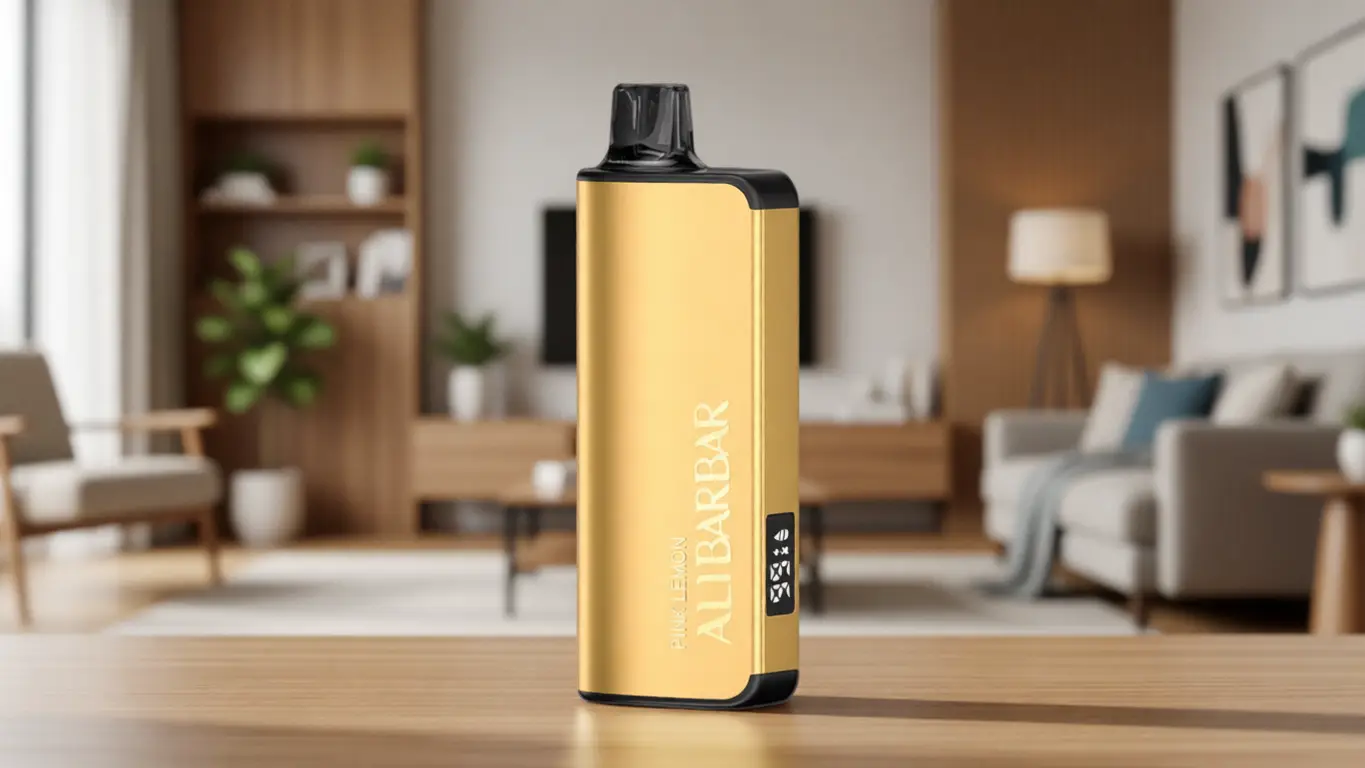
Once you are cleared to vape, the quality of your device matters. Unstable power output, unpredictable activation, or poor coil integrity can force harder draws or produce unexpected spikes in heat. Devices with clear battery and status indicators—the kind that allow you to anticipate when a unit will deplete or need maintenance—remove an underappreciated source of post‑surgical anxiety: the sudden need to compensate for a failing unit. When you are in a delicate recovery window, a device that communicates its state honestly is a genuine safety asset. This is one reason why sourcing from a retailer that documents specifications, origins, and factory certification, such as OZVAPE Shop, becomes relevant: you are not merely buying a product; you are relying on a tool that must behave predictably while your body is in a compromised state.
Ignoring the systemic effects of nicotine.
Many users mentally separate the act of vaping from the pharmacological payload. But nicotine’s vasoconstrictive effect is systemic—it does not care which tooth was treated. If your device contains nicotine, you are actively reducing blood flow to every healing site in your mouth. The safest approach is to use nicotine‑free alternatives during the full recovery period, and to discuss with your medical professional whether any nicotine replacement method is advisable.
Frequently Asked Questions
Q: Can I vape through my nose to avoid suction in my mouth?
A: While it may reduce oral vacuum somewhat, it does not eliminate the risk. The nasopharynx and oropharynx are connected; negative pressure can still transmit to the surgical area. Moreover, the tissues inside the nasal passages are not designed for repeated exposure to heated aerosol and can become irritated. This is not a recommended workaround.
Q: What about dry socket? I thought that only applied to extractions, not root canals.
A: True dry socket (alveolar osteitis) is specific to the bone socket left by an extracted tooth. A root canal preserves the tooth structure, so the exact mechanism differs. However, a post‑root‑canal “flare‑up” involves inflammation of the periapical tissues due to clot disruption or bacterial ingress. The outcome is similarly painful and avoidable through suction avoidance.
Q: I only vape at very low temperatures. Does that reduce the risk?
A: Temperature matters primarily for tissue irritation, not for the mechanical effect of suction. Even a room‑temperature aerosol drawn through a device creates intraoral vacuum. Lower temperatures reduce the thermal insult but do not address the primary threat during the first week.
Q: How will I know if I caused damage?
A: Signs include a sudden increase in throbbing pain, a bad taste in the mouth (indicating possible drainage), swelling that worsens, or the sensation that the temporary filling has shifted. If any of these occur, see your dentist within 24 hours.
Q: Can I use a device that requires almost no draw effort—like a draw‑activated, ultra‑open airflow system?
A: The draw effort required by modern devices can be very low, but it is still a negative pressure event. During the critical first 48–72 hours, the recommendation remains to avoid all intentional oral suction. After that, if your dentist agrees, you might consider the most minimal draw possible, but there is no device design that can guarantee zero vacuum.
Q: Does the type of procedure matter? A root canal on a front tooth versus a molar?
A: Molars have multiple roots and a broader surface area for clot attachment. The basic healing principles are identical, but molars often involve more robust temporary restorations because they bear chewing forces. Clinically, there is no evidence that anterior teeth heal faster than posterior ones in a way that would justify different vaping restrictions.
Q: I have a follow‑up appointment for a permanent crown in two weeks. Can I vape before then?
A: If you have successfully passed the 7–10 day mark without any alarming symptoms, and your temporary filling is intact, vaping is typically permissible. However, the temporary crown itself requires care—sticky, chewy foods and excessive pressure can dislodge it. Vaping does not usually pose a direct threat to the temporary crown’s retention, but avoid clenching or biting down on the mouthpiece.
Q: Where can I find devices that offer reliable performance once I’m recovered?
A: Once your dentist confirms full healing, it is wise to choose a device from a source that provides clear specifications, verified authenticity, and responsive support. OZVAPE Shop curates a selection of portable electronic devices from manufacturers that prioritize consistent output, accurate battery indicators, and ergonomic design—factors that support a predictable, low‑stress experience when you return to your routine.
Conclusion
The short answer to “When can I vape after a root canal?” is: not before the gum tissue has sealed and the internal clot has stabilized, which rarely happens in less than seven days for a straightforward case. Complicated molars, any sign of persistent inflammation, or the presence of nicotine in your formulation all argue for a longer waiting period. The prize for patience is a complication‑free recovery and a tooth that remains functional for decades.
The decisions you make in those first days after a procedure are entirely within your control. They are not about willpower or brand loyalty; they are about respecting the quiet, slow work of repair that your body performs without fanfare. When you are ready to resume, the device you choose should be one that does not add unpredictability to an already sensitive landscape. OZVAPE Shop exists to provide that clarity—with documented supply chains, factory‑certified inventory, and a commitment to straightforward information rather than hype. The right device is the one that fits your actual daily patterns, not the one with the most extravagant claims, and the right time to use it is when your healing has earned it.