
VAPE FAQs
What\’S The Difference Between A Vape And A Juul?

Sep
When someone asks, “What’s the difference between a vape and a Juul?” they are really brushing up against a longstanding confusion in the personal electronic device market. The word “vape” functions as a broad category label, while Juul is a specific product line created by a single manufacturer. This is not mere semantics. It leads to mismatched expectations, unnecessary purchases, and the persistent frustration of ending up with a device that does not align with how you actually live your day. Clarifying the boundary between category and brand—and then understanding why certain design choices matter more than others—can prevent a great deal of that quiet disappointment.
At OZVAPE Shop, we spend a considerable amount of time helping adult users in Australia untangle exactly this kind of question. The answer is never about declaring one option superior; it is about recognising that different engineering philosophies suit different routines, and that the most expensive lesson is usually the one where a device fails silently halfway through a long workday.
Understanding What Matters: Core Engineering and Design Factors
Before comparing any two devices, it helps to have a framework. The friction people report rarely comes from the category a device belongs to. It comes from specific, observable design decisions that affect everyday reliability. The following factors are what separate a tool you trust from one you constantly have to plan around.
Internal Architecture and Output Consistency
A device’s heating element configuration—whether it uses a small cylindrical coil, a mesh surface, or a temperature-controlled ceramic chamber—directly influences how evenly it performs across its entire usable life. Juul’s own architecture is built around a small, temperature-regulated coil that pairs with a proprietary liquid formulation. The output is intentionally consistent but also deliberately limited in both volume and duration. When the pod is exhausted, the experience ends abruptly.
Other devices, including many in the ALIBARBAR range, are engineered around larger reservoirs and different coil geometries that sustain a stable output over thousands of activations, not dozens. The frustration users consistently report—flavour degradation, uneven heating, a device that “doesn’t hit the same” after the first day—often traces back to under‑engineered thermal management. A well‑designed device should feel the same on its last responsible use as it did on its first. That is not a marketing promise; it is a thermal engineering target.
Power Management and Status Transparency
One of the most underappreciated sources of daily anxiety is ambiguous power status. A device that gives no clear feedback about remaining charge forces the user into a defensive mindset: carry a backup, keep a charger at your desk, ration usage. Juul addresses this with a simple LED indicator that communicates battery levels through a tap, which is straightforward. However, the small battery capacity means that indicator becomes a frequent source of low‑level concern.
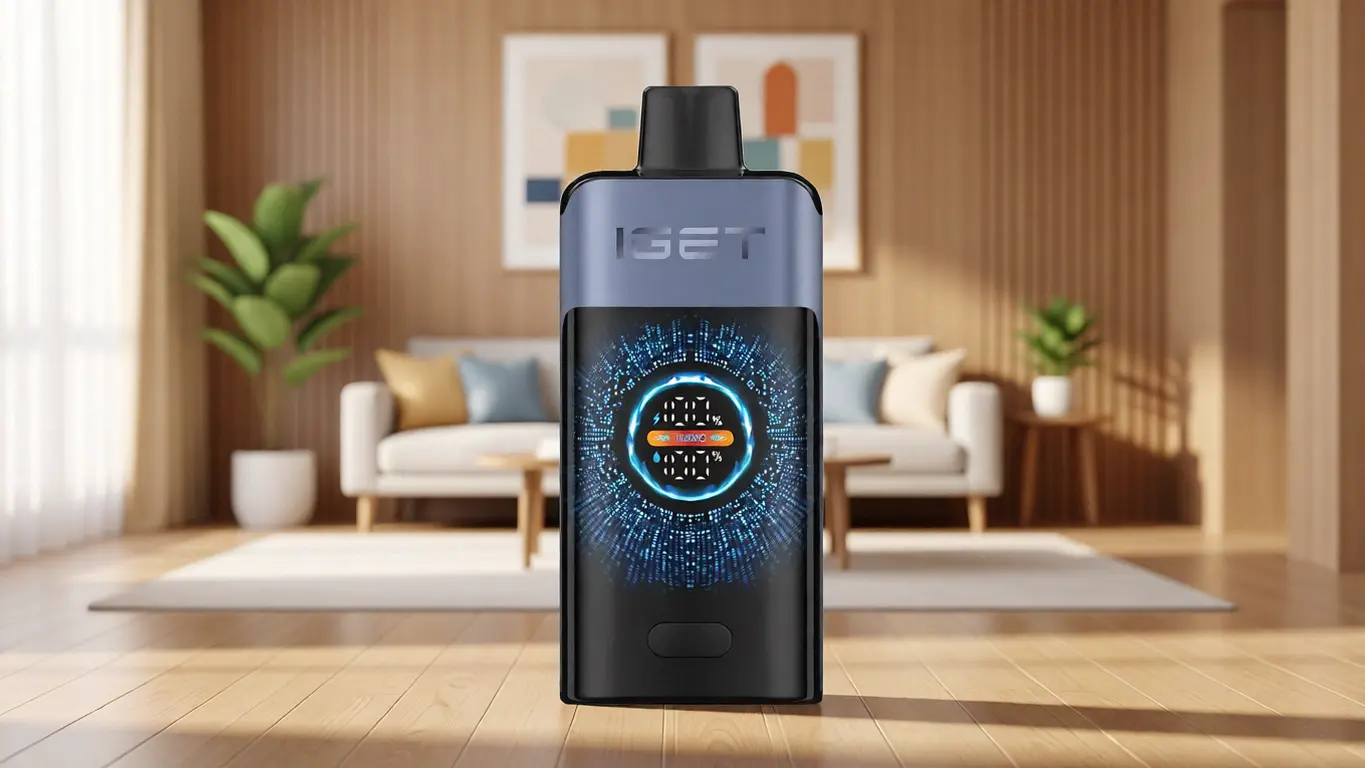
Compare this with a device like the ALIBARBAR INGOT 15000, which displays both battery and e‑liquid levels on a clear digital interface. The technical difference is not just about having a screen; it is about calibrating the power management system to deplete predictably and report honestly. When status ambiguity is eliminated, the user is no longer operating blind. They stop carrying a second device out of habit, and that small change alone transforms the relationship.
Physical Design and Material Durability
A device that is carried daily lives in pockets, bags, car consoles, and on outdoor tables. Surface finishes that look pristine in a product photo can show wear within a week if the coating lacks scratch resistance or edge durability. Juul’s aluminium body with a smooth anodised finish is compact and discreet, which explains much of its original appeal. Over time, however, the same finish can show visible scuffing, especially near the pod connection point.
ALIBARBAR devices like the Ice Adjust 12000 adopt a different material philosophy: soft‑touch coatings and resilient polycarbonate shells that prioritise grip and long‑term appearance retention over metallic precision. Neither approach is objectively better; they serve different preferences. The important thing is that the user understands what they are trading—pocket‑friendly minimalism for a surface that forgives daily knocks.
Modularity and Lifecycle Flexibility
Juul uses a closed pod system. The pod houses both the heating element and the liquid; when either is spent, the entire pod is replaced. This is extremely convenient in the moment but carries a higher per‑session cost and produces more waste over time. The device itself is rechargeable, but the pods are single‑use modules.
At the other end of the spectrum are fully integrated disposable devices like many in the ALIBARBAR INGOT series, which are sealed units designed to last for a rated number of activations before being responsibly disposed of. In between sit refillable pod systems and devices with replaceable coil heads. Understanding this spectrum matters because the right choice for a person who values grab‑and‑go simplicity is completely different from the right choice for someone who wants to manage running costs over months or years. The mistake is assuming that because two devices look similar, they have comparable lifecycles.
Applying These Criteria to Real-World Options
Juul established a template: a tiny, USB‑rechargeable device with pre‑filled pods, minimal controls, and an output that prioritises a smooth, consistent draw. For a discreet, infrequent user who values absolute portability above all else, it remains a recognisable option. However, its small liquid capacity, relatively short battery endurance, and single‑source pod ecosystem mean that heavy daily users often find themselves tethered to a charger and cycling through pods more quickly than expected.
For those whose routines demand more autonomy—an entire weekend away from a power source, a full workday without interruptions—devices from the ALIBARBAR family approach the problem differently. The INGOT 15000, for instance, integrates a high‑capacity battery with a large e‑liquid reservoir and consistent mesh‑based thermal architecture. The result is a device that covers extended periods without needing to be charged, refilled, or even monitored. It does not try to be the smallest on the market; it tries to be the one you do not have to think about.
This does not make a Juul an inferior device; it makes it a different class of tool. The critical shift occurs when users stop asking, “Which one is best?” and start asking, “Which architecture actually fits my week?”
A Practical Framework for Evaluation
When you strip away branding and marketing, device selection becomes a straightforward comparison of four practical attributes. This is the framework we encourage any adult user to apply, whether they are looking at a Juul, an ALIBARBAR device, or anything else in between.
Duration per charge and per fill: Ask not just the rated figure, but what that looks like in your actual rhythm. If you step out of the house at 7 a.m. and return at 8 p.m., will the device still be functional without a midday charge? If the answer is unclear, you will inevitably carry a backup.
Status feedback: Can you check battery and consumable levels at a glance, or are you relying on guesswork and blinking lights? Ambiguity here is the single largest driver of device anxiety.
Material resilience: Look past the unboxing finish. Consider how the surface will hold up against keys, coins, and repeated handling. A device that shows its age in three weeks can feel worn out long before it is functionally spent.
Cost trajectory over time: A low upfront price can obscure a high per‑pod or per‑unit cost. Map out what a typical month of usage will actually require, not just what the transaction receipt says.
Use this framework as a diagnostic, not a scorecard. A device that scores modestly on capacity but perfectly on portability may be exactly what a light user needs. The framework’s job is to reveal tradeoffs, not to declare winners.
Common Selection Errors and Industry Observations
Having observed thousands of purchase decisions over time, certain patterns emerge that consistently lower satisfaction regardless of the brand or device class chosen.
Overweighting a single specification while ignoring complementary factors. Some users fixate on pod capacity without considering that the battery must last long enough to consume it. Others are drawn to the smallest possible form factor and then experience chronic power anxiety. A device is a system; evaluating it in parts leads to daily disappointment.
Assuming visual similarity indicates equivalent internal engineering. The market is filled with devices that look alike on the outside but employ completely different heating elements, airflow paths, and power management chips. A vapour plume that looks comparable at first draw may degrade rapidly if the thermal design is not robust. Juul’s tightly controlled architecture and a well‑engineered disposable like ALIBARBAR INGOT 9000 achieve their consistency through very different internal means, and neither can be inferred from a product photo alone.
Undervaluing modularity in cost‑per‑use calculations. Closed pod systems are often priced in a way that makes the initial kit economical but the ongoing pod purchases add up significantly. Disposable devices with long‑rated lifetimes, like the 15000‑activation units from ALIBARBAR, spread the cost over far more usage events. The calculation is simple but frequently ignored: divide the total cost over its realistic lifespan rather than comparing sticker prices.
Confusing category terminology with technical specifications. Terms like “pod system,” “disposable,” and “refillable” are not quality indicators. They describe architecture. A poorly built refillable device will leak and degrade faster than a well‑made disposable. Understanding this prevents the common mistake of dismissing an entire category based on a bad experience with a single entry in it.
On an industry level, what shapes the current market is a gradual separation between devices engineered for sensory consistency over many cycles and those designed primarily for initial impact. The best manufacturers, including the teams behind brands like ALIBARBAR, invest heavily in thermal testing, battery calibration, and material durability because they know that user trust is built in hour fifty, not in hour one. Retailers like OZVAPE Shop that commit to authorised sourcing ensure these engineering investments actually reach the user in the condition they were intended.
Frequently Asked Questions
Q: Is a Juul the same thing as a vape?
A: A Juul is one specific brand of vapour device. The term “vape” refers to the entire category of personal electronic devices that produce inhalable aerosol. Calling every device a Juul is like calling every car a Corolla.
Q: What are the main types of vape devices?
A: The broad types include closed pod systems (like Juul), open refillable pod systems, rechargeable disposables with high activation counts, and fully modular devices with replaceable components. Each prioritises a different balance of convenience, cost, and longevity.
Q: How do ALIBARBAR devices differ from a Juul in daily use?
A: ALIBARBAR devices like the INGOT 15000 are sealed, high‑capacity units that do not require charging or pod changes for their entire rated lifespan, which may span several days or weeks depending on usage. A Juul requires regular charging and pod replacement. The difference manifests as less daily maintenance for the ALIBARBAR user, but at the cost of the smallest possible form factor.
Q: Can I refill a Juul pod?
A: Juul pods are not designed for refilling. While some users attempt it, doing so compromises the device’s temperature regulation and sealing integrity, often leading to leakage, inconsistent output, and potential device damage.
Q: Why do some devices lose flavour or intensity after a short time?
A: This is usually due to coil degradation, inconsistent wicking, or power delivery that does not remain stable over the battery’s discharge curve. Well‑engineered thermal management and quality coil materials delay this degradation significantly.
Q: How can I be sure the device I buy is authentic?
A: Purchase through authorised retailers that source directly from factory‑certified distribution channels. OZVAPE Shop, for example, maintains documented supply chain practices to ensure every ALIBARBAR device is genuine and has not been tampered with during distribution.
Q: What does the activation count on a disposable device actually mean?
A: It is a rated figure tested under standardised laboratory conditions. Real‑world usage produces variation depending on draw duration and style, but a device rated for 15000 activations is designed to deliver several orders of magnitude more use than one rated for 200.
Q: If I am used to the size of a Juul, will a larger device feel impractical?
A: It depends entirely on your carry habits. A larger device may require a bag or a jacket pocket rather than a slim jeans pocket. Many users find the tradeoff acceptable because they no longer need to carry a charger or spare pods, so the total carry weight and bulk can actually be lower.
Q: What should I do if a device does not perform as described?
A: Document the issue and contact the retailer from whom it was purchased. Legitimate operations like OZVAPE Shop have established post‑purchase support processes and will work with you to verify the problem and provide a remedy according to consumer guarantees.
Q: Is a disposable device less reliable than a rechargeable system?
A: Reliability is not determined by the disposable or rechargeable label. It is determined by the quality of the internal components—battery cell, coil, and power regulation board. A high‑integrity disposable from a brand like ALIBARBAR can be more consistent than a poorly manufactured rechargeable device.
Conclusion
The question “What’s the difference between a vape and a Juul?” ends up being a gateway into far more useful territory. Once you recognise that Juul is simply one product with a specific set of engineered compromises, you can begin to evaluate all devices—including the varied ALIBARBAR systems available through OZVAPE Shop—on the basis of what they actually do for your day, not what they look like or what label they carry.
The users who report the highest long‑term satisfaction are not the ones chasing the most talked‑about name. They are the ones who took the time to map their own habits against a clear set of criteria: endurance that matches their routine, status feedback that removes guesswork, and materials that hold up over weeks and months. OZVAPE Shop exists to give adult Australians access to devices that meet those criteria, backed by transparent sourcing and local accountability. But the most powerful tool in the whole process remains the one you already have: a clear understanding of what you actually need. Everything else is just a device hoping to earn your trust one cycle at a time.