
VAPE FAQs
What To Do If You Drop Vape In Water?
Sep
You slip your device back into your pocket, reach for it an hour later, and feel the cold, unmistakable slick of moisture. The realisation hits a moment later: it went through a wash cycle, tumbled into a sink, or simply got caught in a downpour. Panic is the natural first response. That panic, however, is precisely the thing that can transform a retrievable situation into an unrecoverable one. Water and powered electronics are a hostile combination, but the outcome depends far more on what you do in the first thirty seconds — and on how the device was engineered in the first place — than on the mere fact of immersion.
Most personal electronic devices in this category are not waterproof. Sealed units, rechargeable systems, and replaceable-component architectures all respond differently to water exposure, and knowing the distinction can save you from compounding the damage. This article explains the engineering reasons behind water damage, the immediate steps to take, and what those steps reveal about the design priorities of your particular unit. Where a device proves beyond recovery, understanding where to source a replacement from an authorised channel — such as OZVAPE Shop — prevents you from replacing one problem with another.
What Actually Happens When Water Meets a Powered Device
The most useful mental model is not “water ruins electronics” but rather “water enables unplanned electrical pathways.” A personal vaporiser holds a power source (typically a lithium-ion cell), a control circuit, and a heating element. All three are susceptible, but in different ways and at different speeds.
Internal Architecture and Moisture Ingress Points
Most compact devices are assembled using press‑fit enclosures or minimal ultrasonic welding. The points where air must flow — the mouthpiece and the airflow inlet — are, by definition, open to the environment. Some designs add a fine mesh or a plastic baffle to prevent debris entry, but these rarely seal against water. As a result, liquid entering the mouthpiece can travel directly through the airway and pool near the heating coil, while water entering through the base or side seams can reach the circuit board and battery terminals in seconds.
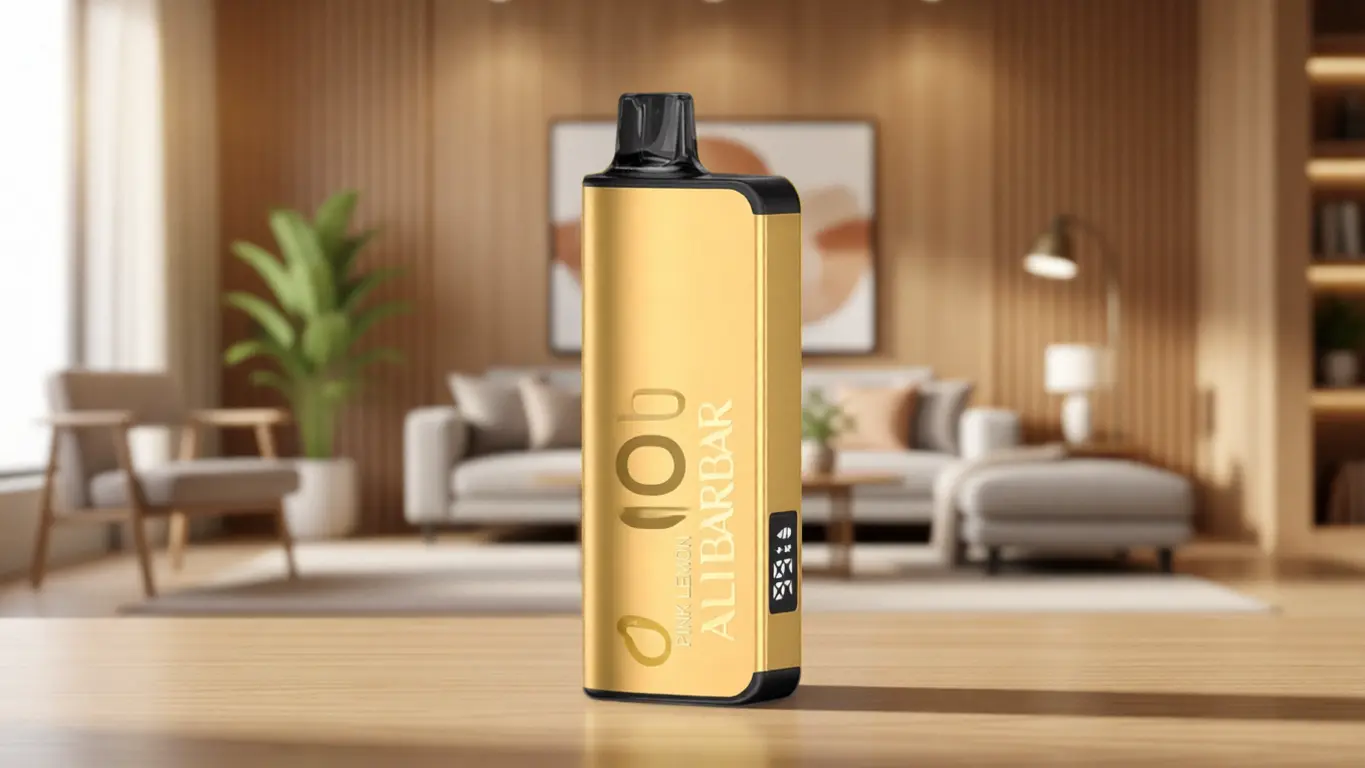
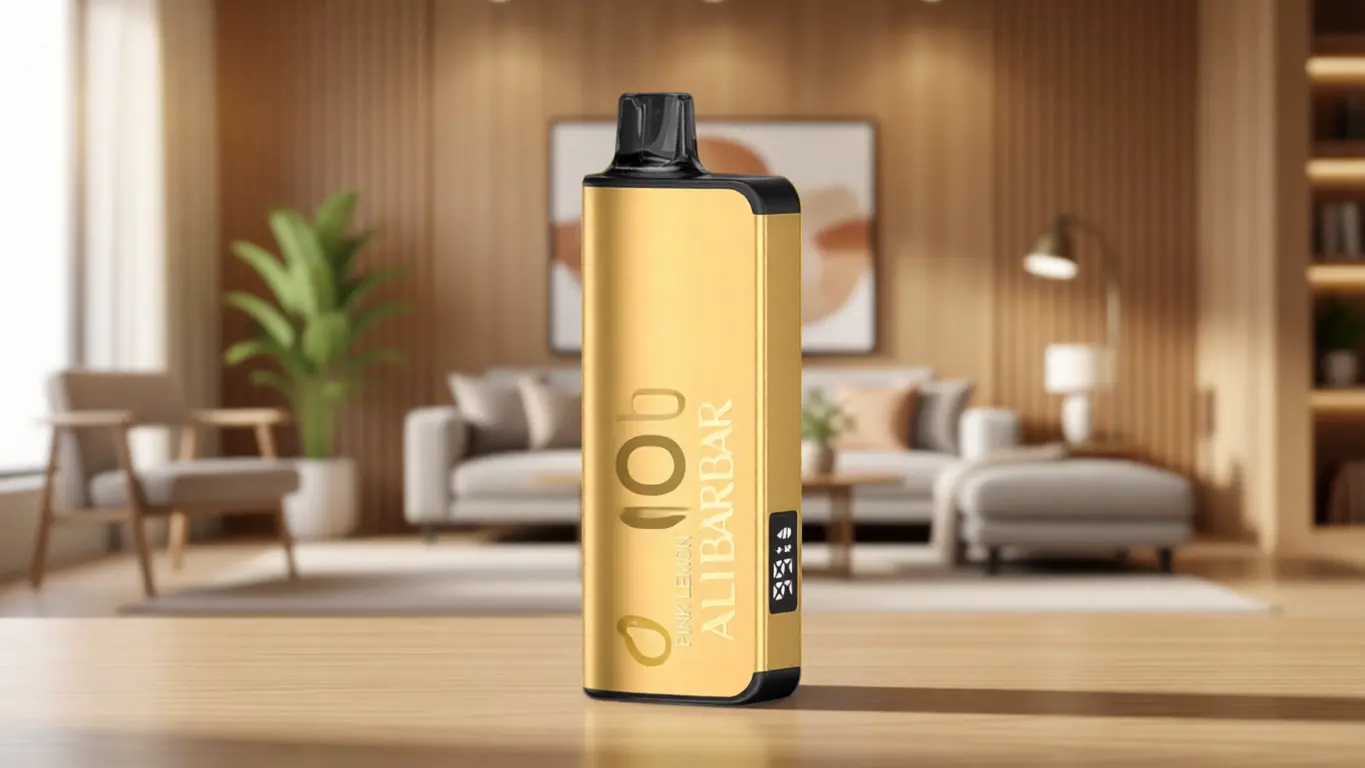
Better‑engineered devices, such as those in the ALIBARBAR INGOT family, exhibit a more considered internal layout. The power cell is isolated from the liquid pathway by a physical partition, and the airflow channel is deliberately shaped to trap small amounts of moisture before they reach sensitive contacts. This does not make the device waterproof; it means that a brief splash has a lower probability of immediately shorting the main control board. For the user, that distinction is everything.
Power Management and Short‑Circuit Risks
When a lithium‑ion cell is still supplying voltage and water bridges two points of differing potential, a small current flows. This current may not be enough to trigger a catastrophic failure on its own, but it causes electrolytic corrosion on exposed pads and can confuse the device’s power management integrated circuit (PMIC). A PMIC that receives erratic voltage readings may lock out, shut down permanently, or, worse, enable the cell to discharge through an unintended path. That is why the first instruction in any water‑exposure scenario is to disengage the power source if the design allows it. Sealed devices, however, offer no such luxury: the battery remains live until the circuitry is destroyed or the cell discharges fully, accelerating damage.
Status indicators compound the problem. If a device gives no clear shutdown feedback — just a blinking LED that could mean anything — the user cannot know whether the device has entered a protective state or is actively cooking its own board. Devices that communicate battery level plainly, such as through a graduated LED array or a small display, are not just a convenience in daily use; in an emergency they give the owner a fighting chance to recognise whether the unit is still drawing power and act accordingly.
Physical Design and Material Durability
Beyond electronics, water affects exterior surfaces. Many devices are finished with a soft‑touch coating that, when saturated, begins to lift or bubble. Pocket lint and grit trapped in seam gaps swell, prying apart housing parts that were originally a tight snap fit. Mouthpieces made of polycarbonate or ABS can absorb water into microscopic surface crazes, which then harbour bacteria and produce a permanently off‑taste even after drying. A well‑designed mouthpiece, with a smooth, non‑porous surface and minimal crevices around the tip, is easier to dry completely and less likely to retain unseen contamination. ALIBARBAR’s approach, for example, uses a contoured mouthpiece that mates precisely with the body, leaving no ledge where water can sit; that design choice matters as much after immersion as it does for everyday comfort.
Modularity and Lifecycle Flexibility
Sealed‑unit devices place all components in a single compartment. If water reaches the battery and board, the entire unit is compromised. Semi‑modular systems — where the reservoir or heating section can be separated from the power section — offer a significant advantage: the user can often salvage the power source even if the heating element and liquid channel are ruined. This modularity directly affects the cost of water exposure. A replaceable pod or cartridge allows you to dispose only of the flooded section, while the regulated power section, if dried correctly, may return to service. In markets where high‑capacity disposable devices dominate, the modular option is often overlooked despite its economic and functional resilience. The choice between form factors is not just about upfront price; it is about how a device responds to accidents.
Real‑World Device Responses: What Engineering Tells You Before You Even Drop It
Not all devices are equal when they hit the water. Some families of products — by design or by accident — fare better than others, and knowing this can inform the purchase that follows a total loss.
Take the ALIBARBAR INGOT 9000 and INGOT 15000 as reference points. Both are non‑refillable, high‑capacity devices that position the battery in a lower compartment separated from the liquid reservoir and coil assembly. In a brief submersion, water typically enters the airflow inlets first — located on the base of the unit — rather than flooding the battery directly. That buys the user a few critical seconds. By contrast, a typical cylindrical stick‑shaped device with a bottom‑firing switch often has the battery, control board, and heating contacts clustered in a single chamber; water that enters through the mouthpiece can drip straight down onto the board and cause an instantaneous short. This architectural difference is rarely discussed in product descriptions, yet it is the single greatest predictor of whether your device survives a short dunk.
Another factor is USB port placement. Devices with a rubber plug covering the charging port offer a nominal degree of splash resistance around that opening. If the plug is absent or poorly seated, water intrusion at the port becomes a direct path to the charging circuitry, which usually lacks any protective conformal coating. Observing that a device has a snug, well‑designed port cover — and that the port itself is mounted perpendicularly to the airflow path — can tell you more about its real‑world robustness than any marketing claim.
Other commonly encountered categories, such as open‑pod systems with a removable cartridge, present yet another scenario. Here, the battery section often contains exposed charging contacts that, when wet, begin to corrode within minutes. However, because the cartridge is separate, the user can immediately remove it and concentrate on drying only the power section. This modularity shifts the risk profile: you may lose the liquid and the coil, but the battery may live on. It is a practical example of why lifecycle flexibility matters in ways that are invisible until an accident occurs.
What to Do: A Step‑By‑Step Evaluation and Recovery Protocol
This framework turns the chaotic aftermath of water exposure into a logical sequence. Apply it to any device, regardless of brand or form factor.
Retrieve and establish orientation. Note how the device entered the water and which end submerged first. If water poured into the mouthpiece, the pathway to the coil is the primary concern. If the device fell base‑first, the charging port and battery compartment are at highest risk. Hold the unit so that any trapped water drains away from the most sensitive areas — typically mouthpiece down if the base is compromised, or base‑down if the mouthpiece flooded.
Interrupt power immediately. For devices with a power button, attempt to turn it off. Do not repeatedly press the button; one deliberate press is enough. If the device has a removable cartridge or pod, separate it from the power section. If the device is entirely sealed and shows no off‑switch, do not try to activate any functions. Assume it is live and move to the next step.
Disassemble safely. Remove mouthpieces, pods, cartridges, and any user‑accessible covers. Shake out excess water gently — do not blow into the device, as this can push moisture deeper. If a silicone plug covers the charging port, leave it open to aid drying. Pat external surfaces dry with an absorbent, lint‑free cloth.
Dry strategically. The goal is to evaporate moisture before corrosion sets in. Position the device in a warm, dry airflow — not a heater, which can warp plastics or overheat the battery. A gentle stream of air from a fan at room temperature is ideal. Desiccants such as silica gel packets (in a sealed container) outperform uncooked rice, which introduces starch dust and does not actively pull moisture from enclosed cavities. Allow at least 24–48 hours, longer if the device was fully submerged.
Inspect and test with caution. After drying, examine the charging port, battery contacts, and any visible seams for white or green residue — signs that corrosion has already begun. If the device uses a removable pod, insert a dry, known‑good pod and try a brief activation while holding the unit away from your face. If it behaves erratically or produces weak, intermittent output, corrosion on the board is likely. For sealed devices that fail to respond at all, the PMIC has probably locked out or the cell has sustained internal damage.
Diagnostic prompts:
Does the device give you clear, unambiguous status feedback when you try to power it on? If not, internal communication has been disrupted, and the device is unsafe to continue using.
Is there any residual smell of burnt electronics or acrid odour? That indicates a component has already been thermally damaged.
Does the mouthpiece surface feel rough or chalky after drying? That suggests plastic crazing, which will affect taste and hygiene indefinitely.
Common Mistakes That Turn a Salvageable Device into a Paperweight
Water damage is routine. The errors users make in its aftermath are equally routine — and wholly avoidable.
Overweighting one action while ignoring complementary factors. Many people hyper‑focus on drying while leaving the battery connected. If the cell is still supplying voltage to a damp circuit board, electrochemical migration continues even as the exterior feels bone‑dry. The correct order is always: disconnect power, then dry.
Assuming visual similarity indicates equivalent internal protection. Two devices that look almost identical from the outside can have completely different internal sealing. One may route the airflow around the battery; the other may channel it directly over the control board. That information is never printed on the packaging. It only emerges from teardown analyses or, unfortunately, from personal experience. This is why understanding basic architecture — the separation of the power stage from the liquid path — is a durable decision‑making tool.
Underestimating the cost‑per‑use impact of a sealed design against a modular one. A low upfront price disappears the moment the device falls into water and becomes entirely unrecoverable. A modular device with a replaceable heating element may allow you to throw away only the $5 pod, not the $30 battery section. When calculated over two years and a couple of inevitable accidents, the economic difference is substantial.
Confusing category terminology with technical specifications. Terms like “splash‑resistant” or “leak‑proof” describe everyday use, not submersion. No current personal vaporiser carries an IP67 or IP68 rating, because achieving that certification would require sealing the airflow — rendering the device unusable. Expecting any device to survive a full wash cycle is unrealistic, yet users repeatedly draw that conclusion from loose marketing language.
From an industry perspective, the absence of water‑resistance standards in this product category is not accidental. Adding seals, conformal coatings, and gaskets increases assembly complexity and cost, and complicates the airflow path in ways that can degrade performance. Most manufacturers have calculated that users will accept occasional water‑damage write‑offs as part of the ownership experience. That trade‑off is worth knowing when you evaluate which device warrants your next purchase.
Frequently Asked Questions
Q: Can I use rice to dry a wet device?
A: Uncooked rice is a poor desiccant. It absorbs moisture slowly and sheds fine starch dust that can accumulate on electronic contacts, potentially creating new problems. Silica gel packets in a sealed container are far more effective and cleaner.
Q: How long should I wait before attempting to turn the device on?
A: A minimum of 24 hours under active air drying, and 48 hours for any unit that was fully submerged. If you see any condensation on internal surfaces through transparent sections, wait another 24 hours. Turning it on prematurely is the single most common way users transform a recoverable board into a destroyed one.
Q: My device turns on but the output feels weak and inconsistent. Is it safe to keep using?
A: No. Erratic output often indicates that moisture is still present on the control board, causing the power regulation to malfunction. This can lead to unregulated delivery and potential cell stress. The device should be disassembled (if possible) and dried further, or replaced.
Q: Is water damage covered under warranty?
A: Almost universally, no. Manufacturers identify immersion through internal moisture indicators or corrosion patterns, and standard warranties exclude damage caused by liquid ingress. Always check the warranty terms before purchasing, and regard any “water‑resistant” claim sceptically unless accompanied by a specific IP rating.
Q: What is the safest way to dispose of a water‑damaged device with a built‑in battery?
A: Do not place it in household waste. Take it to a designated battery recycling point or a retailer that accepts lithium‑ion devices for disposal. Water‑damaged cells can develop internal shorts over time, so handle the unit with care and avoid crushing or puncturing it.
Q: Are there any devices that can genuinely survive a drop in water?
A: None are designed to be submersible. Some ruggedised electronics in other categories carry IP68 ratings, but vaporisers require open airflow and therefore cannot be hermetically sealed. The best you can find is a design that isolates the battery from the liquid pathway, which may survive a momentary dip if dried immediately. The ALIBARBAR INGOT series, for example, demonstrates this separation of compartments, but it should still never be intentionally submerged.
Q: My device has a “dry hit” protection feature. Does that help after water exposure?
A: Dry‑hit protection monitors coil temperature and liquid saturation during normal use. It cannot detect moisture on the circuit board or prevent corrosion at the battery terminals. It offers no additional safety after immersion.
Q: Should I try to open a sealed device to dry it internally?
A: Only if you have experience with small electronics and understand that breaking the seal permanently alters the device’s structural integrity and safety. Sealed units are not designed to be opened safely by the end user; forcing entry can damage the battery envelope, creating a more serious hazard than the water itself.
Q: If the device appears completely dry and powers on normally, am I in the clear?
A: Possibly, but latent corrosion can still develop. Tiny amounts of residue left from impure water — salt, minerals, or chlorinated pool water — can slowly eat away at solder joints over weeks. A device that works today may fail mysteriously a month later. If you have any doubt, consider retiring the unit.
Q: Where can I find a reliable replacement if my device is dead?
A: Look for a retailer that verifies its inventory through documented supply chains and offers clear, standardised specifications. OZVAPE Shop, for instance, sources the full ALIBARBAR range directly from authorised distributors, providing the transparency needed when you’re trying to match a replacement to your specific usage patterns and durability expectations.
Prevention Is a Design Choice, Not a User Skill
Every water‑exposure incident is ultimately a collision between environmental accident and engineering intent. The steps you take — separating the power source, drying methodically, refraining from premature activation — matter enormously, but they operate within the limits set by the device’s architecture. A sealed, non‑modular unit with a poorly isolated battery will almost always fail, regardless of how carefully you dry it. A well‑partitioned device, particularly one that allows the heating element to be replaced separately, gives you a real chance.
That insight is more useful than any single brand recommendation. Before your next purchase, look past performance claims and consider the physical layout: Where is the battery in relation to the airflow? Can you disconnect the power source without tools? Does the mouthpiece design trap liquid in inaccessible crevices? These are the factors that determine what happens when — not if — moisture comes calling.
Informed choices replace accident anxiety with quiet confidence. And when a device does finally reach the end of its service life, whether through water or simple wear, returning to a channel that prioritises product integrity over aggressive upselling keeps the entire experience manageable. The right tool for your routine is the one that accounts for reality, and reality includes the occasional splash.