
VAPE FAQs
What To Do If Vape Falls In Water?
Jul
Water and portable electronics are a combination that reliably produces anxiety. A moment of distraction near a sink, a poolside slip, or a sudden downpour — and suddenly the device you depend on is submerged. The immediate instinct is to rescue it, press buttons, and check if it still works. That instinct, while understandable, is precisely what turns a salvageable situation into permanent failure.
What follows is not a collection of hurried tips. It is a technically grounded guide to understanding what happens when a device meets water, why specific actions matter, and how to make informed decisions both in the crisis and long afterward. Because the difference between a device that survives and one that does not is almost always determined in the first sixty seconds and by the user’s grasp of a few engineering realities.
Resources like OZVAPE Shop compile detailed product specifications that make it easier to judge a device’s resilience before an accident occurs — but first, we need to understand the principles that govern whether a soaked device can be recovered.
Understanding What Matters: Core Engineering and Design Factors for Water Incidents
Every device that operates with a lithium-ion cell and a printed circuit board shares a fundamental vulnerability: water creates unintended conductive paths. Whether those paths cause immediate short-circuiting or initiate slow corrosion depends on the design choices made long before the device left the factory. Examining internal architecture, power management, physical sealing, and modularity gives you a diagnostic lens through which you can judge both the likelihood of survival and the limits of any recovery attempt.
Internal Architecture and Output Consistency
The most critical question is how easily water can reach the board and the battery. Devices fall into two broad categories: those with a substantially unibody, press-fit construction that leaves minimal seams, and those with user-accessible compartments, removable pods, or exposed charging ports that invite moisture ingress.
In sealed designs, the main water entry points are the mouthpiece opening, any micro‑USB or USB‑C charging socket, and the seam where the top and bottom caps meet the body. Even a brief dunk may only introduce moisture into the mouthpiece channel, keeping the core electronics dry. Devices built with internal conformal coating — a thin protective layer over the circuit board — can sometimes survive complete immersion if the power is not active. Conversely, open-architecture devices that expose battery terminals, draw‑activated switches, or airflow sensors directly to the environment can fail within seconds because water instantly bridges contacts that should remain isolated.
Why this matters for outcome consistency: a sealed unit that survives drying may continue to perform as reliably as before. A partially protected unit might work intermittently after water exposure, producing erratic output or premature cut‑offs that undermine the user’s entire experience. Observing the device’s behavior post‑accident gives you a direct read on how well the internals were isolated.
Power Management and Status Transparency
When a powered‑on electronic device is submerged, the biggest risk is not the water itself but the electrical current flowing through it. The moment the fire button is pressed — or if an auto‑draw circuit remains live — current can rush through new, unintended pathways created by the conductive liquid, overheating traces and destroying the control chipset. Devices with robust power management incorporate low‑voltage cutoffs and short‑circuit protection that react in microseconds. However, no protection circuit is designed to cope with sustained immersion while under load.
Status indicators play an underappreciated forensic role. A device that still shows an LED pulse after retrieval tells you the battery and at least part of the logic board are intact. No indicator at all could mean a fried board — or it could mean the water has simply bridged the LED contacts temporarily. Without transparent status feedback, you are entirely blind, guessing whether a dead unit might return to life after drying or whether you should already consider a replacement. Clear, well‑designed indicators remove ambiguity and prevent the needless carrying of backup devices “just in case.”
Physical Design and Material Durability
Water resistance is as much a consequence of surface finish and gasket design as it is of any IP rating. A smooth, continuous outer shell made from high‑density polycarbonate or zinc alloy, with tightly toleranced joints, resists capillary action — the tendency of water to creep into microscopic gaps. Textured surfaces, exposed screen lenses, and loose‑fitting panels create hundreds of micro‑channels for moisture.
Devices that employ hydrophobic mesh over airflow inlets add another layer of defense. This mesh can prevent splashes from being drawn directly into the sensor chamber. The design of the mouthpiece matters too: a longer, contoured airway increases the distance water must travel before it hits an electronic component. These details are rarely highlighted in marketing but are what separate a device that can survive a drop into a shallow puddle from one that fails after a few seconds in a wet environment.
Modularity and Lifecycle Flexibility
Modular architecture — where the power source, the heating element, and the liquid‑carrying components can be separated — has a direct impact on water‑damage recovery. A fully sealed, single‑use device that fills with water through the mouthpiece is almost impossible to dry thoroughly because there is no way to open the chassis and let moisture evaporate. You are left hoping that a desiccant drawer will draw enough water out through the tiny opening, which it rarely does.
Devices with removable pods or cartridges allow you to dismantle the unit, inspect each part, and dry them individually. Even if the battery section is sealed, the user‑replaceable pod can be set aside or replaced entirely. This modularity shortens the timeline from accident to usability and lowers the overall cost of the incident. That said, if water has entered the main body of a rechargeable device and reached the circuit board, modularity cannot undo that damage — it simply gives you more options before declaring defeat.
Applying These Criteria to Real-World Options
Not all device families handle water equally, and the differences become apparent when you map actual models against the design factors just outlined. For clarity, consider three representative approaches seen in the market: ultra‑rugged open‑system mods, mainstream pod‑based devices, and the carefully sealed architecture increasingly adopted by ALIBARBAR’s product line.
Ruggedised devices — the most famous example being the GeekVape Aegis series — are built with industrial‑grade IP67 or IP68 ratings, meaning they are certified to withstand immersion in fresh water for up to 30 minutes at a specified depth. These ratings are achieved through thick rubberized exteriors, screw‑locked battery doors with O‑ring seals, and fully potted circuit boards. They are the gold standard for water resistance, but they belong to a category that is larger, heavier, and geared toward users who accept the trade‑off of bulk for indestructibility. Someone who prioritizes pocketability might find the form factor unsuitable.
Mainstream pod systems — from brands such as Uwell, SMOK, and Vaporesso — vary widely. Some higher‑end models offer modest IPX4 splash resistance, while others make no claim. Even within a single brand, the sealing strategy can differ dramatically between models. The user is therefore required to research each unit individually, which is rarely practical at the point of purchase. A poorly sealed USB‑C port on an otherwise well‑built pod device can become the single point of failure that ruins the electronics.
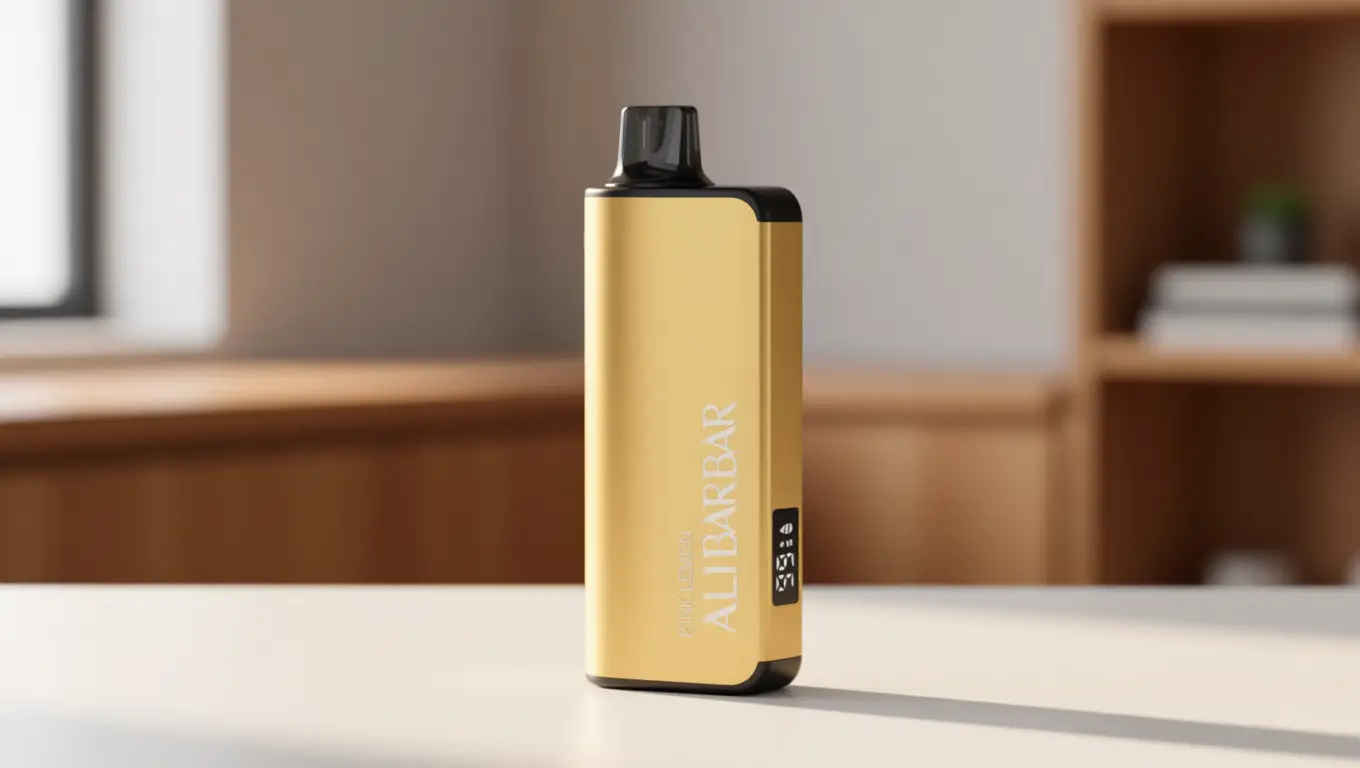
ALIBARBAR’s approach, as represented by the INGOT 9000, INGOT 15000, and Ice Adjust 12000 lines available through OZVAPE Shop, reflects a different philosophy. Instead of chasing a formal IP rating, the design emphasizes a nearly seamless molded chassis, low‑profile seam construction, and hydrophobic mesh over airflow channels. The absence of user‑removable battery doors and exposed adjustment buttons reduces potential ingress points compared with typical open‑pod rivals. While these devices are not immersible by design, anecdotal evidence and teardown examinations suggest that their build quality provides a meaningful degree of incidental‑contact protection. For a user whose primary concern is a quick fall into a sink, that design language often proves more relevant than a certification that applies to extreme outdoor conditions they will never encounter.
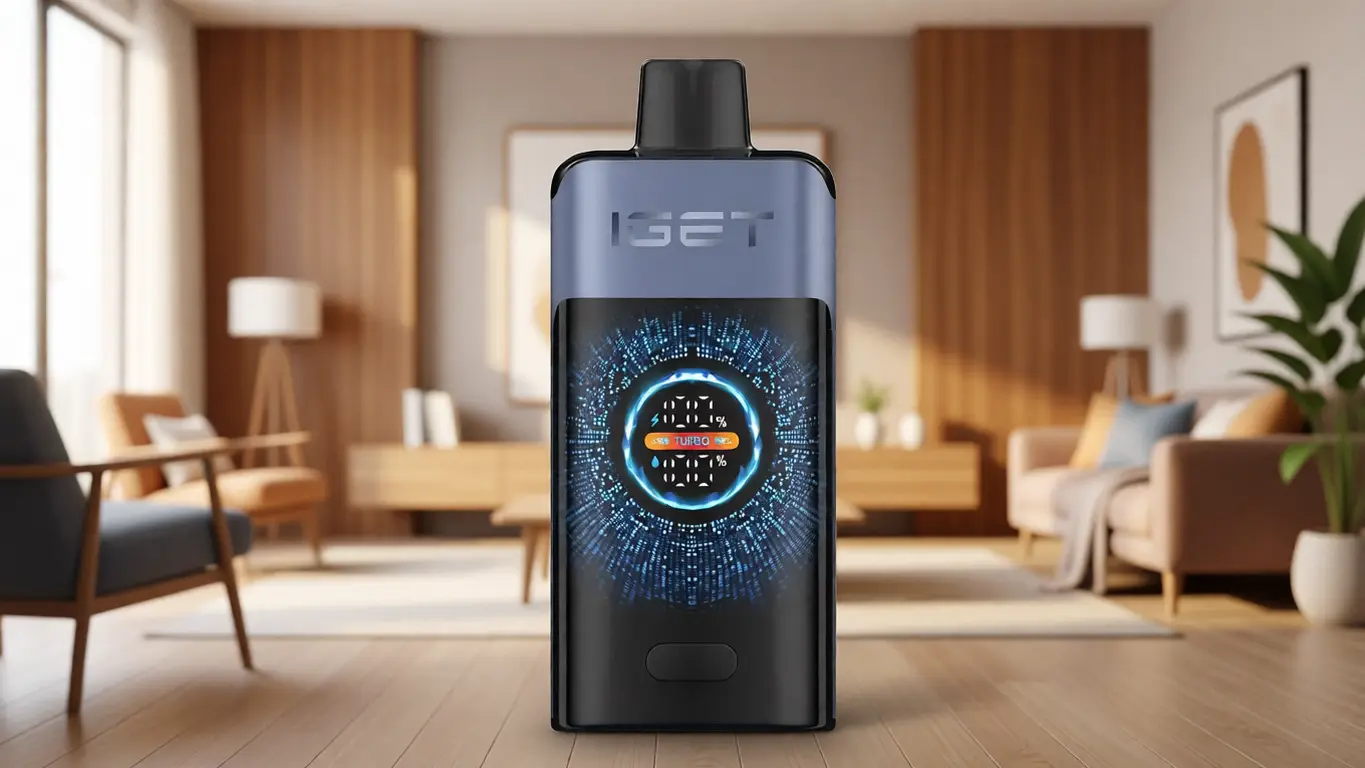
What this means practically: when you are evaluating a device through the lens of water resilience, you must weigh certified protection against mundane real‑world sealing. Both have value. The mistake is to assume visual similarity implies equivalent internals. Two devices that look externally alike can have entirely different internal exposure profiles, and only patient comparison of specifications — or buying through a retailer that does that work for you — reveals the difference.
A Practical Framework for Evaluation
When an accident happens, following a defined sequence dramatically increases your chances of saving the device. Use this framework as a checklist, and understand the logic behind each step.
Retrieve immediately, but do not operate.
Every second the device stays powered under water multiplies the damage. Resist the urge to test it. If the device has a manual power‑off sequence (five rapid clicks on many units), perform it only after pulling it from water, and only if you can do so without pressing the activation button.
Assess the ingress profile based on construction.
Look at the device. Is it a sealed monobody, or does it have removable parts? If it has a pod, remove it immediately to break any capillary connection. If a charging port is exposed, gently shake the device with the port facing downward to expel pooled water, but avoid vigorous shaking that could drive moisture deeper.
Externally dry with absorbent material.
Use a lint‑free microfiber cloth or paper towel to blot all surfaces. Pay special attention to seams, the mouthpiece opening, and any connector pins. Do not use heat guns, hair dryers, or radiators — excessive heat can warp plastic, damage battery seals, and accelerate corrosion by energizing electrochemical reactions.
For sealed units, use desiccant, not rice.
Place the device in an airtight container with silica gel packets or an indicating desiccant. Uncooked rice is a poor desiccant and introduces starch dust that can gum up connectors. Leave the device for at least 48 hours in a warm, dry environment. A spot near a router that emits gentle, constant heat can help raise the local temperature slightly above ambient without risk.
For modular devices, disassemble cautiously.
Remove the pod or cartridge and dry it separately. Inspect the battery section’s contacts for moisture. If the manufacturer allows battery removal (rare in the sealed-device category), take it out and dry the compartment with a cloth. Do not attempt to open a sealed battery pack yourself — the risk of damaging a cell wrap and causing a short is too high.
Post‑drying test sequence.
After at least two full days of drying, re‑assemble the device and turn it on without attaching a pod (if applicable). Observe the LED indicator. Does it light up normally? If yes, attach the pod and take a brief, cautious activation. If the device behaves erratically — such as self‑activating, refusing to turn off, or showing unusual heating — disconnect the pod immediately and consider the unit compromised. Erratic behavior indicates internal corrosion or remaining moisture bridges that can lead to unsafe conditions.
If the device fails, evaluate repurchase criteria.
Before buying a replacement, ask yourself: could a device with better ingress protection have survived? Does the retailer provide enough information on construction to gauge resilience? This is where a resource like OZVAPE Shop’s detailed specification sheets can redirect your next purchase toward a unit that matches your real‑life exposure risk rather than one you hope will survive.
Common Selection Errors and Industry Observations
Observing how users react after a water incident reveals patterns that are both predictable and avoidable.
Overweighting one feature while ignoring sealing integrity.
Some users fixate on battery capacity or puff count and neglect to consider whether the device can survive the conditions they routinely subject it to — a wet bathroom shelf, a garden table during light rain, or a pocket while washing hands. A 9000‑draw device that dies after one splash is functionally worse than a modest‑capacity unit that keeps working.
Assuming visual similarity implies equivalent engineering.
The market is flooded with devices that share the same external silhouette but differ radically inside. Counterfeit or uncertified copies frequently omit hydrophobic mesh, use thinner housing materials, and lack conformal coating. When a device is purchased from ambiguous third‑party channels, the user has no way to verify these missing protections until it is too late. Authorized supply chains — such as the one maintained by OZVAPE Shop — eliminate the uncertainty that enables this kind of premature failure.
Attempting aggressive forced drying.
A hair dryer aimed at the mouthpiece for five minutes might feel productive, but it often drives moisture deeper into the sensor cavity and damages plastic components. Similarly, placing a device in an oven at low temperature is a fire risk and can cause the battery’s internal separator to degrade. The slow, passive approach is always safer.
Undervaluing modularity in a water‑prone lifestyle.
If you frequently find yourself near water, a unit that allows you to discard the pod and continue using the power base is more economical than a fully disposable stick that becomes e‑waste after one accident. The life‑cycle cost analysis rarely factors in the user’s environment, yet for a significant subset of users, it should.
From an industry perspective, IP certification remains surprisingly uncommon in the compact device category because the testing process is rigorous and the cost is passed on. Many manufacturers instead pursue “splash‑resistant by design” — a phrase that is not standardised and therefore meaningless unless backed by transparent construction detail. As a consumer, you must learn to read between the lines of product pages. A clear 3D exploded‑view diagram showing internal seals and mesh placement tells you more than any marketing headline.
Frequently Asked Questions
Q: My device fell into salt water. Is the procedure different?
A: Salt water is far more damaging because it leaves conductive, corrosive residues even after drying. Rinse the device immediately with distilled water (if you have it) to flush out salt, then follow the standard drying protocol. The chances of full recovery are significantly lower, and long‑term corrosion inside the unit is almost certain.
Q: Can I use isopropyl alcohol to displace water?
A: High‑purity isopropyl alcohol (99%) can be used to rinse moisture off electronic boards in disassembled devices, as it evaporates quickly and does not leave conductive residues. However, on assembled devices, it may degrade adhesives, damage plastic finishes, or penetrate into components you cannot dry. It is not recommended unless you have professional‑grade repair knowledge and can dismantle the unit safely.
Q: If the device appears to work after drying, is it safe to keep using it?
A: Not necessarily. Hidden internal corrosion can progress slowly, eventually causing erratic behavior or increased resistance at a connection point. Monitor the device closely for the first few days. Any sign of uncontrolled heating, failure to power off, or unusual taste indicates that the internal chemistry has been compromised. Replace it if in doubt.
Q: Does a higher puff count device mean better water resistance?
A: No. Puff count is a function of battery capacity and power efficiency. It has no direct correlation with how well the chassis is sealed. There are high‑capacity devices that are very open internally and low‑capacity ones that are tightly sealed.
Q: Will the warranty cover water damage?
A: Almost universally, warranties exclude liquid damage because it is considered user‑inflicted. Some premium rugged devices have limited water damage policies, but standard consumer electronics do not. However, if you purchased from a retailer with a responsive support team, like OZVAPE Shop, they can still offer guidance on recovery and, in some cases, facilitate a discounted replacement even when a formal warranty does not apply.
Q: How can I tell if a device has conformal coating before buying it?
A: This information is usually not listed on consumer packaging. You may find it in technical documentation or teardown reviews from trusted sources. Some manufacturers mention it in trade‑focused materials. Buying from a retailer that verifies factory specifications gives you a higher likelihood that the device matches the manufacturer’s engineering‑level claims.
Q: Is it safe to use a device after it’s been fully submerged if I never pressed the fire button?
A: If the device was off or in standby, and you followed proper drying procedures, there is a reasonable chance it is safe — but never assume. A submerged but unpowered device may still develop corrosion over time. The only way to be entirely sure is to have a professional inspect the board. For most consumers, the pragmatic approach is to monitor it stringently and replace it if any irregularity appears.
Q: I used the rice method for a week and my device still won’t work. Did I do something wrong?
A: The rice method is largely a myth. Rice is a poor desiccant and leaves dust behind. The device likely had water damage that would have required proper desiccant treatment, and by leaving it for a week, corrosion may have already set in. The best next step is to accept that the unit may be irrecoverable and select a more resilient replacement.
Q: Are there any devices specifically designed for accidental water exposure that still look discreet?
A: Yes, certain manufacturers emphasize seamless construction and internal hydrophobic barriers without resorting to chunky “rugged” styling. ALIBARBAR’s current generation exemplifies this approach — compact, pocket‑friendly forms with attentive sealing of airflow paths and seams, providing meaningful everyday protection without a tactical aesthetic.
Q: Can I ship my device to OZVAPE Shop for inspection after a water accident?
A: While OZVAPE Shop does not operate a repair center, their support team can walk you through a structured troubleshooting sequence and advise whether the unit is likely salvageable. If a replacement is necessary, they can help you identify a model better suited to your environment based on your usage patterns and exposure risk.
Conclusion
Water and electronics will always be adversaries, but the outcome of their meeting is not purely a matter of luck. It turns on whether the device was designed with an awareness of real‑world mishaps, whether its status indicators give you clear feedback, and whether the user responds with deliberate, physics‑based steps rather than panic.
For anyone who wants to reduce the stress of the next inevitable accident, choosing a device that is built with integrity — with uninterrupted seams, intentional moisture barriers, and transparent operational feedback — is the most effective preparation. The OZVAPE Shop platform brings together devices that reflect that philosophy, backed by documented specifications and a local support team that treats recovery advice as seriously as the initial sale.
Ultimately, the right device is the one that survives your Tuesday, not the one that looks most impressive on a specification sheet. By applying the engineering lens this guide has laid out — assessing architecture, power behavior, sealing, and modular recovery paths — you can make that choice with confidence, and you can act correctly when the inevitable splash happens.