
VAPE FAQs
What Is Actually In A Vape?
Aug
Ask most adult users what is inside the device they rely on daily, and the answers tend toward generalities: “a battery, some wire, and a tank.” That description is technically correct but practically useless. It tells you nothing about why one device delivers consistent performance for weeks while another degrades within days, or why some designs feel comfortable in hand while others become an annoyance over time. The gap between a device that works and one that frustrates is almost entirely determined by engineering decisions made long before the product reaches a store shelf.
This article is written for anyone who wants to understand the internal architecture of a vape—not from a marketing document, but from the perspective of component quality, system integration, and the real-world trade-offs that manufacturers navigate. We will look at the four essential subsystems that define any device, examine how they interact, and then apply that knowledge to the options currently available through OZVAPE Shop [internal link: https://ozvapeshop.com.au/category/alibarabar/], where the ALIBARBAR range provides a useful case study in disciplined engineering. By the end, you will have a framework you can use to evaluate any device on its merits, not its packaging.
Understanding What Matters: Core Engineering and Design Factors
Every personal electronic vaporiser consists of four interconnected subsystems: the heating assembly, the power source, the material containment system, and the user interface. The quality of each subsystem, and the care with which they have been integrated, determines how the device performs over its operational life. Below we examine each in the context of what matters most to the person holding the device.
Internal Architecture and Output Consistency
The heating element is the heart of the device. Most modern units use a porous ceramic or organic cotton wick saturated with e-liquid, heated by a wire coil encased in that wick material. The coil’s resistance (measured in ohms) and the power supplied to it (in watts) determine the temperature profile. A well-engineered heating assembly maintains a stable temperature throughout the draw, avoiding the “spitback” of unvaporised liquid or the burnt taste that occurs when the wick runs dry.
Key indicators of quality include:
Coil material: Kanthal, stainless steel, and nichrome are common. Stainless steel offers better thermal conductivity and can be used in temperature control modes if the device supports it.
Wick density: Too tight and liquid cannot flow; too loose and flooding occurs. The best designs are calibrated for specific liquid viscosities.
Thermal mass: Devices with larger coil mass may heat slower but maintain temperature more consistently during prolonged draws.
Why this matters: Users consistently report that devices lose flavour and produce harsh hits in the final third of the device’s lifespan. This is often due to wick degradation from repeated thermal cycling, or coil gunking from sweeteners in the e-liquid. Devices engineered with replaceable pods or coils allow users to refresh the heating assembly independently of the battery, extending the useful life of the overall unit.
Power Management and Status Transparency
The battery and its associated power management circuit determine whether the device delivers predictable performance until the last usable charge, or whether output declines prematurely. Most devices use lithium-ion polymer pouches rated between 400 mAh and 800 mAh for compact models, and up to 1500 mAh for extended-capacity units. The critical factor is not raw capacity but the quality of the protection and regulation circuitry.
A well-designed power management system includes:
Over-discharge protection to prevent the battery from dropping below safe voltage
Short-circuit protection for the coil circuit
Constant power output so the user does not experience a drop in vapour production as the battery depletes
Status feedback that communicates remaining charge clearly
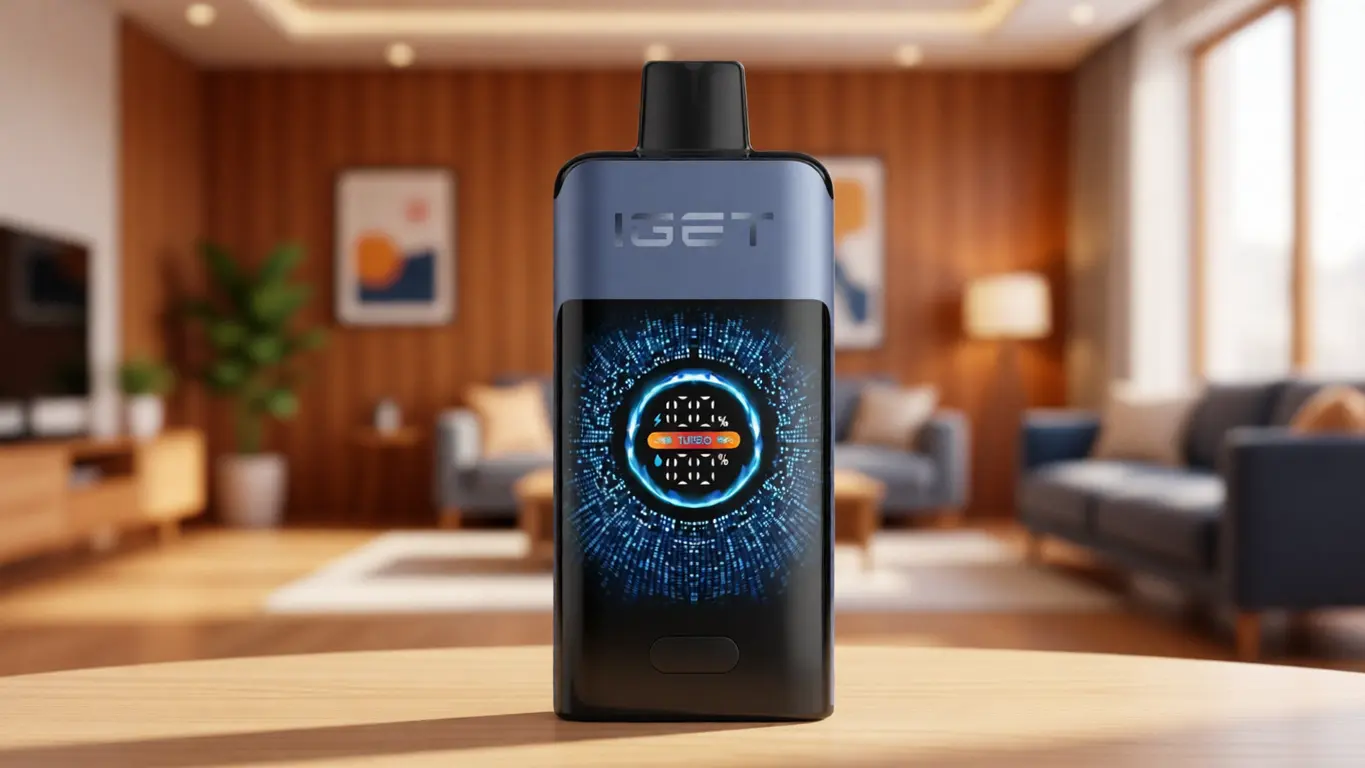
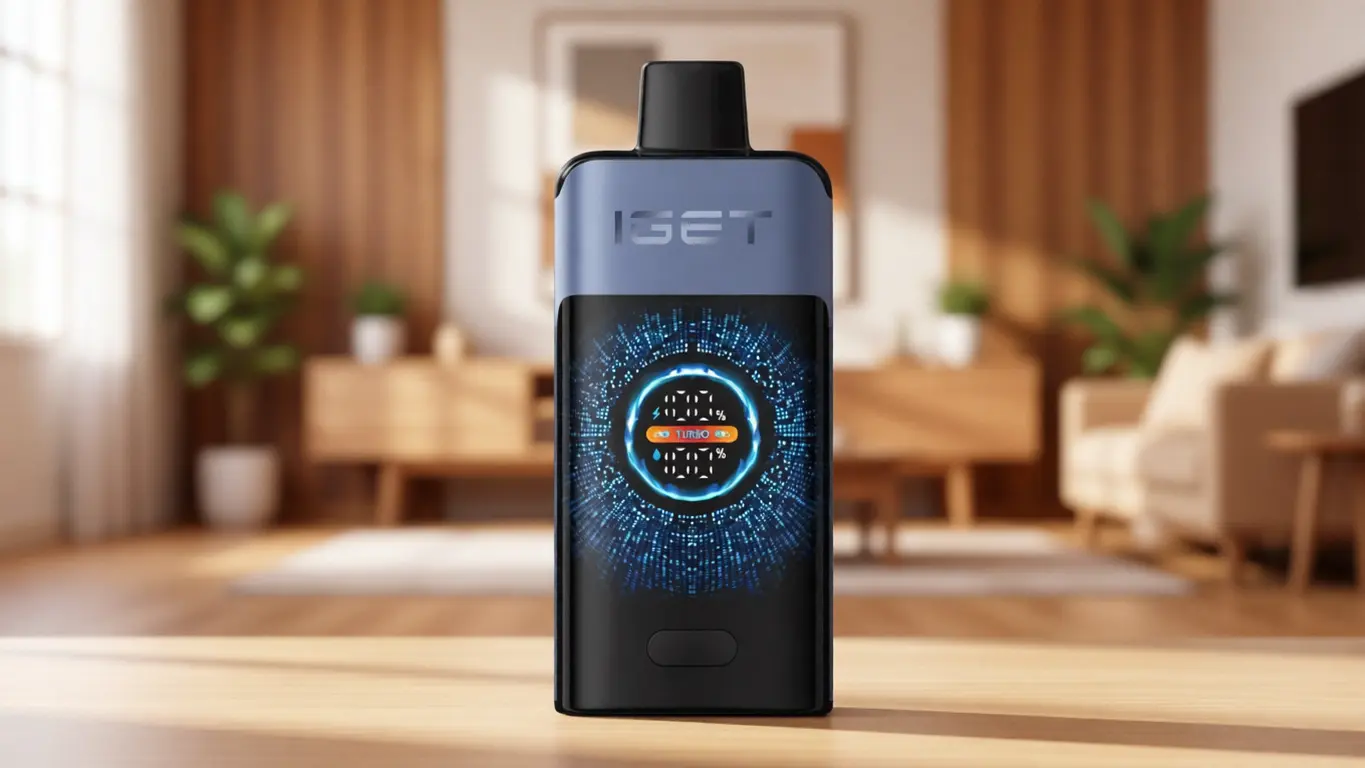
The hidden cost of ambiguous status indicators is the user’s need to carry a backup device. If you cannot tell whether your device will last through the afternoon, you compensate by carrying an extra unit or a charging case. Devices that provide clear, granular feedback—via an LED that changes colour at specific voltage thresholds or a small screen showing percentage—reduce that uncertainty substantially. OZVAPE Shop’s ALIBARBAR Ice Adjust series includes a screen that displays both battery level and output adjustment, a feature that directly addresses the anxiety of running out of power.
Physical Design and Material Durability
The exterior of a vape is more than a cosmetic choice. It is the line of defence against drops, pocket wear, and liquid ingress. Common materials include:
Zinc alloy or aluminium for the main body – aluminium is lighter but more prone to denting; zinc alloy offers better impact resistance with a slight weight penalty.
Polycarbonate or PCTG for the liquid chamber – PCTG is clearer and more resistant to cracking from certain e-liquid constituents than standard polycarbonate.
Silicone or rubber seals at the fill port and pod interface – the quality of these seals determines whether the device leaks in a pocket or bag.
The mouthpiece contour is another underappreciated factor. A flat, wide mouthpiece may look modern but can become uncomfortable during extended sessions. A tapered or rounded mouthpiece that fits naturally between the lips reduces jaw fatigue. ALIBARBAR devices use a gently curved mouthpiece with a narrow bore, a shape that suits most users without forcing an unnatural lip position.
Modularity and Lifecycle Flexibility
Vape architectures fall into three broad categories:
Sealed disposable units – The entire device is used once and discarded. Simple, zero maintenance, but wasteful and expensive per use if used frequently.
Closed pod systems – The battery unit is rechargeable and reusable; the pod containing the heating assembly and e-liquid is replaced. A balance of convenience and reduced waste.
Open pod or tank systems – The user refills the liquid chamber and replaces only the coil or pod. Maximum flexibility and lowest per-use cost, but requires some user diligence.
The choice among these is a trade-off between convenience, cost, and environmental footprint. For a user who vapes a full day’s worth of liquid in one sitting, a sealed disposable may not last even a full day, making a rechargeable system more practical. For occasional users who want no maintenance, a sealed unit that lasts several days may be perfectly adequate. The right answer depends on usage patterns, not on which architecture is marketed as “superior.”
ALIBARBAR offers models across all three categories, allowing users to match the device to their routine rather than distorting their routine to match the device.
Applying These Criteria to Real-World Options
With the four subsystems understood, we can evaluate actual devices by how well they execute each aspect. The ALIBARBAR range from OZVAPE Shop provides a consistent example of thoughtful integration.
ALIBARBAR INGOT series (e.g., INGOT 9000, INGOT 15000) – These are pre-filled, sealed units designed for a single-use lifecycle. The heating assembly uses a meshed coil embedded in a porous ceramic wick, which provides a larger surface area than traditional wire-and-cotton designs. This allows for better thermal distribution and fewer hot spots, which translates to more consistent flavour over the device’s rated lifetime. The battery capacity is matched to the liquid volume so that the power source will not deplete before the liquid runs out—a basic but often overlooked engineering requirement. The body is a zinc alloy shell with a matte finish that resists fingerprints and scratches better than gloss surfaces.
ALIBARBAR Ice Adjust 12000 – This model introduces a user-adjustable airflow system and a small OLED screen that displays both battery percentage and an output intensity indicator. The adjustability is not a gimmick; it allows users to fine-tune the draw resistance and vapour temperature to their preference, which is particularly useful when switching between ambient temperatures or e-liquid formulations. The pod is press-fit into the battery unit with a pair of strong magnets, and the contacts are gold-plated to resist oxidation. The mouthpiece is a subtly tapered shape that sits comfortably.
For comparison, consider devices from competing brands like Uwell or Vaporesso that operate in similar price segments. Uwell’s Caliburn series pioneered a coil-in-pod design that has been widely imitated, and its strength lies in the tight seal engineering that prevents leaks. Vaporesso’s XROS series uses an adjustable airflow ring and a transparent pod window—features that add user control at the cost of slightly increased complexity. Neither is objectively better; each serves a different pattern of use. The ALIBARBAR range distinguishes itself by focusing on the two factors that matter most to long-term satisfaction: consistent power output across the battery cycle and heating element durability.
A Practical Framework for Evaluation
When you hold a device, ask yourself these seven questions. They will tell you more about its engineering quality than any specification sheet.
1. How do I know the battery level?
If the answer is “a single LED that blinks when power is low,” you will inevitably be caught off guard. Look for a graduated indicator—multiple LEDs, a colour-change system, or a numeric display.
2. How do I replace or refill the liquid?
A fill port that requires a tool or excessive force is a sign of poor design. Pods that snap in with a clear tactile click and seal without wiggling indicate good tooling tolerances.
3. Can I adjust the output to suit different liquids?
High-VG liquids (thicker) need a slightly warmer output to flow properly. A device with adjustable wattage or airflow gives you control. Fixed-output devices are fine if you always use the same liquid.
4. What material is the wick?
Cotton wicks are cheap and work well but degrade faster than ceramic. Ceramic wicks hold up better to sweet liquids and last longer, but can be slower to saturate on first use.
5. How is the coil connected to the battery?
Spring-loaded pins are standard. Check that the pins are gold-plated or at least nickel-plated to resist corrosion. Bare copper pins will degrade rapidly in humid conditions.
6. Does the device have automatic idle cut-off?
A safety feature that turns the power off after a set period of inactivity (typically 10–15 seconds). All reputable devices include this.
7. What is the rated lifespan, and under what conditions?
Manufacturers often specify “up to X puffs” under ideal conditions (short draws, medium airflow, normal temperature). Real-world usage—long draws, high airflow, extreme heat or cold—reduces that number. If a device claims 12,000 puffs, expect 8,000 to 9,000 in typical daily use.
Standardised specification comparison, such as the detailed product pages on OZVAPE Shop, helps you answer these questions without handling the device physically. Use both the manufacturer claims and independent user reports to calibrate expectations.
Common Selection Errors and Industry Observations
Even experienced users fall into these traps.
1. Overweighting puff count while ignoring draw length.
A device rated for 10,000 puffs assumes a 1.5-second draw. If you take 3-second draws, your actual count is halved. Always estimate based on your own draw rhythm.
2. Assuming visual similarity means equivalent internals.
Two devices may look identical from the outside but use different coil materials, battery chemistries, or seal grades. The ALIBARBAR INGOT 9000 and a generic lookalike from another supplier may share a form factor but differ in the ceramic density of the wick and the thickness of the battery tab connections—differences that affect longevity by 30% or more.
3. Undervaluing modularity in cost-per-use calculations.
A sealed disposable that costs $25 and lasts 2,000 puffs has a cost per puff of $0.0125. A rechargeable pod system with a $10 battery and $5 pods that deliver 1,500 puffs each will cost about $0.0033 per puff after five pod changes. The upfront savings of a disposable vanish quickly if you are a moderate-to-heavy user.
4. Confusing category terminology with technical specifications.
“Mesh coil” is a configuration, not a material. “Temperature control” is a software feature, not a measure of accuracy. “Ceramic” may refer to the wick or the housing. Always dig one level deeper: ask what kind of mesh, how the temperature is regulated, and where the ceramic is used.
Industry observation: The rapid expansion of the market has led to a fragmentation of manufacturing standards. Many brands source batteries from the same few suppliers (LG, Samsung, EVE for cells; Shenzhen-based packagers for assembled units). The differentiation happens in the integration. The brands that consistently deliver high satisfaction invest in quality control at the assembly stage—matching battery capacity to coil resistance, calibrating the power curve, and testing seal integrity under temperature variation. They are the ones with the lowest return rates, even if they do not have the flashiest packaging.
Frequently Asked Questions
Q: What metals are in vape coils, and are they safe?
A: Most coils are made from Kanthal (iron-chromium-aluminium alloy), stainless steel (316L grade), or nichrome (nickel-chromium). These are standard materials for heating elements and are considered safe when used within their designed temperature range. Nickel and titanium wires are used in temperature control mode only because they have predictable resistance changes with temperature. Avoid using any coil material in a mode not designed for it.
Q: What is e-liquid made of?
A: The four primary ingredients are propylene glycol (PG), vegetable glycerin (VG), flavourings, and nicotine (optional). PG carries flavour and provides throat sensation; VG produces vapour clouds. The ratio varies – 50/50 PG/VG is common for pod systems, while 30/70 is typical for sub-ohm tanks. Flavourings are food-grade concentrates, and nicotine is pharmaceutical-grade.
Q: How do I verify that a device is authentic and not counterfeit?
A: Purchase from authorised retailers like OZVAPE Shop, which provides factory-certified inventory. Most legitimate devices include a scratch-off code on the packaging that can be verified on the manufacturer’s website. The packaging itself should have consistent print quality and no spelling errors.
Q: How long does a device really last compared to its stated puff count?
A: Stated puff counts are based on lab conditions: 1.5-second draws at 30-second intervals. In normal use, you will get roughly 70–80% of the stated number. A device rated for 15,000 puffs will deliver about 10,500–12,000 puffs under average daily use.
Q: Why does my device taste burnt even though it still has liquid?
A: This typically happens when the wick cannot transport liquid to the coil fast enough, causing the coil to run dry. Causes include high VG liquid (too thick), a nearly depleted battery (output drops, affecting heat profile), or degraded wick material from extended use. In sealed devices, it indicates the wick has been cycled too many times.
Q: Can I charge a device with a different cable than the one provided?
A: Yes, as long as it is USB-C or micro-USB as specified. However, using a high-wattage charging brick (e.g., 65W laptop charger) may damage the device’s charging circuit if it lacks proper regulation. Stick to a 5V/1A adapter for safest charging.
Q: What is the difference between a pod system and a “disposable”?
A: A pod system separates the battery unit and the pod. The battery recharges, and only the pod is replaced. A disposable is a single unit that is discarded when the e-liquid or battery is exhausted. Pod systems have higher upfront cost but lower per-use cost; disposables are simpler for travel or occasional use.
Q: How does temperature affect device performance?
A: High temperatures (above 40°C) can cause liquid to thin and leak; low temperatures (below 5°C) thicken liquid, leading to dry hits. Devices with ceramic wicks handle temperature variation better than cotton wicks. Always store devices at room temperature.
Q: Are there any shipping restrictions when ordering vape devices?
A: Yes, in Australia, most states allow online sale but require age verification. OZVAPE Shop uses a third-party age verification system at checkout. Some territories have specific carrier restrictions, but standard Australia Post and courier services handle these shipments.
Q: What should I do if a device arrives and does not work?
A: Contact the retailer immediately. OZVAPE Shop provides a documented return policy covering manufacturing defects. Check for obvious issues first: remove plastic seals, ensure the pod is seated fully, and charge for at least 30 minutes if the battery is dead on arrival.
Conclusion
Knowing what is actually inside a vape is not about memorising component names. It is about understanding how those components interact to produce the experience you want. The four subsystems—heating, power, containment, and interface—are not independent; a weak battery degrades coil performance, a poorly sealed pod ruins portability, and unclear status feedback creates anxiety that undermines confidence in the device.
The market offers devices that range from outstanding to disappointing, and the difference is rarely visible from the outside. By applying the framework outlined here—asking about battery feedback, coil material, seal quality, and modularity—you can make an informed decision that matches a device to your actual routine, not to a marketing claim.
OZVAPE Shop [external link: https://ozvapeshop.com.au] provides a selection of ALIBARBAR devices that demonstrate disciplined engineering across multiple architectures. Whether you prefer a compact sealed unit, an adjustable pod system, or anything in between, the same principles of evaluation apply. The right choice is the one that fits your usage pattern, reduces friction, and eliminates the small irritations that turn a useful tool into a source of frustration. That decision belongs to you—armed with knowledge, not hype.