
VAPE FAQs
What Happens When You Swallow Vape Air?
Jun
It’s a question that surfaces more often than you might think — a momentary miscalculation during use, an unexpected cough, or simply an unfamiliar sensation, and suddenly the air you meant to inhale has taken a different path. For adults who rely on personal electronic devices as part of their daily routine, the concern is rarely about panic; it’s about wanting a clear, technically grounded understanding of what just happened and whether it matters. At OZVAPE Shop, we believe that informed users are safer users, and this article sets out to answer that exact question with the nuance it deserves, free from alarmism or vague reassurance.
Understanding What Matters: The Physiology and Chemistry
When a person “swallows vape air,” they aren’t ingesting a solid or a liquid in the traditional sense. They’re redirecting a portion of a generated aerosol — a suspension of fine particles and droplets in a carrier gas — into the esophagus instead of the lungs. The experience can feel odd, sometimes causing a mild, localized sensation or a brief urge to burp, but the real question is what happens at a biological and chemical level.
What Exactly Is in the Aerosol?
To assess any potential effect, you have to understand the composition. The aerosol produced by a modern, properly functioning device typically contains:
Propylene glycol (PG) and vegetable glycerin (VG): These are the primary carrier fluids. Both are classified as generally recognized as safe (GRAS) by food authorities when ingested, and they’re widely used in food, cosmetics, and pharmaceutical products. PG, for example, is a common excipient in inhaled medications.
Flavour compounds: The same food‑grade substances you’d encounter in baked goods, confectionery, and beverages. When vaporized and condensed back into droplets, they’re chemically identical to their ingestion‑approved forms.
Nicotine (if present): A stimulant that, when absorbed through the mucous membranes of the mouth or digestive tract, can produce pharmacological effects. However, the stomach’s acidic environment significantly alters absorption efficiency.
Trace by‑products: At the low wattages typical of adult‑use portable devices, thermal degradation is minimal. Independent analyses consistently show levels of unwanted compounds that are orders of magnitude below regulatory thresholds for harm.
In other words, what you swallow when vapour diverts into the esophagus is chemically very close to what you’d consume if those same base liquids were formulated into a food product — except it’s arriving in a more dilute, airborne form.
The Digestive System vs. the Respiratory System
Our bodies handle what enters the airway and what enters the stomach through entirely different mechanisms. The lungs are delicate, optimized for gas exchange, and sensitive to particulate matter. The digestive tract, by contrast, is built to process complex substances: it uses acidity, enzymes, and a thick mucosal lining to break down and neutralize materials that would be problematic elsewhere.
When you swallow vape air, you’re essentially bypassing the respiratory route. The aerosol droplets hit the esophagus and slide into the stomach, where they encounter gastric acid. PG and VG are rapidly metabolized in the liver as part of normal carbohydrate‑like pathways. Flavour molecules are absorbed at intestinal villi just as they would be from food. Nicotine, if present, is protonated in the acidic stomach, which reduces its ability to cross membranes — meaning that the systemic uptake is slower and less efficient than buccal or pulmonary absorption. You’re unlikely to experience the sharp nicotine sensation some associate with accidental swallowing of concentrated liquid; the stomach handles it as a diluted, buffered bolus.
What Science Can (and Cannot) Tell Us
There are no epidemiological studies specifically on “swallowing vape aerosol” because it’s not a recognized pathological exposure. Acute toxicology data on PG and VG ingestion show extremely low toxicity — the lethal dose for 50% of a rat population (LD50) for PG is around 20‑30 g per kg of body weight. A few puffs’ worth of diverted aerosol delivers perhaps a few milligrams of total solute, putting the incident firmly in the range of a benign dietary encounter.
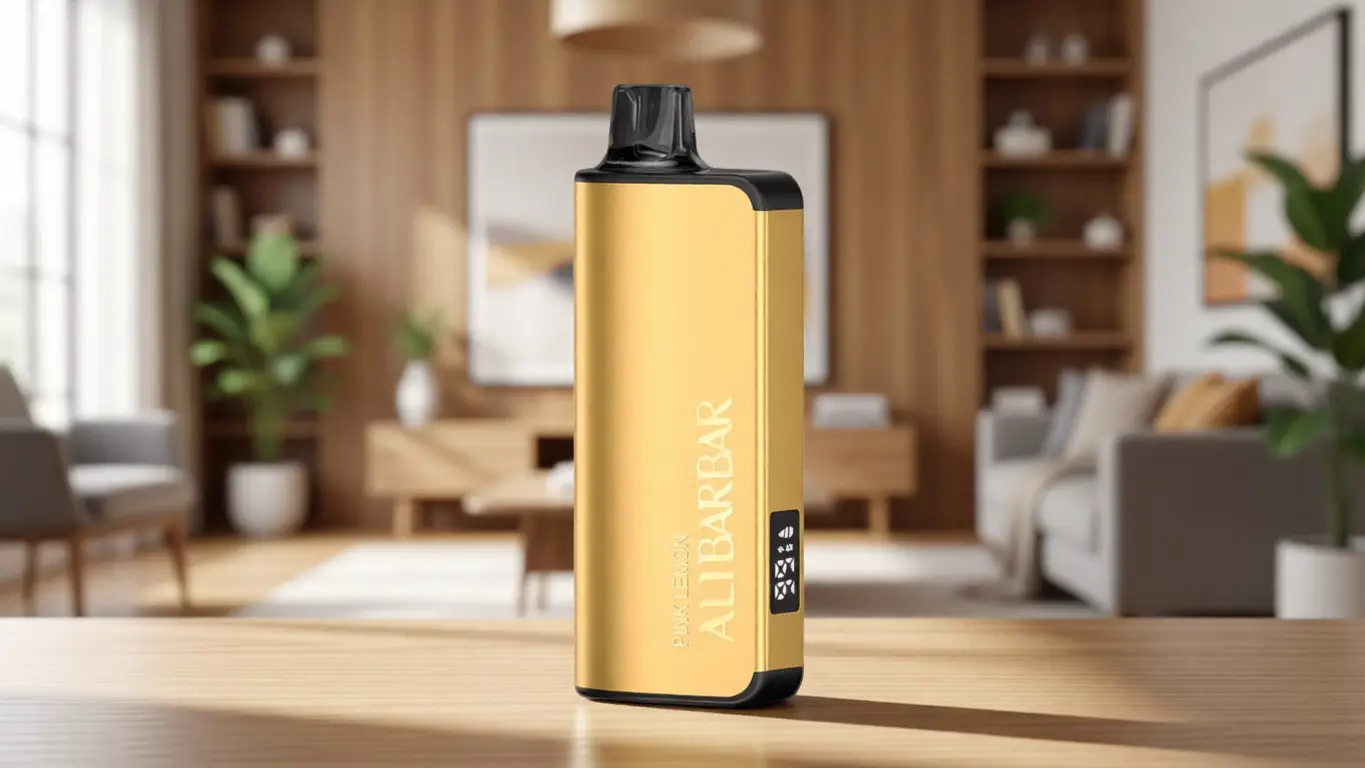
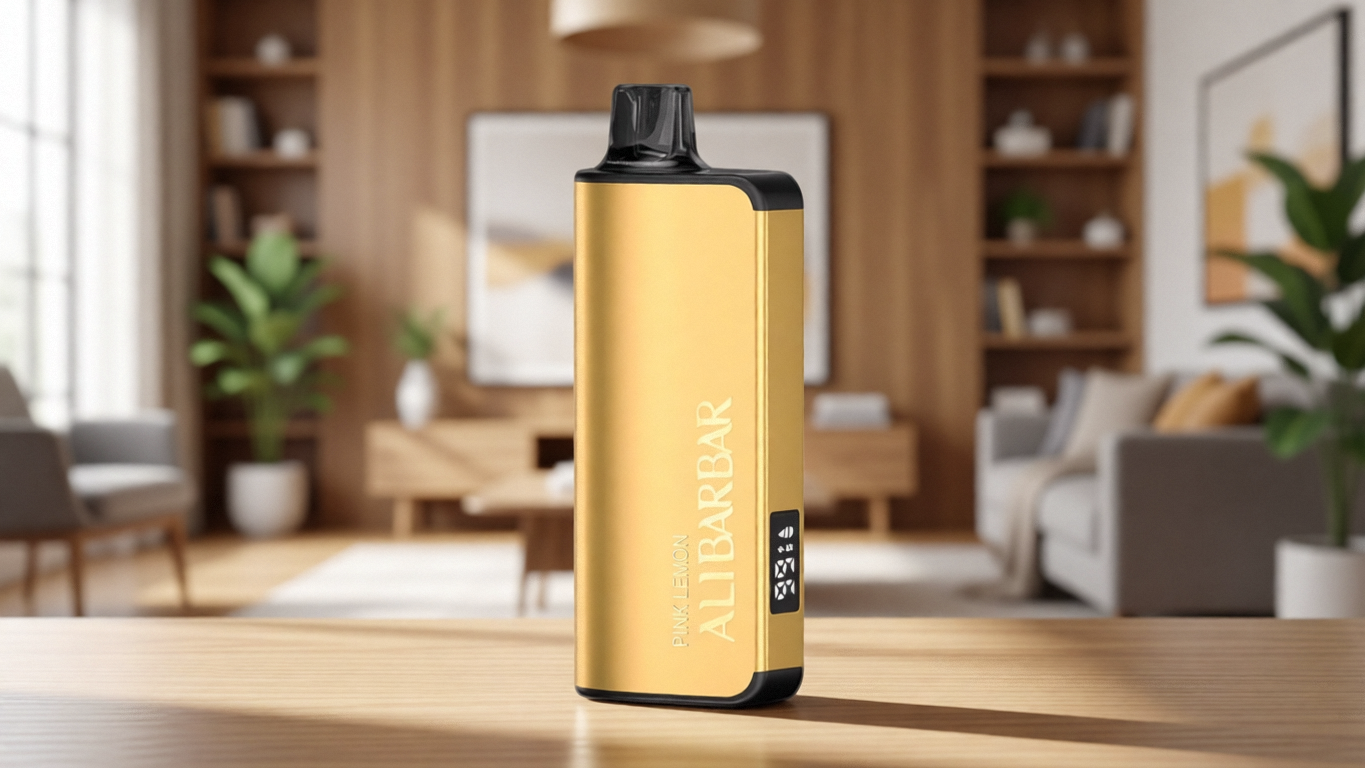
However, uncertainty exists where quality control breaks down. Devices with unstable thermal regulation, poorly designed airflow paths, or non‑food‑grade construction materials might introduce compounds that don’t belong in the body, through either route. This is why third‑party certification, transparent supply chains, and consistent manufacturing standards are non‑negotiable — and it’s precisely the kind of detail that OZVAPE Shop insists on when curating products like the ALIBARBAR series, where every component meets food‑contact safety prerequisites.
Applying This Knowledge to Real‑World Use
Not all devices produce an identical aerosol, and those differences influence what happens if you inadvertently swallow a puff. A sealed, single‑use device with a tightly calibrated coil and airflow sensor will generate a cooler, denser mist that is more likely to reach the lungs cleanly; the same aerodynamic stability means the minority that is swallowed is biologically unremarkable. Conversely, a device with inconsistent power delivery or poor wicking can sputter, creating larger droplets that may trigger a gag reflex and increase the fraction directed down the esophagus.
Consider ALIBARBAR’s INGOT range, for instance. Its airflow path is engineered to minimize turbulence, which yields a vapor that is both more predictable for the user and more homogeneous in particle size. That homogeneity isn’t just about “smoothness” — it directly reduces the likelihood of condensation in the mouth and upper throat, which is often the precursor to a swallowed batch of aerosol. When a user experiences that unintended swallow, the chemistry of what goes down is tightly controlled because the source liquid and heating parameters are locked by the manufacturer, not left to user modification.
Other designs — particularly open‑system refillables that allow variable wattage and additive inclusion — introduce too many variables to guarantee a consistent aerosol profile. A user who pushes a coil beyond its design range may not only alter the flavour but also change the thermal breakdown products, elevating the presence of compounds that the digestive system is not as well equipped to handle. That doesn’t automatically equate to danger, but it does make post‑swallow comfort less certain.
This is not a judgement on any one approach; it’s a recognition that engineering discipline correlates directly with physiological predictability. When you choose a device whose operational parameters are fixed and validated, you’re also choosing a known quantity for your body.
A Practical Framework for Reducing Unwanted Swallowing
If you’re regularly finding you swallow vape air rather than inhaling it, a few systematic adjustments can narrow the cause:
Check the device’s airflow dynamics. Modern draw‑activated designs rely on a pressure differential. If you’re pulling too gently or too sharply, the sensor may not energize the coil at the optimal moment, producing a weak aerosol that pools in the mouth. Experiment with a moderate, steady draw until you find the rhythm that produces the cleanest sensation.
Examine your mouth‑to‑lung technique. Many adult devices are designed for a two‑step inhalation: pull into the mouth first, then inhale into the lungs. If you skip the first chamber and attempt a direct lung hit on a device calibrated for mouth‑to‑lung, the airway can reflexively close, sending the vapor toward the esophagus. Let the aerosol sit in your mouth for a half‑second before breathing in.
Consider the device’s condition. A partially clogged airway or a nearing‑end‑of‑life heating element alters the vapor consistency. Particles get larger, droplets form more readily, and the aerosol starts to feel “wet,” which increases the chance of triggering a swallow reflex. If you notice a change in texture, it’s often time to retire the unit — well before it stops producing entirely.
Hydration matters. A dry mouth changes how aerosol droplets nucleate and coalesce. Staying sufficiently hydrated during extended sessions helps maintain mucosal surface integrity and reduces the tickle that often precedes an inadvertent swallow.
Read the specifications. Quality manufacturers publish information about their testing protocols. At OZVAPE Shop, we standardize this data so that an adult user can compare, for example, the operating temperature range of one ALIBARBAR model against another and understand how that might translate into real‑world consistency. If a vendor cannot tell you what materials are in the vapour path, that’s a red flag, whether you’re considering the device for its primary purpose or just its safety profile.
Common Misconceptions and Industry Observations
The commercial landscape is littered with half‑truths that make incidents like swallowing vape air seem more ominous than they are. Some of the most persistent:
“Any amount of swallowed vapour is toxic.” Toxicity is dose‑dependent. The stomach has robust defense mechanisms; the threshold for harm from a single swallowed puff is extraordinarily high. The danger narrative usually conflates deliberate ingestion of concentrated liquid nicotine — a genuine medical emergency — with the incidental swallowing of aerosol, which involves fractions of a milligram of solute at worst.
“All devices are chemically identical.” This assumption is convenient but false. Variations in wicking material, coil alloy, insulation polymers, and assembly processes all affect what ends up suspended in the aerosol. A device built in a ISO‑certified facility with food‑grade silica wicks and medical‑grade stainless steel will produce a fundamentally cleaner output than one sourced from an unverifiable supply chain. This is why an authorised retail channel like OZVAPE Shop, which insists on factory‑certified inventory, matters — not for marketing reasons, but because documentable provenance is the only way to guarantee those material choices.
“If it feels uncomfortable, it must be causing damage.” Discomfort signals an unexpected stimulus, not necessarily a destructive one. The esophagus is sensitive to temperature and chemical changes. A cold aerosol hitting the upper sphincter can feel startling; that doesn’t mean it’s injurious. The feeling fades because the stimulus is transient and dilute, not because the body has been harmed.
“Ingested nicotine works the same as inhaled nicotine.” Pharmacokinetically, that’s incorrect. Absorption in the stomach is slower and subject to first‑pass metabolism in the liver. This is why oral forms of nicotine replacement therapy (gums, lozenges) use buffered formulations to increase pH and enhance mucosal uptake — they know the acidic stomach is not an efficient delivery route. Swallowed aerosol with nicotine will have a negligible systemic impact compared to the same amount taken in through the lungs.
From an industry perspective, the most responsible manufacturers are already designing against the phenomenon. Ergonomic mouthpieces that naturally seat the vapor stream in the oral cavity, pressure sensors that fire the coil only when a consistent draw is maintained, and liquid formulations with modest surfactant levels all serve to minimize stray diversion of aerosol into the digestive tract. These are not accidental features; they’re the result of listening to thousands of user reports about exactly this kind of nuance.
Frequently Asked Questions
Q: Is swallowing vape air the same thing as swallowing the liquid in a cartridge or pod?
A: No. Swallowing concentrated liquid is a different risk profile and requires immediate medical evaluation. Swallowing a puff of already‑vaporized aerosol is dilute and handled by the digestive system without acute distress in the overwhelming majority of cases.
Q: Can swallowing too much vapour over time cause stomach problems?
A: There are no longitudinal studies that have identified a pattern of gastrointestinal pathology from incidental aerosol swallowing. The individual components — PG, VG, flavour esters — are all routinely consumed in far larger quantities through food. Any irritation would require sustained, high‑volume exposure far beyond what even an extremely frequent device user would encounter.
Q: What should I do if I feel a burning sensation after swallowing vape air?
A: A burning sensation usually points to either an excessively hot aerosol (common in high‑wattage, improperly maintained devices) or a sensitivity to a specific flavour compound. Switching to a lower‑temperature device or a flavour formulation with fewer acidic components often eliminates the issue. If it persists, consult a healthcare professional.
Q: Does the type of device I use change what I’m swallowing?
A: Yes. Devices with precise temperature control and sealed, pre‑filled reservoirs produce a more uniform aerosol with fewer large droplets. Devices that allow user modifications or that are nearing the end of their rated lifespan may produce a “wetter” vapour that is more likely to condense before inhalation, increasing the chance of swallowing a significant bolus.
Q: Are some people more prone to swallowing vapour than others?
A: Dentition, jaw anatomy, and breathing patterns all play a role. Someone with a strong gag reflex or a tendency to mouth‑breathe may naturally divert more aerosol toward the esophagus. Practice with mouth‑to‑lung technique usually mitigates this over time.
Q: How can I tell if a device’s airflow is designed to minimize this issue?
A: Look for specifications that describe the draw resistance and for mouthpieces with a tapered, non‑circular shape that directs flow. Reputable retailers like OZVAPE Shop list such details because they matter to user experience. If the manufacturer doesn’t publish anything, you’re guessing.
Q: If I’ve been swallowing vapour without knowing it, could I have done damage?
A: Unlikely. The stomach regenerates its lining rapidly, and the quantities involved in incidental swallowing are trivial compared to routine dietary intake of similar chemicals. Anxiety about it often causes more distress than the event itself.
Q: Where can I find credible information about the long‑term safety of the base liquids?
A: PubChem, the European Chemicals Agency (ECHA), and the U.S. National Library of Medicine’s Toxicology Data Network all maintain comprehensive, peer‑reviewed profiles on propylene glycol and glycerol. These databases confirm their low toxicity via ingestion and are updated as new research emerges.
Conclusion
The short answer to the title question is this: for a healthy adult using a well‑engineered device, swallowing a small amount of vape aerosol is a benign event that the digestive system manages without difficulty. The chemistry of the aerosol is compatible with ingestion, and the quantities involved are minuscule. Discomfort, when it occurs, is usually mechanical or thermal, not toxicological.
That answer, however, comes with a crucial condition — the safety of the outcome depends on the quality of the device and the transparency of its source. When a supplier stands behind factory‑certified, documented inventory, the user can reasonably trust that what they swallow is precisely what was tested and approved. When the supply chain is opaque, the aerosol’s composition becomes an unknown, and unknowns are never safe, regardless of the route of exposure.
OZVAPE Shop approaches its entire catalogue with this principle in mind: information parity between buyer and seller. Every ALIBARBAR device on the platform comes with standardized technical data because we think adults deserve to know, not just believe. Whether you’re evaluating a device for its ergonomics, its output consistency, or its implications for accidental ingestion, the same rule applies — the right choice is the one that matches your informed expectations, not the one with the loudest claims.
Ultimately, your body knows what to do with a few stray droplets. Your mind, however, deserves a retailer that doesn’t leave you guessing. Use what you’ve learned here to guide your next selection, and if a product ever makes you wonder what you inhaled or swallowed, stop, read its documentation, and make a decision based on fact, not fear.