
VAPE FAQs
What Happens If You Vape In Your House?
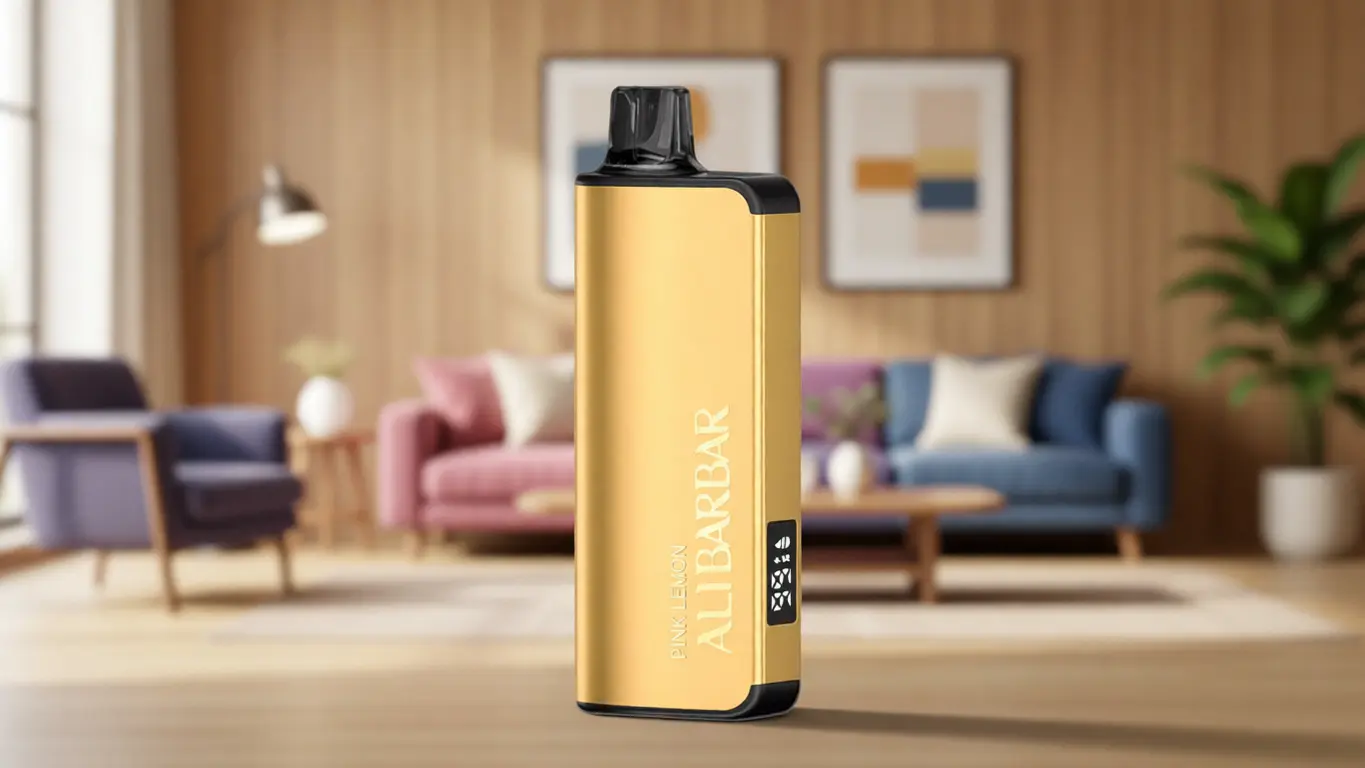
Sep
For many adults who rely on compact electronic devices as part of their daily routine, the question of whether to use them inside the home is more practical than philosophical. It surfaces when cold weather makes stepping outside unappealing, when household members have differing views, or when you simply want to understand what builds up on surfaces after weeks of regular use. The discussion rarely starts with engineering — but it should. The physical behaviour of the aerosol, the consistency of the device that produces it, and the way the home environment retains or disperses particles all interact in measurable ways.
Clarity on these interactions has long been undermined by sweeping claims and emotional anecdotes. At OZVAPE Shop, an authorised source of factory‑certified personal electronic devices, we have spent years gathering observations from adult users and studying the design choices that turn a potentially messy, unpredictable experience into one that can be managed with simple household practices. This article unpacks what actually happens when you vape indoors, separating documented physical realities from persistent myths. It examines the role device engineering plays in those outcomes and provides a framework for anyone who wants to use their device responsibly inside their own home without compromising on cleanliness or consideration for others.
The Physics of Indoor Vaping – What You’re Actually Releasing
The most important starting point is to abandon the mental model of smoke. A well-functioning device does not produce smoke; it produces a liquid aerosol — a suspension of fine droplets in air, composed primarily of propylene glycol, vegetable glycerin, flavour compounds, and, depending on the formulation, nicotine. These droplets are larger and heavier than the solid particulates found in combustion smoke, which means they settle out of the air more quickly, typically within minutes rather than hours. However, “settling” is not the same as vanishing. The droplets land on textiles, on hard surfaces, on electronics, and, over time, a thin film can accumulate.
The composition of that film is worth understanding. Propylene glycol and vegetable glycerin are hygroscopic; they attract and hold moisture. This helps explain why regular indoor use in a poorly ventilated room can lead to a faint, slightly sweet residue on windows — not dissimilar to what appears when a humidifier runs on hard water, but chemically simpler. Long-term studies specifically focused on indoor vaping residue are limited, yet the available data, including controlled environment work published in the journal Indoor Air, demonstrate that aerosol components deposit on surfaces and can persist unless cleaned. Nicotine, when present, can bind to fabrics and may slowly oxidise, leaving a barely detectable yellowish tint on white surfaces if those surfaces are never wiped down. The risk of significant staining is low with occasional cleaning, but understanding the mechanism matters because it puts the user in control rather than in a position of guesswork.
Engineering Factors That Determine Indoor Experience
Not all devices behave the same way when used indoors, and the differences are not cosmetic. They trace directly to how a device manages liquid, power, and airflow. A user who understands these variables can make decisions that dramatically reduce the chance of residual odour, leakage, and that stale‑air sensation that prompt complaints from co‑habitants.
Consistent Output and Leak‑Proof Architecture
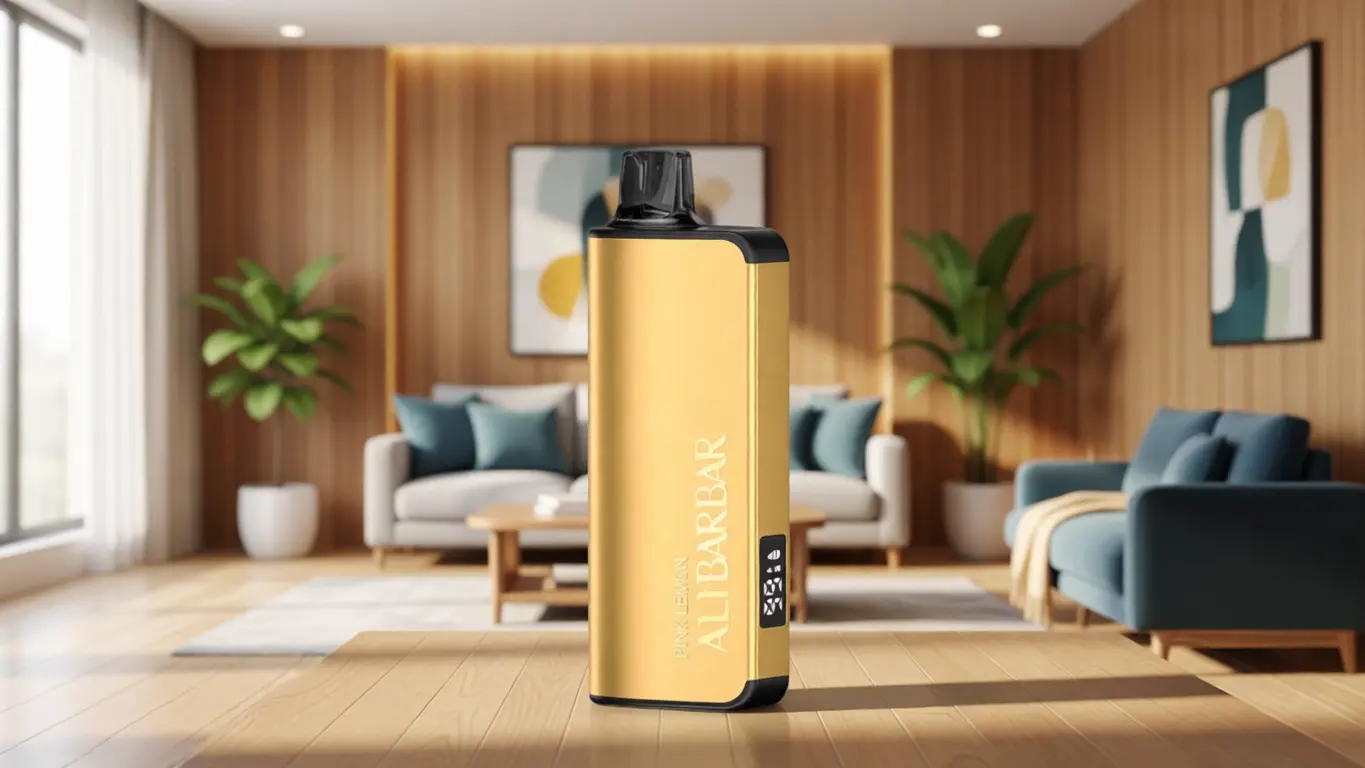
Leakage is the single greatest source of indoor nuisance. A device that weeps e-liquid in a pocket will do the same when left on a nightstand, leaving a sticky spot that attracts dust and carries a concentrated scent. Many of the frustrations documented in the wider market — accidental staining of furniture, sudden malodour noticeable upon re‑entering a room — originate not from deliberate use but from a poorly sealed pod or tank. Devices engineered with multi‑layer silicone sealing, precision‑moulded mouthpieces, and internal pressure balancing eliminate these problems at the source. The ALIBARBAR range, for example, was built around exactly this frustration: its designers observed that even high‑rated devices could dribble under temperature changes or after being carried in a bag. By using integrally sealed reservoir structures and high‑tolerance coil housings, they achieved near‑zero weeping across the entire lifecycle of the unit. In practical terms, this means that when you place the device on a shelf after use, nothing escapes.
Power Management and Predictable Temperature
A subtler but equally important factor is thermal control. A device that applies power erratically can overheat the liquid, producing a harsher, more acrid vapour that lingers differently. Burnt‑tasting hits are not just unpleasant; they fill a room with compounds that adhere more stubbornly to surfaces. Proper power management — through calibrated microprocessors that read coil resistance in real time — ensures that every activation delivers the same vapour composition. ALIBARBAR’s status‑transparency philosophy, where remaining charge and functional health are communicated through clear LED feedback, directly reduces the likelihood of a user continuing to draw on a depleted or stressed coil. When you know exactly where the device stands, you stop before thermal degradation sets in. That predictability is as relevant to indoor air quality as it is to personal satisfaction.
Physical Design That Supports Household Consideration
Ergonomics and materials also play a role. A mouthpiece that stays cool during extended use prevents the accumulation of condensed droplets on the lips, which might otherwise transfer to surfaces or skin. Surface finishes that resist pocket lint and fingerprints also resist the gradual build‑up of household grime when the device sits on a desk for hours. The ALIBARBAR design team paid considerable attention to this, selecting coatings that survive repeated wiping without dulling — a small detail, but one that keeps the device from becoming a visual eyesore in shared living spaces.
Practical Observations from Daily Home Use
Adult users who systematically track their experience tend to report a pattern that mirrors the engineering above. In a home where the device is a sealed, leak‑free unit, the olfactory impact after a single session is usually gone within five to ten minutes. Persistent scent becomes noticeable only when ventilation is poor and sessions are frequent, and even then, it is more of a stale‑sweet undertone than the penetrating tang of burnt tobacco. One pattern that emerges from OZVAPE Shop’s post‑purchase conversations is that users who initially worried about leaving a permanent smell later remarked that the faint aroma reminded them of a scented candle’s aftermath — present, but not intrusive, and easily dispersed by opening a window.
This does not mean vapour leaves no trace. In windowless bathrooms or tightly sealed bedrooms, repeated use can coat lightbulbs and glass with a slight film that diffuses light differently. The good news is that a weekly wipe with a damp cloth is sufficient to eliminate it. The engineering premium in a device like the INGOT 9000 or ICE Adjust 12000 — both featuring sealed liquid chambers and precision wicking — directly translates into fewer airborne splatter events that cause those uneven deposits in the first place.
Managing the Home Environment – A Practical Checklist
Your own behaviour often outweighs the device’s baseline performance. A few simple adjustments make indoor use essentially undetectable:
Cross‑ventilate during and after sessions. A five‑minute window opening is more effective than leaving a fan running in a closed room because it replaces the entire air volume rather than simply circulating it.
Position the device away from walls and fabrics. The aerosol plume carries a short distance; directing it toward an open space rather than a curtain drastically reduces residue.
Use a HEPA‑rated air purifier if you are especially sensitive or have occupants with respiratory concerns. These units capture aerosol droplets before they settle.
Establish a weekly surface‑wipe routine focusing on glass and glossy tabletops, where residue first becomes visible.
These steps are not admission of a problem — they are the same standard practices recommended for cooking, using humidifiers, or burning candles, all of which also introduce airborne particulates into the home.
Common Misconceptions About Indoor Vaping
The internet propagates several oversimplifications that deserve correction.
Myth: Vapour is pure water and disappears harmlessly.
Vapour is an aerosol of droplets that carry multiple compounds. They do settle, and they can leave residues. Harm is a relative term; the residue is far less complex and less tenacious than cigarette smoke, but it is not nothing.
Myth: A device that looks expensive won’t leave any trace.
A high purchase price does not guarantee internal sealing. Visual similarity between units often masks dramatically different engineering. A $20 device and a carefully designed sealed‑pod system can appear nearly identical to the untrained eye. What matters is the quality of the gaskets, the tolerance stack‑up, and the coil‑wick interface — factors you can verify by checking for third‑party teardowns or by noting whether the manufacturer prominently describes anti‑leak features.
Myth: All residue is the same regardless of device.
Leaking liquid leaves a concentrated, smelly spot that attracts dirt. A cleanly vapourised aerosol from a stable thermal system deposits an almost imperceptible film. The difference is stark and drives many indoor complaints.
Myth: A little leakage is normal and harmless.
Leakage indicates a failure of the fluid path. Beyond the nuisance, it is a sign that the device will likely degrade faster, forcing a premature replacement. It is not a design feature to be tolerated.
Frequently Asked Questions
Q: Will vaping indoors set off a smoke alarm?
A: Photoelectric smoke alarms, which respond to particle density, can be triggered if you exhale aerosol directly into the sensor. Ionisation alarms are less sensitive but not immune. Best practice is to stay several metres away from any detector and ensure ventilation. A sealed device producing consistent vapour at a moderate power level is less likely to generate the thick, sustained cloud that causes alarms to trip compared to a device with poor temperature regulation.
Q: Is the residue harmful to children or pets?
A: Nicotine residue is toxic if ingested in concentrated form. With a sealed, leak‑free device, accidental exposure is minimised because e‑liquid stays contained. However, surfaces should be cleaned regularly. If a device leaks, the e‑liquid can puddle and pose a real ingestion risk, which is why leak‑proof design is a safety feature, not a luxury.
Q: How long does the odour last in a furnished room?
A: Under typical conditions with moderate use, a distinguishable odour dissipates in under ten minutes. Lingering scent after a day is unusual unless there is poor air exchange or heavy, repeated use. Odour binding to curtains or upholstery is far weaker than with tobacco smoke, and regular laundering of soft furnishings eliminates it.
Q: Can I vape in a rental property without risking my bond?
A: Most rental agreements do not explicitly prohibit the use of personal electronic devices indoors, but any residue that requires repainting or deep cleaning could theoretically be cited. The reality is that with a leak‑free device and the cleaning routine described earlier, no lasting mark develops. If you are concerned, a dedicated cleaning once before the final inspection is a sensible precaution.
Q: Does the type of e‑liquid make a difference to in‑home mess?
A: Vegetable glycerin‑heavy liquids produce denser clouds that settle more rapidly and can leave a slightly stickier film. Higher propylene glycol formulations create a shorter‑lived aerosol. Neither is inherently better; it is a trade‑off you can manage through ventilation.
Q: What is the best device for discreet indoor use?
A: Look for a sealed‑pod system with documented anti‑leak engineering, consistent power delivery, and a moderate vapour output. The specific choice depends on your preferred form factor and capacity needs, but as a reference, ALIBARBAR’s INGOT series is frequently mentioned by users who value cleanliness and predictability. OZVAPE Shop’s specification sheets allow you to compare leak‑proof ratings and coil architectures side‑by‑side before deciding.
Q: How do I know if a device is truly leak‑proof before buying?
A: Examine the manufacturer’s description for specific sealing technologies: multiple silicone rings, press‑fit coil chambers, and atmospheric pressure compensation. Customer service teams at authorised retailers like OZVAPE Shop can also confirm which models have the lowest reported leakage rates based on actual user feedback.
Q: Is it better to use a device only outdoors to avoid any residue completely?
A: That is the simplest way to eliminate indoor deposition entirely. However, for those who choose to use a device indoors, the combination of a well‑engineered, sealed unit and basic ventilation reduces the impact to a level that most people find entirely manageable.
The Right Device, The Right Routine
The question of what happens when you vape indoors is ultimately a question of control. The aerosol will always deposit; physics doesn’t offer an exemption. But the difference between a sticky, odorous mess and a barely perceptible, easily cleaned film is determined first by the device’s internal architecture, and second by your own habits. Investing in a unit that doesn’t leak, doesn’t overheat, and communicates its status plainly transforms indoor use from a vague anxiety into a predictable, low‑impact routine.
That is the reasoning behind the meticulous design standards reflected in the ALIBARBAR range, and it is why OZVAPE Shop chooses to make those devices available through a channel that prioritises transparent specifications and responsive local support. Not because any product can claim to leave zero trace, but because the right engineering gives you the tools to manage your environment on your own terms. The most informed users are the ones who match the device to their actual living situation, clean with regularity, and then stop worrying. That clarity is worth far more than any advertised feature.