
VAPE FAQs
What Happens If Vape Falls In Water?
Sep
What Happens If Your Device Falls In Water?
A Technical Analysis of Water Ingress in Portable Electronic Vaporizers
Most adults who carry a portable electronic device daily will, at some point, encounter the stomach-dropping moment when it slips from a pocket, slides off a table, or gets knocked into a sink, puddle, or glass. The immediate question is always the same: Is it ruined? The answer is not a simple yes or no. It depends on the design of the device, the type of water involved, and—most critically—what you do in the thirty seconds after retrieval. Missteps in those first moments can turn a recoverable situation into irreversible damage, while a deliberate, informed response can sometimes return a device to safe, functional service.
At OZVAPE Shop, we see this scenario frequently enough that we consider a grounded understanding of water exposure to be an essential part of responsible device ownership. This article examines what physically happens inside a personal electronic vaporizer the moment it contacts water, outlines a safe and effective recovery protocol, and provides a practical framework for deciding whether a device can be trusted again—or should be replaced.
Understanding What Happens: The Three-Stage Threat
Water does not damage electronics simply by being wet. The damage arises from a sequence of physical, chemical, and electrochemical processes that begin instantly and can continue long after the device appears dry.
The Immediate Electrical Threat
Modern portable vaporizers are powered by lithium-ion cells controlled by a microcontroller on a printed circuit board (PCB). Water—especially tap water or any liquid containing dissolved salts—is conductive enough to create unintended pathways between closely spaced pins, traces, and component legs. When the device is powered, even in standby mode, these pathways can:
Cause a short circuit that draws sudden high current, potentially burning out a voltage regulator, microcontroller, or the battery’s protection circuit.
Trigger the battery’s protection MOSFET to latch off, which may explain why a wet device initially appears completely dead.
Send erratic signals to the control chip, resulting in phantom activation, LED flickering, or failure to respond to button presses.
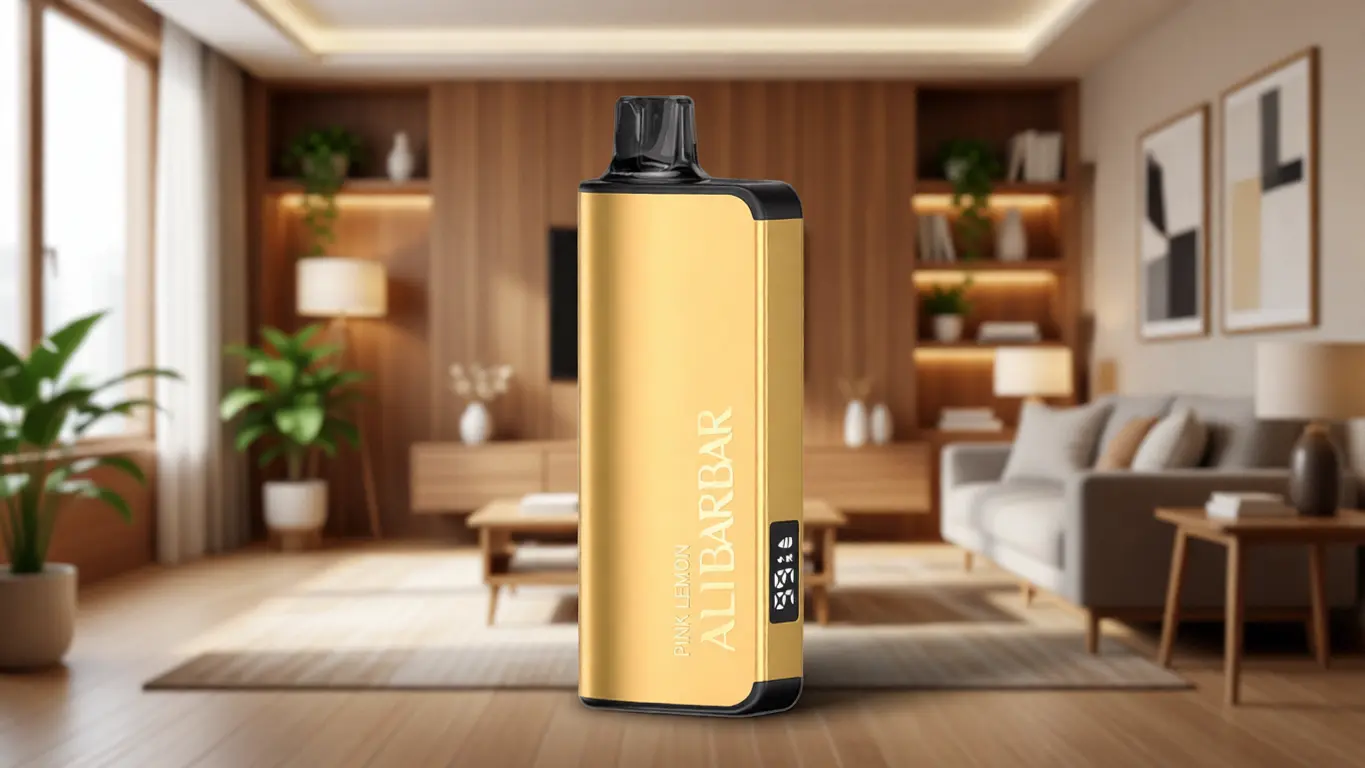
If the power source is a non-removable, sealed lithium-ion pouch cell (common in many compact devices, including several ALIBARBAR series), the short can generate enough localized heat to begin thermal decomposition of the electrolyte before any external sign of trouble is visible. This is why the first rule is always: do not attempt to fire or charge the device, and if it is on, do not press any button.
Chemical Degradation Over Time
Even if a device survives the initial short, corrosion begins within hours. Water acts as an electrolyte, and the combination of moisture, oxygen, and voltage potential between adjacent copper traces starts an electrochemical reaction. The result is dendritic growth and metal migration that can:
Form conductive whiskers between solder joints, creating latent short circuits that manifest days or weeks later.
Dissolve thin copper traces entirely, causing open circuits that do not appear until the device is next subjected to vibration or a temperature cycle.
Contaminate the battery management board’s sensitive analog front-end, permanently degrading its ability to balance charge or accurately report state-of-charge.
Salt water, chlorinated pool water, and even soft drink spills are particularly aggressive because the dissolved ions dramatically accelerate corrosion rates and leave hygroscopic residues that pull moisture from the air, keeping the interior damp long after external drying.
Physical Swelling and Pressure Build-Up
Most users underestimate the mechanical threat. A lithium-ion pouch cell is sealed under vacuum, but the tabs where current collectors exit are a vulnerable entry point. If water reaches the cell’s interior, it reacts with the electrolyte and the lithiated graphite anode, producing hydrogen fluoride gas (among others) and causing the cell to swell. A swollen battery is structurally compromised; continued use risks rupture, which in a sealed device with no venting path becomes a pressurized container. This is why any device that has been fully submerged and shows later bulging of the case must be immediately set aside for safe disposal.
Immediate Steps After Water Exposure: A Protocol
The window for effective action is narrow. Here is the sequence recommended by failure analysis engineers who study consumer electronics, adapted specifically for the architecture of portable vaporizers.
Retrieve immediately. Every second of immersion increases water penetration along capillary paths—through the USB port, around the button membrane, and into the gap between the chassis and any top or bottom cap.
If the device is on, do not press buttons. Pressing a switch can send a current pulse into a wet circuit. If the device has a user-removable power source (a rare feature among compact designs, but present in some modular systems), remove it immediately. For sealed units, there is nothing to disconnect; proceed to drying.
Shake out visible water, then blot. Use a lint-free cloth to absorb what you can. Do not use compressed air; it can drive water deeper into connectors and under chips.
Place the device in a desiccant environment. The most effective method is to seal it in an airtight container with a reusable silica gel desiccant pack (like those shipped with many electronics). If the device has a USB port, orient it so that port faces downward to encourage drainage. Avoid rice—it introduces starch dust, provides no meaningful humidity control, and is a poor desiccant. Professional repair labs use silica gel, molecular sieves, or vacuum drying.
Allow at least 48 hours of drying before even considering re-insertion of a power source or attempting activation. In high-humidity environments, extend this to 72 hours. Do not apply heat from a hair dryer, radiator, or oven. Temperatures above 45°C can damage the battery’s separator and accelerate electrolyte decomposition.
After drying, inspect what you can. If the device has a removable pod or cartridge, look into the connection bay for any white residue or visible corrosion. If you see any, the device should be considered non-recoverable without professional board-level cleaning—which is almost never cost-effective for sealed consumer units.
Long-Term Risks and When Replacement Is the Only Sensible Option
Many users conflate “it powers on” with “it is safe and reliable.” This is a dangerous assumption. Even if a water-exposed device appears to function normally after drying, latent damage may be present. Consider the following:
A battery protection circuit that has taken a partial hit may fail to open under an over-current condition weeks later.
A voltage regulator with corroded feedback pins may slowly drift out of specification, overcharging the battery or starving the microcontroller until it malfunctions.
A compromised moisture seal on a USB port will allow humidity ingress during normal daily carry, compounding the original damage.
For sealed, non-serviceable units—which represent the majority of the current market—there is no way to inspect the board or battery, and no practical method of removing corrosion by-products. Therefore, if a sealed device has been fully submerged and taken on water through an opening, the only responsible recommendation is to retire it. The cost of a replacement is far lower than the potential consequences of a lithium-ion failure inside a pocket or bag.
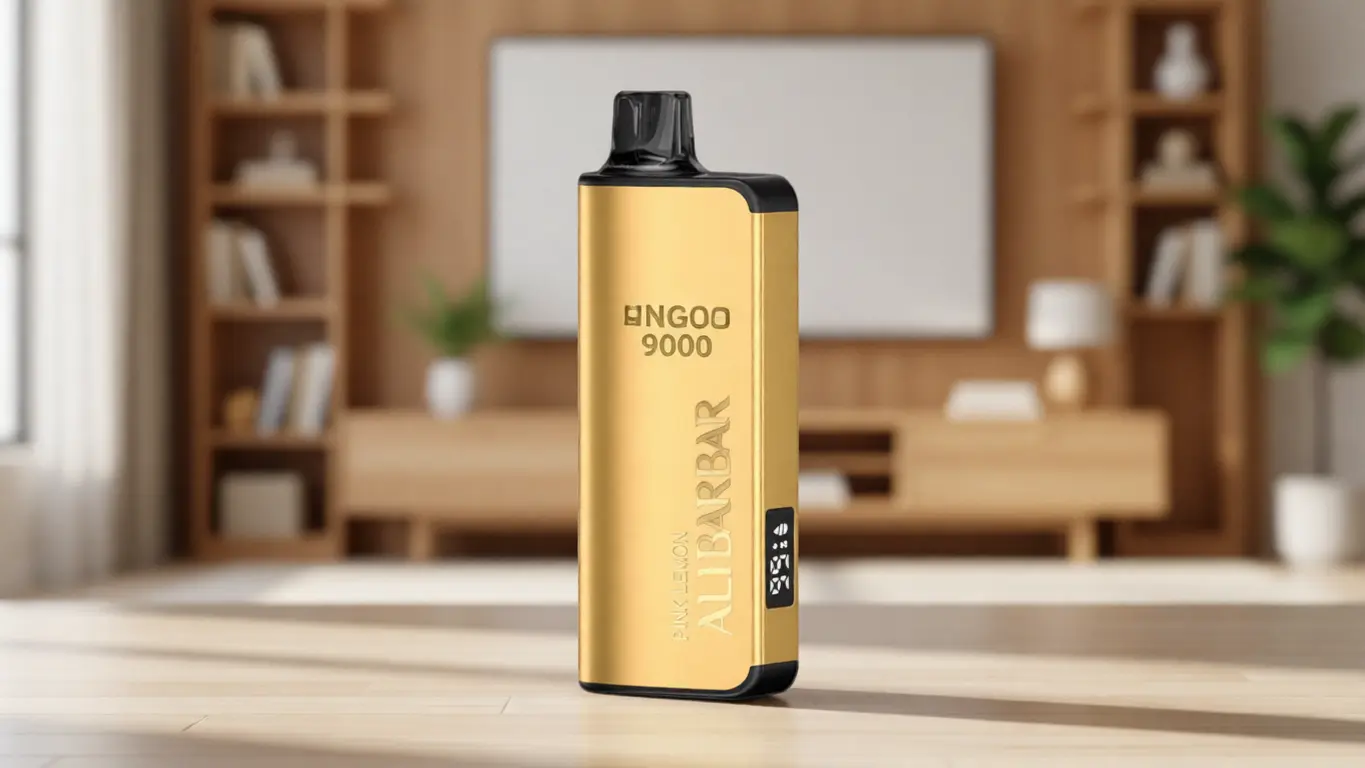
This is where knowing your device’s architecture matters. Some devices from ALIBARBAR, for example, feature a robustly sealed chassis and a recessed charging port, which can limit water ingress from a brief splash—but none are rated for immersion. Retailers like OZVAPE Shop openly publish specifications and construction details precisely so that owners can make informed risk assessments. The presence or absence of an IP rating, port placement, and case seam design all feed into how a device weathers accidental contact with moisture.
A Practical Decision Framework for Users
When you are standing over a wet device, you need clear next steps. Use this framework to decide your course:
Was the device fully submerged (all openings under water) for more than one second?
→ Yes → Retire the device. Drying may restore function but cannot guarantee safety.
→ No (only a splash or brief partial immersion) → Proceed to drying protocol and evaluate.
Does the liquid contain anything besides clean tap water? (salt, chlorine, sugar, alcohol, soap)
→ Yes → Retire the device. Contaminants leave conductive, corrosive residues that make full recovery unlikely and unsafe.
→ No → Drying may be attempted with caution.
Is the device a sealed unit with no user-serviceable battery compartment?
→ Yes → If any water penetrated (visible inside a pod bay, behind a screen, or you can hear liquid when shaken), retire it.
→ No, it’s a modular system → Remove battery, dry all components separately, and test only with a known-good battery after thorough drying.
After 48+ hours of drying, does the device show any of these signs?
Case swelling
Corrosion visible at contacts
Unusual heat when first connected to a charger
Unresponsive controls or flickering display
→ If any “yes” → Retire immediately. Safe disposal routes include battery recycling programs.
When replacement is necessary, sourcing from an authorized channel ensures you receive a factory-fresh unit with all safety protections intact—not a gray-market device of uncertain history.
Common Misconceptions About Water and Portable Electronics
Industry observation reveals a handful of persistent myths that lead users to make avoidable mistakes.
“It worked after drying, so it’s fine.”
The electrochemical damage of water exposure is progressive. A device may operate for days before a corroded trace finally opens. There is no reliable way to rule out future failure without destructive teardown.
“I’ll put it in rice overnight.”
Uncooked rice is hygroscopic but extremely slow and inefficient compared to silica gel. More critically, it sheds fine starch particles that can enter ports, stick to connector pins, and absorb moisture later, acting as a corrosion accelerant. This is a myth that needs retiring.
“I used a hairdryer on low heat.”
Even low heat can raise the internal temperature of a lithium cell past 50°C, causing permanent capacity loss and separator damage. It also tends to drive moisture laterally across the board instead of evaporating it.
“It’s just water; it evaporates completely.”
Tap water does not evaporate entirely; it leaves behind dissolved minerals that form conductive deposits. The only way to remove them is with a board wash in deionized water or isopropyl alcohol—techniques that require full disassembly.
“Salt water is no worse than fresh water.”
Salt water is dramatically worse. It ionizes completely, producing a highly conductive solution that corrodes copper, nickel, and solder at vastly accelerated rates and leaves a persistent, moisture-attracting residue.
Frequently Asked Questions
Q: Can a water-damaged vaporizer be repaired?
A: For sealed, non-serviceable devices, board-level repair is generally not feasible or safe. For modular devices with removable batteries, individual components may be cleaned and restored if corrosion has not progressed too far, but this requires technical equipment and knowledge of lithium-ion safety. Most users are better served by responsible replacement through an authorized retailer.
Q: Will warranty cover water ingress damage?
A: Almost universally, no. Water damage is considered accidental user-induced damage. Manufacturers evaluate returned units for liquid contact indicators (LCIs)—small stickers that change color on contact with moisture—and will decline warranty claims when triggered. This is standard practice across the electronics industry.
Q: How long should I wait before trying to use it after drying?
A: A minimum of 48 hours in a controlled desiccant environment. Any less, and residual moisture trapped under ball-grid-array (BGA) chips may not have evaporated, risking a short immediately on re-powering.
Q: Is it safe to use a device that got wet but still works perfectly?
A: “Works” does not mean “safe.” Without disassembly and inspection, you cannot confirm the integrity of the battery protection circuit, voltage regulation, or isolation barriers. The risk is low but non-zero, and the consequence of a lithium-ion battery failure—thermal runaway—is severe. The safest course is replacement.
Q: Does the type of water make a difference?
A: Yes, substantially. Distilled water is relatively benign. Tap water contains minerals. Salt water, chlorinated pool water, sugary drinks, and any liquid with soaps or oils are highly destructive and almost certainly warrant immediate device retirement.
Q: What if it only fell into a shallow puddle and I grabbed it right away?
A: Assess whether any openings (USB port, button gaps, airflow inlets) were submerged. If a splash hit only the exterior case and the ports stayed dry, drying the exterior thoroughly and waiting a few hours may be sufficient. But any water visible on internal contacts is a red flag.
Q: Should I try opening the device myself to dry the inside?
A: No. Sealed vaporizers are not designed for user disassembly. Attempting to open one can damage the battery pouch—a puncture risks immediate fire and toxic gas release. Furthermore, breaking the factory seal eliminates any chance of an out-of-warranty exchange through the retailer.
Q: How do I safely dispose of a water-damaged device?
A: Do not throw it in regular rubbish. Transport it to a battery recycling point, available at most electronics retailers and council waste facilities. If the battery is swollen, place the device in a fireproof container (like a metal tin) and call your local hazardous waste service for guidance. Many municipalities have specific protocols.
Q: What should I look for in a replacement to reduce water vulnerability?
A: Focus on design details: recessed USB ports that limit splash entry, sealed seams with minimal gaps, and status indicators that provide unambiguous feedback so you aren’t tempted to test a wet device. Manufacturers that communicate these design choices transparently—such as the detailed product documentation available through OZVAPE Shop—make it easier to choose a device that fits your real-world environment, whether that’s a boat deck, a rainy commute, or a crowded sink.
Q: Is it better to buy a device with an IP water-resistance rating?
A: An IP67 or IP68 rating means a device has been tested to withstand immersion under controlled laboratory conditions. For those regularly around water, this is a meaningful specification. However, no portable vaporizer currently on the mainstream Australian market carries an official IP immersion rating; any claimed “waterproof” label should be met with skepticism and verified against published technical data.
The Informed Decision
Water and lithium-ion electronics are fundamentally incompatible, and no amount of careful drying can undo the chemical processes set in motion the moment water penetrates a sealed chassis. The question is not if damage has occurred, but how much and how quickly it will progress. For the responsible device owner, this means accepting that a full submersion event is almost always a terminal event for a sealed unit—and that replacing it through a transparent, accountable source is the only way to restore the certainty you had before the accident.
That certainty is not something any retailer can fabricate with marketing language. It comes from knowing your device’s construction, from understanding the limits of what recovery can achieve, and from having a clear path to a factory-fresh replacement when those limits are reached. At OZVAPE Shop, we see our role as providing the factual grounding that makes that clarity possible—not by persuading you toward any particular product, but by making sure you never have to guess about the device you’re carrying. The right choice remains the one that aligns with your daily reality, your environment, and your tolerance for the small but ever-present risks of life around water.