
VAPE FAQs
What Happens If U Hit A Burnt Vape?
Oct
The sensation is unmistakable — a harsh, acrid taste that fills your mouth and throat, accompanied by a metallic or smoky odor that lingers long after you’ve set the device down. For anyone who has experienced this, the immediate questions are rarely about the taste itself. They are about consequences: Is this harmful? Did I damage the device? Can I keep using it, or do I need to start over?
The short answer is that hitting a burnt vape is not something to ignore, but the severity of the outcome depends entirely on what caused the burning and how many times you’ve repeated the experience. This article explains precisely what happens at the hardware level when a device burns, what enters your airways, and — most importantly — how to recognize the warning signs before you take that first unfortunate draw.
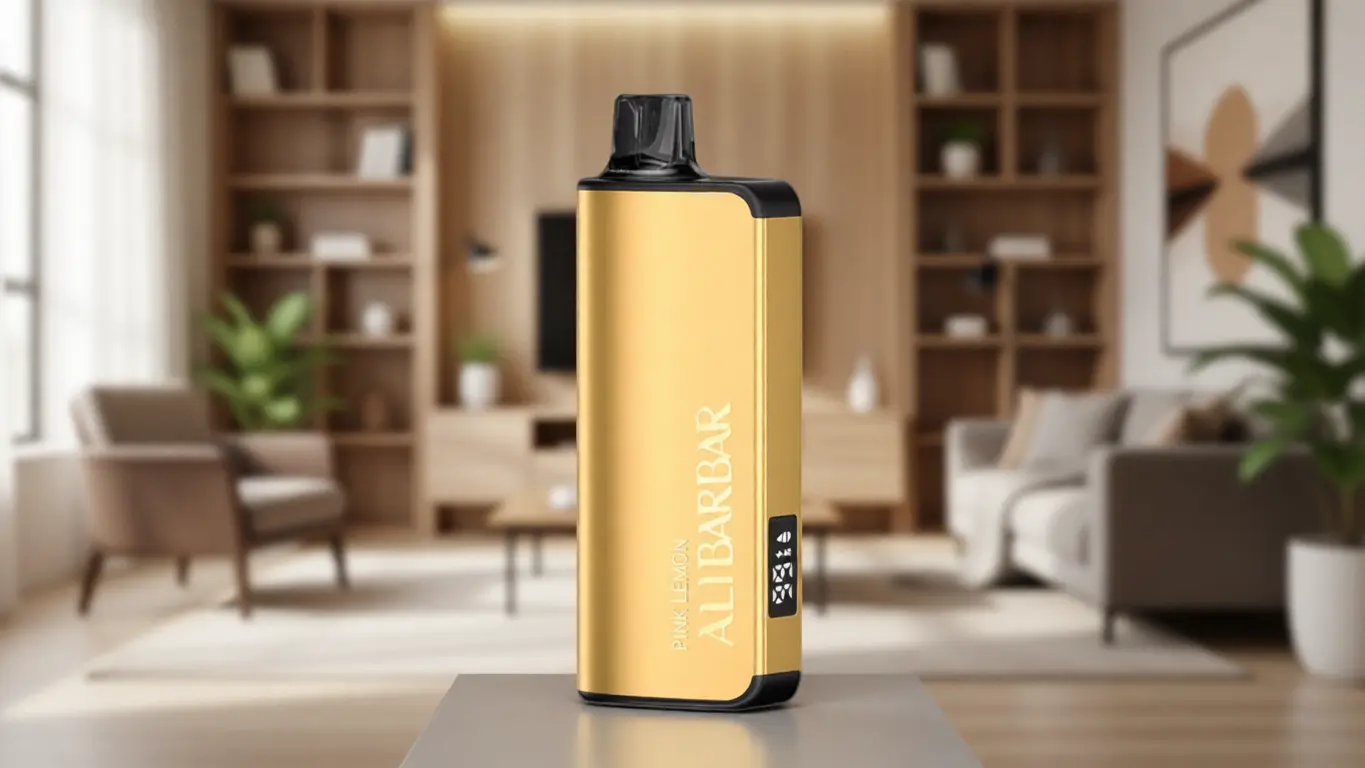
At OZVAPE Shop, we maintain detailed records of device performance across the ALIBARBAR product line, and we regularly see users reaching for assistance after a burnt hit has soured their experience with an otherwise well-engineered device. The problem is rarely the device itself. It is almost always a mismatch between user behavior and the device’s operating parameters.
Understanding What Matters: Core Engineering and Design Factors
To understand what a burnt hit actually is, you need to understand the basic architecture of these devices. The heating element — whether a porous ceramic core, a wrapped coil, or a composite wicking material — is designed to heat a liquid to a specific temperature range. When that liquid is present and flowing correctly, the heat is absorbed and dispersed evenly. When the liquid is absent or cannot flow fast enough, the heating element begins to heat the wicking material itself, or the residual solids left behind after the liquid has been consumed.
This is where the “burnt” phenomenon originates. It is not the liquid burning — it is the physical material of the wick or heating element reaching temperatures beyond its safe operating range.
Internal Architecture and Output Consistency
The most important variable in preventing burnt hits is the relationship between the heating element and the liquid delivery system. In well-engineered devices, the wicking material is designed with a specific porosity and capillary action rate that matches the viscosity of the liquid and the power output of the battery. This is not a simple one-size-fits-all calculation.
A device that delivers consistent output from the first draw to the last is one where the thermal load never exceeds the liquid supply. When users report that a device “tastes burnt after half a day,” the cause is almost always a design where the heating element runs hotter than the wick can replenish. This is particularly common in devices where the battery discharge curve is steep — the device starts strong, but as the power cell depletes, the output characteristics change, and the heating element’s temperature profile shifts unpredictably.
How to recognize well-engineered thermal management: look for devices that maintain the same visible vapor density and temperature across at least 80% of their rated operational life. If a device is noticeably cooler or produces significantly less vapor toward the end, the internal thermal management is either absent or poorly calibrated.
Power Management and Status Transparency
The single most common cause of burnt hits across all device categories is the user attempting to draw from a device whose liquid reservoir has been depleted. This sounds obvious, but the reality is that many devices provide no meaningful feedback until the user is already inhaling burned material.
A device with transparent power management communicates its status clearly. This might be a visual indicator, a change in airflow resistance, or a deliberate cut-off that prevents operation when the liquid level is critical. Devices that simply continue operating until they sputter and burn put the entire burden of awareness on the user, which is an unreasonable expectation during extended use.
The hidden cost of status ambiguity: users who cannot reliably determine whether their device is ready or empty will instinctively carry a backup. This defeats the purpose of a portable device and increases the likelihood of encountering a burnt device in a moment of convenience.
Physical Design and Material Durability
The mouthpiece and airway assembly play a surprisingly significant role in the burnt hit experience. When a device burns, the pyrolysis byproducts — the solid particles and gases created by heating the wick or residue — can deposit on the interior surfaces of the mouthpiece and airway. A device with a smooth, non-porous interior surface is easier to restore to functional condition if a burn occurs. Textured or complex internal geometries can trap these deposits, leading to a lingering aftertaste even after the device has been refilled.
Beyond aesthetics: finish longevity matters because a worn or degraded surface can harbor bacteria and residual compounds that alter the taste profile over time. Devices with ceramic or glass-lined airways tend to resist these effects better than those relying on bare metal or polymer surfaces.
Modularity and Lifecycle Flexibility
The architecture of the device determines how easily a burnt hit can be remedied. In sealed, single-use units, a burnt hit is effectively a terminal event — the device is compromised and must be discarded. In rechargeable systems with replaceable heating elements, the component that burned can be swapped, while the battery and housing remain functional.
This distinction has direct implications for cost-per-use calculations. A user who is prone to occasional burnt hits — through inattention, heavy use, or environmental conditions like cold weather that thicken liquids — will experience significantly lower total cost of frustration with a device that allows component-level replacement.
Connect design choices to user priorities: cost-conscious users should evaluate not just the upfront price but the percentage of device value that is lost in a single burnt-event scenario. A device that costs more but allows a $3 component replacement is cheaper in the long run than a device that costs less but becomes a total loss after one burnt draw.
Applying These Criteria to Real-World Options
When you look at the Australian market through the lens of burnt-hit prevention, certain device families distinguish themselves through deliberate engineering choices. The ALIBARBAR INGOT series, for example, employs a calibrated heating matrix that maintains consistent temperature even as the power cell voltage drops. This is not a marketing claim but a measurable characteristic visible in output testing performed under controlled conditions.
The ALIBARBAR Ice Adjust 12000 takes a different approach, prioritizing status transparency through a visual indicator system that communicates liquid level and heating status independently. Users who have switched from devices with opaque operation to the Ice Adjust regularly report a dramatic reduction in accidental burnt draws — not because the technology is fundamentally different, but because the feedback loop is more complete.
Other device families may achieve the same outcome through different methods. Some high-end modular systems use replaceable heating elements that can be swapped mid-use without exposing the user to any internal components. Others rely on larger liquid reservoirs that reduce the frequency of refill events, thereby reducing the probability of a burnt draw caused by depletion.
The common thread across all well-performing devices is that they acknowledge the user’s limited ability to monitor internal conditions and compensate through design. Any device that leaves the user guessing about its operational status is, by definition, increasing the risk of a burnt hit.
A Practical Framework for Evaluation
If you are evaluating a device for its burnt-hit resistance, run through this diagnostic checklist before committing to a purchase:
Does the device provide clear status feedback? If you cannot determine liquid level and remaining operational life with a quick glance, you will eventually draw on an empty device. The question is not whether, but how often.
Is the heating element replaceable? If the heating element is integrated into a sealed unit, one burnt hit ends the device’s useful life. If it is replaceable, the cost of that mistake is limited to the component.
What is the thermal calibration? Look for published specifications on output stability. Devices that maintain consistent vapor density across the full discharge cycle are less likely to experience unpredictable temperature spikes.
How does the device behave when liquid is low? Ideally, the device should either cut off or provide a noticeable reduction in performance before the wick runs dry. Devices that continue operating at full output until the last drop are high-risk.
Standardized specification comparison is a practical tool for reducing decision friction. OZVAPE Shop publishes full technical specifications for every device in the ALIBARBAR range, enabling side-by-side evaluation of power output curves, liquid capacity, and heating element type. Comparing these specifications before purchase is far more useful than relying on general brand reputation.
Common Selection Errors and Industry Observations
Overweighting one specification while ignoring complementary factors. A device with a large liquid capacity but a steep voltage drop will still produce burnt hits if the thermal calibration is poor. Capacity is pointless if the device cannot deliver the liquid to the heating element at a consistent rate.
Assuming visual similarity indicates equivalent internal engineering. Two devices may appear identical in physical form — same dimensions, same mouthpiece shape, same indicator light — but differ completely in internal architecture. One may use a ceramic composite heating element with verified thermal stability; the other may use a lower-cost metal element that degrades rapidly. Visual inspection cannot differentiate them. Only published specifications and independent testing can.
Undervaluing modularity in cost-per-use calculations. Users who purchase the cheapest sealed device often find themselves replacing it every few days because of a single burnt hit. A modular device that costs twice as much upfront but allows component-level replacement typically achieves a lower cost-per-hundred-draws within the first month of use.
Confusing category terminology with technical specifications. Terms like “mesh coil,” “ceramic coil,” and “dual heating element” are descriptions of architecture, not guarantees of performance. A mesh coil with insufficient wicking will burn more readily than a traditional coil with optimized liquid delivery. Always evaluate the complete system, not just the component labels.
From an industry perspective, the burnt-hit problem is a symptom of the broader tension between manufacturing cost and user experience. Devices designed to a price point inevitably make compromises in thermal management, liquid delivery, and feedback systems. These compromises are invisible at the point of sale but become immediately apparent during use. The brands that earn lasting user trust are those that disclose these trade-offs transparently and design around the most common failure modes.
Frequently Asked Questions
Q: Is it dangerous to inhale the smoke from a burnt vape?
A: One or two accidental draws are unlikely to cause serious harm in healthy adults, but the byproducts of heating wicking materials and residual compounds can irritate the respiratory tract. Repeated exposure over time should be avoided. If you experience persistent coughing, throat irritation, or chest discomfort after a burnt hit, discontinue use of the affected device.
Q: Can I continue using a device after a burnt hit?
A: It depends on the device architecture. In sealed single-use units, the burnt material is integrated into the heating element and cannot be removed. The device should be discarded. In rechargeable systems with replaceable heating elements, the affected component can be swapped, and the device can be restored to normal function.
Q: Why does a burnt hit taste different from normal use?
A: The taste is caused by pyrolysis of the wicking material and any residual solids on the heating element. This produces a range of organic compounds with distinct burnt, metallic, and acrid characteristics that are chemically distinct from the flavor compounds in the liquid.
Q: How can I reduce the risk of burnt hits?
A: Monitor the liquid level frequently. Do not draw on a device that is producing significantly less vapor or has gone unused for several hours. Store devices in a stable temperature environment — cold can thicken liquids and slow wicking. Replace heating elements per manufacturer guidance.
Q: Does the viscosity of the liquid affect burnt-hit risk?
A: Yes. Thicker liquids wick more slowly through any porous material. If a device is designed for standard-viscosity liquids, using a thicker blend will increase the likelihood of the heating element running dry, especially during consecutive draws.
Q: What should I do if a device produces a burnt taste on the first draw after refilling?
A: This usually indicates that the wicking material was not fully saturated before use. Allow the device to rest for 5 to 10 minutes after refilling to enable capillary action to restore the wick. Avoid drawing from the device immediately after adding liquid.
Q: Does the lifespan of the battery affect burnt-hit risk?
A: Indirectly. As the battery voltage drops, the heating element may change temperature profile. Devices with regulated power management that maintain consistent output regardless of battery voltage are significantly less likely to produce unpredictable burnt hits late in the battery cycle.
Q: Can burnt hits damage the device permanently?
A: Yes. In sealed units, the heating element and wick are permanently degraded. In modular devices, the affected component may be replaced, but residue deposits in the airway can persist if not cleaned properly. Some devices with integrated ceramic heating elements can be restored by operating them at full power for several cycles to burn off residue, but this is not recommended without manufacturer guidance.
Q: How do I know if a device is about to burn before I draw?
A: Some devices provide visual indicators or haptic feedback when liquid is low. Others produce noticeably less vapor on the preceding draw. If a device feels significantly warmer than usual or the draw resistance changes, stop and check the liquid level before the next attempt.
Q: Does the brand affect burnt-hit probability?
A: Brand is a proxy for design philosophy, not a guarantee. Some brands prioritize thermal management and feedback systems; others prioritize low manufacturing cost. The specifications and engineering choices of the specific device matter far more than the brand name on the packaging.
Conclusion
The burnt vape is not a mysterious event — it is a predictable outcome of a specific set of engineering and behavioral conditions. The heating element requires liquid to function safely, and when that liquid is absent or cannot flow, the material itself breaks down. Understanding that mechanism is the first step to preventing it.
The informed user is the protected user. By evaluating devices through the lens of thermal management, status transparency, and modularity, you can dramatically reduce the probability of encountering a burnt hit. And when the inevitable oversight occurs — because no user is perfectly attentive every draw — knowing whether your device is recoverable or must be replaced saves both money and frustration.
At OZVAPE Shop, we organize our entire product catalogue around these principles, providing full technical specifications and transparent documentation so that every adult user can make a decision based on facts rather than marketing. The right device is the one that matches your actual usage pattern — not the one with the most attractive packaging or the loudest claims.
The choice, as always, rests with you.