
VAPE FAQs
What Does Preheating A Vape Do?

Oct
The Moment You Notice the Difference
You press the button, take a draw, and the first fraction of a second feels thin. The next moment it surges, then settles. That uneven start is not a malfunction — it is a physics problem. The heating element inside your device was cold, and the sudden demand for power couldn’t instantly bring it to operating temperature. Preheating, a feature quietly designed into many modern devices, exists exactly to remove that lag. Yet few users fully understand what happens during those first milliseconds, or why the quality of that engineering choice matters more over a month of daily use than any single specification on a box.
OZVAPE Shop regularly encounters customers who describe inconsistent early draws or a sense that their device “wakes up slowly.” In many cases, the root cause is not a failing power cell or a poor coil — it’s simply that the device’s thermal ramp-up hasn’t been given the short head start it was designed to use. This article explains the engineering behind preheating, what it does to your experience, and how to recognise when a device’s preheat implementation is a genuine benefit versus an afterthought.
The Engineering Behind Preheating: Temperature, Resistance, and Consistency
A portable electronic heating tool is, at its core, a controlled electrical short. Current passes through a resistive element, converting electrical energy into heat. But the relationship between resistance and temperature is not linear for most materials used in these elements. At room temperature, the coil’s resistance is lower. When voltage is first applied, a brief surge of current flows — until the element heats up and its resistance climbs. That brief spike can produce an uneven energy transfer, and if the user’s draw coincides with it, the aerosol output will suffer.
Preheating works around this by sending a small, managed pulse of power to the element before the main cycle begins. This raises the coil to a stable temperature plateau where resistance is predictable and energy delivery is uniform. The outcome is not just a smoother first draw; it’s a consistency that holds across the entire session.
Why a Cold Coil Delivers Less Than You Expect
The coil is not an inert piece of wire. It has thermal mass. It takes time — often 0.5 to 2 seconds — for the metal to reach the temperature where it can efficiently vaporise the liquid it contacts. If you draw during that window, you are pulling unvaporised material, cooling the coil further, and prolonging the instability. The result: a perceptible thinning of output, sometimes accompanied by unnecessary harshness. In environments below 15°C, this effect is amplified. Preheating is the engineering answer to that thermal inertia.
How Pulse-Heating Bridges the Gap
Most preheat functions in current-generation devices are not continuous. They work by sending short, low-power pulses — typically 1.0 to 1.5 volts — for a predetermined period of 0.5 to 1 second. During this cycle, the coil’s temperature rises gradually and evenly, spreading heat across the entire surface. Some designs then hold that temperature briefly before activating the main power delivery. The user sees a blinking LED, a vibration, or a short indicator light sequence; the electronics meanwhile have eliminated the cold-start handicap.
The Direct Impact on Flavour and Aerosol Density
When the coil reaches its designed temperature before the draw begins, the first second of output contains the same density of aerosol as the fifth second. This matters acutely for devices that rely on a narrow temperature window to express flavour complexity. Without preheat, the initial portion of a draw can be dominated by lighter, under-heated compounds, which can skew the perceived flavour toward thin or unbalanced notes. With a consistent thermal profile from the very start, the user experiences what the device’s engineers intended.
Preheating’s Relationship with Device Longevity
A well-executed preheat routine can actually extend the functional life of a heating element. The gentle ramp-up avoids the thermal shock that occurs when full power hits a room-temperature coil. Repeated daily thermal shocks slowly degrade the metal’s structure, creating micro-fissures that eventually lead to resistance drift or localised hot spots. A preheat sequence that warms the element gradually reduces peak thermal stress. Conversely, devices that implement preheat poorly — by pulsing voltage too aggressively — can accelerate coil degradation. Good preheating is a quiet sign of thoughtful thermal management.
Preheating Across Different Device Architectures
The way preheating is implemented tells you a surprising amount about a manufacturer’s design priorities.
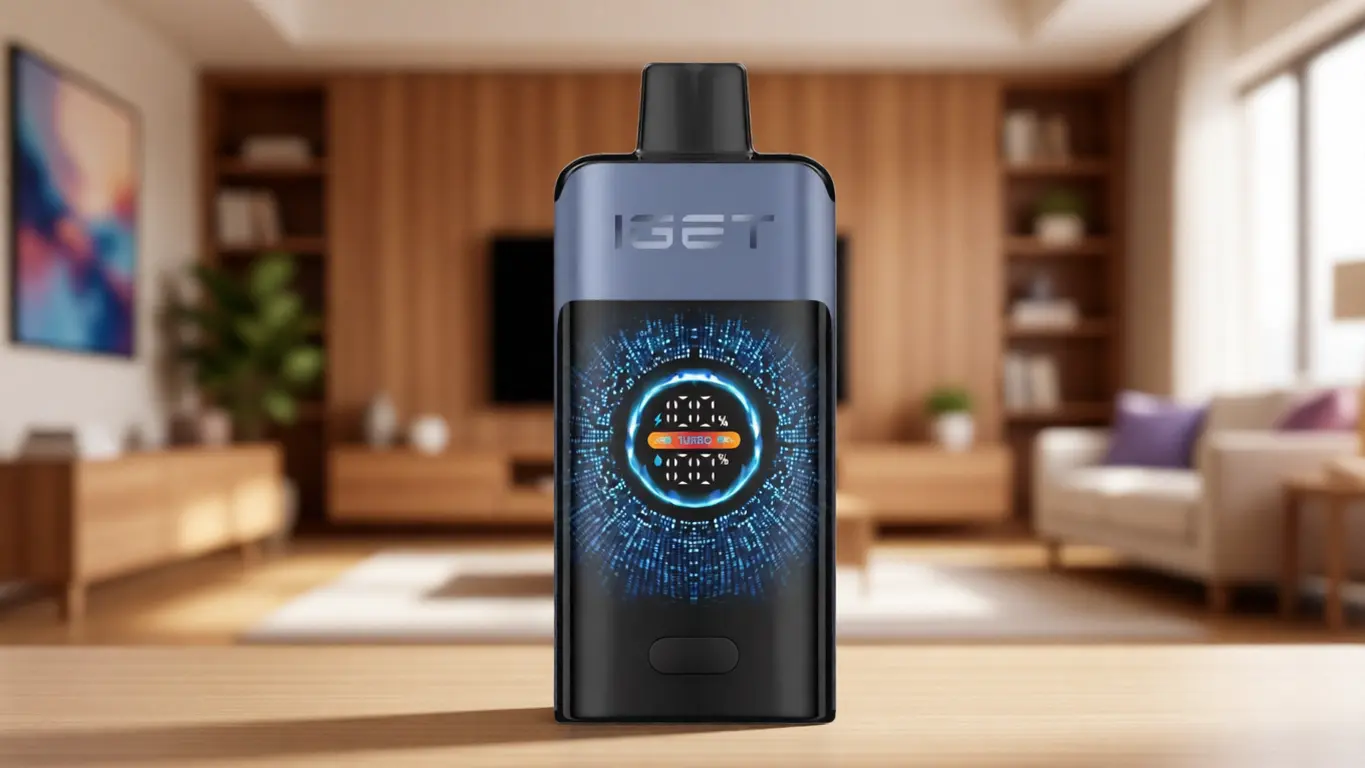
Pre-configured sealed systems often hide the preheat function behind a specific button combination: two rapid clicks, a long press before the first draw, or a draw-activated sensor with an integrated preheat logic. ALIBARBAR’s INGOT family, available through OZVAPE Shop, takes this approach. A deliberate short press of the activation button before inhaling triggers a soft pre-warm cycle, indicated by a distinct LED pattern. The system then automatically transitions to full output. This design choice reflects an understanding that users shouldn’t need to guess whether their device is ready — the feedback is immediate and unambiguous.
Modular, rechargeable systems sometimes offer adjustable preheat settings, giving users control over the pulse duration or power level. While flexibility sounds attractive, it also introduces the possibility of misconfiguration. A preheat that’s too long or too aggressive wastes power cell capacity and can over-saturate the wicking material before the main draw, leading to spit-back. The more controlled, fixed-parameter preheating found in sealed devices tends to produce more predictable real-world results.
The practical takeaway: A device that provides a clear, responsive preheat indicator — and a preheat cycle that is brief and modest — demonstrates engineering consideration beyond raw power output. OZVAPE Shop’s product information pages consistently highlight these preheat behaviors so that users know exactly what to expect before they ever handle the device.
A Practical Framework for Evaluating Preheat Features
You don’t need specialised equipment or engineering knowledge to judge whether a device’s preheat function serves you. Use these diagnostic steps:
Cold-start test — Allow the device to rest for at least 15 minutes, ideally in a slightly cool environment. Draw without engaging any preheat. Note the quality of the first 1–2 seconds.
Preheat-enabled test — Repeat after engaging the preheat function exactly as the manufacturer describes. Compare the first seconds.
Indicator clarity — Does the device give a distinct, immediate signal that preheating is active? If the feedback is ambiguous, you will likely forget to use it during everyday life.
Duration observation — Count how long the preheat cycle lasts. More than 1.5 seconds may indicate inefficient thermal design; less than 0.3 seconds probably does little for initial consistency.
Power cell impact — After using preheat with every session for a day, note if the overall operational time is meaningfully shortened. A well-implemented preheat cycle draws negligible additional power.
If the preheat function fails to produce a noticeably smoother start, or if the indicator is too subtle to be useful in noisy or bright environments, the design has not been sufficiently user-tested.
Common Misconceptions and Industry Observations
Users frequently misunderstand preheating in ways that limit their satisfaction. Three persistent errors stand out.
Treating preheat as optional for all devices. Some coil geometries and materials are far more sensitive to cold starts than others. Compact ceramic heating elements can reach temperature quickly and may not need external preheating; traditional wire coils with larger thermal mass benefit considerably. Assuming one rule for every device is a mistake.
Using preheat repeatedly between short draws. In a chain-usage scenario, the coil remains near its operating temperature. Reactivating preheat before every draw overheats the element, causing unnecessary wear. The function is designed for cold starts — not every start.
Confusing preheating with adjustable power. A preheat cycle is not a way to make a device “hotter” overall. It is a stabilisation function. Users who treat it as a power boost often report burnt-tasting output later, because the coil temperature overshoots during the subsequent draw.
From an industry perspective, manufacturers have learned that preheat indicators must be minimal and intuitive. Overly complex LED sequences or undocumented double-click combos confuse the typical user, so many devices in the current market — including the ALIBARBAR range — default to a dead-simple interface: one pre-action button press that yields immediate, unmistakable haptic or luminous feedback. This is a sign of a product that has been through several design iterations and real-world feedback cycles.
Frequently Asked Questions
Q: What exactly happens if I never use the preheat function on a device that offers it?
A: You will likely experience a thinner, less consistent first draw, especially when the device has been idle or in colder conditions. Over time, repeated cold starts subject the coil to thermal shock, potentially shortening its effective life.
Q: Can preheating damage the coil?
A: When implemented correctly, preheating reduces thermal shock. An overly aggressive preheat — one that pulses at high wattage or lasts too long — can cause damage. Devices from reputable manufacturers calibrate the preheat conservatively to avoid this.
Q: Does preheating significantly reduce total battery run time per charge?
A: No. A typical preheat cycle consumes a fraction of the energy required for a full draw. On a device rated for 300–400 activation cycles, the cumulative preheat drain is negligible.
Q: Why don’t all devices have a preheat function?
A: Some ultra-compact devices use heating elements with very low thermal mass that reach operating temperature almost instantly. Others omit the function intentionally to keep the user interface as simple as possible. It is an engineering choice, not a universal requirement.
Q: I can feel a slight pause between pressing the button and getting output. Is that preheating?
A: Possibly. If the device provides a visual or haptic signal during that pause, it is likely a deliberate preheat cycle. If there is no indicator, it may just be a slow power ramp-up. Check the device’s documentation or the information provided by the retailer.
Q: Is preheating more important in colder climates?
A: Yes. In cold weather, coil temperature can drop significantly, and the cold-start drop-off becomes much more pronounced. Preheating is especially valuable in temperatures below 10–15°C.
Q: How can I tell if a device’s preheat is well-designed before I buy it?
A: Look for clear descriptions of the preheat indicator and duration in the product specifications. If the information is absent or vague, the feature may not have been a priority for the manufacturer. Reputable retailers such as OZVAPE Shop include these operational details in their product listings.
Q: Can I preheat a draw-activated device that has no button?
A: Some draw-activated devices have an internal logic that detects initial airflow and delays the main heating pulse by a fraction of a second to create a passive preheat. This is invisible to the user but can be effective. There is typically no manual way to preheat a buttonless device unless it includes a specific sensor gesture.
Q: My device blinks three times when I press the button before I draw. Is that preheating?
A: Most likely, yes. A short, distinct light sequence immediately after a button press, before the main draw, is the most common preheat indicator. Holding the button and inhaling only after the blinking stops ensures the coil is ready.
Q: If my device doesn’t have a preheat function, can I simulate it?
A: To a limited degree, yes. Pulse the activation button briefly for half a second, release, then activate again while drawing. This manual two-stage start mimics a preheat cycle and can improve consistency, though it requires some practice.
The Value of Knowing What You’re Using
Preheating is not a headline feature. It doesn’t appear in bold on the front of a box, and it rarely dominates advertising. Yet it is one of those small, carefully-engineered details that quietly separates devices designed for long-term satisfaction from those built only to meet a price point. It reflects an understanding that the first second of use sets the tone for everything that follows.
Making an informed choice means looking past surface-level specifications and asking the right questions about how a device actually performs in the quiet, repeated moments of everyday life. OZVAPE Shop exists to make that level of detail transparent, so adults can select products with a clear, unvarnished view of what they are getting. The right device is not the one with the most attention-grabbing claims — it is the one whose engineering choices, like a well-tuned preheat, match the rhythm of your actual day.