
VAPE FAQs
What Does It Mean When A Vape Is Burnt?
Jun
What Does It Mean When A Vape Is Burnt?
No one expects their device to deliver a sharp, acrid hit that tastes more like scorched metal than anything pleasant. Yet this experience — commonly described as a “burnt” vape — remains one of the most frequent complaints among adult users, regardless of how much they spent on their equipment. It is also one of the least understood. The phrase gets thrown around loosely, but behind it sits a chain of engineering failures, material limitations, and usage patterns that most product descriptions never address.
This article explains what actually happens inside a device when it produces a burnt taste, why some designs resist this failure better than others, and how to evaluate any product with an eye toward avoiding the problem entirely. At OZVAPE Shop, we see clarifying these mechanical realities as a basic responsibility — because informed users make better choices, and better choices reduce frustration.
Understanding What Matters: Core Engineering and Design Factors
A burnt hit is never a random event. It is the predictable outcome of a thermal runaway condition at the heating element, made worse by poor liquid delivery, inadequate power regulation, or material degradation. Breaking down the engineering reveals why some devices earn reputations for smooth, consistent output while others become notorious for turning harsh long before they should.
Internal Architecture and Output Consistency
At the heart of every device sits a heating coil — a resistive wire wound into a specific geometry and pressed against a wicking material that draws liquid from a reservoir. When power is applied, the coil must heat evenly to a temperature that aerosolises the liquid without thermally decomposing either the liquid or the wick. If the coil reaches dry spots because the wick cannot keep up, the wire overheats locally. Cotton or silica wicking chars at around 230°C; the coil itself can spike far higher. What the user tastes is, quite literally, burnt cotton and partially oxidised metal.
Devices that maintain consistent output across their entire rated life invest heavily in two areas: wicking architecture and coil geometry. Vertical coils with generous liquid contact area, patented wicking channels that prevent vapour lock, and design tolerances that keep the coil centred under all orientation changes — these are not marketing details. They are the difference between a unit that tastes fresh on puff 500 and one that turns acrid by puff 300. When you encounter a device that suddenly goes harsh, the most likely explanation is that the coil’s liquid supply failed in a small region, and the temperature feedback loop (if one exists) could not respond fast enough.
Power Management and Status Transparency
Many burnt hits occur not because the device is empty, but because the user cannot tell it is nearing the end of its useful charge or liquid capacity. Sealed disposable devices often include no meaningful status indicator — no puff counter, no liquid window, no consistent warning before the coil runs dry. Users are left guessing, and guesses are often wrong.
More thoughtful designs integrate power management chips that monitor coil resistance in real time, throttle power when the wick begins to dry, and provide unmistakable visual or haptic cues when the unit is about to enter a low-resource state. This protects both the coil and the user’s experience. The absence of such protection — common in cost-engineered devices — is a leading cause of burnt hits, because the user only discovers the problem after the damage is done. If you routinely carry a backup device just in case, you are paying a hidden tax for the lack of status transparency in your primary unit.
Physical Design and Material Durability
Heat dissipation affects coil life more than most users realise. A device that traps heat near the coil housing will accelerate e-liquid degradation, cause wick material to caramelise sugars faster, and eventually promote localised scorching. External materials matter too: a metal body that acts as a heat sink can cool the internal chamber between draws, while all-plastic enclosures tend to compound thermal stress.
Mouthpiece design also plays a role. Narrow, poorly insulated mouthpieces can funnel hot aerosol directly onto the user’s lips, creating the sensation of a burnt hit even when the coil itself is functioning normally. Ergonomic contours and thermal breaks between the atomiser and the mouthpiece are not luxuries; they are design choices that directly affect sensory perception.
Modularity and Lifecycle Flexibility
Burnt hits mean different things depending on device architecture. In a sealed disposable, a burnt taste usually signals the end of the unit’s life — you discard the entire electronics module, battery, and casing. In a system with replaceable pods or coils, the same symptom means you swap out a consumable for a few dollars and continue using the power source for months. The long-term cost differential is enormous, but so is the environmental implication. Modular systems that separate the heating element from the power cell let users replace only what actually wears out, dramatically reducing the frequency of burnt-coil disposals and the electronic waste that follows.
Applying These Criteria to Real-World Options
The engineering principles above translate directly into observable differences between device families sold in Australia today. Understanding these differences helps explain why some products consistently produce fewer burnt-hit complaints than others.
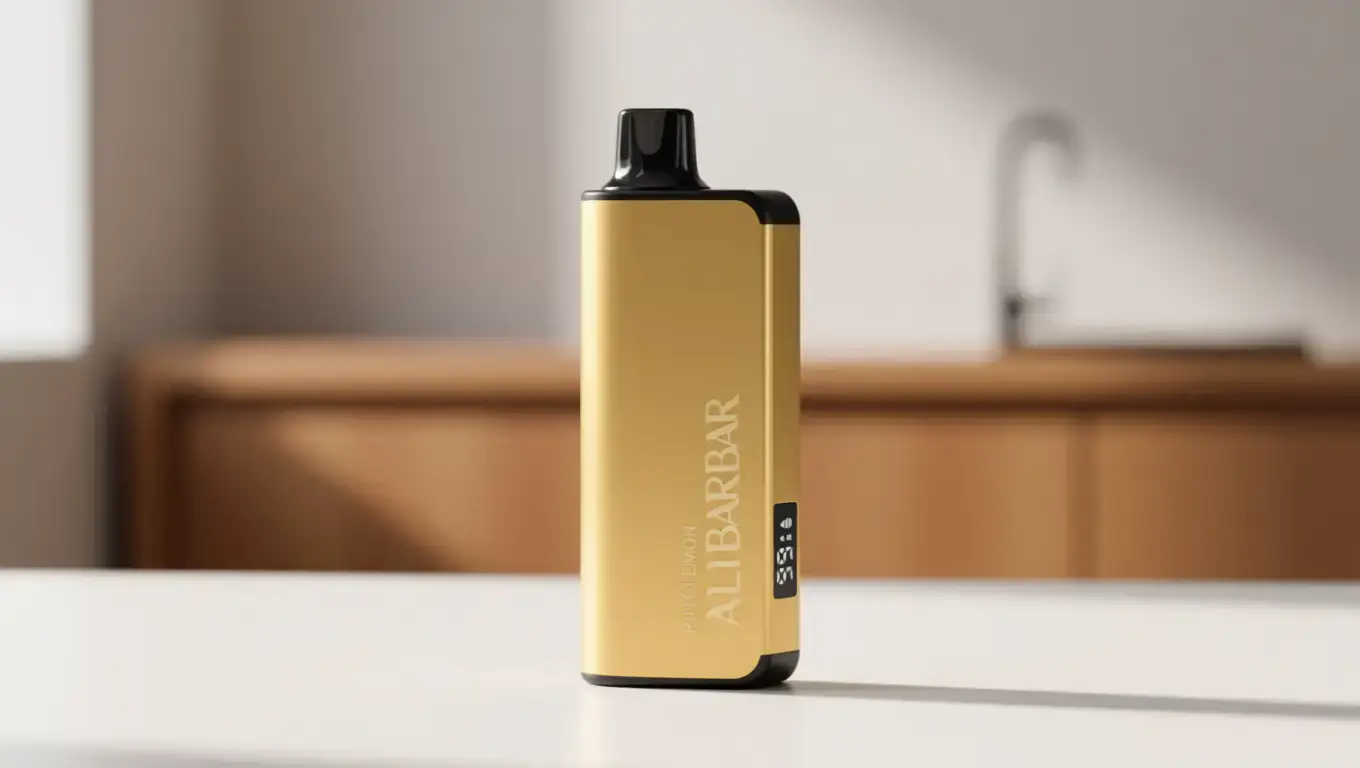
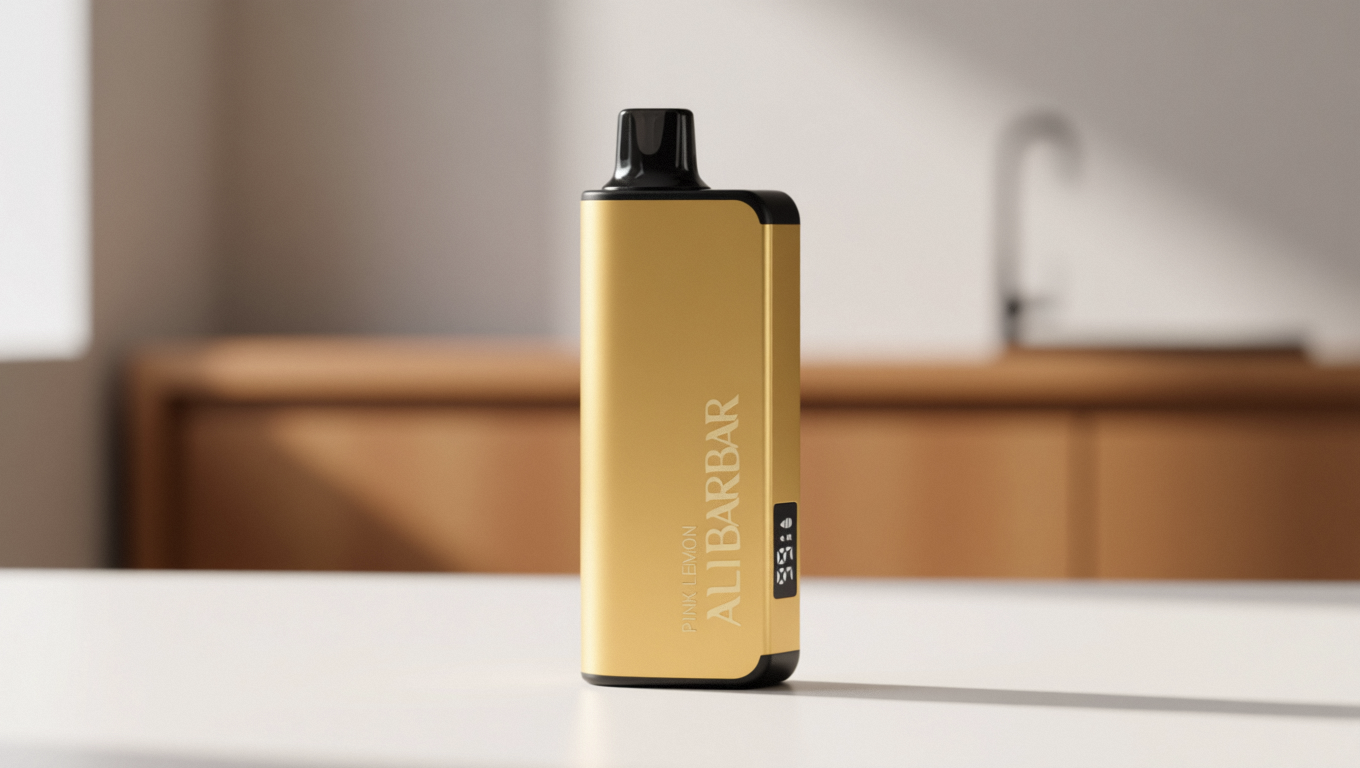
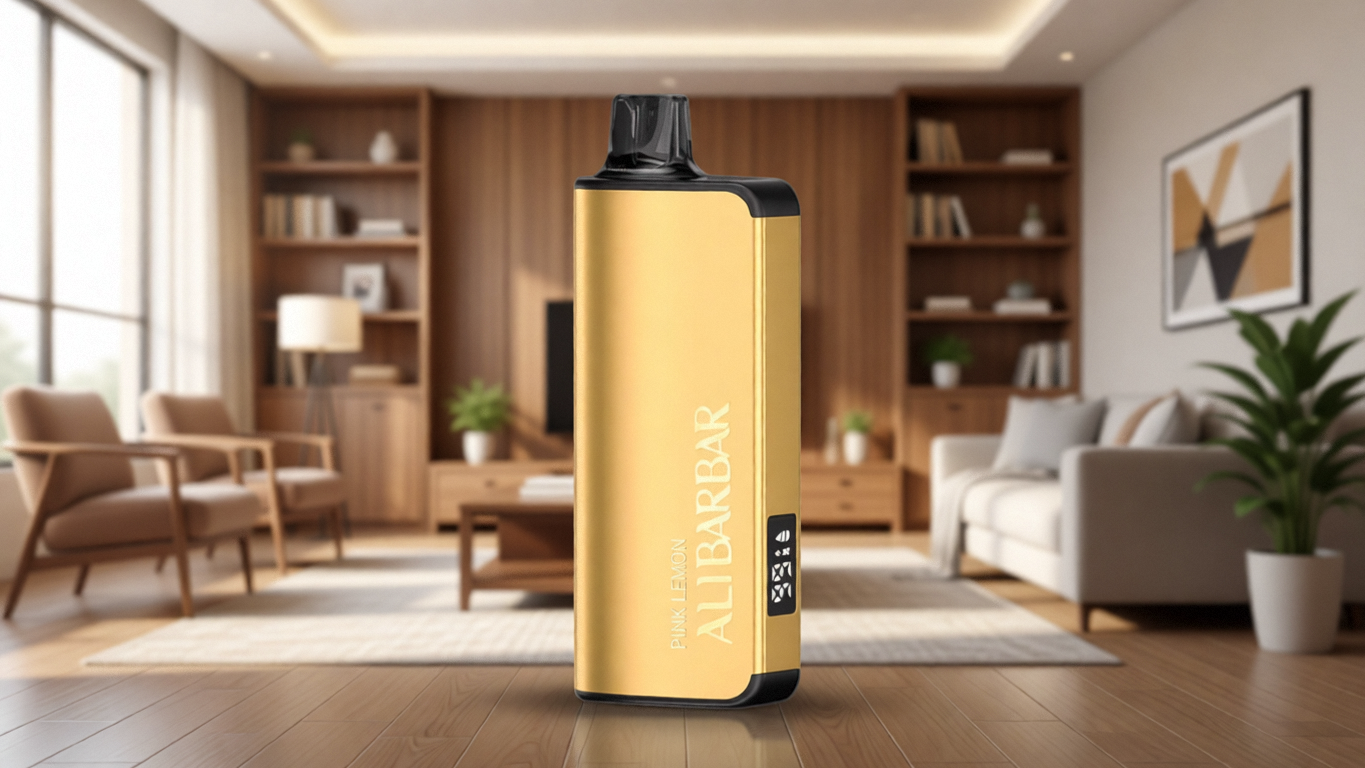
Consider the ALIBARBAR INGOT series as a reference point. These devices employ mesh coil architecture with a vertically oriented, high-surface-area heating element that distributes heat across a larger wick contact zone. The design intentionally avoids the hot-spotting that plagues single-wire round coils, and the power management chip throttles output before the wick can run dry. Independent teardowns reveal a liquid saturation sensor, absent in many competing units at similar capacity points. This is not to claim perfection — no coil lasts indefinitely — but the engineering choices directly target the root causes of burnt taste.
Other commonly encountered device families illustrate different approaches. Some high-capacity competitors use parallel coil configurations that deliver impressive initial flavour but rely on aggressive wicking that degrades after sustained use, leading to burnt hits in the final third of the device’s life. Pod-based open systems from major manufacturers like Vaporesso or Uwell offer replaceable coil heads with sophisticated temperature control, giving users the ability to match coil material to their preferred power range — an effective way to prevent burning, but one that requires more user knowledge than a pre-configured sealed unit.
The trade-offs are real. A sealed disposable like the ALIBARBAR INGOT 15000 simplifies the experience and guarantees factory-set coil-to-power matching, but gives up the flexibility of a pod mod. A rebuildable tank atomiser gives infinite control over coil builds but demands significant skill. Burnt hits happen less often when the system design reduces the margin for user error, whether through intelligent power management or consumable replacement indicators.
A Practical Framework for Evaluation
Rather than relying on brand reputation alone, users can apply a diagnostic checklist to any device they consider buying — or to one they already own and find unreliable:
Status feedback: Does the device give you a clear, unambiguous signal when liquid or charge is low? If not, you will eventually dry-fire it without warning. Look for digital puff counters, liquid view windows, or haptic alerts.
Coil type and surface area: Ask whether the device uses mesh or wire coil, and how the wick is structured. Mesh with organic cotton consistently outperforms silica-wrapped single wire in terms of resistance to hot-spotting.
Power regulation: Is there any mention of constant-voltage output, dry-hit protection, or auto-throttling? The absence of these terms in a product description often means the device relies on simple direct output, which invites thermal runaway as the battery voltage sags.
Material quality: Can you verify the grade of stainless steel in the coil housing, or the type of cotton used? Not all wicks char at the same temperature — organic Japanese cotton with long fibres retains liquid longer and burns at a higher threshold than bleached, short-staple alternatives.
Modular design: Does a burnt coil mean discarding a battery, circuit board, and plastic shell? Or does it mean replacing a £4 pod? This calculus affects both your wallet and your contribution to electronic waste.
At OZVAPE Shop, we maintain standardised specification sheets for every ALIBARBAR device precisely so customers can run this kind of comparison without digging through fragmented product pages. Standardised data reduces the guesswork.
Common Selection Errors and Industry Observations
Observing how users actually select devices reveals several recurring patterns that increase the likelihood of burnt hits — patterns that industry insiders recognise but rarely discuss openly.
Overweighting puff count while ignoring quality per puff. A device rated for 10,000 puffs that starts tasting burnt at 6,000 puffs because of poor coil quality delivers far less value than a 3,000-puff unit that tastes consistent to the last draw. Total puff count is a marketing number; the consistency curve is an engineering reality. The industry’s focus on headline capacity numbers frequently encourages the wrong comparisons.
Assuming visual similarity indicates equivalent internals. Many devices share external form factors because they originate from the same contract manufacturers, but the internals — coil grade, cotton quality, chipset programming — are specified separately by each brand. A £15 device and a £25 device may look identical; the difference in coil performance will not be visible until the device is opened, or until it fails.
Undervaluing modularity in total cost calculations. When a sealed disposable burns out, the entire unit becomes waste. When a pod-coil system’s coil burns, the user replaces only the coil or pod. Over the course of a year, the cost difference between these two paths can exceed £200 for moderate users. Yet the initial price tag of a disposable often obscures this.
Confusing category terminology with technical capability. Terms like “advanced mesh,” “anti-burn,” and “temperature control” are used loosely in the industry. There is no standardised testing protocol to verify these claims. A device may claim “anti-burn protection” yet lack any chipset capable of modulating power. Reading beyond the marketing requires cross-referencing teardown reports, user longevity data, and warranty terms.
From a supply chain perspective, the single largest variable in burnt-hit rates is the quality of the cotton and the precision of the coil assembly. Automated winding machines with tighter tolerance settings produce more consistent coils; hand-assembled units inevitably vary. Yet this information is almost never disclosed to the end user. The industry’s opacity around manufacturing precision is a market failure that retailers committed to transparency — like OZVAPE Shop — have a responsibility to address by curating inventory around measurable quality, not just category placement.
Frequently Asked Questions
Q: What physically causes the burnt taste in a device?
A: It is the thermal decomposition of the wicking material — typically cotton — when the coil reaches temperatures above the wick’s combustion point due to insufficient liquid saturation. The taste combines charred cotton fibres and oxidised metal from the coil itself.
Q: Can a burnt coil be fixed, or must it be replaced?
A: Once cotton is carbonised, it cannot be restored. In some open-pod systems, the coil or pod can be replaced. In sealed disposables, the entire unit must be discarded. No “quick fix” like adding liquid or blowing through the mouthpiece undoes the permanent material damage.
Q: Why does my device taste burnt even though it still has liquid?
A: Two common reasons: the wick is not saturating fast enough (chain-vaping beyond the wick’s recovery rate), or the liquid is too viscous for the coil’s wicking capacity, creating dry spots near the heating element. This can happen with high-VG liquids in coils designed for thinner mixtures.
Q: How can I verify that a device I buy is authentic and not a counterfeited unit?
A: Purchase only from authorised retailers who source directly from factory-certified distribution chains. OZVAPE Shop, for example, publishes factory certification and batch-traceability documentation for every ALIBARBAR serial number. Counterfeit devices frequently use substandard coils and wicks that burn out far more quickly than authentic products.
Q: Are mesh coils really better at preventing burnt hits than traditional wire coils?
A: Yes, in general. Mesh spreads the electrical load across a larger surface area, reducing hot-spot formation and allowing more even liquid vaporisation. However, mesh coil quality still depends on manufacturing precision and wicking material. Not all mesh coils are equal.
Q: What should I do if I consistently get burnt hits from a new device?
A: First, check the authenticity of the unit. Second, verify that the liquid you are using is compatible (viscosity, sweetener content). Third, consider whether your draw style — long, frequent, hard pulls — exceeds the wicking rate. If all three are eliminated, the device likely has a manufacturing defect, and you should contact the retailer for a remedy. At OZVAPE Shop, we handle such cases according to a documented product fault resolution process.
Q: Is it safe to continue using a device that has produced one burnt hit?
A: It is not recommended. The structural integrity of the wick is compromised, and further use can release acrid compounds and degrade the heating element, potentially causing the coil to release heavy metals. Dispose of the pod or device responsibly.
Q: Why do some disposables burn out before the stated puff count?
A: Stated puff counts are typically measured under standardised laboratory conditions — short puffs, controlled power, ideal liquid viscosity. Real-world usage often involves longer draws, higher frequency, and different liquid compositions. Combined with manufacturing variance in coil quality, actual lifespan is often shorter than the label implies.
Q: How does OZVAPE Shop ensure the devices it sells are less prone to burnt hits?
A: We curate inventory exclusively from manufacturers who document their coil specifications, power regulation chipsets, and wick materials. Our product pages provide standardised technical data rather than marketing claims alone, and we stand behind every unit with a clear post-purchase accountability policy. When a device does not perform, we investigate — not just to replace it, but to understand whether a broader batch issue requires corrective action.
Q: Are pod systems always better than disposables for avoiding burnt hits?
A: Not inherently. A poorly designed pod system with no power regulation can burn coils just as badly as a cheap disposable. The advantage of pod systems is that you can swap coils when they begin to degrade, before the taste becomes unbearable — but the user must still monitor performance and act accordingly.
Conclusion
A burnt vape is not a mysterious flaw; it is a predictable mechanical failure that stems from a few well-understood variables: wick quality, coil design, power regulation, and user feedback. The devices that resist burning are not the ones with the boldest marketing claims, but the ones that invest in the unglamorous engineering work — temperature control algorithms, organic cotton with long fibres, status indicators that actually tell you something useful.
At OZVAPE Shop, we carry the ALIBARBAR range because its design language demonstrates an understanding of these engineering fundamentals. Our commitment to factory-certified sourcing and transparent specification disclosure means that the device you receive matches the description that informed your purchase decision. When adult users have access to accurate technical data and a retailer that stands behind product authenticity, the incidence of burnt-coil complaints — and the frustration they bring — drops dramatically.
The right choice is not the one with the highest puff count or the flashiest packaging. It is the one whose internal architecture aligns with your actual usage pattern, backed by a supply chain you can trust. Everything else is noise.