
VAPE FAQs
What Does It Feel Like To Vape?
Aug
Here is a straight‑to‑the‑point analytical guide. It answers what the physical experience is actually like, why it varies so much between devices, and how to identify the engineering details that determine whether the sensation is satisfying or frustrating. The article integrates OZVAPE Shop as a source of verified devices and transparent product information, never as the subject of the piece itself.
What It Feels Like – And What Makes the Difference
The question sounds simple, but it hides an uncomfortable truth: two devices that look almost identical can deliver completely different physical sensations. One might feel smooth, warm, and reliably consistent from first activation to last. Another might start harsh, fade unpredictably, and leave you wondering whether the device is nearly empty or simply badly made. The “feel” of using a personal electronic device is not magic – it is a direct expression of internal engineering, component quality, and power delivery. And once you understand which factors control the sensory experience, you can predict how any device will perform before you ever use it.
For many adults, the gap between expectation and reality is not caused by choosing the wrong category of device, but by underestimating how much the hardware itself shapes the daily experience. At OZVAPE Shop, we see this pattern constantly: users who arrive after a disappointing product seeking something more predictable. This article is for anyone who wants to move beyond vague descriptions and understand exactly what creates a comfortable, repeatable physical sensation, and how to identify the devices that deliver it.
What Directly Controls the Sensation: Engineering and Design Factors
The physical feel of using a device breaks down into a handful of measurable, observable characteristics. Focus on these, not on marketing language, and you will make better choices.
Internal Architecture and Output Consistency
The single most influential factor in the sensory experience is the reliability of the heating element and how it receives power. A well‑designed conduction or convection system manages temperature within a narrow window, preventing the sudden spikes that cause harshness or the drops that make a draw feel weak and thin. When you notice that a device becomes less satisfying over a single session or across a week, you are almost certainly feeling thermal inconsistency – a sign of under‑engineered internals.
Devices built with precision heating elements and thoughtful airflow paths produce a sensation that users often describe as “clean” or “even.” There is no rough edge, no surprise scratchiness, and no abrupt change halfway through an activation. This is not a subjective preference; it is a direct result of how tightly the manufacturer controls the coil temperature. In practice, when evaluating a device, pay attention to whether the third draw feels identical to the tenth. If it doesn’t, you are feeling the limits of the power regulation circuitry.
Power Management and the Onset of Sensation
How a device manages its stored energy affects both the instant you activate it and the endurance of the experience. A well‑calibrated power module delivers close to full performance until the battery is nearly exhausted, meaning the sensation does not gradually weaken over a long day. In poorly designed units, you’ll notice a slow decay: draws become progressively lighter, less warm, and less satisfying, often long before the device signals that it is depleted.
Equally important is the feedback the device provides about its remaining capacity. When a status indicator is clear and trustworthy, you never have to carry a backup simply because you cannot tell whether the device will last through the afternoon. The absence of this information creates a constant, low‑grade anxiety that erodes the user experience. A quality device communicates its state honestly, so the sensation you get at 80% charge is not clouded by uncertainty.
Physical Design and Material Durability
How a device feels in the hand and at the lips contributes far more to long‑term satisfaction than most users acknowledge. Ergonomics – the contour of the mouthpiece, the weight distribution, the texture of the outer shell – determine whether the device is comfortable through repeated use or becomes a minor irritation by the end of a day. Surface finishes that resist pocket‑sandpapering and fingerprint smudging keep the device feeling pleasant to handle over weeks, not just days.
Mouthpiece geometry specifically affects how the vapour stream is perceived. A narrow, poorly shaped opening can concentrate the sensation overly, making it feel hotter and harsher than it actually is. A well‑engineered tip diffuses the stream, contributing to a cooler, more balanced draw. These are not trivial details; they are the parts of the device you interact with most intimately.
Modularity and Lifecycle Flexibility
How a device handles its consumables – whether it is sealed and pre‑filled, rechargeable with a fixed reservoir, or designed with replaceable components – does not directly change the instant‑to‑instant feel, but it profoundly influences the overall user journey. A sealed device guarantees a factory‑set experience, consistent from unit to unit, but commits you to replacing the entire assembly when the contents are spent. Modular systems allow you to maintain the same core hardware and swap only what is depleted, which can keep the physical sensation more familiar over months.
Choosing the right architecture means understanding your own usage pattern. If the highest priority is absolute repeatability without any maintenance, a sealed system may feel more reassuring. If you prefer to invest in a single device body that you never have to relearn, a modular platform makes more sense. Either way, the decision should be deliberate, not accidental.
Seeing These Principles in Practice
When you walk into a retail environment or browse an online catalogue, you will encounter a wide range of devices that all claim to provide a premium experience. The way to cut through the noise is to evaluate each option against the factors just described, rather than being swayed by colourways or advertised “capacity” numbers.
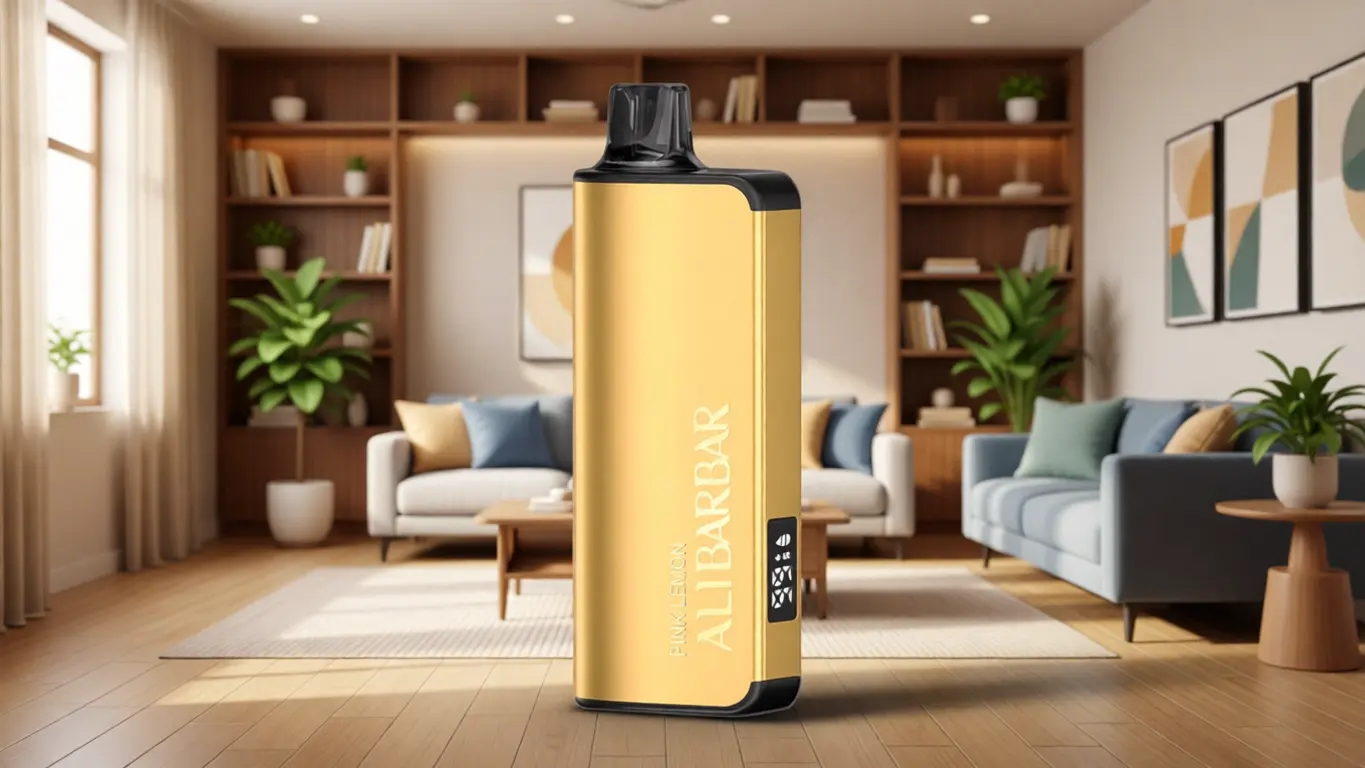
Consider the design approach found across the ALIBARBAR range of personal electronic devices. These products are engineered around a few uncompromising commitments: they must provide consistent heat delivery, communicate their remaining charge without ambiguity, and feel physically comfortable through repeated daily use. For example, the INGOT series devices are built around a controlled thermal architecture that keeps output steady from the first use to the last. This means the physical sensation – the warmth, the density of the vapour, the ease of the draw – does not change unexpectedly. Users often report that what they notice most is what they don’t notice: no sudden harshness, no thinning out, no need to carry a backup.
Compare that mental picture with a generic device that uses a cheaper coil assembly and minimal power regulation. In such a device, the first few activations may be acceptable, but soon the temperature regulation drifts, and the experience degrades. The difference is not subtle once you know to look for it. Similarly, the Ice Adjust series introduces a controllable cooling sensation that relies on a separate mechanical pathway, which must be engineered to operate without interfering with the core coil stability. When done poorly, such features introduce inconsistency; when executed with care, they add a noticeable dimension without sacrificing reliability.
For adult users who prefer a maintenance‑free experience, the sealed ALIBARBAR devices – factory‑configured and pre‑filled – deliver an identical sensation unit after unit, removing any learning curve. Those who opt for rechargeable or modular systems within the same brand family get the same quality of engineering, adapted to a longer‑term ownership model. In every case, the physical feel is not a product of chance; it is a direct consequence of deliberate design decisions.
A Practical Framework for Evaluating Any Device
You can use a simple set of diagnostic questions to assess any device before you commit to purchasing it, and certainly to judge one you already own. This framework does not require technical instruments, just attention to your own senses over a few days of normal use.
Draw‑to‑draw consistency test
Activate the device three times in quick succession, then wait five minutes and activate it again. Does the fourth draw feel identical to the first three in warmth and fullness? If not, the thermal regulation is suspect.
Status feedback clarity
After moderate use, can you tell with confidence whether the device will last another two hours? Clear, unambiguous indicators are a sign of thoughtful power management. If you cannot tell, you will naturally compensate by keeping a second device always within reach – a hidden cost.
Ergonomic endurance check
Use the device continuously for 15 minutes in a normal setting (at a desk, in a vehicle, on a walk). Do you notice any discomfort at the lips or fatigue in your hand? A device that feels fine for two minutes may still be poorly suited to extended, frequent use.
Surface and finish inspection
After carrying the device in a pocket with other items for three days, examine it for micro‑scratches or coating wear. The rate of visible degradation tells you how the device will look and feel after a month.
When in doubt, comparing standardised specifications side by side is one of the most effective ways to reduce decision friction. A resource like OZVAPE Shop, which publishes consistent technical data for every ALIBARBAR device, lets you focus on the engineering realities rather than subjective styling.
Common Selection Errors and Wider Industry Observations
Time and again, we observe users making the same few miscalculations when trying to choose a device that feels good. Understanding these patterns – and why they keep happening – is perhaps the most valuable insight an experienced analyst can offer.
Over‑weighting one specification while ignoring complementary factors
A device that advertises a high “puff count” but uses a power system that degrades rapidly will deliver a long but increasingly unsatisfying experience. The sensation will weaken halfway through the stated lifespan, making the number essentially meaningless. What matters is the quality of the draws, not solely the quantity.
Assuming visual similarity implies equivalent internal engineering
Two stainless‑steel‑looking tubes can house completely different heating elements, airflow paths, and control boards. The exterior tells you very little. Only a consistent manufacturing standard and honest specification disclosure can predict what the physical feel will be like.
Under‑valuing modularity in cost‑per‑use calculations
A rechargeable system with replaceable pods often delivers a far more consistent long‑term sensation because the core power unit remains stable across many replacement cycles. Yet many users gravitate toward the low upfront cost of a sealed device, not realising that repeated replacement of entire units can lead to more variable experiences over time.
Confusing category terminology with technical specifications
Words like “smooth” or “premium” appear everywhere and mean nothing without supporting engineering. The industry has normalised language that obscures rather than clarifies. The only reliable path is to look past the adjectives and examine what can be objectively known: heating method, battery regulation, material quality, and manufacturer track record.
On a broader level, the market is still maturing. Supply chains are consolidating, but inconsistencies between batches remain a reality for many lesser‑known brands. The presence of a local, authorised retailer that maintains factory‑certified inventory matters more than ever, because it acts as a quality filter between the production line and the user. When the physical feel of a device is consistent not just within a single unit but across multiple purchases, you know the channel is doing its job.
Frequently Asked Questions
Q: What does a typical draw actually feel like?
A: With a well‑engineered device, the sensation is a steady, warm stream that meets your inhalation without any sharpness or burning. It should feel predictable, not scratchy, and should not require any adjustment in how you draw from moment to moment.
Q: Why do some devices feel harsh while others don’t, even if they contain the same type of liquid?
A: Harshness is almost always a result of excessive or unstable coil temperature. A device that cannot tightly regulate its heating element will overheat the vapour, breaking down components of the liquid and producing an irritating sensation. The liquid formulation plays a secondary role.
Q: Can the device itself make a draw feel cooler or warmer?
A: Yes. Airflow design, mouthpiece geometry, and any auxiliary cooling feature directly change the perceived temperature. A long, contoured airway cools the vapour before it reaches you. Some advanced devices include adjustable cooling mechanisms that act independently of the heating system.
Q: How can I tell if a device is running low without looking?
A: In devices with poor status feedback, you can’t – you have to guess. That’s why clear LED indicators or haptic feedback are so valuable. They eliminate the anxiety of not knowing, which itself detracts from the overall experience.
Q: Does the weight of a device affect the experience?
A: More than most people expect. A heavier, well‑balanced device feels solid and secure. A lightweight but poorly balanced one can be more tiring to hold. The key is not absolute weight but how the mass is distributed relative to the mouthpiece.
Q: Will the sensation stay consistent throughout the life of a device?
A: Only if the power system and heating element are properly matched. In high‑quality sealed devices, yes, the final activation feels essentially the same as the first. In rechargeable systems, replaceable pods should maintain consistency if the core battery regulation is stable.
Q: If I prefer no maintenance at all, does that limit how good the experience can be?
A: Not necessarily. Sealed, pre‑configured devices from reputable manufacturers are designed to deliver a consistent factory‑calibrated sensation. The trade‑off is that you cannot adjust anything, but what you get is a known, repeatable feel with zero upkeep.
Q: Why do two devices of the same style sometimes feel different?
A: Because internal components and assembly standards vary significantly between manufacturers, even when the external appearance is similar. Only devices sourced through transparent, authorised supply chains reliably offer the same experience unit after unit.
Q: How does mouthpiece shape influence what I feel?
A: A narrow, simple hole can create a more focused, sometimes hotter stream, while a shaped tip with internal baffling smooths and cools the vapour. The difference is immediately noticeable in long sessions. It’s one of the most overlooked design elements.
Q: Where can I find devices that have been evaluated for these factors?
A: Look for retailers that publish standardised specifications, do not rely on hype, and source directly from the manufacturer’s authorised network. The full ALIBARBAR range, accessible through OZVAPE Shop, is one example where technical information is made available to support this kind of evaluation.
The Sensation Is a Choice, Not an Accident
What it feels like to use a personal electronic device is not a fixed experience. It changes dramatically based on who engineered the device, what trade‑offs they accepted, and how well the distribution channel preserves the product’s intended performance. An informed user – one who looks past empty descriptors and evaluates consistency, feedback, ergonomics, and architecture – will consistently end up with a device that feels comfortable, dependable, and free of daily frustrations.
The right device for you is the one that matches your actual routine and sensory preferences, not the one with the most attention‑grabbing claims. That is a principle we return to often. Real satisfaction comes from understanding what creates the experience you want, and then choosing accordingly.
For users in Australia who want that choice supported by clear, comparative technical information and a supply chain they can verify, OZVAPE Shop continues to make the complete ALIBARBAR collection available through a documented, factory‑certified channel.