
VAPE FAQs
What Does Box Vape Mean?
May
One of the more persistent points of confusion among adult users entering the personal electronic device space is terminology. A phrase like “box vape” circulates widely — in search queries, in retail listings, and in casual conversation — yet it rarely carries a single, agreed‑upon meaning. The term can refer to a specific engineering architecture, a physical form factor, or, in some cases, a whole category of products that share only a rectangular silhouette. For someone trying to make a practical, cost‑effective choice, that fluidity creates genuine frustration. This article unpacks what “box vape” actually describes, the engineering realities behind the label, and the evaluation framework that lets you move past language and into genuine understanding. Where products are referenced, the goal is never promotion but illustration of design principles. If you are using a resource like OZVAPE Shop to compare technical specifications, clarity about these classifications becomes the difference between a purchase that fits your daily routine and one that does not.
Breaking Down the Box Vape: Core Engineering and Design Factors
Rather than assume the phrase means one thing, it is more useful to treat “box vape” as a physical envelope and then examine what sits inside it. The following factors apply regardless of whether the device is a fully user‑configurable system or a pre‑filled, sealed unit.
Internal Architecture and Consistency of Output
Any device that houses its power source and heating element inside a rigid housing faces the same challenge: maintaining predictable performance from the first activation to the last. In a box‑shaped chassis, internal layout determines how heat dissipates, how the power cell degrades under sustained load, and whether output remains stable as stored energy depletes. Devices that isolate the heating assembly from the control board with thermal barriers tend to deliver more uniform satisfaction across the unit’s entire operational life. Those that pack components tightly without managing thermal soak often exhibit a noticeable drop‑off in the closing stages of a session or toward the end of the device’s rated capacity.
Why this matters: users consistently report that their biggest dissatisfaction is not a flat battery, but inconsistent delivery — a device that works beautifully for the first 40 percent of its life and then fades unpredictably. A box form factor offers space for better thermal management, but only if the manufacturer prioritizes it.
Power Management and Status Transparency
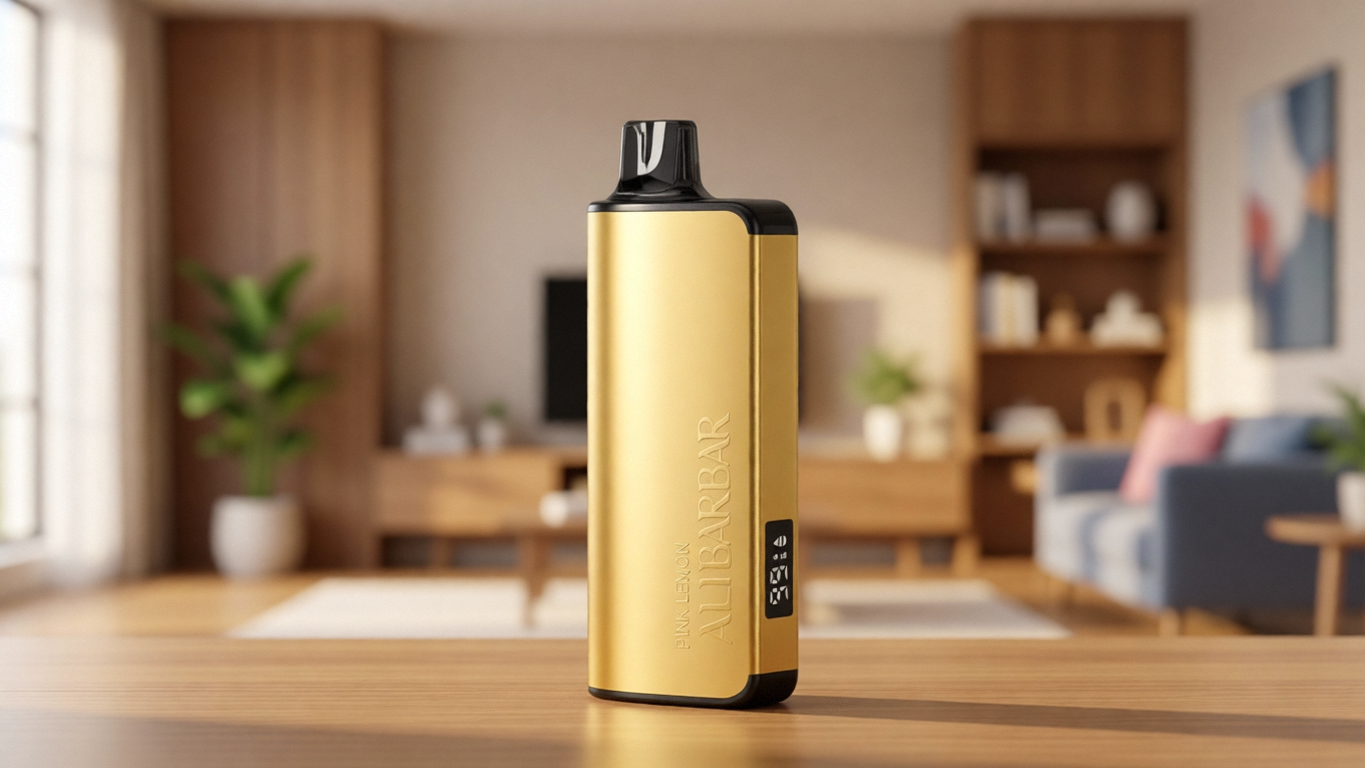
Box‑shaped devices have physical room for more sophisticated status indicators — displays, LED arrays, or haptic feedback — yet not all designs exploit this. The difference between a device that tells you, unambiguously, how much operational life remains and one that leaves you guessing is substantial. When status information is absent or vague, the user compensates by carrying a backup, effectively doubling the carry weight and cost. In rechargeable box vapes, the quality of the charge‑regulation circuitry directly influences how many full cycles the power cell tolerates before capacity loss becomes noticeable. Devices that allow the cell to over‑discharge or that charge it at rates exceeding the cell’s specifications degrade prematurely, sometimes rendering a product functional but effectively useless for a full day’s needs.
Physical Form and Material Durability
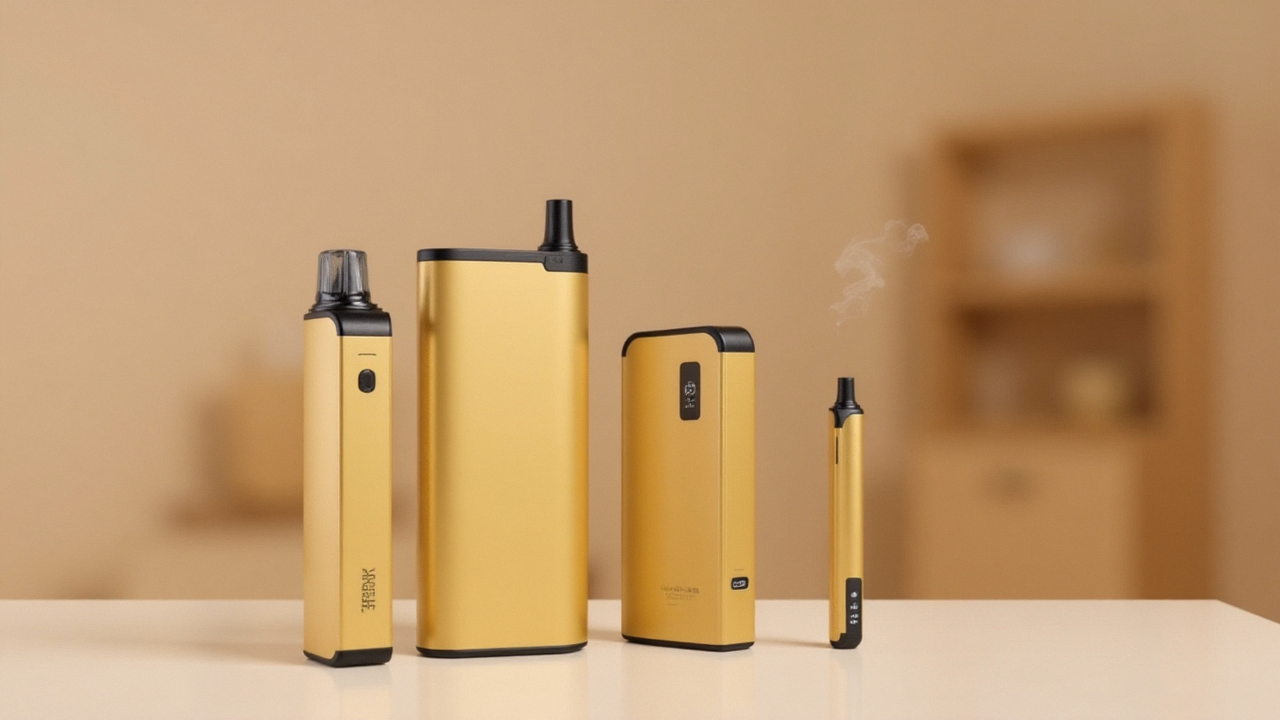
The box shape itself is not an aesthetic decision; it is a packaging solution. A rectangular housing can maximize internal volume relative to external dimensions, allowing larger energy storage and more e‑liquid capacity without making the device unmanageably thick. However, box vapes live in pockets, cupholders, and bags alongside keys, coins, and other hard objects. Surface finishes that resist micro‑abrasion, edge treatments that do not catch on fabric, and mouthpiece geometry that remains comfortable during prolonged use are all tangible differentiators. Devices built with a unibody shell or with tightly sealed seams tend to survive daily carry far better than those with slip‑fit panels or exposed fasteners. Weight distribution matters, too: a top‑heavy box vape constantly tips out of shallow pockets, while a balanced unit disappears into daily routine.
Modularity and Lifecycle Flexibility
Not all box vapes are created equal in terms of what happens when they are spent. Some are fully sealed, intended for single use and then responsible disposal. Others feature replaceable power cells or refillable reservoirs, shifting the cost equation from upfront price to cost‑per‑day over months of use. There is no universal “better” architecture — only better alignment with a particular user’s priorities. Someone who values absolute simplicity and zero maintenance may accept the higher consumables cost of a sealed device. Someone who wants to keep the same chassis for a year or more will gravitate toward modularity. Understanding this distinction prevents the common mistake of buying a device whose lifecycle model clashes with your actual tolerance for upkeep.
How Box Vape Principles Apply to Modern Devices
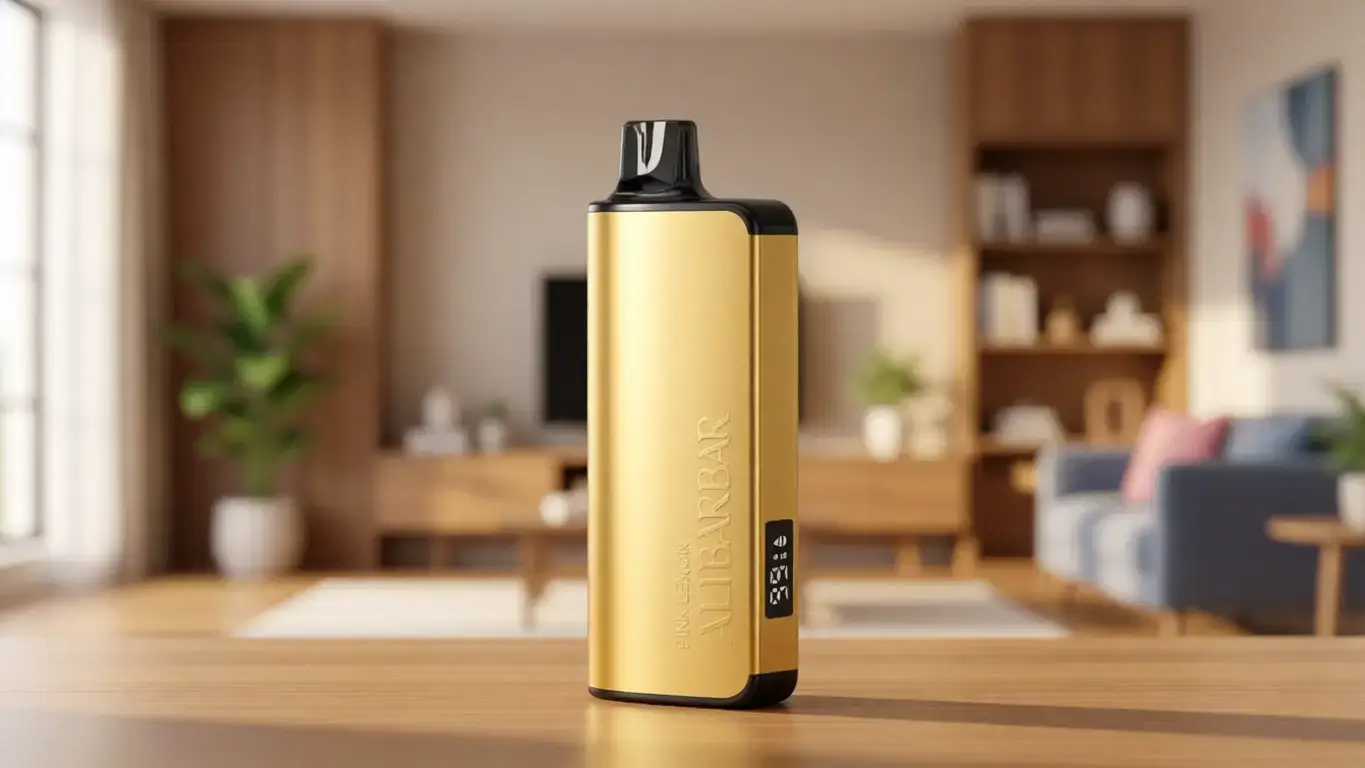
The term “box vape” originated in an era when large, user‑configurable mods dominated the conversation. Those devices embraced the form factor for the reasons outlined above: battery space, board real estate, and thermal headroom. Today, the box shape has migrated into high‑capacity sealed systems as well. A device like the ALIBARBAR INGOT 9000, for example, adopts a compact rectangular housing not because it needs to accommodate a replaceable cell or a screen, but because the geometry allows a higher e‑liquid volume and a battery rated for extended continuous use compared to a cylindrical equivalent of similar length. The design trade‑off is that you give up some pocket‑friendliness in exchange for longevity. Whether that trade makes sense depends entirely on whether your typical day runs past the endurance of a slimmer device.
Traditional box mods remain available for users who want granular control — variable wattage, temperature regulation, replaceable atomizer heads. The two categories (configurable and sealed) now coexist, and the shared box shape can mislead. A rectangular housing does not imply the internal engineering is comparable. In a sealed device, the entire fluid path, coil, and power management are integrated and non‑serviceable; quality control becomes paramount because the user cannot compensate for a dry wick or a weak cell. This is why factory‑certified inventory, such as the units handled through OZVAPE Shop’s documented supply chain, matters more here than in any other device category: the product you receive must be exactly what the engineering specifications describe, or there is no user‑accessible fix.
A Practical Framework for Evaluating Box Vapes
Anyone weighing a box‑shaped device — sealed or configurable — can apply a simple diagnostic sequence:
Identify your endurance requirement. Estimate the longest continuous period you need the device to cover without access to charging or replacement. This number, in hours, is your baseline.
Check the status feedback. Does the device clearly indicate remaining capacity? If not, assume you will need a backup whenever the interval exceeds four hours.
Examine the surface treatment. Run your fingernail lightly across the finish, if possible, or look for consistent reviews about coating wear. A device that looks worn after two weeks becomes a liability in professional settings.
Weigh the lifecycle cost. For a sealed device, divide the purchase price by the rated number of operational days (based on realistic usage, not the manufacturer’s absolute maximum). For a modular device, add the cost of replacement heads and cells over a six‑month period. Compare these figures without being distracted by the initial price tag.
Verify the sourcing path. Counterfeit box vapes are a documented industry problem. They often mimic external dimensions precisely while cutting corners on battery quality and thermal protection. Only a documented, factory‑certified supply chain offers a meaningful safeguard.
This framework equips you to evaluate any device, regardless of brand, on its engineering merits rather than its marketing language.
Common Misconceptions and Industry Observations About Box Vapes
The way people talk about box vapes reveals persistent misunderstandings that undermine good purchasing decisions. Recognizing these patterns is a form of consumer self‑defense.
Misconception 1: Bigger always lasts longer. A physically larger box vape may indeed house a bigger battery, but if the power management is inefficient or the heating element draws disproportionately more energy, the real‑world longevity can be worse than a smaller, better‑designed unit. Physical volume is not a reliable proxy for battery life.
Misconception 2: All rectangular devices are box mods. A box mod, strictly speaking, is a device with user‑adjustable output and a replaceable power cell. Many sealed, disposable devices happen to be rectangular. Conflating the two leads inexperienced users to expect features that an integrated device never offers, and conversely causes modular‑system veterans to dismiss sealed devices without evaluating their actual performance.
Misconception 3: Display screens make a device more reliable. A screen is only as useful as the sensor data feeding it. Some inexpensive box vapes include a numeric display that estimates remaining capacity poorly, giving a false sense of precision. A device with no screen but an accurate, simple LED status indicator may inspire more confidence because it does not pretend to granular accuracy it cannot deliver.
Industry observation: The shift toward box‑shaped sealed devices is partly a manufacturing response to demand for extended runtime without the bulk that cylindrical formats impose as capacity increases. It is also a supply‑chain consideration: rectangular packaging nests more efficiently in shipping cartons, reducing freight costs per unit. This is not something most end‑users think about, but it does mean that box‑shaped devices will continue to proliferate regardless of whether users actively choose them on form factor alone.
Frequently Asked Questions
Q: What exactly does “box vape” mean?
A: It refers to any personal electronic device with a rectangular or box‑shaped housing. The term does not specify whether the device is refillable, rechargeable, disposable, or configurable — only its physical form. Historically, it was associated with larger, adjustable‑output devices, but today it applies equally to high‑capacity sealed systems that share the same silhouette.
Q: Is a box vape always more powerful than other shapes?
A: Not necessarily. The box form allows space for larger batteries and more complex circuitry, but the actual power output depends on the design. Some sealed box‑shaped devices run at a fixed, modest output optimized for longevity, while a compact cylindrical device may actually deliver higher output. The shape is an envelope, not a performance specification.
Q: How do I know if my box vape is authentic?
A: The most reliable indicator is purchasing through an authorized retailer that sources directly from factory‑certified distribution channels. Physical anti‑counterfeit features on packaging help, but they can be replicated. A retailer with documented supply chain transparency and responsive post‑purchase support offers the strongest practical assurance.
Q: Are box‑shaped disposable devices a different category than traditional box mods?
A: Yes, they are functionally distinct. A disposable box‑shaped device is sealed, pre‑filled, and discarded when its rated capacity is exhausted. A box mod is a reusable chassis requiring separate purchase of power cells, atomizers, and e‑liquid. The only shared trait is the rectangular casing.
Q: Can I expect better battery life from a box vape than from a pen‑style device?
A: Often, but not always. The larger housing typically permits a higher‑capacity power cell, but real‑world runtime depends on the heater’s energy draw and the efficiency of the power management circuit. Comparing rated milliamp‑hours (mAh) is useful, but only if you also account for the device’s output level and the quality of its regulation.
Q: Why do some box vapes have screens while others do not?
A: Screens require space, cost budget, and a microcontroller to drive them. Configurable devices need screens to display settings. Sealed, fixed‑output devices often omit them to reduce complexity and potential failure points. The presence or absence of a screen is a design decision, not a quality indicator.
Q: What should I do if a box vape stops working before its rated capacity is exhausted?
A: First, verify that the issue is not user‑related — blocked airflow or depleted charge. If the device is genuinely faulty and was purchased from an authorized retailer, contact that retailer. A reputable outlet will have a defined process for handling such claims. Keep the device and its packaging, as they may be needed for a factory review.
Q: How does the box shape affect portability?
A: A box tends to be wider than a pen‑style device but often shorter. It fits differently in pockets. Some users find a short, wide box more secure in a pocket than a longer tube that protrudes. It is worth noting the dimensions and comparing them to your typical carry setup.
Q: Is a box vape more durable than other shapes?
A: Durability comes from material choices and assembly quality, not inherently from shape. A thin‑walled, poorly sealed box will fail sooner than a robustly constructed cylindrical device. However, a well‑built box with a unibody chassis can be extremely durable because the shape distributes impact forces across a flat surface rather than concentrating them in a narrow point.
Q: Where can I find reliable technical specifications for box vapes?
A: Look for retailers that publish standardized, side‑by‑side specification listings rather than short marketing blurbs. Independent technical reviews on enthusiast platforms can supplement this, but always verify that the reviewed unit matches the one in your market, as regional variations exist.
Conclusion
The phrase “box vape” can mean almost anything — a high‑capacity sealed device, a user‑controlled modular system, or something in between. What ultimately separates a product that integrates into your daily life from one that becomes a persistent irritation is not the label on the packaging but the integrity of the engineering inside. Thermal management, power transparency, surface durability, and lifecycle flexibility are the factors that determine whether a device earns its place in your pocket. By applying a consistent evaluation framework and verifying that the product you are buying came through a documented, factory‑certified channel — the kind that OZVAPE Shop maintains for the ALIBARBAR range and other devices — you shift the odds in your favour. The right choice is the one that aligns with your actual routine, not the one that happens to generate the most attention online.